
How Much Does a Service Upgrade Cost in Greater Boston?

Contact Us
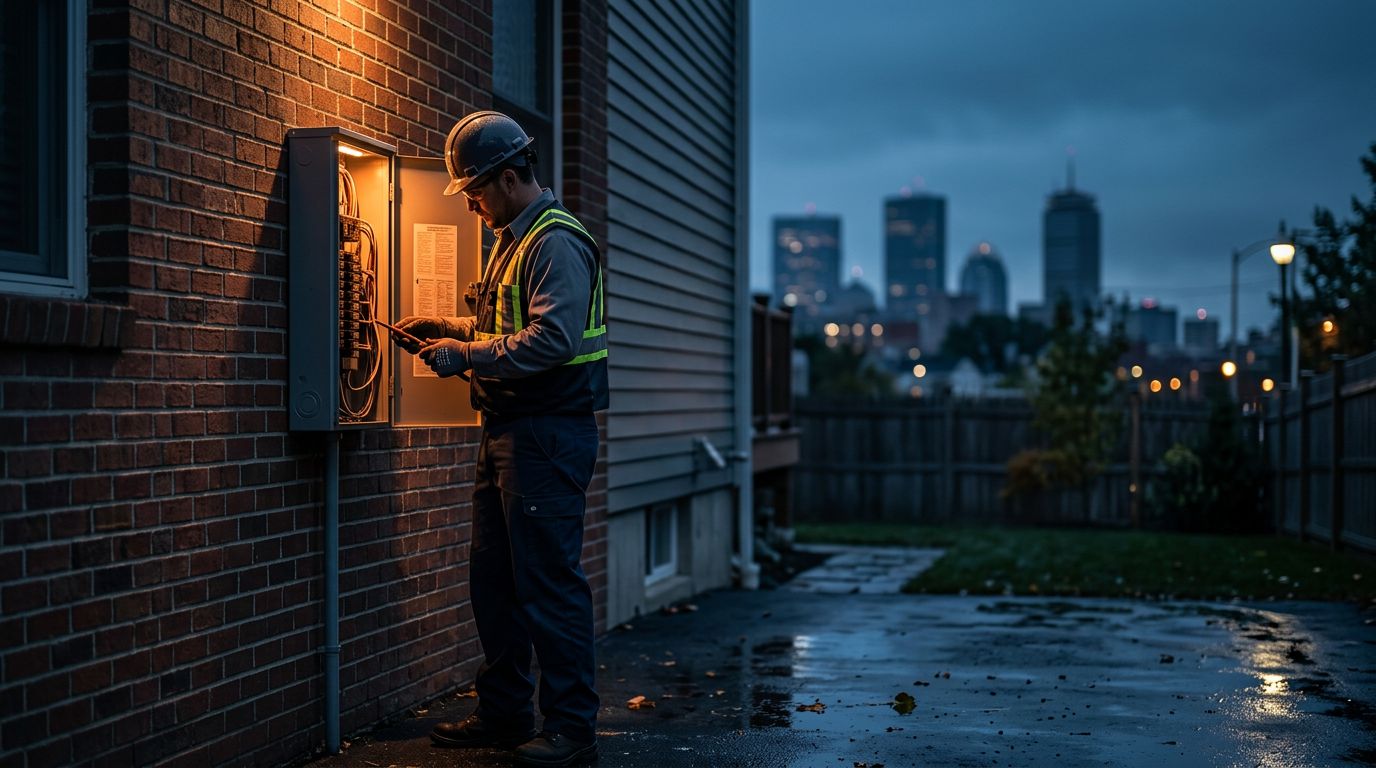
If you're pricing an electrical service upgrade in Greater Boston, the first number you hear is rarely the full story. In 2026, a standard job often lands between $2,500 and $5,000 , but a simple panel swap can cost less, and older homes with utility work can cost more.
The final bill depends on the home's age, the existing service size, meter location, utility rules, access, and whether code updates, wall repair, or trenching are part of the job. Prices vary by property and utility, so a quote for one house may not fit the next.
Here's how to read those numbers without getting lost in them.
Average Electrical Service Upgrade Costs in Greater Boston
A service upgrade can mean a few different scopes. Some jobs only replace the panel. Others add new service conductors, a meter change, grounding work, and utility coordination. That difference explains why two estimates can look miles apart.
| Scope | Typical 2026 price | What it usually includes |
|---|---|---|
| Panel replacement only | $900 to $3,000 | New breaker panel, breakers, basic labor, minor corrections |
| 100-amp to 200-amp upgrade | $1,600 to $4,000 | New panel, permit, wiring changes, standard coordination |
| Full service upgrade | $3,000 to $8,000 | Panel, meter work, service entrance, grounding, utility steps |
| Complex older-home project | $5,000 to $30,000+ | Knob-and-tube, rewiring, wall repair, trenching, extra circuits |
For a lot of homes, the middle range is the realistic one. A standard 100-amp to 200-amp upgrade often falls in the $1,600 to $4,000 range when access is clean and the meter stays put. If the electrician has to move the meter, open finished walls, or wait on utility scheduling, the bill climbs.
Utility fees are usually separate. So are some permit and inspection costs. In older houses, a quote may also include new grounding, surge protection, or panel labeling. Those items sound small, but they can change the total in a hurry.
Homes that already show warning signs your home needs an electrical panel upgrade often need more than a quick fix. Frequent breaker trips, warm panel covers, and dimming lights under load are all clues that the system is under strain.
The panel box is only part of the bill. Meter work, utility coordination, and wall repair can matter just as much.
What Pushes the Price Up or Down
The biggest price swings usually come from the house itself. A 1920s triple-decker, a brick colonial, and a newer home in the suburbs do not present the same job. Tight basements, long service runs, and hidden wiring all add labor.
The main cost drivers are easy to spot once you know where to look.
- Home age and wiring condition : Older homes often need extra corrections before a new panel passes inspection. If the wiring is worn, undersized, or mixed with older methods, the work can move toward a broader upgrade. That is why common electrical issues in older Boston homes matter when you compare quotes.
- Existing service size : Going from 100 amps to 200 amps is common. Moving beyond that or rebuilding a weak service path adds cost.
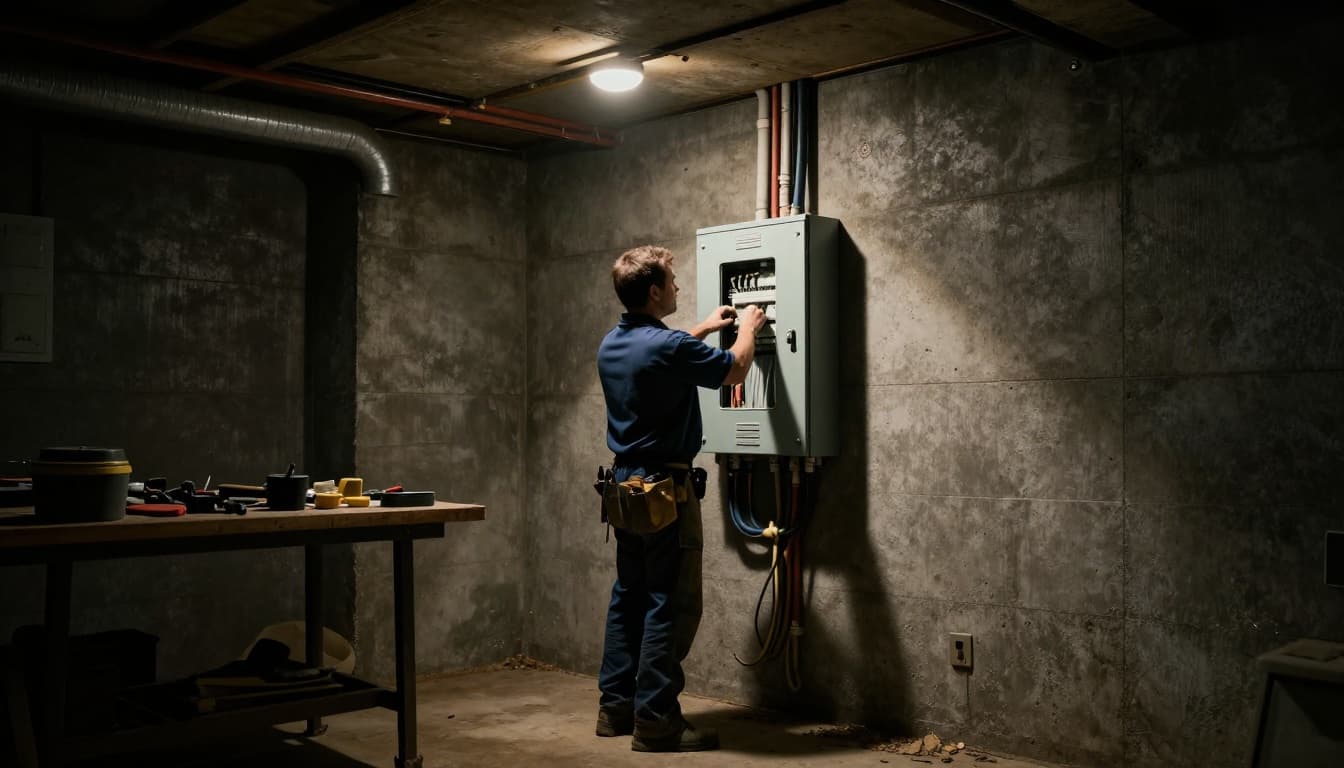
- Meter location : A meter in a cramped basement, behind stored items, or far from the main panel takes more labor. Moving the meter or service mast can add even more.
- Utility requirements : Eversource or National Grid may require disconnects, reinspection, or a specific meter setup before the job is complete.
- Accessibility : Finished walls, long conductor routes, and hard-to-reach attics or crawl spaces slow the work down.
- Code and finish work : Grounding, GFCI or AFCI updates, drywall repair, and trenching all raise the final number.
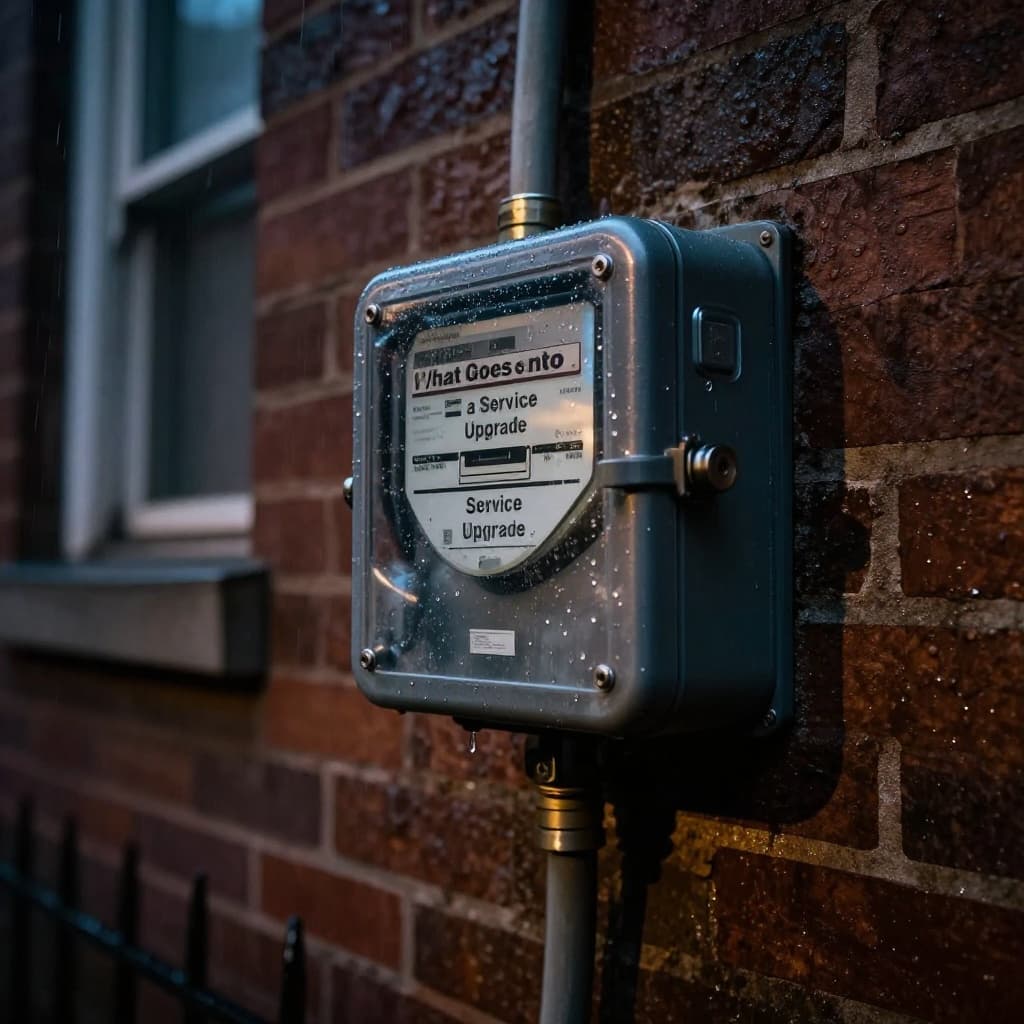
That is why the cheapest estimate is not always the best one. A lower quote can leave out the parts that create the biggest surprises later. When an electrician has to open walls or rebuild a service entrance, the job is no longer a simple box swap.
Panel Replacement vs Full Service Upgrade
People often say "panel upgrade" when they mean different things. A panel replacement and a full service upgrade overlap, but the scope is not the same.
| Scope | Typical price | What changes |
|---|---|---|
| Panel replacement only | $900 to $3,000 | New breaker box in the same location, limited service changes |
| 100-amp to 200-amp upgrade | $1,600 to $4,000 | Larger panel, possible service conductor changes, permit, coordination |
| Full service upgrade | $3,000 to $8,000 | Panel, meter, grounding, service entrance, maybe mast or weatherhead work |
| Older-home full correction | $5,000 to $30,000+ | Rewiring, wall patching, trenching, extra circuits |
A panel replacement can be enough when the home already has adequate service and the breaker box is the weak link. A full service upgrade is needed when the panel, meter base, service entrance, or grounding system cannot handle modern demand.
If breakers trip often, if the panel feels warm, or if the home still struggles with everyday loads, those warning signs are worth a closer look before you compare bids. The bigger question is whether the problem sits inside the panel or in the service feeding it.
The difference is simple. A panel swap updates the control center. A full service upgrade changes the path power takes into the house, and that takes more labor, more coordination, and more time.
How to Get a Quote That Matches Your House
A solid quote should tell you what is included and what is not. Ask for a line-item estimate that separates the panel, service entrance, meter work, permit fees, and finish repairs. That makes comparison easier, because a low number without details is hard to trust.
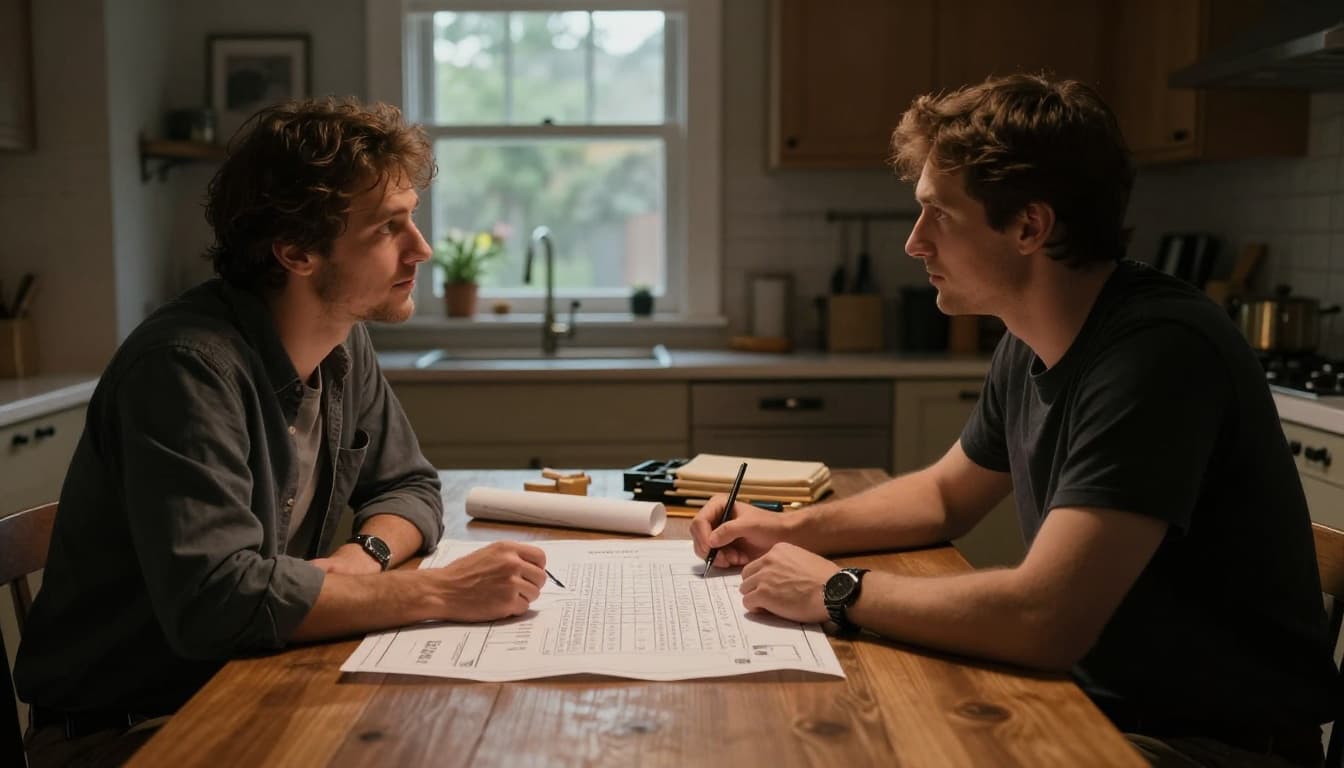
A few questions make the estimate much clearer:
- Ask whether utility coordination is included.
- Confirm the quote covers grounding and any required mast or weatherhead work.
- Check whether wall patching, painting, or trenching are extra.
- Ask what amperage the electrician is pricing and whether the system can support future loads.
A home electrical inspection can tighten the estimate before work begins. It shows the panel, service entrance, and any hidden issues that could change the plan. That is especially useful in older Greater Boston homes, where one surprise often leads to another.
A quote is only useful when it shows the job behind the price, not just the total.
If two estimates look far apart, compare the scope first. The higher bid may include utility pulls, permit handling, and restoration. The lower bid may not. That is where many pricing questions get settled.
Conclusion
The short answer is that most Greater Boston homeowners should expect $2,500 to $5,000 for a standard service upgrade in 2026. Simple panel replacements can cost less, while older homes, service entrance work, and wall repair can push the number much higher.
The safest estimate is the one tied to your house, not a generic range. When the quote spells out amperage, utility work, and finish repairs, the price starts to make sense.
If the number still feels fuzzy, that usually means the system needs a closer look before work starts. The best quote is the one that includes the parts you can't see.