
Federal Pacific Panels in Greater Boston Homes: What Homeowners Should Know

Contact Us
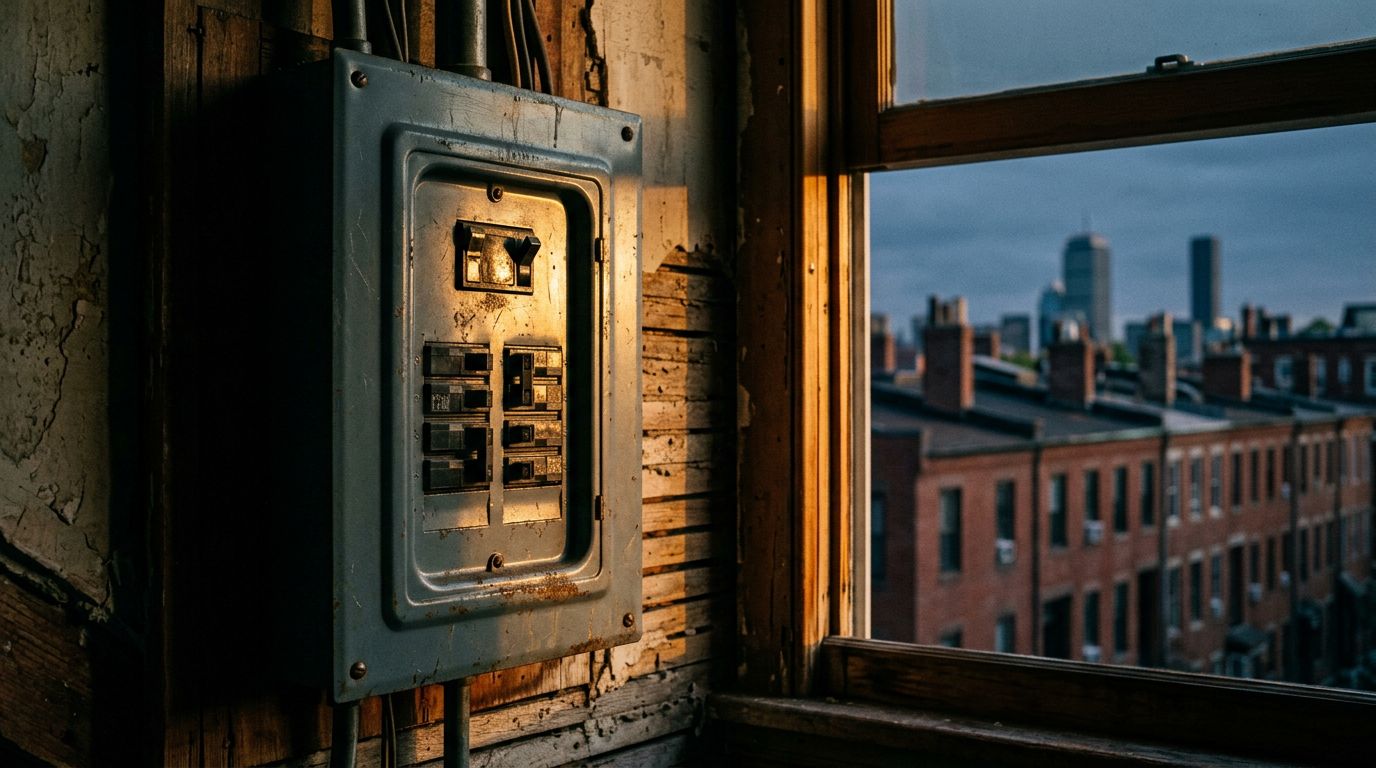
If your Greater Boston home has a Federal Pacific panel , age alone is enough reason to take a closer look. These panels show up often in older houses across Boston, Somerville, Cambridge, and nearby towns, especially where electrical work happened in stages.
That does not mean every panel is failing today. It does mean a licensed electrician should evaluate the brand, the breakers, and the rest of the system before you add more load or put the home on the market. Start with the clues below, then judge the panel by its condition, not by guesswork.
Why Federal Pacific panels still show up in older homes around Boston
A lot of homes in Greater Boston were built long before today's electrical demands. Many also went through piecemeal upgrades, a finished basement here, a kitchen remodel there, maybe a new addition decades later.
That is how a Federal Pacific panel can end up in a house that looks well maintained. The panel may have been installed during a prior renovation and then left in place for years.
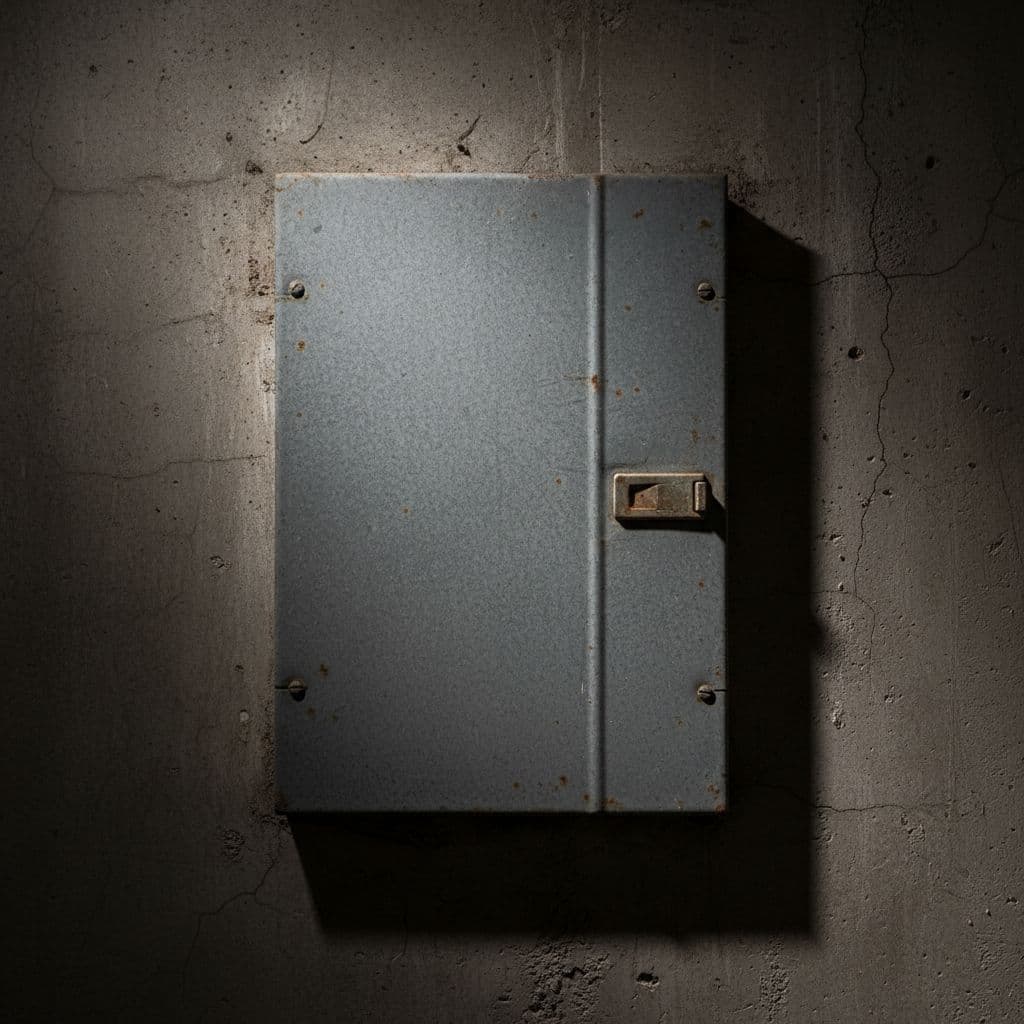
In older New England homes, the panel is often tucked into a basement, a utility room, or a narrow closet. That makes it easy to overlook until a circuit starts acting up or an inspector points it out.
The brand name matters, but it is not the whole story. Age, breaker condition, moisture, and past repairs all affect how the panel performs.
How to identify a Federal Pacific panel
The name on the cover is the first clue, but not the only one. Some panels are marked clearly, while others need a closer look from someone who knows what to check.
A quick visual guide helps sort out the common signs.
| Clue | What you might see | Why it matters |
|---|---|---|
| Brand label | "Federal Pacific" or "FPE" on the panel door | Confirms the manufacturer |
| Breaker style | "Stab-Lok" breakers with a distinct shape | Common in many Federal Pacific panels |
| Handle color | Some breakers have a red stripe | Another familiar visual marker |
| Panel age | Older metal cabinet in a basement or utility area | Suggests legacy equipment that may predate modern loads |
If you see two or more of these signs, treat the panel as a likely match. The safest next step is still a professional look, not a guess.
Do not remove the panel cover yourself. A licensed electrician can identify the panel without turning a simple check into a hazard.
Why electricians take them seriously
Electricians do not panic over every old panel, but they do pay close attention to this one. The concern is not just age. It is the combination of age, breaker design, and the way the panel has been used over time.
In a busy household, breakers should respond when a circuit is overloaded. If a breaker does not trip the way it should, the wiring can get hotter than it should. That is a problem in any home, but it matters more when the panel is already old.
Watch for signs like warm panel covers, frequent breaker trips, flickering lights, scorch marks, or a buzzing sound near the panel. If you are seeing any of those, a detailed guide to warning signs of electrical panel failure can help you decide whether the issue needs prompt attention.
Modern homes also place heavier demands on electrical systems than older homes did. Air conditioners, induction ranges, EV chargers, home offices, and basement dehumidifiers all add load. A panel that once handled a simpler household may now be working much harder.
Do all Federal Pacific panels need replacement?
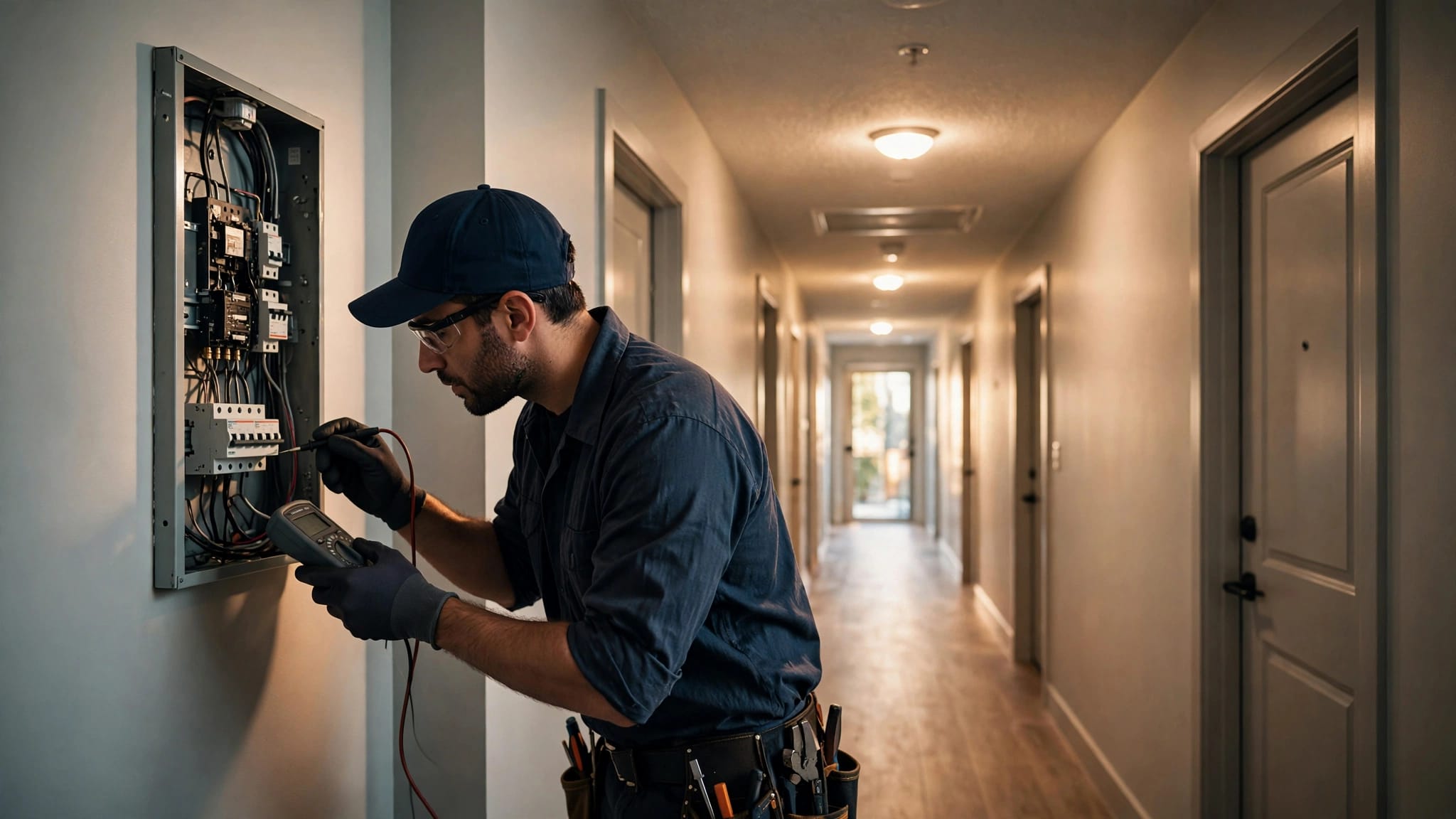
Not every panel has to be replaced the moment it is identified. A licensed electrician should first inspect the panel, test the breakers, and look for heat damage, rust, missing knockout plates, or signs of water intrusion.
That said, many homeowners do end up choosing replacement after the inspection. The reason is simple. Even if the panel appears to be working today, it may not be the best place to keep betting on tomorrow.
Replacement makes more sense when you are planning a renovation, adding a heat pump, installing an EV charger, or bringing an older home up to current use. It also becomes a stronger recommendation when the panel has corrosion, breaker damage, or a history of nuisance tripping.
If you are weighing your options, a home electrical inspection in Greater Boston gives you a clearer path. That kind of visit helps separate cosmetic age from real electrical issues.
When replacement is the right move, residential electrical panel replacement services should include more than a new metal box on the wall. The electrician should size the service correctly, verify grounding and bonding, and make sure the new panel fits the home's actual demand.
What a licensed electrician checks before giving advice
A good inspection looks at the whole system, not just the brand name. That matters in Greater Boston, where older wiring and later remodels often meet in the same service panel.
A licensed electrician will usually check:
- The panel label and breaker style.
- Signs of heat, rust, or water entry.
- Whether breakers fit and reset properly.
- The home's electrical load compared with the service size.
- Grounding and bonding conditions.
- Evidence of older repairs, additions, or mixed-age wiring.
Some electricians also use infrared or thermography testing to find hot spots that a quick visual check might miss. That can be useful in a basement panel that has lived through decades of New England weather.
The goal is not to scare you. It is to give you a clear answer based on the panel in front of you.
Federal Pacific panels, home sales, and insurance questions
Buyers in Greater Boston often ask about the panel during an inspection. That is normal. A Federal Pacific panel can become part of the conversation, even if the rest of the house is in good shape.
Home insurers may also care, depending on the company and the rest of the electrical setup. Some policies focus on age, while others focus on the condition of the system and whether any hazards are present. It helps to have documentation from a licensed electrician if you are buying, selling, or renewing coverage.
That is one more reason not to wait until the last minute. A panel review gives you time to plan, compare options, and avoid rushed decisions.
Conclusion
Federal Pacific panels still turn up in Greater Boston homes because older housing stock keeps old electrical choices alive. Sometimes the panel is a legacy part of a long-ago remodel. Sometimes it is the original service equipment, still doing its best after decades of use.
The safest approach is simple. Get the panel reviewed by a licensed electrician who understands Massachusetts homes, older wiring, and the demands of modern equipment. A careful inspection gives you a real answer, and that is better than guessing.
FAQ
How can I identify a Federal Pacific panel?
Look for the Federal Pacific or FPE name on the panel door, along with Stab-Lok breakers. Some breakers have a red stripe on the handle, which is another common clue.
Does a Federal Pacific panel always need to be replaced?
No, not every panel has to be replaced right away. A licensed electrician should inspect it first. Replacement becomes more likely if the panel shows wear, heat damage, rust, loose breakers, or cannot support the home's current electrical needs.
Do homebuyers or insurers care about these panels?
Often, yes. Buyers may ask about them during an inspection, and some insurers may want proof that the system is in good condition. A documented electrical evaluation can help you answer those questions with facts instead of guesswork.