

GFCI vs AFCI Protection for Greater Boston Homes

Contact Us
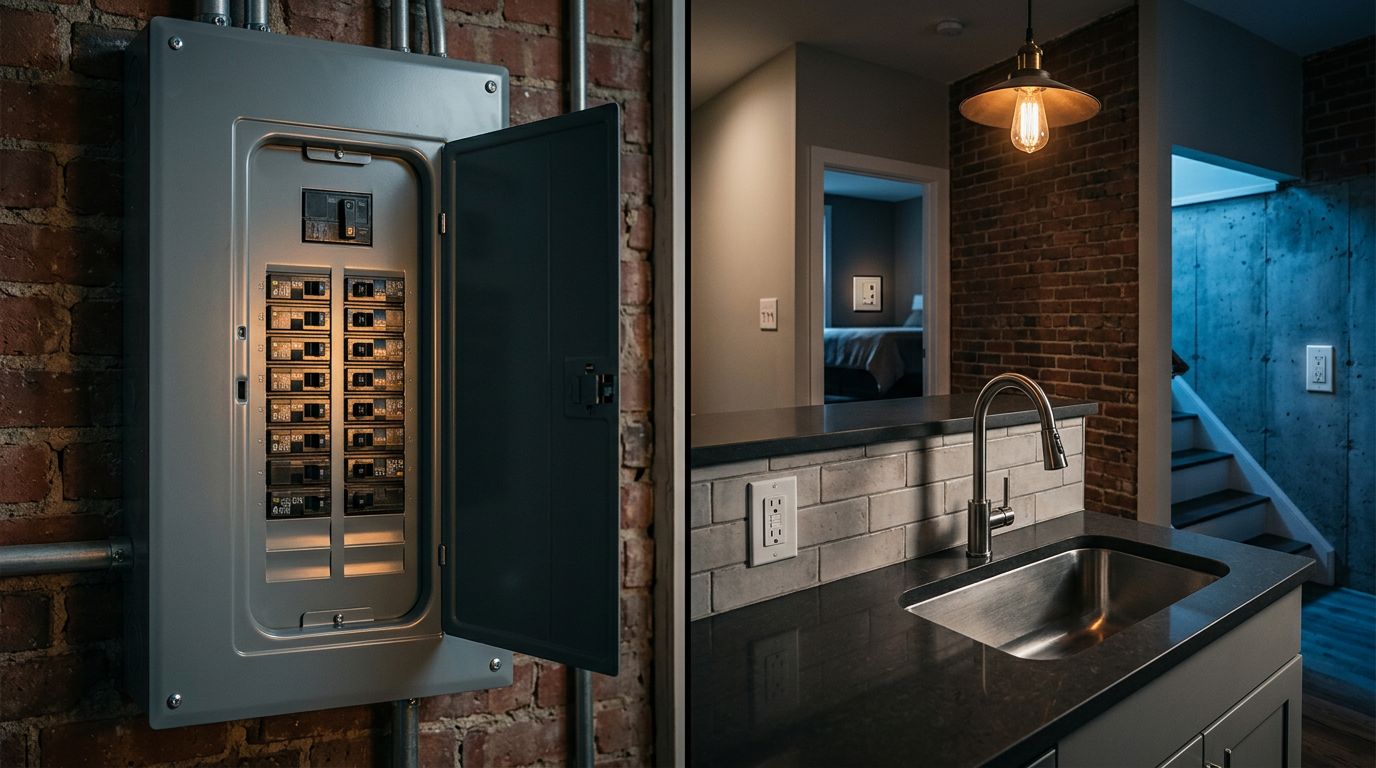
Older homes in Greater Boston often mix new fixtures with old wiring, and that is where confusion starts. The difference between GFCI vs AFCI protection sounds small, but it changes where a breaker trips, what danger it stops, and which rooms need attention first.
A kitchen outlet near the sink does not need the same protection as a bedroom circuit or a basement receptacle. Once you know how each device works, it becomes easier to spot gaps before they turn into shocks, nuisance trips, or damaged wiring.
The basics are simple, but the right answer depends on the room, the panel, and the age of the house.
What GFCI protection does in kitchens, baths, and outdoors
GFCI stands for ground-fault circuit interrupter. Its job is to watch for electricity that starts taking an unwanted path. That can happen through water, a damaged cord, a wet floor, or a person.
When a GFCI senses that leak, it trips fast. That speed matters in places where moisture is part of daily life.
In Greater Boston homes, GFCI protection belongs in the spots that deal with water or weather. Kitchens, bathrooms, laundry areas, garages, basements, and outdoor outlets all fit that pattern. A sink splash, a damp concrete floor, or a plug left out in the weather can create the kind of risk GFCI is built to catch.
A receptacle with test and reset buttons is the most common form. Some homes use a GFCI breaker at the panel instead. Either way, the device is there to lower shock risk, not to fix every electrical issue in the home.
If a GFCI trips once in a while, that may be a warning sign. A cord could be damaged, a plug could be loose, or water could be reaching a device where it should not.
Where AFCI protection matters most in bedrooms and living spaces
AFCI stands for arc-fault circuit interrupter. It watches for tiny sparks inside wiring, outlets, switches, or cords. Those sparks can come from loose connections, pinched wires, worn insulation, or aging devices.
A small arc can create heat long before anyone notices a problem. AFCI protection is there to cut power before that heat grows.
This is why AFCI is used most often in bedrooms, living rooms, hallways, dens, and other finished spaces. In older homes, the risk can rise after years of repairs, additions, and patchwork wiring changes. A circuit may look fine from the outside, but hidden connections can still wear out.
GFCI protects people from shock in wet areas. AFCI protects homes from fire risk caused by sparking wiring.
Bedrooms deserve special attention because cords, lamps, chargers, and furniture all sit close together. A cord pinched behind a bed or dresser can wear down over time. In a family room, a lamp cord tucked under a rug can do the same thing.
AFCI does not replace GFCI. It handles a different job. That is why some rooms need one type, while others need both.
GFCI vs AFCI at a glance
A quick side-by-side view helps when you are comparing circuit protection at home.
| Protection type | Main job | Common home locations | Typical trigger |
|---|---|---|---|
| GFCI | Reduces shock risk | Kitchens, bathrooms, laundry rooms, garages, basements, outdoor outlets | Current leaks to the wrong path, often near water |
| AFCI | Reduces fire risk from arcing | Bedrooms, living rooms, hallways, finished rooms, remodeled spaces | Loose, damaged, or overheated wiring starts sparking |
| Dual-function breaker | Handles both risks | Circuits that need both protections, or panels with limited space | Either a ground fault or an arc fault appears |
The takeaway is simple. GFCI and AFCI are not competing devices. They solve different problems, and the right one depends on the circuit in front of you.
When dual-function breakers make sense
Some circuits need both kinds of protection. That is where dual-function breakers come in. They combine GFCI and AFCI protection in one device, so one breaker watches for shock hazards and arc hazards at the same time.
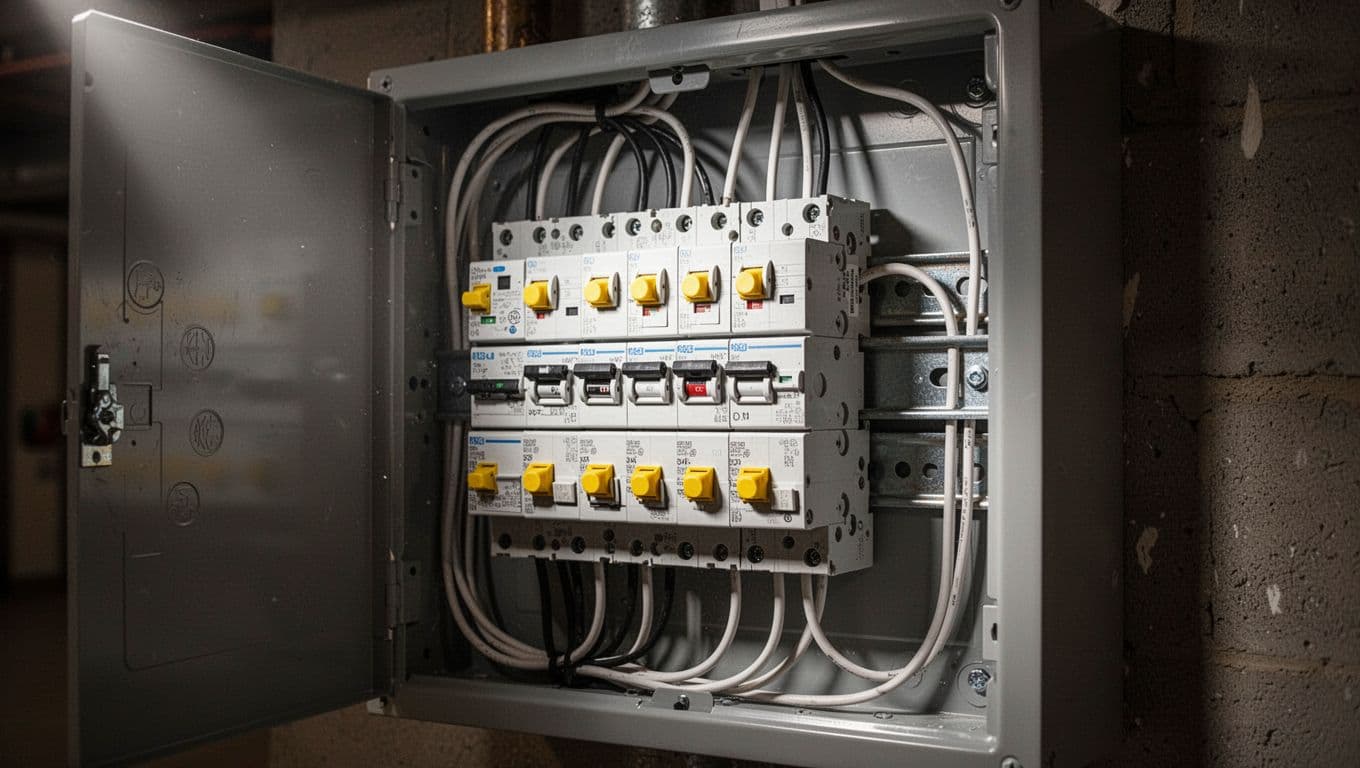
Dual-function breakers can be a smart fit when the panel is crowded or when a remodel changes the way circuits are used. A finished basement, a kitchen upgrade, or a new bedroom addition may bring mixed needs onto the same panel. In those cases, one breaker can be cleaner than trying to patch together separate devices.
They also make sense when you want a simpler panel layout during a larger update. A crowded panel with old breakers, mixed wiring, and added circuits can become hard to read. A cleaner setup helps a homeowner and an electrician see what protects each area.
A dual-function breaker is not the answer for every room. A kitchen counter outlet may still be better served by a GFCI receptacle in a visible spot. A bedroom circuit, on the other hand, may benefit from AFCI protection at the panel. The best choice depends on the wiring path and the use of the space.
A breaker should match the circuit's risk, not just fill empty space in the panel.
Why older Greater Boston homes need a closer look
Older New England homes often grow in layers. A room gets added, a basement gets finished, a kitchen gets updated, and the electrical system has to keep up. Over time, that can leave you with a mix of old and new protection.
That mix is common in Greater Boston. Triple-deckers, colonials, Cape-style homes, and older multifamily properties may all have changes made by different owners over different decades. Some circuits may already have the right protection. Others may not.
Basements are a good example. They often need GFCI protection because of moisture, sump pumps, or concrete floors. Bedrooms above them may need AFCI protection because of wiring hidden inside walls and ceilings. Outdoor outlets and garage receptacles also deserve close attention, since snow, rain, and damp conditions raise shock risk.
If your home has a dated panel, mixed wiring, or a long list of past repairs, it may be time to schedule a home electrical inspection. An inspection can show where protection is missing, where devices are mismatched, and where older wiring needs a better plan.
A licensed electrician can also help you choose between outlet-level protection, breaker-level protection, or both. That keeps upgrading your home electrical system safely practical instead of guesswork.
Exact code requirements and upgrade options should be verified by a licensed electrician. The right setup depends on the home, the panel, and the work being done.
Conclusion
The simplest rule is easy to remember. Use GFCI where water raises shock risk, use AFCI where wiring faults can start heat, and use dual-function breakers when both risks meet on the same circuit.
That matters even more in Greater Boston homes, where old wiring, new remodels, and damp lower levels often sit side by side. Once the circuit map is clear, the right protection becomes much easier to choose.
A careful inspection and the right devices can turn a confusing panel into a safer one.