
Why Your Circuit Breaker Keeps Tripping in Greater Boston

Contact Us
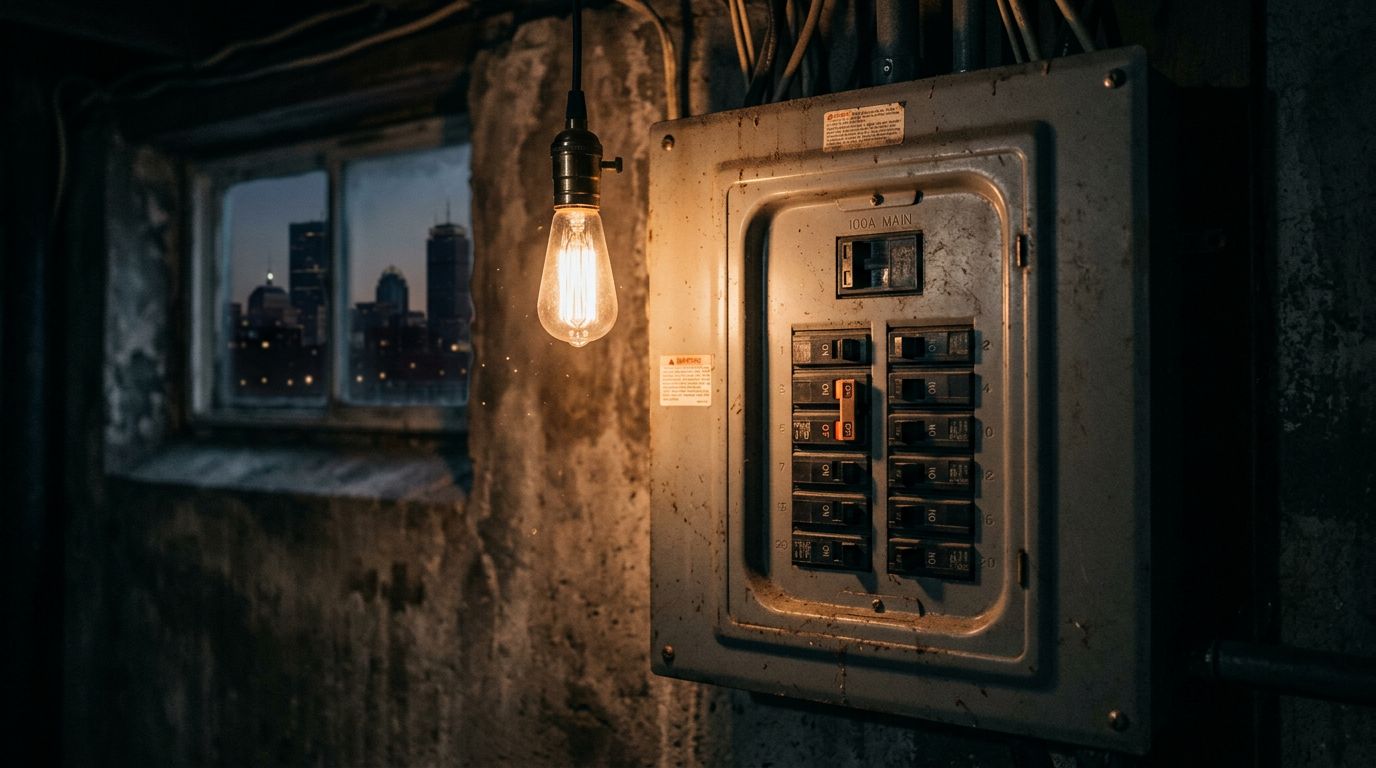
A breaker that trips once can be annoying. A breaker that keeps tripping is your home telling you something needs attention.
In Greater Boston, this happens more often than many homeowners expect. Older wiring, aging panels, damp basements, and seasonal power use can all push a circuit past its limit. The key is knowing when it's a simple overload and when it points to a real electrical problem.
The good news is that you can check a few things safely before you call for help. The better news is that a breaker trip is usually trying to protect your home, not punish you.
Why a breaker trip happens in the first place
A circuit breaker is a safety switch. When a circuit pulls too much power, the breaker shuts it down before the wires overheat.
That's why circuit breaker tripping is often a warning, not a failure. The breaker is doing its job. The real question is what pushed it to trip.
Most trips fall into three buckets. The circuit may be overloaded. A wire or device may have a short. Or the breaker itself may be worn out and no longer doing its job well.
A one-time trip after plugging in a space heater or hair dryer is often a nuisance trip. Repeated trips on the same circuit are different. They usually mean the circuit is working too hard or there's damage somewhere in the line.
Nuisance trip or serious electrical problem?
A nuisance trip usually has a clear trigger. You turn on a microwave, toaster oven, and coffee maker at the same time, and the kitchen breaker pops. You plug in a dehumidifier and a freezer on the same basement circuit, and it happens again.
A more serious problem looks different. The breaker trips without a clear cause, trips right away after resetting, or trips when nothing major is running. Those signs deserve a closer look.
Here's a quick way to compare the two:
| Nuisance trip | Possible danger sign |
|---|---|
| Happens when several high-use items run together | Happens with little or no load |
| Stops after you reduce demand | Trips again right away |
| Involves one obvious appliance | No clear trigger |
| Breaker resets and holds | Breaker won't stay on |
| No heat, smell, or buzzing | Warm panel, burning smell, or buzzing |
If the right-hand column sounds familiar, treat it as more than an inconvenience. The circuit may have a fault that can damage wiring, outlets, or appliances.
The most common causes in local homes
Overloaded circuits
This is the most common reason for breaker tripping. The circuit is simply carrying more than it can safely handle.
Older homes in the Boston area often have fewer outlets per room than newer homes. That makes it easy to stack too many loads on one circuit. A bedroom might share power with a window AC unit, a TV, a gaming system, and a space heater. In the kitchen, the mix gets worse fast.
Heat makes the problem show up more often. So do cold snaps. In summer, window units and fans stay on for long stretches. In winter, space heaters, boot dryers, and humidifiers can crowd a circuit.
Short circuits and ground faults
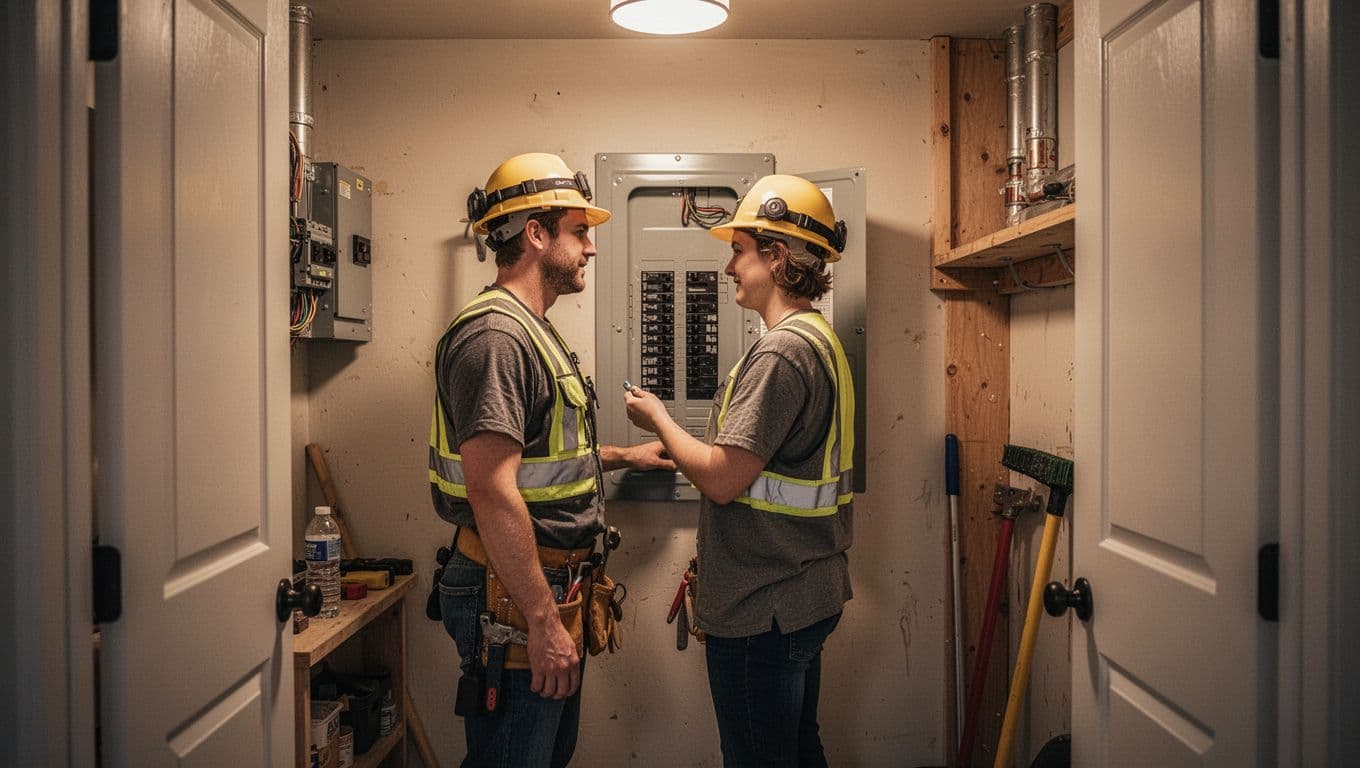
A short circuit happens when electricity takes the wrong path. A damaged cord, loose wire, failing outlet, or broken appliance can cause it.
A ground fault is similar, but the current leaks toward ground instead of staying in the circuit. Moisture can make that worse. Basements, laundry rooms, utility spaces, and outdoor outlets are common trouble spots in Greater Boston homes, especially where humidity or seepage is part of the picture.
These faults usually trip a breaker fast. If a breaker pops the moment a device turns on, or if it trips every time you use one appliance, the appliance or the circuit needs a proper diagnosis.
Aging breakers and outdated panels
Sometimes the breaker is the issue. Breakers wear out over time, especially in older panels that have already seen decades of use.
Many older homes still carry panels that were built for lighter electrical demands. Back then, homes didn't have EV chargers, large entertainment systems, server racks, heat pumps, and multiple high-draw kitchen appliances running at once. A panel that once worked fine may now be under real stress.
If you suspect your panel is outdated, breaker panel installation and replacement may be the right long-term fix. An old panel can create repeat trips, weak performance, and a limited path for future upgrades.
If the same breaker trips again and again, don't assume it's "just the way the house is." Repeated trips are usually the electrical system asking for a closer look.
Local conditions that make trips more common
Greater Boston homes face a few practical challenges that raise the odds of breaker trouble.
Older housing stock is one of them. Many homes have been updated in pieces over the years. A kitchen may have modern appliances, while other parts of the house still rely on older wiring or older branch circuits. That mix can create uneven demand.
Moisture is another factor. Finished basements, laundry areas, and bulkhead entries can all collect damp air or small leaks. Water and electricity should never meet, even indirectly. When they do, breakers may trip to protect the circuit.
Seasonal electrical load also matters. Summer brings air conditioners and dehumidifiers. Winter brings space heaters, heated blankets, and extra lighting. Spring and fall often bring more home projects, temporary tools, and garage use. Each one adds load in a different way.
If your home hasn't had a recent inspection, a home electrical inspection can reveal whether the issue is a single bad circuit or a larger system concern. That matters more when you live in an older home that's been patched and upgraded over time.
Safe steps you can take before calling an electrician
You can gather useful clues without opening the panel or touching wiring inside it.
Start with these safe steps:
- Unplug a few devices on the affected circuit. Then reset the breaker once and see whether it holds.
- Think about what changed recently. A new appliance, a space heater, or a dehumidifier may be the trigger.
- Check for a hot plug, a warm outlet, or a burning smell. If you notice any of these, stop using the circuit.
- Look for moisture near the problem area. Basements, laundry rooms, and exterior outlets need special care.
- Reset the breaker once only. If it trips again right away, leave it off and call a professional.
Do not keep flipping the breaker back on over and over. That can make the problem worse and may increase the risk of heat or damage.
Also, avoid taking the panel apart or swapping breakers yourself. That work belongs to a licensed electrician. A panel looks simple from the outside, but the risks inside are real.
When a breaker trip points to a larger issue
Some warning signs mean the circuit is past nuisance territory.
Call for professional help if you notice any of these:
- the breaker trips with no clear appliance running
- the same breaker trips over and over
- lights dim or flicker when the load changes
- outlets or switches feel warm
- you hear buzzing, crackling, or popping
- there's a burning smell near the panel or outlet
- the breaker will not reset, or resets only for a moment
- water has reached the panel, outlet, or nearby wiring
These signs can point to loose connections, damaged insulation, a failing breaker, or a panel that can't keep up with the home's current demand. Those are not problems to ignore.
A licensed electrician can test the circuit, identify the fault, and tell you whether the issue is the appliance, the wiring, or the panel itself. That diagnosis matters because the fix changes based on the cause. Replacing a breaker won't help if the real problem is a short in the wall. Likewise, swapping appliances won't solve a failing panel.
How professional diagnosis helps protect the home
A proper diagnosis saves time and lowers risk. Instead of guessing, the electrician can trace the load, test the breaker, and look for signs of heat or wear.
For homeowners in older homes, that step often reveals a bigger picture. A single trip may turn out to be part of a panel capacity issue, an overloaded kitchen circuit, or wiring that needs repair before it becomes a fire hazard.
That's also why an electrician may recommend an inspection before any upgrade. A deeper look can show whether the home needs added circuits, a panel update, or other electrical work to support modern use. You can see the kind of work that supports those fixes on our full range of electrical services.
Conclusion
A breaker that trips once is often telling you the circuit is under strain. A breaker that keeps tripping is telling you to pay closer attention.
In Greater Boston, older panels, older wiring, damp basement conditions, and seasonal power loads all play a role. The safest move is to rule out simple overloads, then call for a professional diagnosis if the problem repeats or comes with warning signs.
Your breaker is there to protect the home. When it keeps doing that job, the next step is figuring out why.