
Can a Heat Pump Water Heater Use an Existing Circuit?

Contact Us
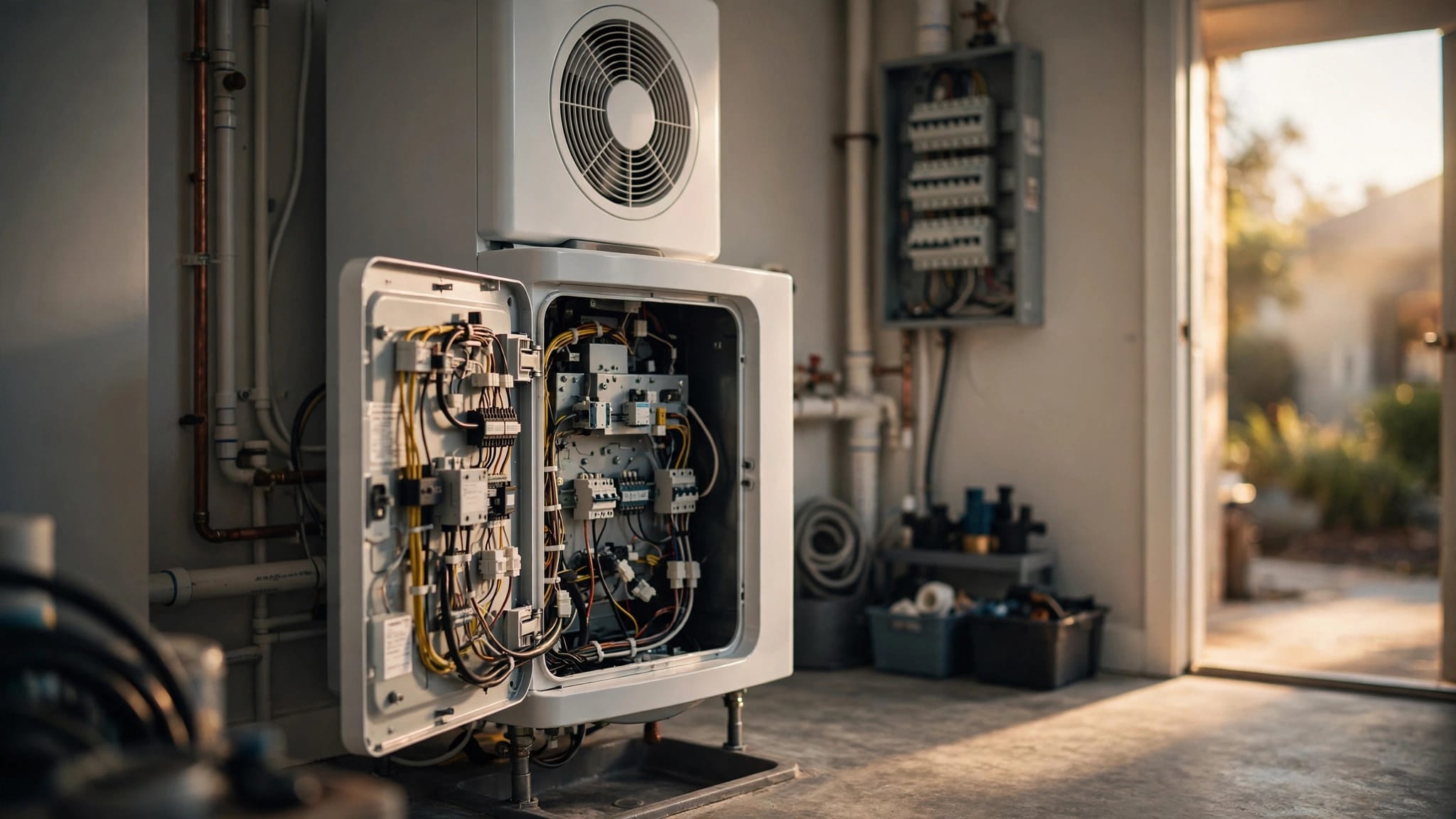
Compatibility depends on the specific heat pump water heater and the existing electrical installation. The new heater's nameplate and installation instructions establish what the electrical assessment must address.
Your old tank's operating history doesn't establish that the circuit matches different equipment. Before installation, the review needs to cover supply voltage, breaker rating, conductor size, connected loads, and wiring condition. Start with the equipment documents, then compare them with the actual circuit.
Key Takeaways
- Circuit compatibility is model-specific, even when two water heaters have similar tank capacities.
- Breaker amperage alone doesn't establish conductor suitability, grounding, or the circuit's connected loads.
- Homeowners can gather equipment documents and accessible labels, while a licensed electrician handles electrical testing and connections.
Start With the New Heater's Documentation
The model number matters more than the brand or tank size. Keep the exact model's documents together before electrical work begins.
Read the nameplate
The nameplate identifies the equipment and its electrical ratings. Depending on the product, it may list voltage, wattage, amperage, and overcurrent-protection information.
Photograph an accessible nameplate without removing electrical covers. A sales listing or efficiency sticker doesn't replace that information. Similarly, documentation for another model in the same product family may describe a different electrical arrangement.
Include the installation manual
The manual adds details that don't fit on the nameplate. These can include connection methods, conductor restrictions, terminal specifications, grounding, and disconnect arrangements.
If the selected model includes backup resistance elements, those loads belong in the electrical review. Compressor-only energy use doesn't describe the complete equipment load. Also, NEC 110.3(B) requires listed equipment to follow its listing and installation instructions.
How a Heat Pump Water Heater Circuit Is Evaluated
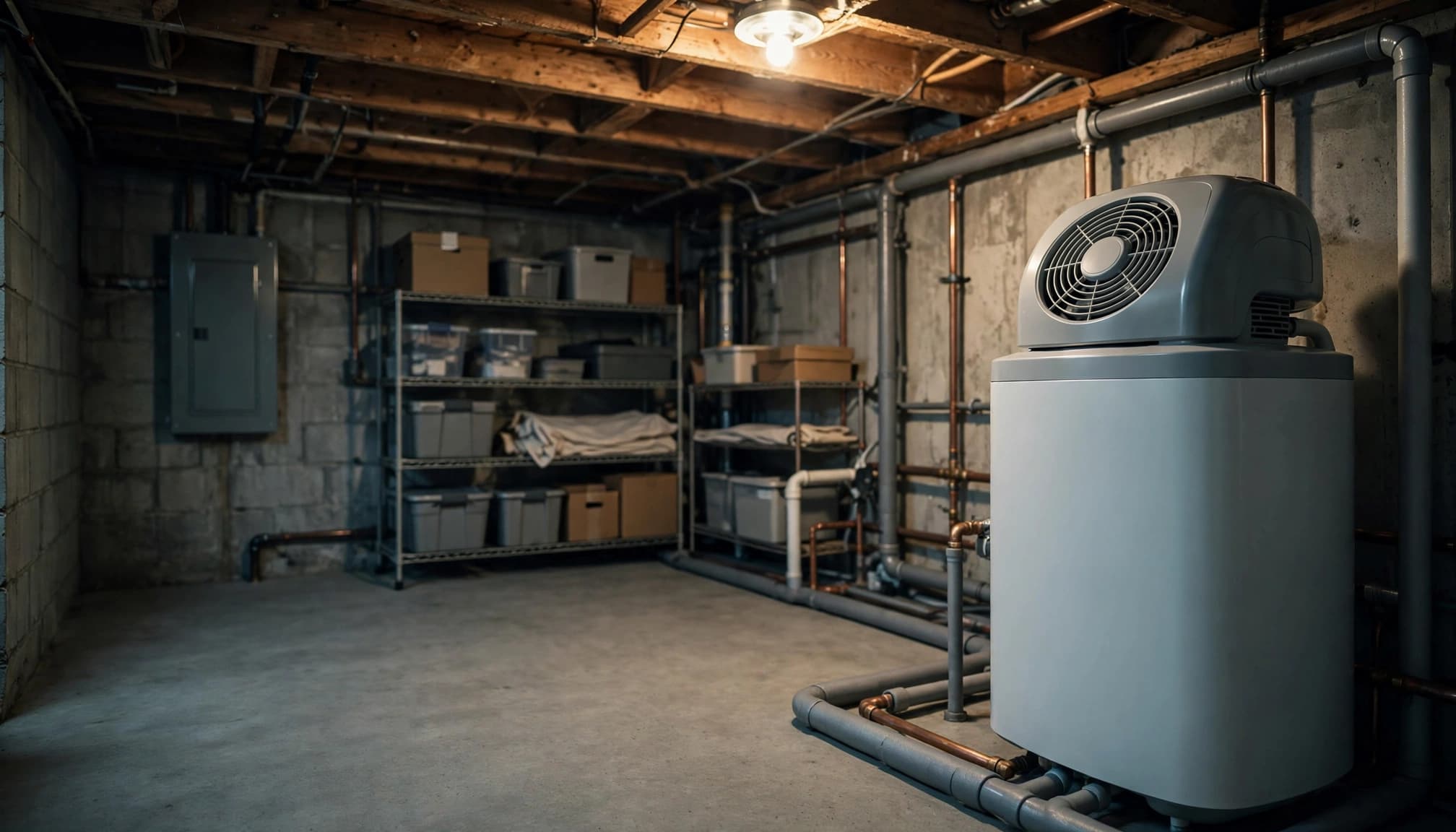
A heat pump water heater circuit assessment compares the equipment documentation with the entire electrical path. The breaker is one part of that review.
Compare voltage and breaker amperage
Supply voltage must match the equipment's approved electrical arrangement. An electrician establishes the actual supply rather than relying on the old heater or a handwritten panel label.
The breaker's handle identifies its amperage, but that rating alone doesn't describe the wiring behind it. The review also addresses breaker compatibility with the panel, equipment overcurrent-protection limits, and applicable load calculations.
Continuous-load rules can affect circuit design. Therefore, dividing watts by volts is a starting calculation, not a complete installation plan.
Examine conductors and connected loads
Wire size is commonly expressed in American Wire Gauge, or AWG. Accessible cable markings may provide useful information, but conductor material, insulation, terminations, installation method, and condition also affect suitability.
The electrician also identifies everything the circuit supplies. A dedicated circuit supplies one appliance; a shared circuit supplies additional loads. Panel labeling alone doesn't establish that arrangement.
Grounding and neutral conductors have different functions. The review addresses both the equipment's wiring diagram and the conductors actually present, without treating one as a substitute for the other.
A Practical Checklist Before Installation
Use this checklist to organize the information for your electrician. It separates safe preparation from work that involves electrical exposure.
- Gather the exact model number, nameplate photograph, and installation manual.
- Record the labeled breaker amperage and circuit description without removing the panel cover.
- Identify other equipment believed to share the circuit, including nearby outlets or lights.
- Note whether the existing heater is hardwired or cord-connected, without opening its connection compartment.
- Describe any history of tripping, burning odors, water exposure, or visibly damaged wiring.
- Provide clear access to the panel, water heater, and any accessible cable route.
Leave voltage measurements, panel-cover removal, conductor identification, and termination work to a licensed electrician. Don't enlarge a breaker to address repeated trips. An oversized breaker can leave conductors inadequately protected.
Plan for Access, Protection, and Inspection
A suitable electrical connection also needs safe access. Storage around the panel, blocked equipment compartments, or a difficult cable route can affect installation work.
The electrical review includes grounding, connection quality, cable protection, and the disconnecting arrangement. Location matters, too, because moisture exposure can affect wiring methods and enclosures.
Our electrical inspection services cover wiring, outlets, and panels throughout Greater Boston. Those components all matter when assessing an existing installation.
New concealed wiring may require inspection before walls close. Permitted work also receives a final review of the finished installation. Our guide to Massachusetts electrical inspections explains how those stages differ.
Electrical compatibility and energy-code compliance are separate questions. An efficiency rating doesn't establish that the electrical installation is suitable.
Frequently Asked Questions
Is the old water heater's label enough?
The old label describes the equipment being removed. The replacement's nameplate and manual provide the equipment-specific information for the new installation. The electrician then assesses the existing wiring independently, because alterations, damage, or undocumented connections may not appear on either label.
Does selecting heat-pump-only mode settle the electrical requirements?
An operating preference doesn't replace the equipment's listed installation requirements. Where a model includes additional heating components, the electrical assessment addresses the manufacturer's specified arrangement. Expected electricity consumption and required circuit design answer different questions.
Base the Decision on the Equipment and Installation
The useful starting point is the exact heater's documentation paired with an assessment of the existing electrical system. Breaker labels, tank size, and past operation each provide only part of the picture.
Gather the accessible information before installation day. A licensed electrician can then evaluate the complete electrical arrangement and handle the work without relying on assumptions about the old heater.