
Massachusetts Electrical Inspection: A Homeowner's Guide

Contact Us
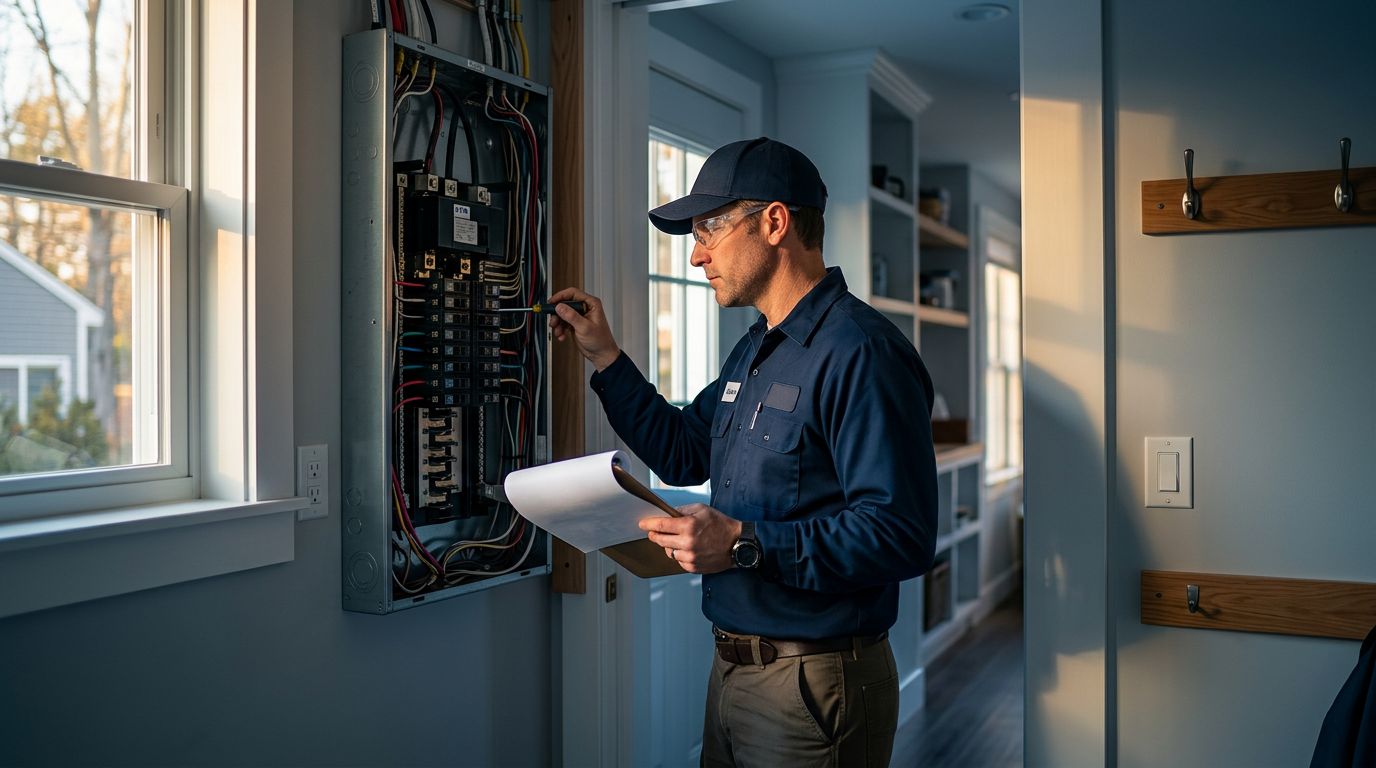
An electrical project can look finished before it is officially complete. The permit still needs its final sign-off, and that step can affect your certificate of occupancy, closing, or ability to use new equipment.
A Massachusetts electrical inspection checks whether permitted work is complete, accessible, and consistent with applicable code requirements. The process follows a statewide code framework, but each city and town controls its own scheduling, fees, forms, and closeout procedures. Start by understanding what the inspector will look for and who handles each part.
What a Massachusetts electrical inspection checks
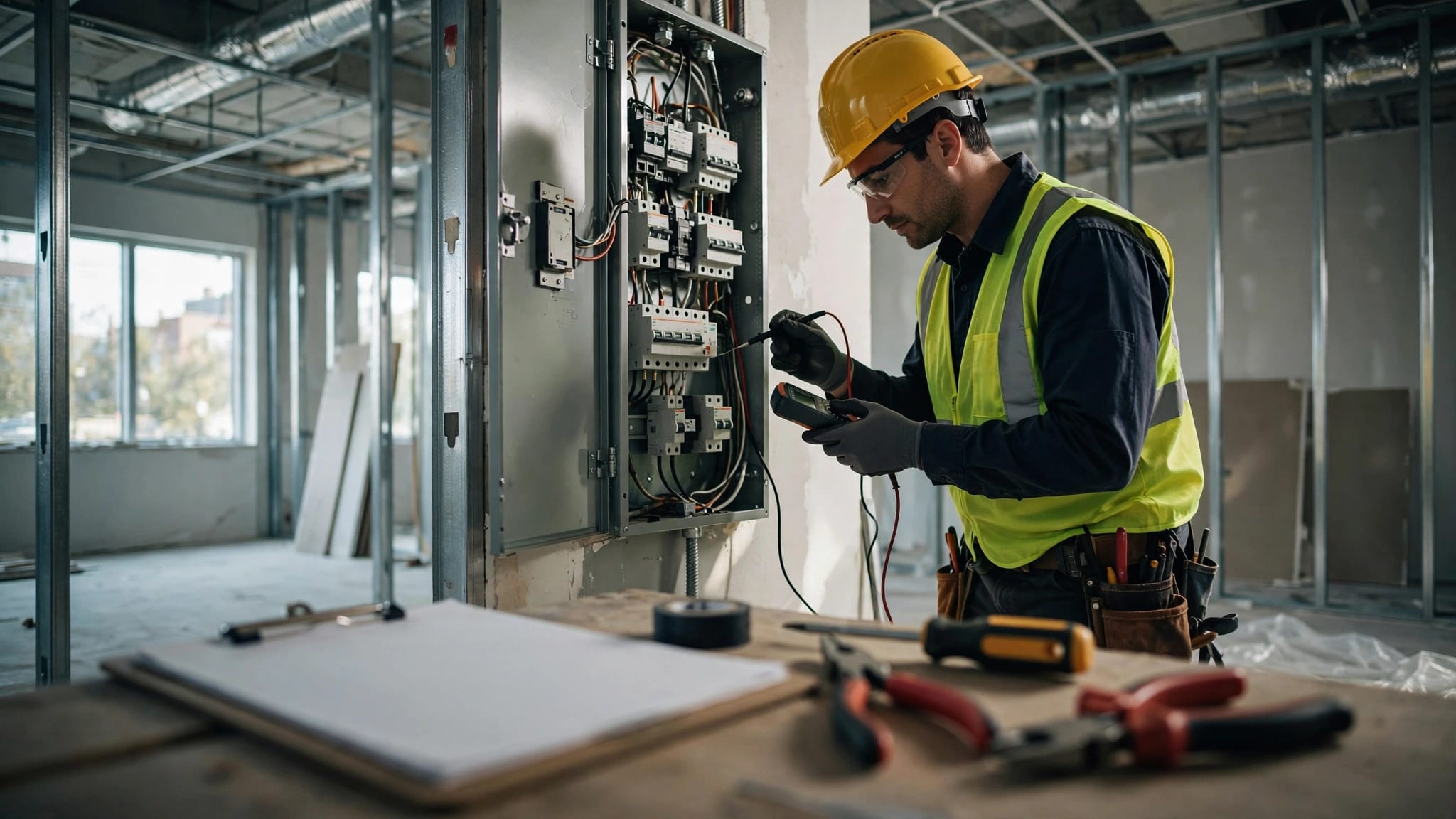
The final electrical inspection takes place after the permitted installation is complete. The inspector reviews the finished system rather than inspecting wiring that will later be covered by walls, ceilings, or equipment.
The goal is to confirm that the work matches the permit, final connections are safe, and the installation is ready for use. The inspection may cover a small circuit addition, a panel replacement, a service upgrade, an EV charger, a generator, or a full renovation.
Final inspection versus rough inspection
A rough inspection usually occurs before insulation and finishes hide the wiring. The inspector may review cable routing, boxes, supports, grounding conductors, and the planned panel layout.
The final visit comes later. Devices, fixtures, covers, equipment, and terminations should be installed. If your project is still at the framing stage, review this guide to Massachusetts electrical rough inspections before scheduling the final.
What the inspector may examine
Depending on the permit and local checklist, the inspector may review:
- The electrical panel, breakers, circuit directory, and working space.
- Grounding and bonding connections.
- Receptacles, switches, lighting fixtures, and junction boxes.
- GFCI and AFCI protection where required for the work.
- Final wire terminations, equipment connections, and cable protection.
- Motors, HVAC equipment, boilers, EV chargers, generators, or other permitted equipment.
- Required labels, plans, product information, or load calculations.
The inspector may also test devices or ask the electrician to operate equipment. Requirements can differ based on the work, the building type, and the local authority.
Who is responsible for each part?
A smooth final inspection depends on several people. Knowing their roles helps prevent missed calls, incomplete paperwork, and confusion about who must attend.
The homeowner's responsibilities
The homeowner usually provides access, confirms the work is ready, and keeps track of the permit until the department closes it. If the local authority allows a homeowner to pull the permit and perform the work, that homeowner may also act as the permit holder or authorized agent.
However, homeowner-performed electrical work must still meet applicable requirements. The homeowner must request the inspection and correct any items the inspector identifies.
If you hired an electrician, ask who will schedule the final visit. Some contractors handle the entire process, while others expect the permit holder to call the building department.
The electrician, inspector, and building department
The licensed electrician completes the installation and typically coordinates readiness. Many municipalities expect the electrician or responsible contractor to be present. Boston, for example, requires the licensed contractor to attend the inspection unless the homeowner performed the work.
The electrical inspector checks the installation and approves or rejects the final inspection. The inspector doesn't redesign the project or act as the contractor. If something needs correction, the electrician usually explains the fix and completes the work.
The local building department issues the permit, manages the inspection process, tracks sign-offs, and handles final permit closeout. It may also coordinate with plumbing, building, or fire officials before issuing a certificate of occupancy or letter of completion.
What to prepare before scheduling
Before requesting a Massachusetts electrical inspection, walk through the project with your electrician. A final inspection request should mean the work is ready for a complete review, not that someone still needs to install basic components.
Finish the permitted work
Check that all permitted devices and equipment are installed. Covers should be in place, fixtures should be mounted, and panel circuits should be identified accurately.
If the project includes an EV charger, generator, solar equipment, HVAC wiring, or a service upgrade, the related equipment should be ready for inspection. Ask your electrician whether utility coordination, manufacturer information, or a separate inspection applies.
Don't schedule the final while open walls, unfinished connections, missing devices, or temporary wiring remain. A project can fail because the inspector cannot verify the completed installation.
Clear access and gather documents
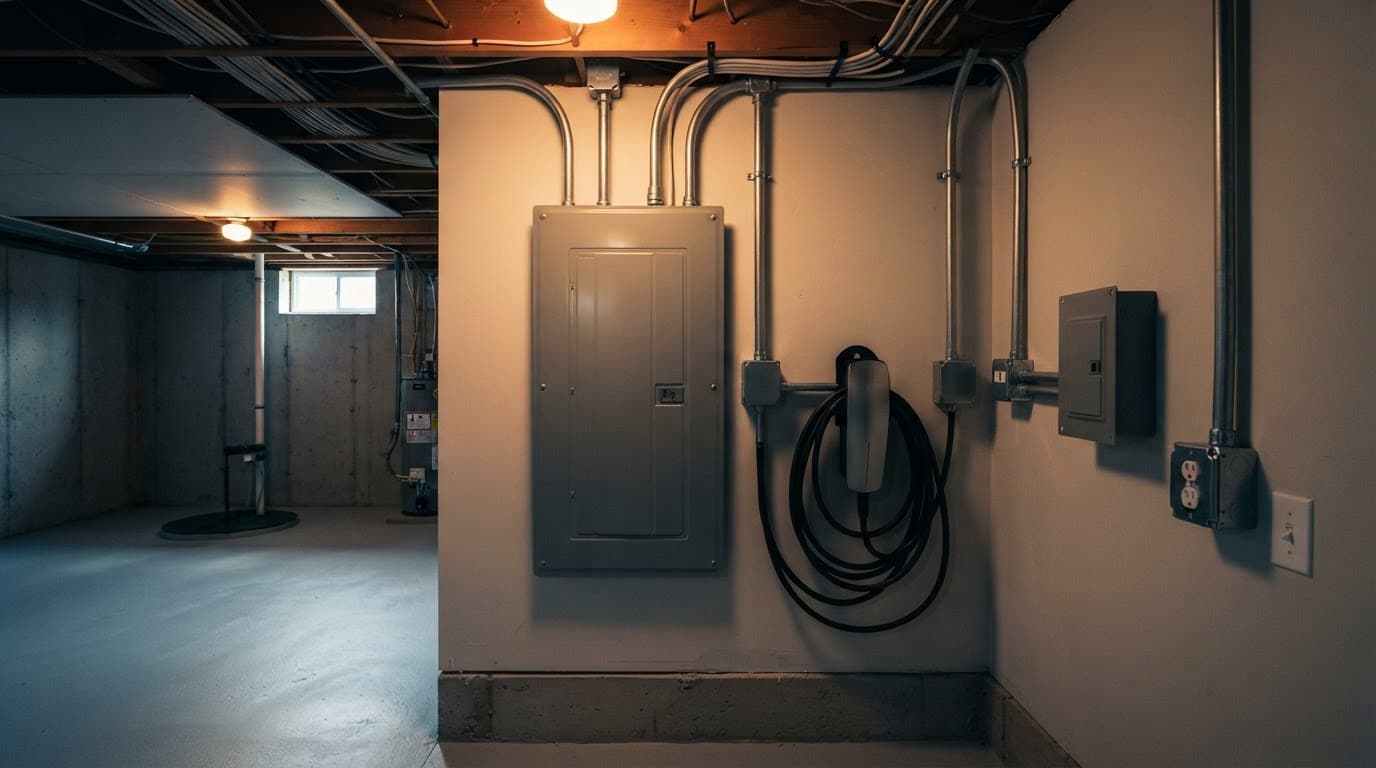
Keep the electrical panel, disconnects, junction boxes, and equipment accessible. Remove stored items that block the panel or limit the inspector's working space. A commonly applied panel clearance is about 30 inches wide, 36 inches deep, and 6.5 feet high, but the required space depends on the installation and applicable rules.
Have the permit number and project address available. Your electrician may also need approved plans, equipment specifications, load calculations, inspection cards, or other documents requested by the municipality.
How scheduling works in Massachusetts
Massachusetts has a statewide building code framework, but it doesn't have one uniform appointment system for every town. The building department in your community decides how residents request inspections and how the department communicates the appointment.
The statewide notice requirement
Under the Massachusetts State Building Code, commonly cited as 780 CMR, the permit holder or authorized agent generally must provide at least 24 hours' notice before a requested inspection. Local departments may set additional procedures, available time blocks, or documentation rules.
Your town may use an online portal, a phone line, email, or a department-specific form. Some departments schedule inspections in fixed time windows, while others have an inspector call the requester to confirm the appointment.
Ask these questions before you schedule:
- Which department handles the electrical final?
- Do you need the permit number, inspection card, or contractor information?
- Must the electrician or permit holder be onsite?
- Are electrical, plumbing, fire, or building finals required first?
- Is there a reinspection fee if the work doesn't pass?
Local examples show why details matter
Local practices can vary widely:
| Community | Example scheduling or closeout practice |
|---|---|
| Boston | Requests go through Inspectional Services, with the project address and permit number. The contractor should be onsite. |
| Marion | Wiring inspections are held Monday through Thursday during a listed afternoon window. Same-day scheduling may be possible if requested early. |
| Danvers | Electrical, plumbing, and fire sign-offs may need to appear on the permit card before the final building inspection. |
| Dennis | The town uses its own online system and publishes separate inspection time blocks, including different limits for solar work. |
These examples are local procedures, not statewide rules . Confirm the current process with your building department or licensed electrician before relying on a specific time, fee, or form.
What happens during the appointment?
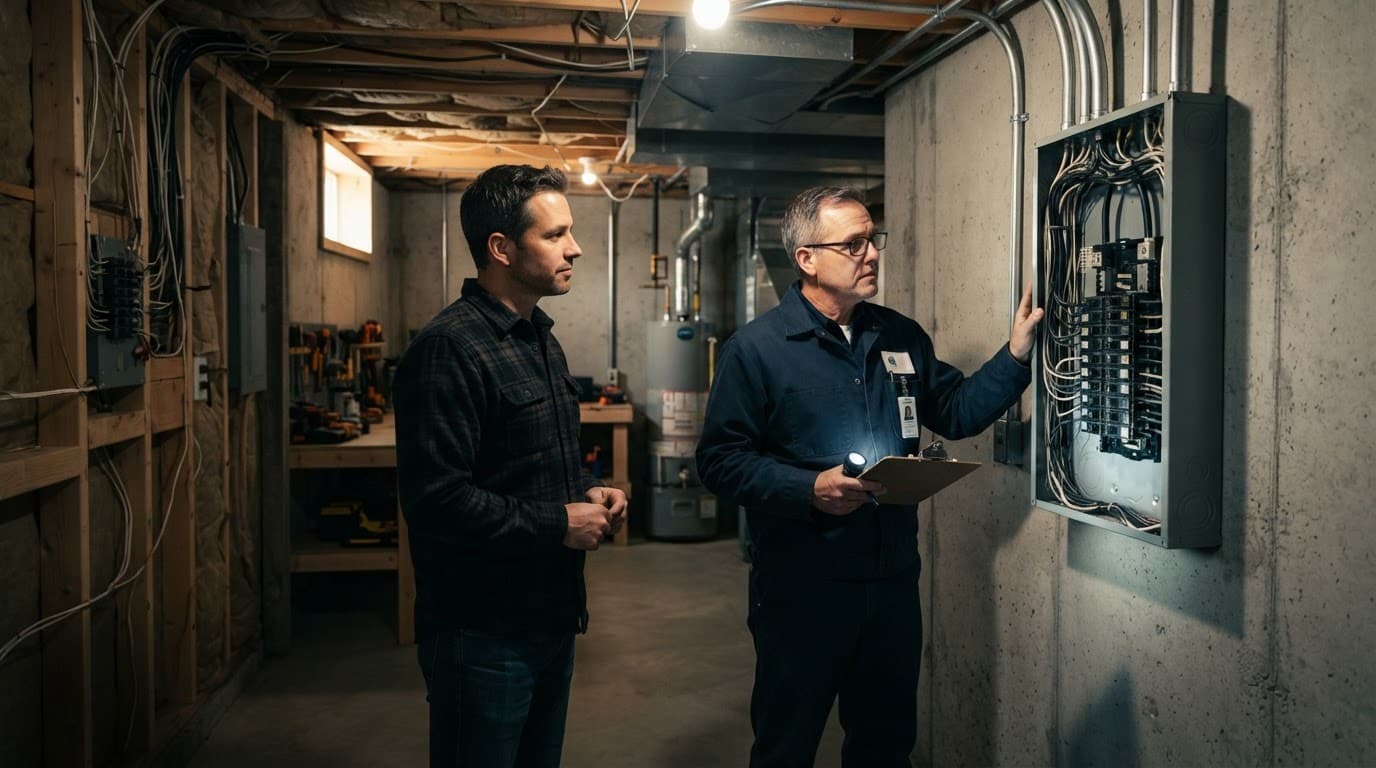
The inspector may begin by confirming the address, permit, and scope of work. The inspector then reviews the completed installation, often starting at the panel and moving through the areas affected by the permit.
The inspector reviews the finished system
During the visit, the inspector may open the panel, check terminations, review circuit identification, and verify grounding and bonding. Receptacles, switches, fixtures, and protective devices may also be checked or tested.
For equipment installations, the inspector may verify disconnects, wiring methods, clearances, and manufacturer requirements. The inspection focuses on the permitted work, although an unsafe condition connected to that work may require attention before approval.
The electrician can answer technical questions and make minor corrections when appropriate. Homeowners should avoid opening panels or attempting live electrical repairs during the visit.
The homeowner should stay available
If the municipality requires the permit holder or contractor to attend, make sure that person is present for the full appointment. Even when attendance isn't mandatory, someone should be available to unlock rooms, explain changes, and provide documents.
A final Massachusetts electrical inspection can end in approval, a conditional request for a minor correction, or a failed inspection requiring another visit. Ask the inspector what must happen next and how the department records the result.
Common reasons a final inspection fails
A failed inspection doesn't always mean the entire project is unsafe. It means the inspector found an incomplete, inaccessible, incorrect, or undocumented item that must be resolved before final approval.
Problems inspectors often find
Common issues include:
- The permitted work isn't fully complete.
- The panel directory doesn't match the installed circuits.
- The inspector can't access the panel, disconnect, equipment, or junction boxes.
- Required GFCI or AFCI protection is missing or doesn't operate correctly.
- Connections, grounding, bonding, or cable protection need correction.
- Equipment specifications, plans, load calculations, or signatures are missing.
- The installation differs from the approved permit scope.
- A required rough, underground, plumbing, or fire sign-off hasn't been completed.
- The responsible contractor or permit holder isn't onsite when local rules require attendance.
The inspector may provide a correction notice or explain the deficiencies verbally. Get the items in writing when possible, especially if more than one trade or contractor is involved.
A project can be electrically complete and still fail if the inspector cannot access the equipment or verify the required paperwork.
What happens after a failed inspection?
The electrician or permit holder corrects the listed items, then requests a reinspection through the local building department. Some communities charge a reinspection fee, while others handle it under the original permit. The amount and scheduling process vary.
Don't assume a failed final closes the permit automatically. Keep the permit active, complete the corrections promptly, and confirm that the inspector recorded the new result after the return visit.
What happens after approval?
Once the electrical inspector approves the work, the department records the final sign-off. Some municipalities update an online permit portal, while others use a paper inspection card or provide a written approval.
Permit closeout may require more than electrical approval
Electrical approval may be one step in a larger project closeout. A building department may wait for final plumbing, building, fire prevention, gas, or mechanical inspections before issuing a certificate of occupancy or letter of completion.
In Hopkinton, for example, the final certificate process depends on approval from the required building and fire officials. Marion also requires final trade inspections before issuing its completion documentation. Those examples show why electrical approval doesn't always mean the entire project is closed.
Boston advises permit holders to verify that the permit shows as closed after the inspection. Your local department may use a different process, so ask how to confirm completion.
Keep your records
Save the permit, inspection result, correction notices, equipment information, and final certificate with your home records. These documents can help during a future sale, renovation, insurance question, or warranty claim.
If you change the installation later, ask whether the new work needs another permit. Final approval applies to the work inspected under that permit. It doesn't automatically approve future additions or alterations.
Final takeaways for Massachusetts homeowners
A final Massachusetts electrical inspection is the last trade check for permitted electrical work, but the exact process depends on your city or town. Finish the work, clear access to every relevant component, gather the permit documents, and confirm whether the electrician must attend.
The safest path is to contact your local building department before scheduling. Then keep working with a licensed electrician who understands the permit scope and local inspection process. A passing inspection, followed by proper permit closeout, gives you a clear record that the completed electrical work received the required approval.