
Can You Run an Extension Cord Under a Rug? Safety Rules

Contact Us
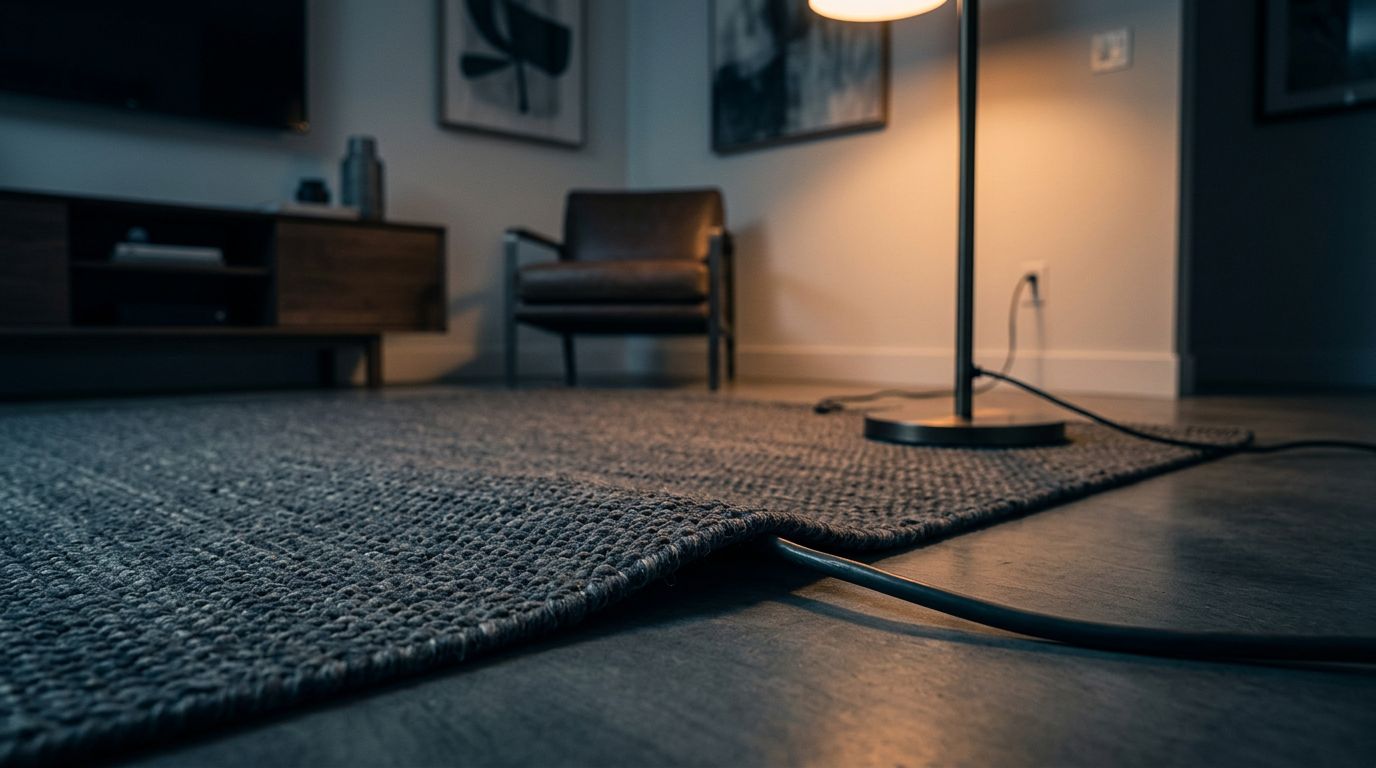
If you are asking whether an "extension cord under rug" can power a lamp safely, the answer is no . A rug can hide damage, trap heat around the cable, and turn a temporary power fix into a fire or shock hazard. Even a low-wattage lamp doesn't make the placement safe.
You can solve the problem without guessing at cord size or hoping nobody steps on it. The right solution depends on whether you need power briefly or require a permanent outlet.
Why an "extension cord under rug" setup is unsafe
An ordinary extension cord is a flexible cord designed for temporary use. It isn't designed to be buried beneath carpeting, covered by a rug, or used as a substitute for permanent building wiring.
National Electrical Code rules restrict flexible cords when they are concealed, run through floors, or exposed to conditions that can damage them. A cord hidden beneath a rug can create several problems at once.
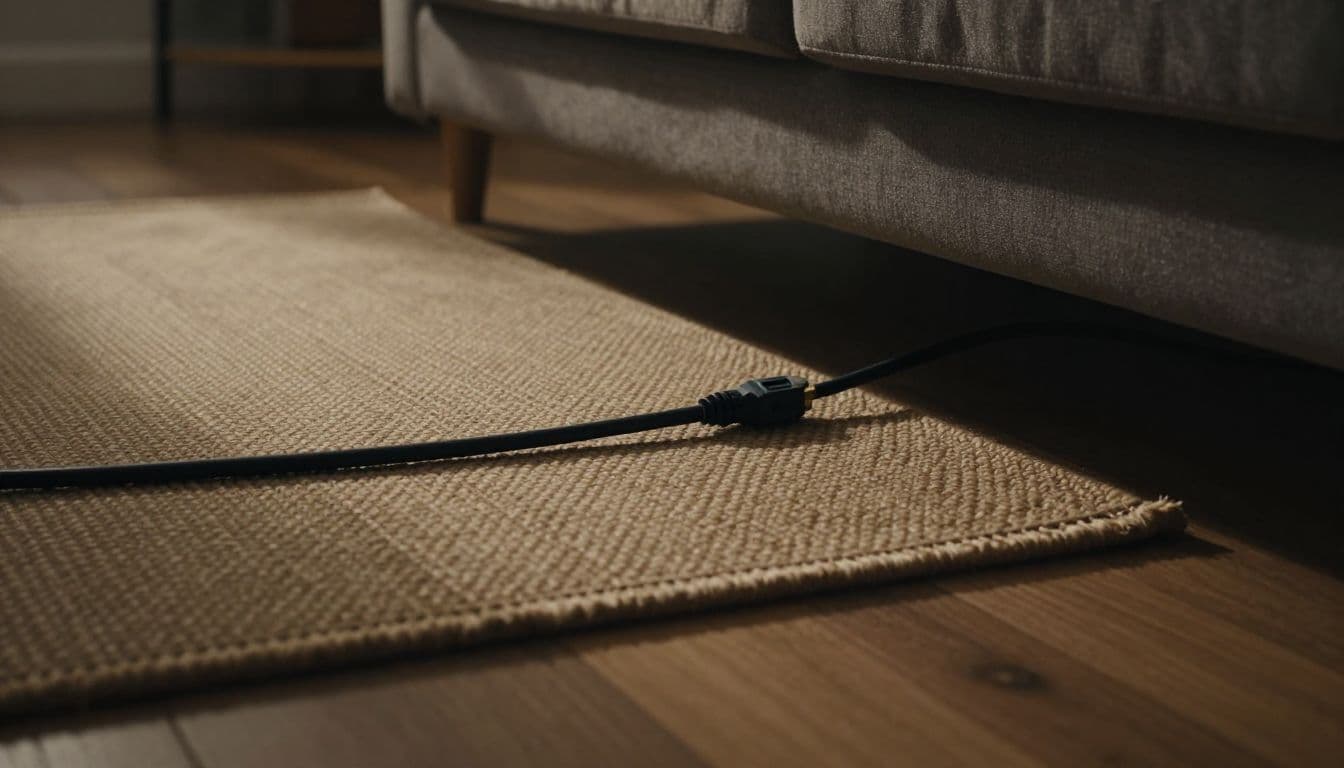
Foot traffic and furniture can flatten or crush the cable. The rug backing may rub against the insulation each time someone walks across it. Over time, that pressure can expose the conductors inside, creating a shock hazard or a path for arcing.
Heat is another concern. Cords naturally produce some heat while carrying current. A rug can reduce airflow, especially when the cord is tightly bent, partly coiled, overloaded, or connected to a high-wattage appliance. A damaged cord can heat up even faster.
The plug and connection point also need ventilation and protection. Hiding them under a rug makes it harder to spot discoloration, melting, fraying, or a loose connection. It also places the connection where people may step on it.
A flat extension cord is still a flexible cord. Its thin shape doesn't make it safe beneath a rug.
The same warning applies to power strips and multi-outlet adapters. Covering a power strip creates additional heat and hides several connections that may loosen or fail. A ground-fault circuit interrupter can reduce shock risk in certain conditions, but it doesn't make a rug-covered cord acceptable.
Some commercial installations use listed under-carpet power distribution systems. Those products have specific construction and installation requirements. They aren't the same as a regular extension cord, flat cord, or power strip.
Safer ways to power a lamp or appliance
If you need temporary power, route the cord where you can see and inspect it. Run it along a wall or behind furniture without pinching it. Keep it away from doorways, stairs, sinks, radiators, and areas where chairs or carts roll over it.
When a cord must cross a walkway briefly, use a listed floor cord cover designed for foot traffic. Install the cover according to its instructions, and keep the cord on top of the flooring. Don't cover the cord protector with a rug.
Choose an extension cord that matches the equipment and location. An indoor cord belongs indoors, while outdoor use requires a cord rated for outdoor conditions. Check the cord's current rating and the appliance's power requirements before connecting them.
Keep these basic rules in mind:
- Use the shortest practical cord, with a rating that meets or exceeds the equipment's needs.
- Uncoil the cord fully during use, especially when powering equipment that draws substantial current.
- Plug high-wattage heaters, air conditioners, and similar appliances directly into a properly rated wall outlet unless the manufacturer permits an appropriate extension cord.
- Never connect extension cords to one another or plug a power strip into another power strip.
- Don't staple, nail, or tightly tape a cord to a wall, floor, or piece of furniture.
- Stop using any cord with cuts, crushed sections, exposed wires, scorch marks, or hot plugs.
A cord that needs to run across the room every day indicates a permanent wiring problem. An electrician can install a new wall receptacle, add a floor outlet where permitted, or route wiring through the wall. Businesses may also need a code-compliant wiring plan that protects employees, customers, and equipment.
What to do if a cord has already been under a rug
Remove the rug and unplug the cord before inspecting it. Grip the plug rather than pulling the cable from the outlet. Look closely at the entire length, including both ends and the molded plug.
Replace the cord if you find any of the following:
- Flattened or sharply bent sections
- Cracks, cuts, fraying, or exposed wiring
- Burn marks, melting, or darkened plastic
- A plug or receptacle that feels hot
- A burning odor, buzzing sound, or visible sparking
Don't try to repair serious damage with electrical tape. Tape may cover the symptom while leaving the internal conductors unsafe. Replace the cord with a properly rated, listed product.
Check the wall outlet as well. Loose receptacles, heat marks, cracked faceplates, or repeated breaker trips need professional attention. If you see smoke or active sparking, move away from the area and call emergency services. Turn off the circuit at the panel only if you can do so safely.
If the cord was under a rug for weeks or shows signs of heat damage, arrange a home electrical inspection. An electrician can check the receptacle, connections, circuit loading, and nearby wiring for damage that isn't visible from the outside.
For a business, don't return a damaged setup to service while waiting for repairs. Mark the area, disconnect the equipment, and have a qualified electrician provide a permanent solution.
Conclusion
An "extension cord under rug" may seem like an easy way to hide an inconvenient cable, but the covering creates risks that aren't visible during normal use. Pressure, abrasion, trapped heat, and hidden connections can turn a small shortcut into an electrical hazard.
Keep temporary cords visible and protected with an appropriate floor cord cover. If you need the setup regularly, install a permanent receptacle or have an electrician route the wiring safely. A rug should cover the floor, never the power cord.