

Massachusetts Knob-and-Tube Insulation: What Comes First?

Contact Us
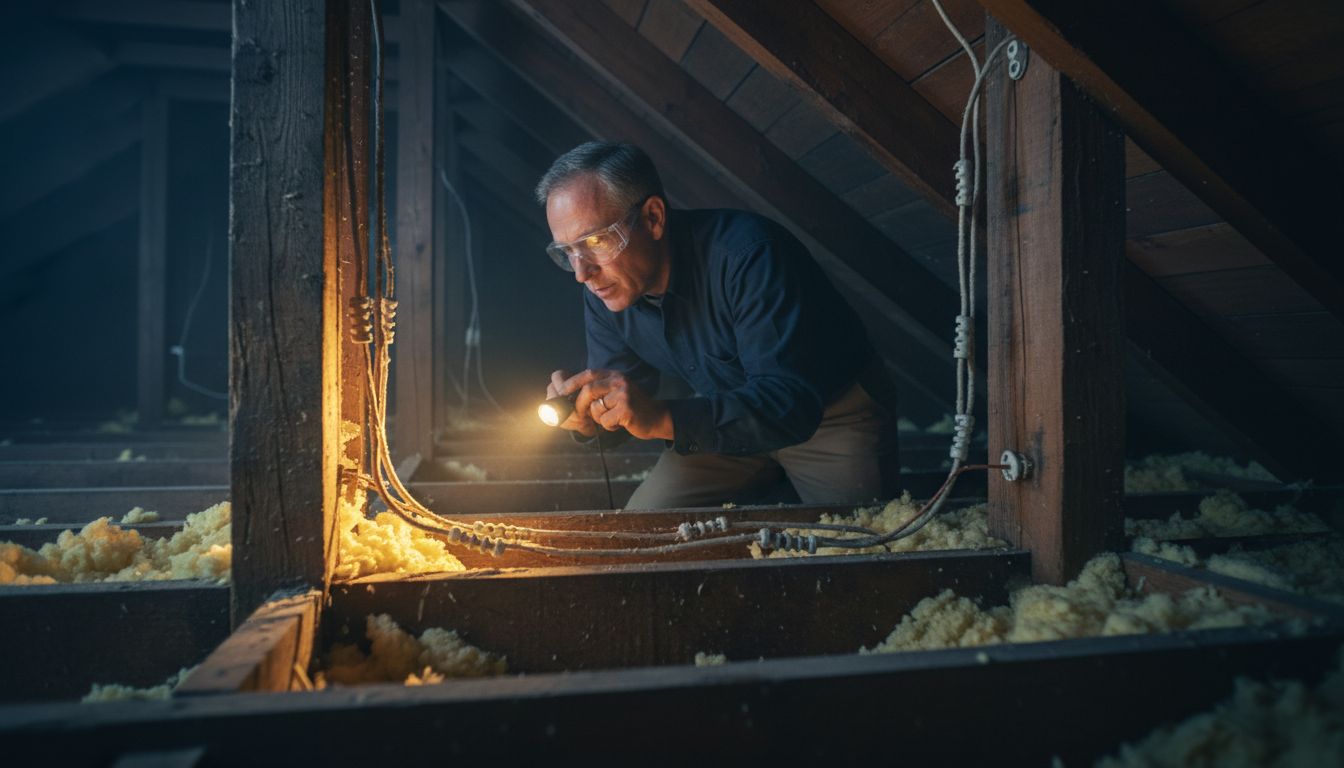
Insulation can lower heating costs, but in an older Massachusetts home, it can create a serious electrical hazard if it covers live knob-and-tube conductors. The practical answer for most Massachusetts knob-and-tube insulation projects is no, not while the wiring remains active. Mass.gov says insulation must not surround this obsolete wiring in a way that blocks heat from reaching free air space. Have a Massachusetts-licensed electrician evaluate the system before an insulation contractor starts work.
That evaluation may lead to a rewire, proper de-energization, or a decision to delay insulation. The right path depends on the wiring's condition, the areas it serves, and what your local building or electrical inspector requires.
Can You Insulate Around Knob-and-Tube Wiring in Massachusetts?
Usually, no, if "around" means burying or enclosing active conductors. Knob-and-tube wiring uses porcelain knobs and tubes to support separate conductors while leaving space around them for air circulation. Loose-fill, rolled, batt, or spray-foam insulation can change those heat-dissipation conditions when it fills the cavity around the wires.
Mass.gov's consumer insulation fact sheet says obsolete knob-and-tube wiring can't be surrounded by insulation that prevents heat from dissipating to a free air space. The warning is tied to fire safety, not comfort or energy performance.
Some code references describe narrow conditions under which certain loose or rolled insulation may be installed near existing knob-and-tube wiring after a qualified electrician surveys the system. Those references may reflect specific NEC provisions or enforcement practices in another jurisdiction. They aren't a blanket approval for Massachusetts homes.
Massachusetts public guidance and local insulation workflows generally take a stricter practical position. Active wiring must be removed, properly de-energized, or reworked before insulation covers the space. Boston guidance also allows insulation after remaining knob-and-tube wiring is inactive.
Therefore, don't rely on a few inches of clearance, a turned-off breaker, or a verbal assurance from an insulation installer. Ask a licensed electrician and your local building or electrical inspector to approve the plan for the actual installation.
Why Insulation and Active Knob-and-Tube Wiring Conflict
Knob-and-tube wiring was designed with air around the conductors. That open space helped heat dissipate as electricity moved through the wires. Insulation can surround the conductors and reduce that cooling effect.
Older wiring also deserves a condition check before any work disturbs it. Cloth or rubber insulation may have become brittle, while connections may be loose or altered. Previous owners may have extended circuits, connected newer wiring improperly, or protected old conductors with the wrong fuse or breaker.
Insulation can hide these conditions after installation. It can also make future troubleshooting harder, especially in an attic or behind finished walls. A circuit that appears to work normally may still have damaged insulation, loose connections, or improper modifications.
Covering active knob-and-tube wiring changes the heat conditions that the original installation depended on.
A homeowner shouldn't pull, push, cut, or rearrange insulation to expose old wiring. Handling deteriorated conductors can damage their insulation or expose energized parts. Leave the evaluation and any electrical work to a Massachusetts-licensed electrician.
Active and Inactive Wiring Changes the Answer
"Active" means the knob-and-tube wiring still carries electricity from the panel to outlets, lights, switches, or other equipment. A circuit can remain active even if you rarely use it. Turning off a wall switch doesn't change that status, and turning off a breaker doesn't provide the permanent evaluation or documentation an insulation project may require.
"Inactive" means a qualified electrician has disconnected or de-energized the wiring so it no longer supplies electrical loads. Porcelain knobs, tubes, or abandoned conductors may still remain in a wall or attic after a rewire, but their physical presence doesn't prove whether they carry current.
Many older Massachusetts homes contain a mixture of systems. A basement may have newer cable, while bedrooms, lighting circuits, or attic fixtures still use knob-and-tube wiring. A partial renovation also may have left old branch circuits connected in places the homeowner can't see.
If you're buying an older property, schedule an electrical inspection in Greater Boston before planning insulation or remodeling. An electrician can identify which areas need attention and whether the existing service and panel can support replacement circuits.
Ask for a clear written explanation of which circuits remain active, which areas require rewiring, and what the electrician will provide to the insulation contractor or inspector. That information prevents an insulation crew from discovering an electrical problem after materials and labor are already scheduled.
What a Massachusetts Electrician Should Inspect
The electrician's inspection should cover more than a quick look at visible wires. The goal is to establish whether the wiring is safe, active, properly protected, and suitable for the planned work.
The evaluation may include the following:
- Tracing branch circuits from the panel to switches, receptacles, lighting, and attic or wall spaces.
- Inspecting visible knobs, tubes, conductors, splices, connections, and signs of heat damage.
- Checking for cracked, deteriorated, or exposed conductor insulation.
- Reviewing fuses, breakers, circuit loading, and signs of improper overcurrent protection.
- Identifying newer wiring that someone may have connected to the old system.
- Determining whether active circuits should be replaced, disconnected, or left accessible.
- Documenting the result for the insulation contractor, Mass Save program, or local inspector.
The electrician may recommend replacing individual branch circuits instead of rewiring the entire house. In other cases, inaccessible runs, widespread deterioration, or extensive alterations may make a larger rewire more practical.
A panel upgrade may also enter the discussion if the home needs additional modern circuits. However, a larger panel doesn't fix unsafe branch wiring. The panel, service, grounding, and branch circuits each need separate evaluation.
Homeowners should not remove porcelain hardware, disconnect wires, replace fuses, or move conductors to make room for insulation. Those actions can create a shock or fire hazard and may complicate the inspection record.
What If the House Has Both Old and New Wiring?
A mixed wiring system doesn't automatically prevent insulation, but it requires careful circuit-by-circuit review. Newer cable in one section doesn't make active knob-and-tube wiring in another section safe to cover.
For example, an electrician may find that the first-floor receptacles have been rewired while an upstairs lighting circuit still uses knob-and-tube conductors. The insulation plan would need to account for the active upstairs circuit, even if the lower level appears fully modern.
A rewire may remove active conductors from the proposed insulation area. If abandoned knob-and-tube parts remain, the electrician must identify them as inactive and explain how the local authority wants them handled. Some installations may need to remain accessible, while others may be allowed to stay in place after proper de-energization.
The answer also changes when wiring runs through an area that won't receive insulation. A small uninsulated section doesn't give permission to cover active conductors elsewhere. The electrician and inspector should review the complete proposed work area, including attic floors, knee walls, exterior walls, and difficult-to-access cavities.
How Mass Save and Local Approval Affect the Project
Mass Save insulation and air-sealing projects have their own documentation requirements. The program workflow requires a licensed electrician to check the home and certify that no active knob-and-tube wiring remains before insulation work begins.
If the electrician finds active wiring, the insulation contractor may pause the project. The homeowner may then need electrical repairs, circuit replacement, or documented de-energization before the energy work can continue.
Boston's public guidance follows the same basic distinction. If knob-and-tube components remain after a rewire, insulation can proceed only when the system is inactive. Other Massachusetts communities may apply similar rules, but local enforcement and the existing installation still matter.
Before scheduling work, confirm who will arrange the electrical inspection, what certification Mass Save needs, and whether the electrical or building department requires a permit or follow-up inspection. Get those answers before buying insulation.
An insulation contractor can identify an electrical concern, but shouldn't make the final decision about whether active wiring is safe to cover. Electrical compliance belongs with the licensed electrician and the authority having jurisdiction.
What Insulation Can Be Installed After Correction?
Once an electrician confirms that active knob-and-tube wiring has been removed or properly de-energized, the insulation contractor can develop a plan for the attic or walls. The product may be loose-fill fiberglass, cellulose, fiberglass batts, or another approved material, depending on the building assembly and the contractor's recommendation.
The correction doesn't make every product suitable automatically. The insulation contractor still needs to check clearances around heat-producing equipment, recessed lights, chimneys, flues, junction boxes, and other electrical or mechanical components. Spray foam deserves particular caution because it can permanently surround wiring and make later inspection difficult.
There is no reliable flat price for a Massachusetts knob-and-tube insulation project. The electrical cost depends on the number of active circuits, access, panel capacity, wall repairs, and permit requirements. Insulation pricing depends on the area, existing material, air-sealing work, and chosen product.
Request separate, itemized estimates for electrical work and insulation. The written scope should identify which wiring will be replaced or de-energized, who handles inspections, and when insulation can begin.
Conclusion
The safe answer to Massachusetts knob-and-tube insulation is clear: don't cover active conductors with insulation. The wiring depends on heat dissipation through free air, and Massachusetts guidance treats blocking that airflow as a fire-safety concern.
Have a Massachusetts-licensed electrician inspect the system, identify every active circuit, and coordinate with the local inspector and insulation contractor. Once the wiring is removed or confirmed inactive, the insulation work can follow an approved plan. The insulation should never be the first step.