
Hardwired vs Battery Smoke Detectors for Greater Boston Homes

Contact Us
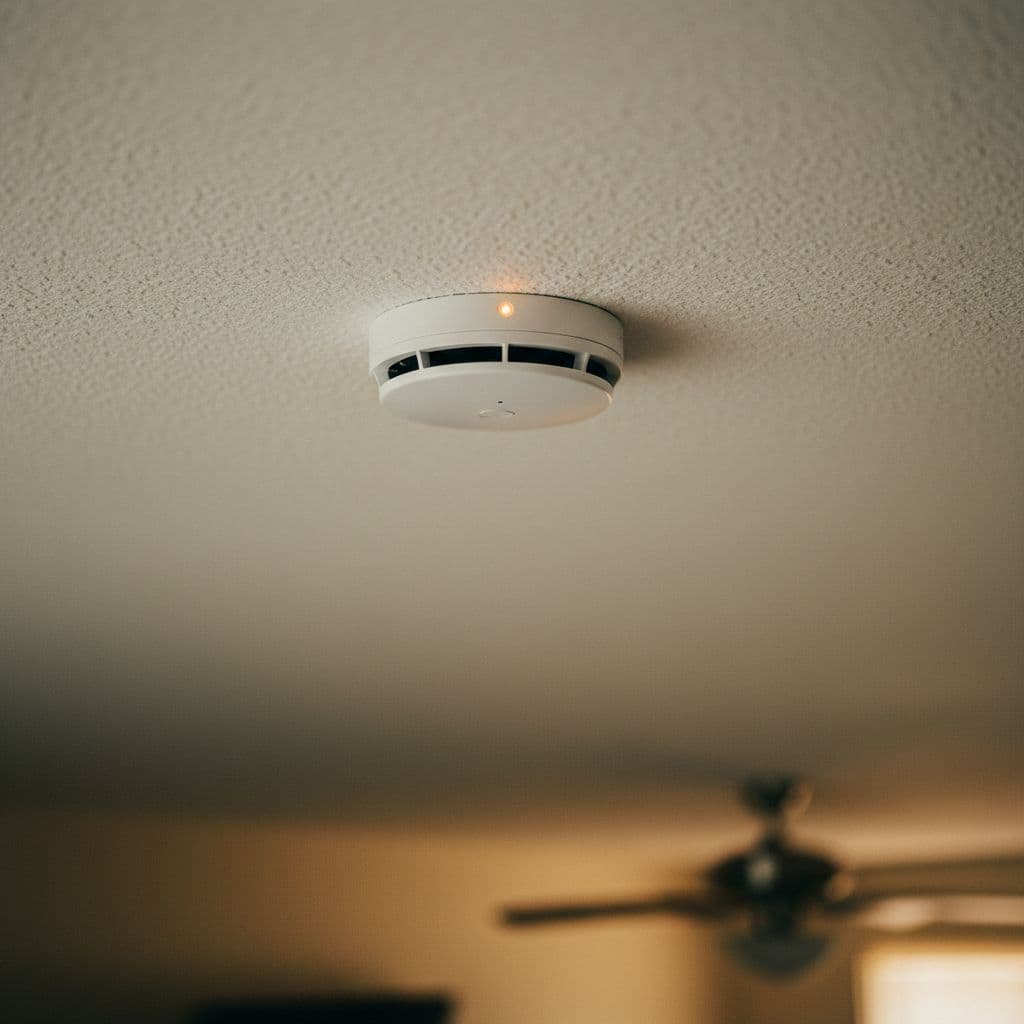
Smoke alarms are easy to ignore until they matter. In a Greater Boston home, the right setup can make a real difference during a kitchen fire, a basement electrical issue, or a problem in the middle of the night.
The choice between hardwired vs battery smoke detectors is not always simple. Older homes, multi-family buildings, remodels, and power outage worries all change the answer a little. The best option depends on how your home is built and what local code expects.
What hardwired and battery smoke detectors actually do
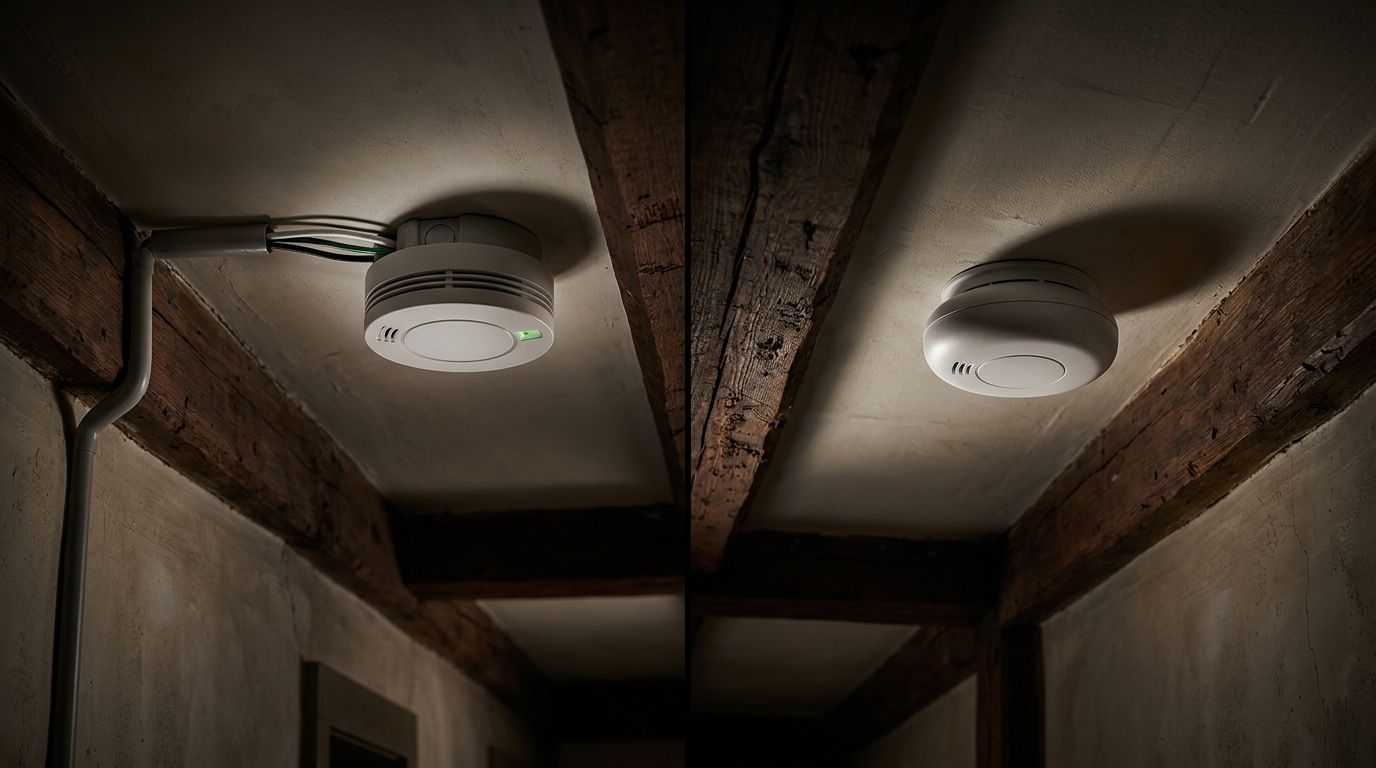
Hardwired smoke detectors connect to your home's electrical system. They still need a backup battery, because the alarm has to keep working if the power goes out. That backup is not optional in normal use, since the whole point is to keep protection alive when the lights go off.
Battery smoke detectors run on batteries only. In Massachusetts, battery-only units may be allowed in existing homes, but they often need a sealed 10-year battery if they are used. That makes them easier to place in homes where wiring is hard to reach.
The real difference is not just power. It is also how the alarms talk to each other. Hardwired units are often interconnected, so when one sounds, they all sound. That matters in a house with bedrooms on different floors or in a deep triple-decker where a beep in the basement should reach the third floor fast.
If you want a code-compliant system that is wired, placed, and tested the right way, professional fire alarm system installation is worth a closer look.
Why Greater Boston homes need a closer look
Older housing stock changes the conversation fast. Many homes in Greater Boston have plaster walls, finished attics, old panel upgrades, or tight ceiling cavities. In those homes, running new wire can be simple in one area and messy in another.
A classic New England home may have smoke detectors where they were added years ago, not where they should be today. That is common in older condos, two-families, and triple-deckers. The layout can also make battery-only alarms seem appealing, because they are faster to install.
Still, easier is not always better. Interconnected alarms matter more in homes with long hallways, basement levels, or bedrooms far from the kitchen. A battery alarm in one room may do its job, but it does not wake the whole house as reliably as a wired, linked system.
Power outages are part of life here, too. Winter storms, utility work, and a tripped breaker can all shut off parts of a home. Hardwired alarms with backup batteries keep working through those outages, which is a big reason many homeowners prefer them when the wiring is already in place.
Massachusetts also cares about where the alarms go. In general, alarms are required inside every bedroom, outside sleeping areas, and on every level, including the basement. When a home is being sold, current smoke alarm requirements can come into play, so the age and location of each unit matter as much as the power source.

A battery alarm may be allowed in an older home, but missing placement or an expired unit can still create a serious safety gap.
Hardwired vs battery smoke detectors, side by side
A direct comparison makes the tradeoffs easier to see. The right answer often depends on the condition of the home, not just the alarm itself.
| Feature | Hardwired Smoke Detectors | Battery Smoke Detectors | Best Fit |
|---|---|---|---|
| Power source | Home wiring plus backup battery | Battery only | Homes with or without easy wiring access |
| Alarm linking | Often interconnected | Usually stand-alone unless specially designed | Homes with multiple bedrooms or floors |
| Outage protection | Works during outages with battery backup | Works during outages if battery is good | Homes that lose power often |
| Installation | More work, especially in older homes | Faster and simpler | Quick upgrades or hard-to-wire spots |
| Maintenance | Test battery and system regularly | Replace battery or entire unit as needed | Homeowners who want low-hassle upkeep |
| Code fit in Massachusetts | Common in new homes and major remodels | Often allowed in existing homes when requirements are met | Depends on home age and project scope |
The table makes one point clear. Hardwired systems bring stronger whole-home coverage, while battery units offer flexibility where wiring is a problem. Neither choice is magic on its own. Placement, testing, and age still matter.
Which option fits your home best
For a newer home, a major remodel, or a service upgrade, hardwired detectors usually make the most sense. If the walls are already open, adding interconnected alarms is smart work. It also creates a cleaner long-term setup, because you are not chasing loose batteries in separate rooms.
For an older Boston-area home with plaster walls and limited access, battery-only alarms can be a practical fix. They are useful in places where new wiring would mean major patching, or where the budget is tight. They can also be the right answer for a short-term solution while other electrical work is planned.
If your home has more than one floor, bedrooms spread far apart, or a finished basement, interconnected hardwired alarms are usually the stronger choice. That layout needs faster warning across the whole house. A single alarm that only protects one area leaves too much to chance.
Budget matters, but so does long-term reliability. Battery alarms may cost less up front, yet they rely on the homeowner to stay on top of battery life and replacement dates. Hardwired systems cost more at the start, but they are harder to neglect when they are installed and maintained properly.
The best next step is simple. Match the alarm type to the building, not just the price tag. Then confirm the current requirement with your local fire department, building department, or a licensed electrician before you buy parts or open walls.
Practical recommendations for Boston homeowners
If you are deciding today, start with the shape of the project. If the house is already open for a remodel, hardwired interconnected alarms are usually the best investment. If the home is older and the walls stay closed, battery units may be the cleanest path to compliance and safety.
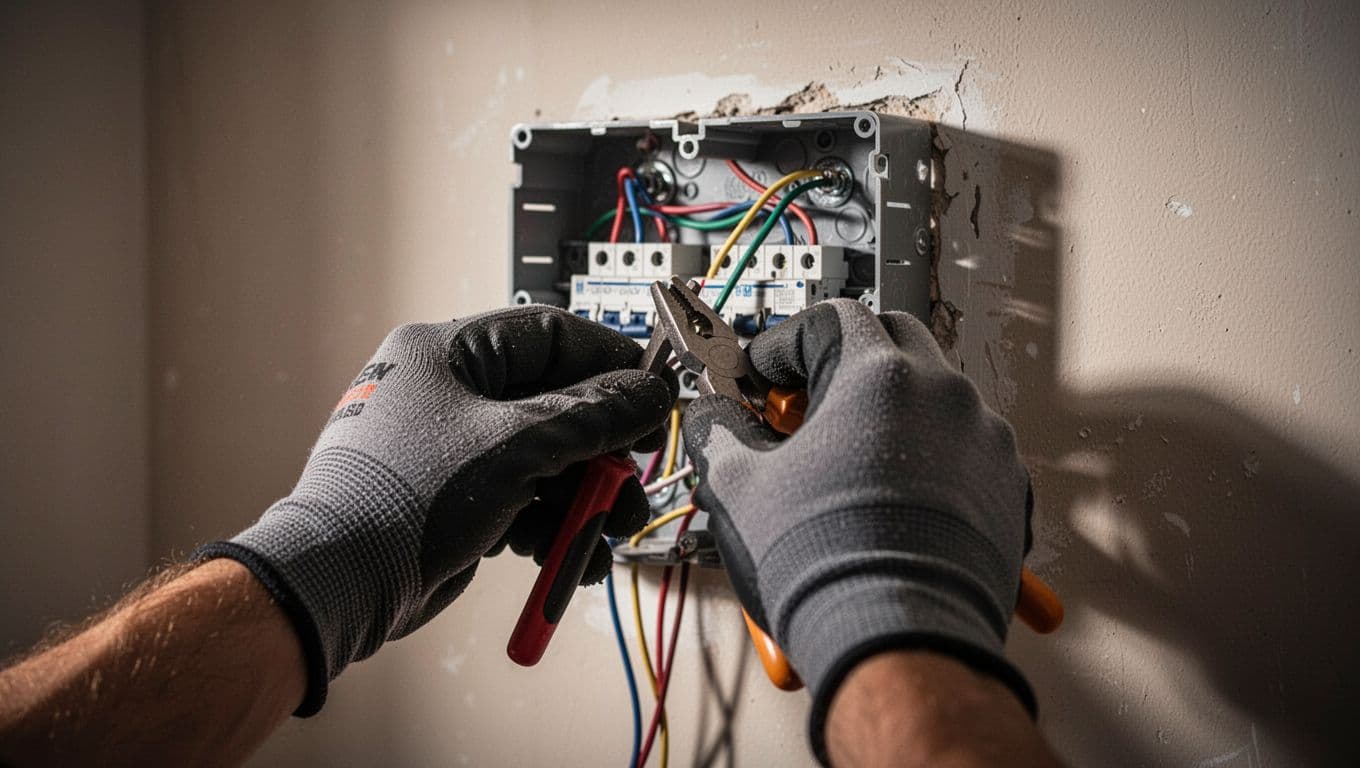
If you are unsure what your wiring can support, a licensed electrician can look at the panel, the ceiling access, and the room layout. That review matters in older homes because one floor may be easy to wire while another needs a different approach.
A good upgrade plan also checks the age of each alarm. Smoke detectors do not last forever, and a unit that is older than 10 years should be replaced. In practice, that means the safest house is not the one with the most alarms. It is the one with alarms that are placed well, linked where needed, and still within their service life.
A few quick questions can help you decide:
- Can the home be wired without major damage? If yes, hardwired is often the better long-term choice.
- Is the house older with limited wall access? If yes, battery units may be the practical route.
- Will the project include a remodel or service upgrade? If yes, wiring smoke alarms at the same time is usually easier.
- Do outages happen often where you live? If yes, hardwired units with backup batteries offer strong coverage.
Conclusion
The hardwired vs battery smoke detectors choice comes down to the home in front of you. In Greater Boston, that means thinking about age, wiring access, multi-level layouts, and whether the house is staying the same or getting updated.
Battery alarms can be the right fit in older homes and tight spaces. Hardwired, interconnected alarms are often the better answer for remodels, newer construction, and homes that need the strongest whole-house warning. The safest setup is the one that fits your building and meets current expectations.