
Why a Buzzing Light Switch Matters in Greater Boston

Contact Us
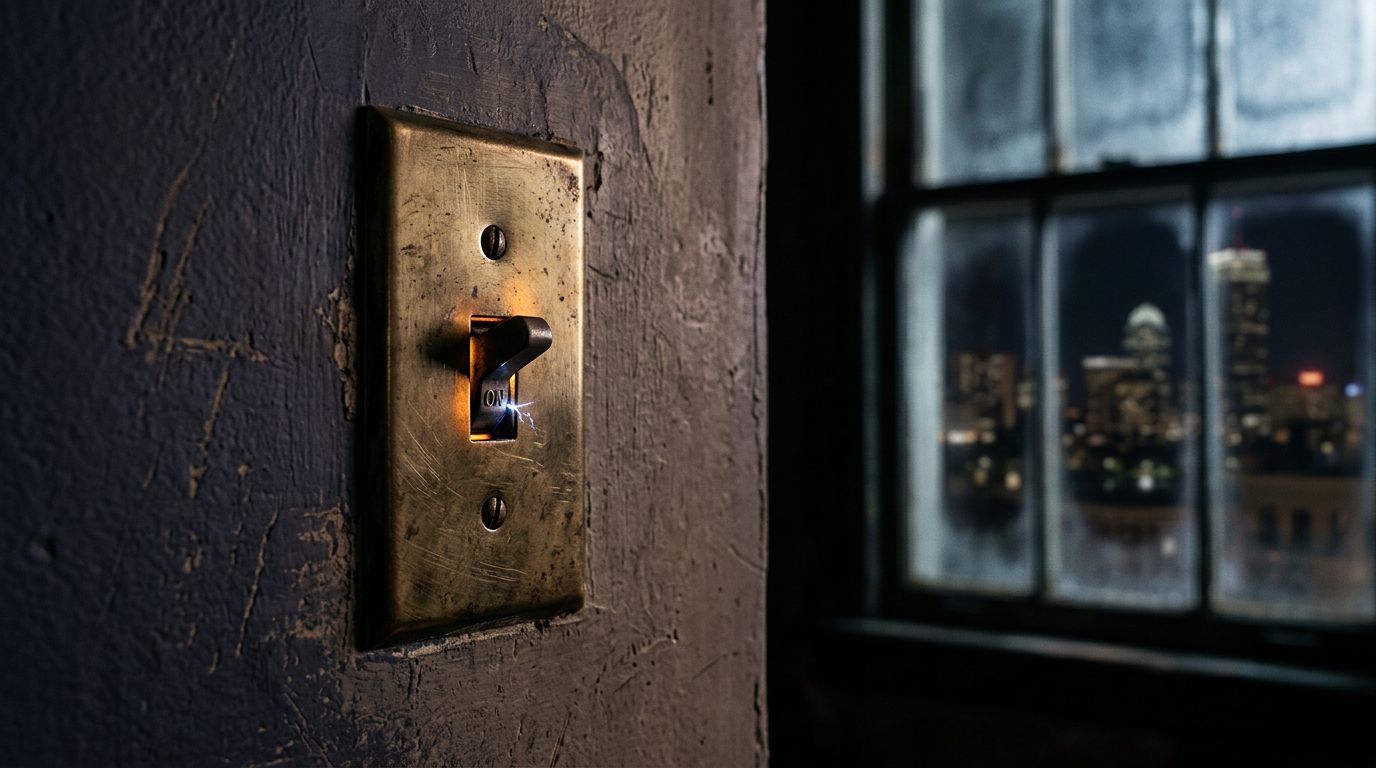
A buzzing light switch is easy to ignore, until it starts changing sound, feeling warm, or making the lights flicker. In Greater Boston, that noise shows up more often in older homes with aging wiring, tired switches, and past repairs that never got updated.
The sound may be faint, but it rarely means nothing. Electrical parts should work quietly. When they don't, the problem can range from a loose connection to a failing switch or a circuit that is carrying too much load.
This is the kind of issue that deserves a calm, careful look, especially in homes that have seen decades of use. Here's what the noise can mean and when it crosses into a safety concern.
Why a light switch buzzes at all
A switch should open and close a circuit without making a sound. When you hear a buzz, electricity is usually meeting resistance somewhere along the path.
That resistance can come from worn internal contacts inside the switch. It can also happen when screws loosen over time or when a wire connection starts to fail. In those cases, the switch may hum, rattle, or chatter when the light is on.
Dimmers can buzz too. Some dimmers work poorly with certain LED bulbs, and the result is a steady hum that seems to come from the wall plate. That sound is often annoying, but it still points to a mismatch or a failing part.
The noise may also come from the fixture instead of the switch. That matters, because the switch often gets blamed first. In reality, the problem can sit in the box, the wiring, or the light itself.
A buzzing sound is a clue, not a diagnosis. If it gets louder over time, the circuit likely needs attention.
Why older Boston homes hear it more often
Older housing stock in Boston, Cambridge, Somerville, Brookline, Quincy, and nearby towns can make this issue more common. Many homes have had partial updates over the years, which means new fixtures sometimes sit on top of old wiring.
That mix can create weak points. A switch may be newer, but the wiring behind it may still be old. In some homes, the box is crowded, the device is worn, or the circuit was stretched to handle more lights than it was built for.
Even when the wiring is still safe, age takes a toll. Screws loosen, insulation gets brittle, and connections shift with years of use. A switch that worked fine for years can start buzzing after a remodel, a bulb change, or a new fixture install.
In an older home, a small sound can point to a larger wiring problem behind the wall.
If you own an older place, a home electrical inspection in Greater Boston can help find loose connections, overloaded circuits, or parts that should be replaced before they fail.
That kind of inspection is especially useful after renovations. New lighting on old wiring can expose problems that were easy to miss before.
When buzzing turns into a safety issue
Some buzzing switches are just irritating. Others are a warning that something is heating up or arcing inside the wall.
If the switch feels warm, stop using it. If you see sparks, stop using it right away. If the room smells burnt or the lights flicker when you touch the switch, the problem needs fast attention. A steady buzz that turns into crackling is also a bad sign.
Heat usually means resistance. Resistance creates friction in the electrical path, and that can damage the switch or the wire insulation around it. Sparks point to arcing, which is electricity jumping where it should not. That can lead to more serious damage if the switch stays in service.
A breaker that trips when the switch is used is another warning. So is a switch that works only part of the time. The issue may be minor at first, but electrical problems often get worse, not better.
If you notice any of these signs, turn off the circuit if you can do it safely, then stop using the switch. Do not keep flipping it to see if the noise goes away. That habit can make a bad connection worse.
What a licensed electrician looks for
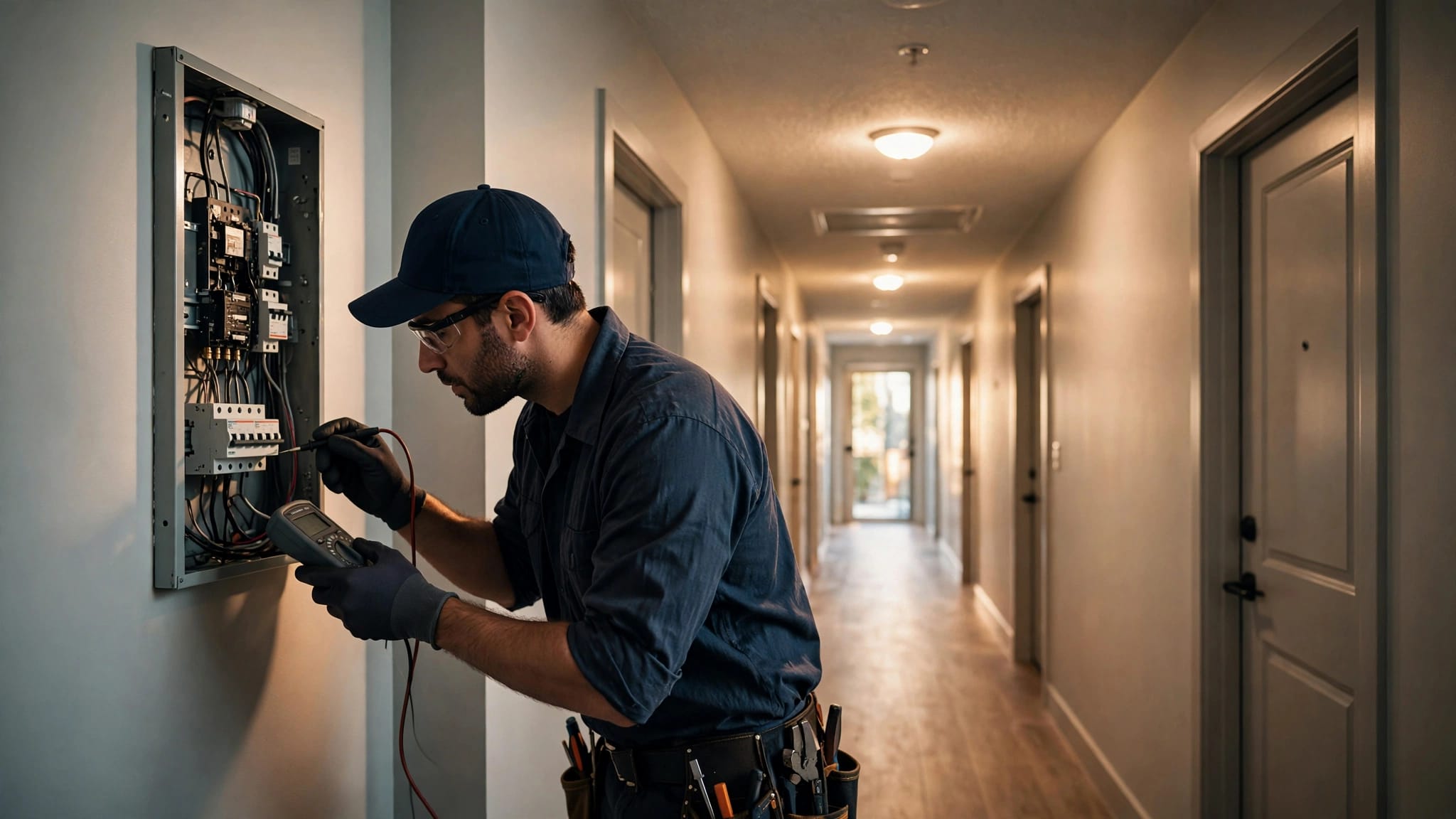
A buzzing switch is one of those problems that looks small and can hide something bigger. A licensed electrician will start by checking the switch itself, then work outward through the circuit.
That usually means looking at the device type, the wire connections, the box fill, and the load on the circuit. If the switch is part of a dimmer setup, compatibility matters too. The wrong dimmer can hum even when everything else is wired correctly.
An electrician also looks at the panel and nearby devices. Sometimes the buzzing starts at one switch, but the real issue is elsewhere on the circuit. A loose neutral, a worn breaker, or another fixture pulling too much power can put stress on the whole line.
In older homes, thermography can help spot a hot connection that a quick visual check might miss. That matters because some failures happen before there's visible damage. A warm spot inside a wall can tell the story early.
The goal is not to guess. The goal is to find the source and replace the failed part before it creates more heat or damage.
How to keep the noise from coming back
Once the issue is fixed, the best way to avoid a repeat is to address the weak point, not just the symptom. If the switch was worn out, replacement is usually straightforward. If the circuit is overloaded, the fix may involve a better load balance or a different lighting setup.
LED bulbs deserve special attention. Many older dimmers were made for incandescent lights, so they can buzz when paired with modern bulbs. A proper dimmer match often solves that problem fast.
If the switch was part of an older remodel, hidden wear may still be waiting in the box or on the circuit. That's why a quick visual patch is rarely enough when the sound keeps coming back.
A few simple habits help too:
- Pay attention to when the buzzing starts, such as only with one lamp, or only when several lights are on.
- Stop using the switch if the sound changes or grows louder.
- Replace switches that feel loose, warm, or sticky.
- Ask about a circuit review if the home has older wiring or recent lighting upgrades.
These steps don't require guesswork, and they can help you catch a problem before it turns into a bigger repair.
Conclusion
A buzzing switch is your home telling you something is off. In Greater Boston, older wiring and worn devices make that message more common, especially in houses that have been remodeled in pieces over time.
If the switch is warm, sparking, or giving off a burnt smell, treat it as urgent. If it only hums now and then, it still deserves a professional look before the problem grows.
Quiet switches are normal. A buzzing light switch is not background noise, it's a warning worth hearing.