

How to Read a Massachusetts Electrical Inspection Report

Contact Us

An inspector's visit is over, but the paperwork says "completed" rather than "approved." Can you close the wall or use the new equipment? Those words may mean different things.
A Massachusetts electrical inspection report tells you what was inspected, what the inspector recorded, and what may still need attention. Its format varies by municipality, so the safest first step is to match the result to your permit and ask the local inspector or your licensed electrician about anything unclear.
What a Massachusetts electrical inspection report covers
A municipal inspection record documents a visit for work under an electrical permit. It might be a paper card, a portal entry, an emailed notice, or a written correction list. Some towns provide little more than a status and date; others include detailed comments.
Municipal inspection versus a private evaluation
First, check who produced the document. A local Inspector of Wires reviews permitted work for the municipality. An electrical contractor may also provide a separate safety assessment of a home's or business's existing system, with repair recommendations.
Those documents answer different questions. A municipal approval applies to the work inspected under that permit. It doesn't certify every circuit in the building or approve later changes. Meanwhile, a contractor's assessment doesn't replace a required municipal inspection. Sirois Electric's residential and commercial electrical inspections can help identify conditions beyond the scope of a particular permit.
Rough, final, and other inspection stages
A rough inspection generally happens before new wiring disappears behind insulation or drywall. A final inspection reviews the completed installation. Service work, trenches, or specialized equipment may call for additional visits, depending on the job and municipality.
Check the inspection type before interpreting the result. A passed rough inspection allows the project to move past that stage when the inspector authorizes it; it isn't final approval for unfinished devices or equipment. Don't cover work until the required inspection is approved and your electrician confirms it can be concealed.
Match the report to the right permit and property
Start at the top of the record, even if the finding farther down looks urgent. A report for the wrong address, permit, or inspection stage won't reliably tell you where your project stands.
Check the identifying details
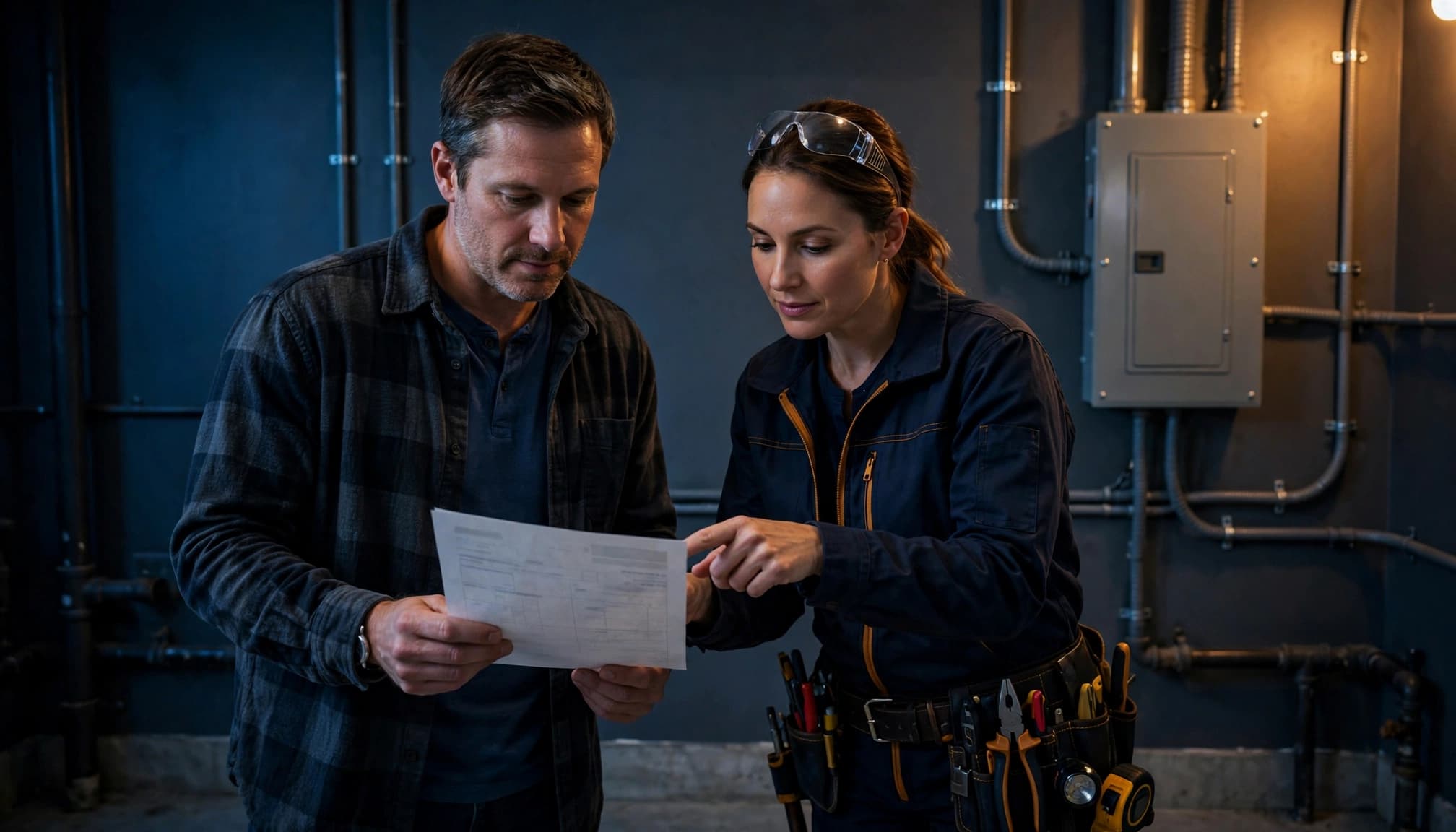
Look for the job address, permit number, permit holder, inspection date, and type of inspection. Some records also name the owner, electrician, or requested work. Truro's electrical inspection request form, for example, asks for a permit number, job location, electrician, and requested inspection type. That's an example of local paperwork, not a statewide report template.
Compare those details with the electrical permit and your contract. If a contractor renovated your kitchen, confirm that you're reading the electrical record, not just the building permit. A general contractor's building permit doesn't automatically cover the electrical work.
If information is missing or inconsistent, ask the permit holder and building department to reconcile it before relying on the result. A typo may be simple to fix, but you shouldn't guess which inspection entry belongs to your project.
Compare the stated scope with the work done
The permit description may say "panel replacement," "new circuit," or "tenant fit-out." Read it against what was installed. If the electrician also connected a generator or added an EV charger, ask whether that work falls under the listed permit or another filing.
This matters because an approval is limited to the work reviewed. For a business, electrical approval may also be only one part of a larger closeout involving building or fire-related permits.
Understand the result before assuming the job passed
There isn't one Massachusetts-wide inspection report layout or universal set of status labels. Read the result together with the inspector's comments and the municipality's permit record.
These common terms call for different follow-up:
| Wording you may see | What to confirm |
|---|---|
| Approved or passed | Whether this inspection stage is approved and any other visits remain. |
| Completed or inspected | Whether a visit occurred and whether the work received approval. |
| Failed or corrections required | Which items need work and how to request another inspection. |
| Pending or scheduled | Whether the inspection has happened and when a result will be posted. |
The wording alone may not settle every question. Hopkinton, for example, tells permit holders that a completed inspection doesn't automatically mean approval.
Read comments beside the status
A correction note may apply to one circuit, a panel, or an entire inspection stage. Look for a location, equipment name, required action, and any reference the inspector included. Don't treat an empty comment field as proof of approval if the status remains unclear.
If the inspector gave verbal directions, ask how the municipality records them. Have the electrician confirm the precise work required before anyone schedules a return visit. An inspector's explanation is more reliable than guessing what a brief portal note means.
Find the official result in your town
Ask the building department where it posts electrical results. Massachusetts offers an IPS Customer Portal for inspection requests, but towns may use their own systems or paper records. Westfield, for example, says users can track inspections and print reports through its OpenGov system.
The municipality handling your permit is the place to verify approval. A scheduling confirmation, contractor invoice, or photo of completed work doesn't establish that the inspector signed off.
Translate findings into a repair plan
Inspection notes are often short because they're written for the contractor who knows the installation. You can identify the affected area and ask better questions, but a licensed electrician should assess the technical fix.
Separate the location from the required correction
If a note mentions a panel, ask which panel and which part of the installation it concerns. A comment about grounding or bonding needs a different response than one about blocked access or missing circuit identification. Likewise, a note about GFCI protection doesn't tell you by itself which device or circuit needs attention.
Ask your electrician to explain three points in plain language: what the inspector observed, what must change, and whether other work depends on that correction . Request clarification from the inspector when the written comment leaves the requirement uncertain.
Avoid opening a panel, moving wiring, or testing a suspect circuit yourself. If you notice smoke, sparking, or another immediate hazard, keep clear and contact appropriate emergency help and a qualified electrician.
Check which rules apply to the permit
Massachusetts electrical installations follow 527 CMR 12.00 , the Massachusetts Electrical Code, which incorporates NFPA 70 with state amendments. The 2026 edition applies to installations with permits granted after April 24, 2026, according to the state's code materials. A permit granted earlier may be governed by a different edition; confirm the applicable rules with the local inspector.
Code references can help an electrician locate a requirement, but they don't describe every site condition. If your finding concerns a service change or new equipment, the 2026 Massachusetts electrical code updates provide context for homeowners. The inspector's direction on your permitted installation still controls the next step.
Handle corrections and reinspection without losing track
A failed inspection doesn't necessarily mean the whole installation must be replaced. It does mean the identified work needs a professional assessment, a correction, or clarification before the inspector can approve that stage.
Put the licensed electrician in charge of the fix
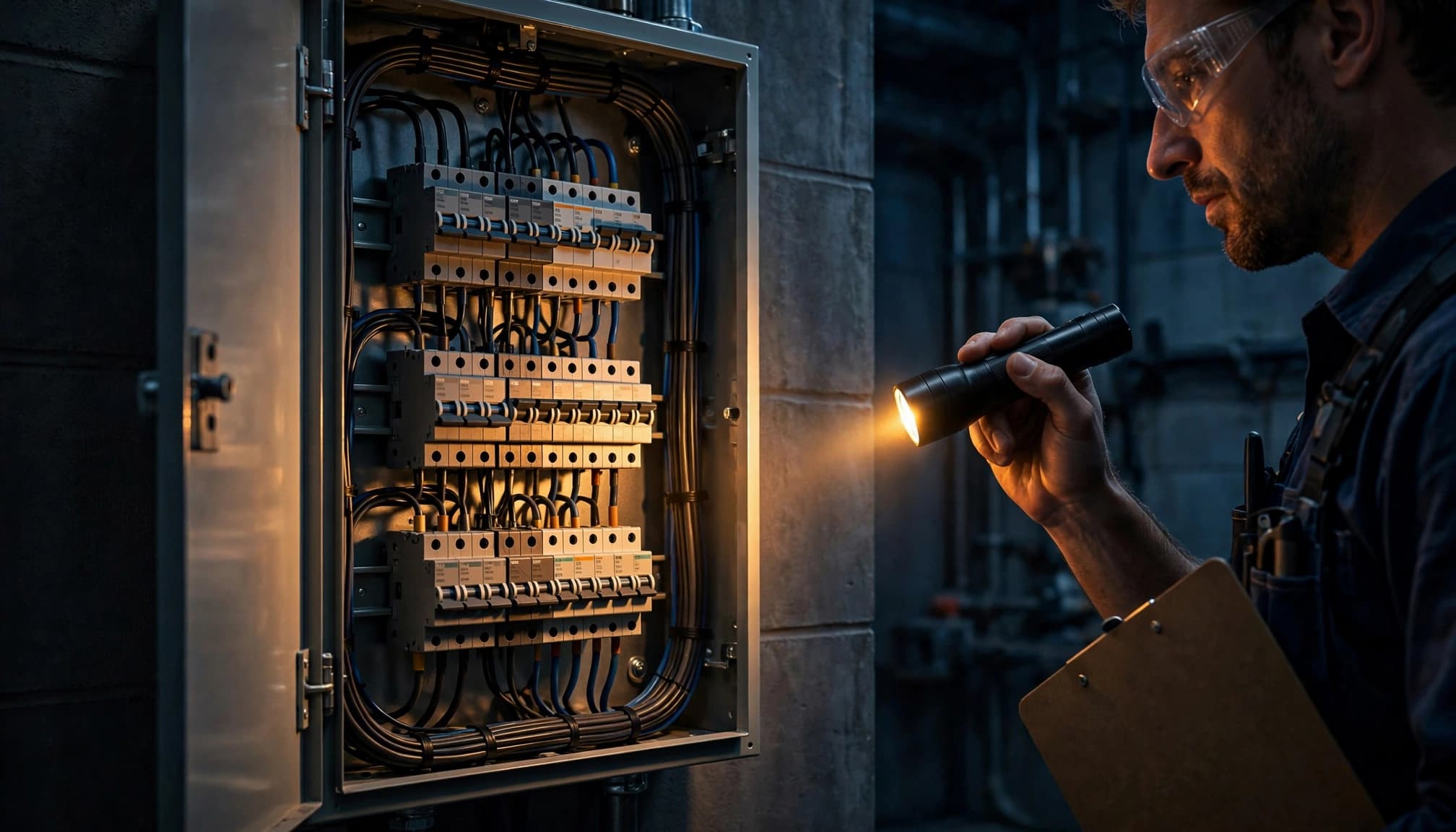
Send the report to the electrician responsible for the permitted work. Ask for a written explanation of the corrections, the expected effect on the schedule, and who will contact the inspector. Massachusetts licenses electricians through the Board of State Examiners of Electricians; electrical repairs should be handled by properly qualified professionals.
For example, a panel finding might call for more than a breaker swap. The electrician may need to evaluate the panel, service, grounding, or available working space before proposing a fix. If replacement is warranted, electrical panel installation and replacement is a separate project to plan with the contractor and permit office.
Confirm the local return-visit procedure
Find out who can request reinspection and whether the inspector needs the contractor onsite. Also ask how the department handles additional fees. Pelham's permit application lists a $40 reinspection fee, but that is Pelham's fee , not a Massachusetts-wide charge.
Keep affected work accessible until the electrician and inspector say it can be covered. After the correction, get the new inspection result rather than assuming a repair automatically clears the earlier finding.
Verify approval and save the complete record
Once the report shows approval, check whether it covers the final electrical inspection or only an earlier stage. Ask the local building department whether the electrical permit is closed and whether any related permits or sign-offs remain open. For a commercial fit-out, those other approvals can matter to occupancy even after the electrical work passes.
Save the permit, inspection results, correction notices, and final approval with your property records. If a portal entry changes after a revisit, keep the updated result. These documents help a future electrician understand the permitted work and give a buyer or property manager a clearer history.
A municipal sign-off is evidence of approval for the inspected scope, not a promise that every electrical component will remain trouble-free. Continue to have new symptoms or later alterations assessed by a licensed electrician.
Key takeaways
- Match the report's address, permit number, scope, and inspection stage to your job.
- Confirm that "completed" means more than a visit occurred before treating the work as approved.
- Give correction notes to a licensed electrician, and ask the inspector about unclear requirements.
- Verify final approval and permit closeout with the municipality, then keep the records.
Frequently asked questions
Does a completed Massachusetts electrical inspection mean the work passed?
No. "Completed" may describe the visit rather than its outcome. Hopkinton explicitly distinguishes a completed inspection from an approved one. Check the status and comments, then ask the local office if the record doesn't clearly state whether that stage passed. Until you have confirmation, don't assume the work can be covered or that the permit is closed.
Can I fix a finding myself and request another inspection?
Electrical corrections should be assessed and completed by a properly licensed electrician. The permit holder or contractor may also need to coordinate the return visit under your town's procedures. Send the exact note to the electrician first, rather than purchasing a part or changing wiring based on a short description. Ask the permit office who is authorized to request reinspection.
Why does my neighbor's inspection report look different?
Massachusetts sets the electrical code framework, but municipalities manage their own records and inspection procedures. Even within one town, a rough inspection card may look different from a detailed final correction notice. Inspectors may record findings in different ways, too. Compare the document with your permit and ask the local office how it communicates official results.
The bottom line
An inspection visit answers little until you know its result, scope, and next step . Match the report to your permit, confirm what the municipality approved, and let a licensed electrician interpret and correct technical findings.
If the paperwork says only "completed," don't guess. Ask the inspector's office whether the work passed and keep the final record once it does.