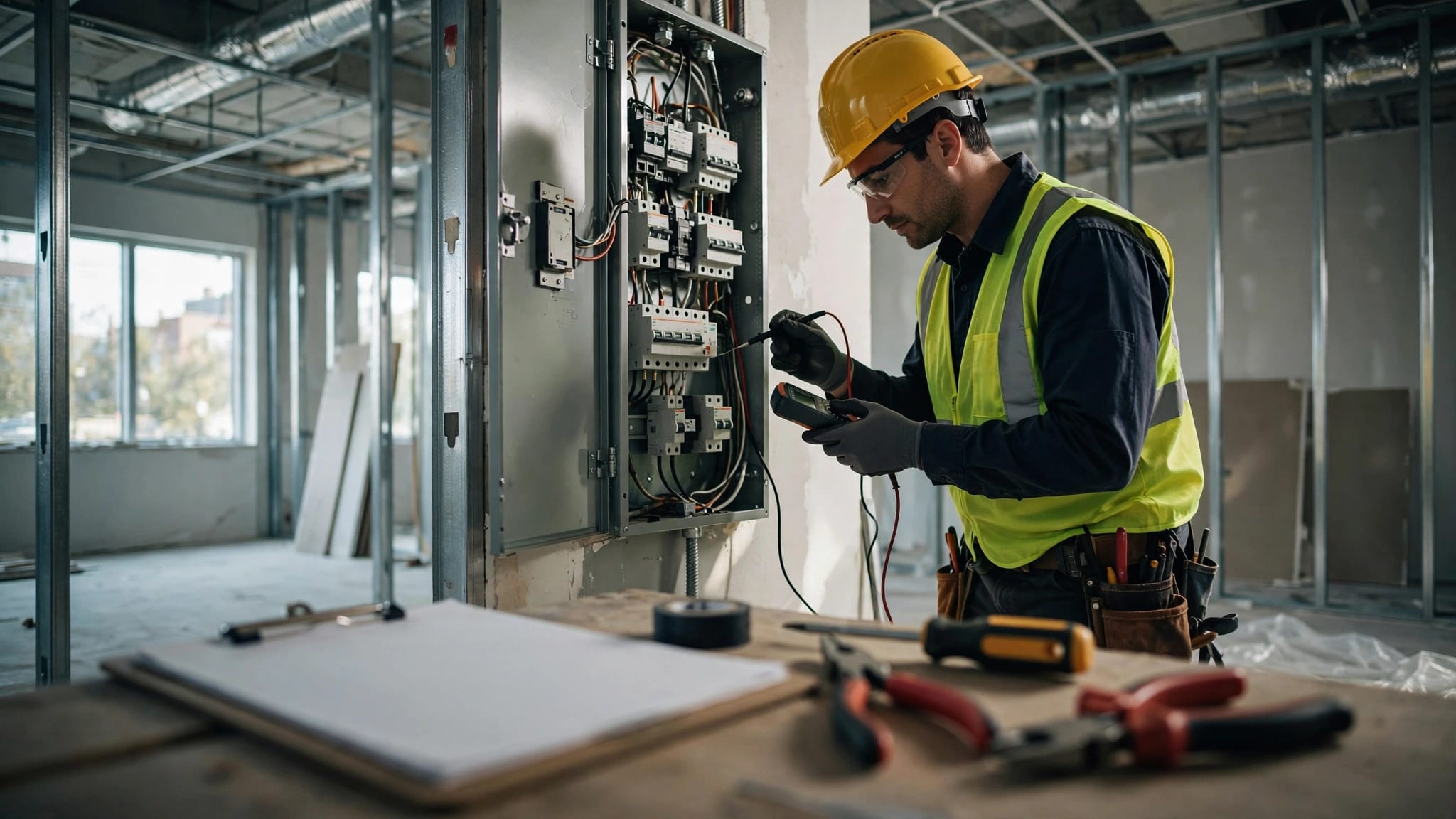

Who Pulls an Electrical Permit in Massachusetts?

Contact Us
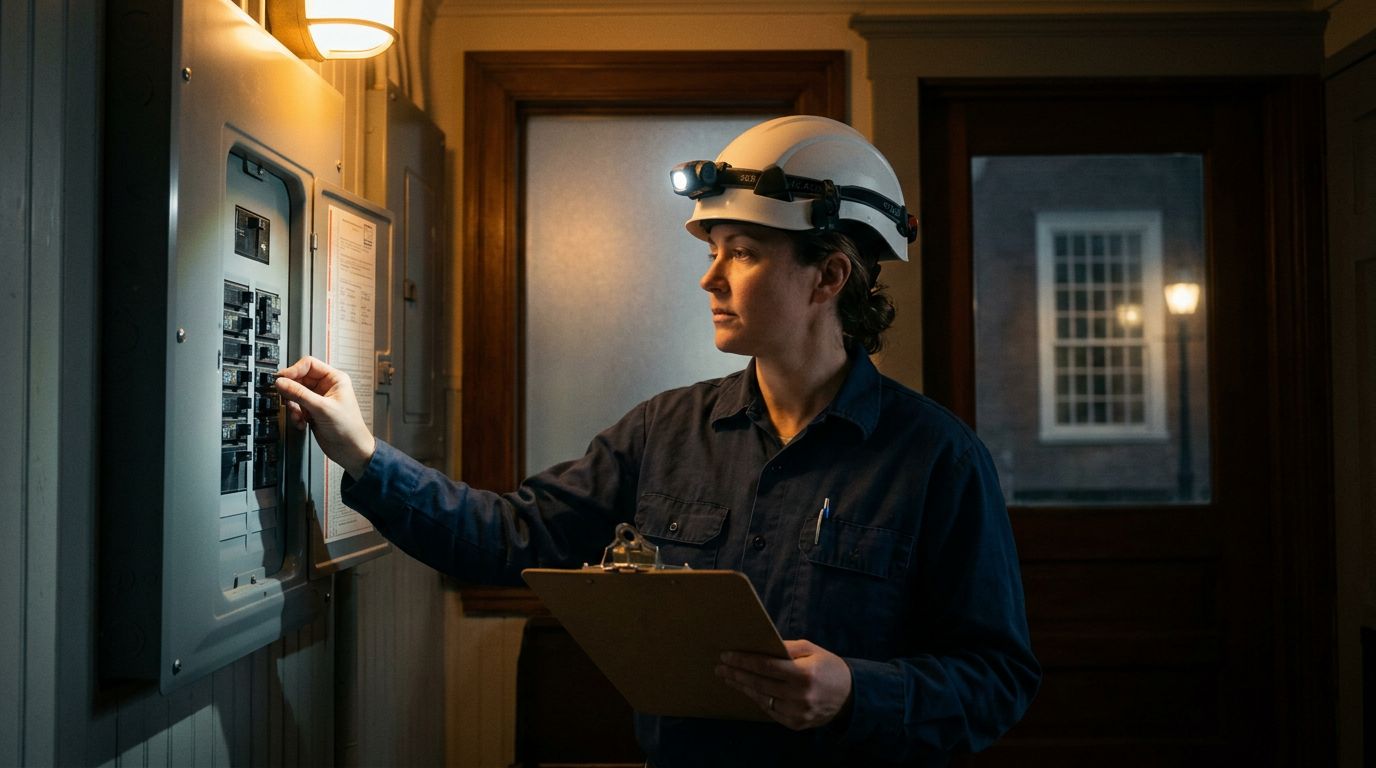
A Massachusetts electrical permit is usually tied to the licensed electrician doing the work, not the homeowner. That matters because permit rules can stop a project before the first outlet is opened.
Local enforcement still varies, and a few towns allow limited homeowner work under specific conditions. Before you start, check with your local building department or electrical inspector so you know who has to apply.
Key Takeaways
- The licensed electrical contractor usually pulls the permit for residential electrical work.
- Some towns allow limited homeowner permits, but the local inspector can set stricter rules.
- The permit application usually needs to match the contractor doing the work.
- Property managers should confirm permit responsibility before scheduling crews or shutting down power.
Who Usually Pulls the Permit in Massachusetts
For most homes and many small commercial jobs, the answer is simple: the licensed electrician or electrical contractor pulls the permit. The local Electrical Inspector, sometimes called the Inspector of Wires, issues the permit and handles inspections.
That permit should sit in the name of the contractor actually performing the work. If someone in the office submits the paperwork, the contractor's name still needs to be on the application. In practice, that means the permit is part of the job, not an extra favor at the end of it.
If you are hiring help, ask one direct question before anyone starts work: who is pulling the permit? A dependable contractor should answer right away. If you want a team that handles that side of the job as part of the project, master electrician services are a good place to look.
When a Homeowner May Be Allowed to Apply
This is where local rules get a little uneven. Some Massachusetts towns allow a homeowner to pull a permit for limited work, often on an owner-occupied property. Others do not. Even when homeowner permits are allowed, the inspector may still require a licensed electrician for certain jobs.
That difference matters most on bigger projects. Panel upgrades, service changes, EV charger installations, generator hookups, and major rewiring usually get more attention than a simple repair. A ceiling fan replacement might be treated one way in one town and a completely different way in another.
A town may allow a homeowner permit and still reject the work plan if the job is beyond what it wants a homeowner to handle.
Low-voltage work can fall under different rules too, so do not assume every cable project follows the same path. The safest move is to ask before you buy parts or schedule labor.
What Inspectors Usually Want to See
Once the permit question is settled, the next step is paperwork and inspection timing. Towns can vary, but they usually want the same basic details: who is doing the work, where the work is happening, and what kind of electrical scope is involved.
Many offices also ask for proof that the contractor is licensed and insured. In some places, they want a current liability insurance certificate and workers' compensation documentation before they issue the permit. Boston, for example, requires the licensed contractor to be the applicant.
Here is the kind of information permit offices often expect:
- The contractor's license details
- The job address and property type
- A clear description of the electrical work
- Insurance or workers' compensation paperwork, when requested
- The permit fee, which changes by town and project size
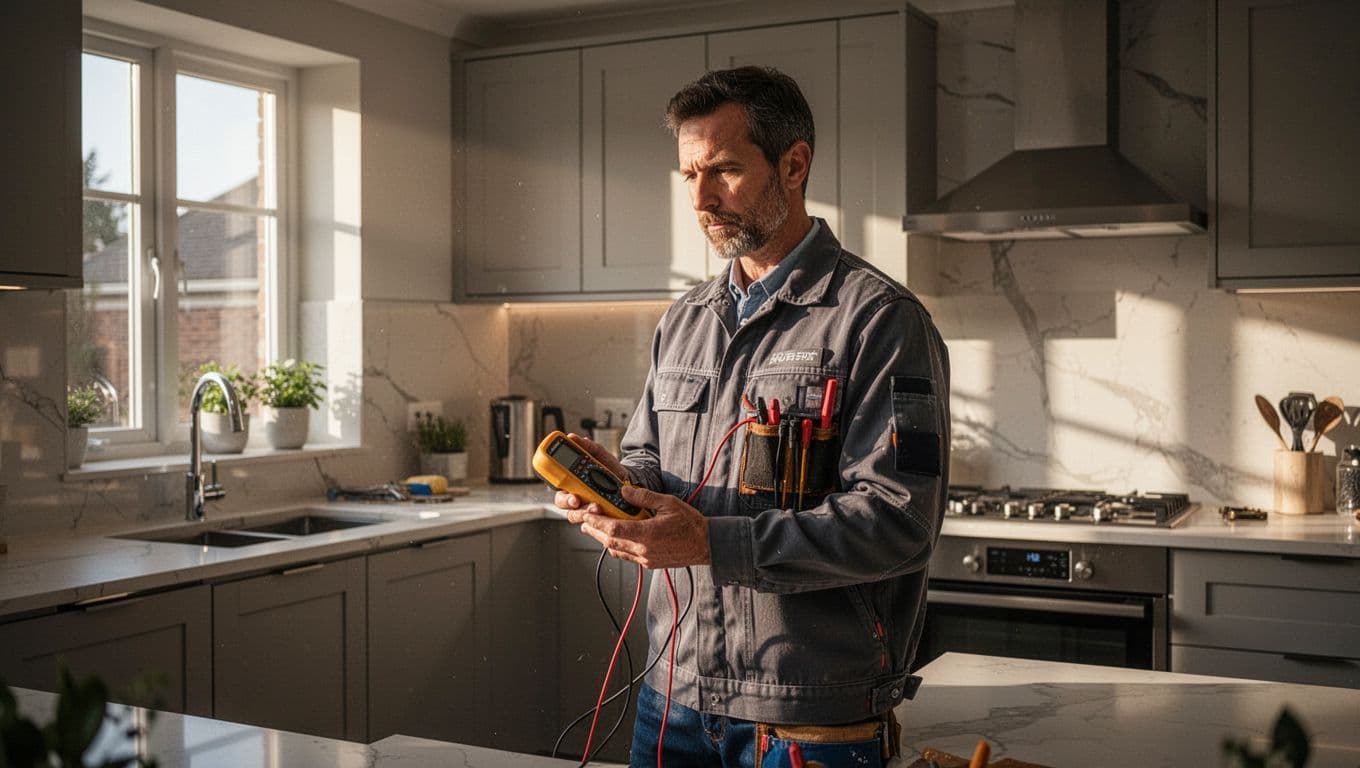
Inspections usually follow the work itself, so delays often come from missing paperwork or a permit filed under the wrong name. That is why the permit step should happen before any demolition, panel work, or service replacement begins.
Why Property Managers Should Check Early
Property managers have an extra layer to think about. A delayed permit can affect tenants, contractors, inspectors, and the building schedule all at once. That becomes expensive fast if the work involves a common area, a service shutdown, or a move-in deadline.
The cleanest approach is to confirm permit responsibility before the contract is signed. Ask who will file, who will be on site for inspections, and whether the project needs one permit or several. For larger properties, the answer may change depending on whether the work touches a panel, a tenant space, a fire alarm system, or a common corridor.
Commercial jobs often need more coordination than residential ones, but the core rule stays the same. The permit should be handled by the licensed professional who is actually responsible for the electrical work. When everyone agrees on that upfront, the project moves with far less friction.
Conclusion
If you are asking who pulls the permit, the safest default is clear: the licensed electrical contractor usually does it in Massachusetts. Homeowner permits can exist in some towns, but they are not universal, and the local inspector has the final say.
Before any wires are moved or any panel is opened, call the local building department and confirm the rule for your property and project type. That one call can save you from a failed inspection, a delayed job, or a permit application that goes nowhere.