
7 Signs Your Home Needs a Dedicated Appliance Circuit

Contact Us
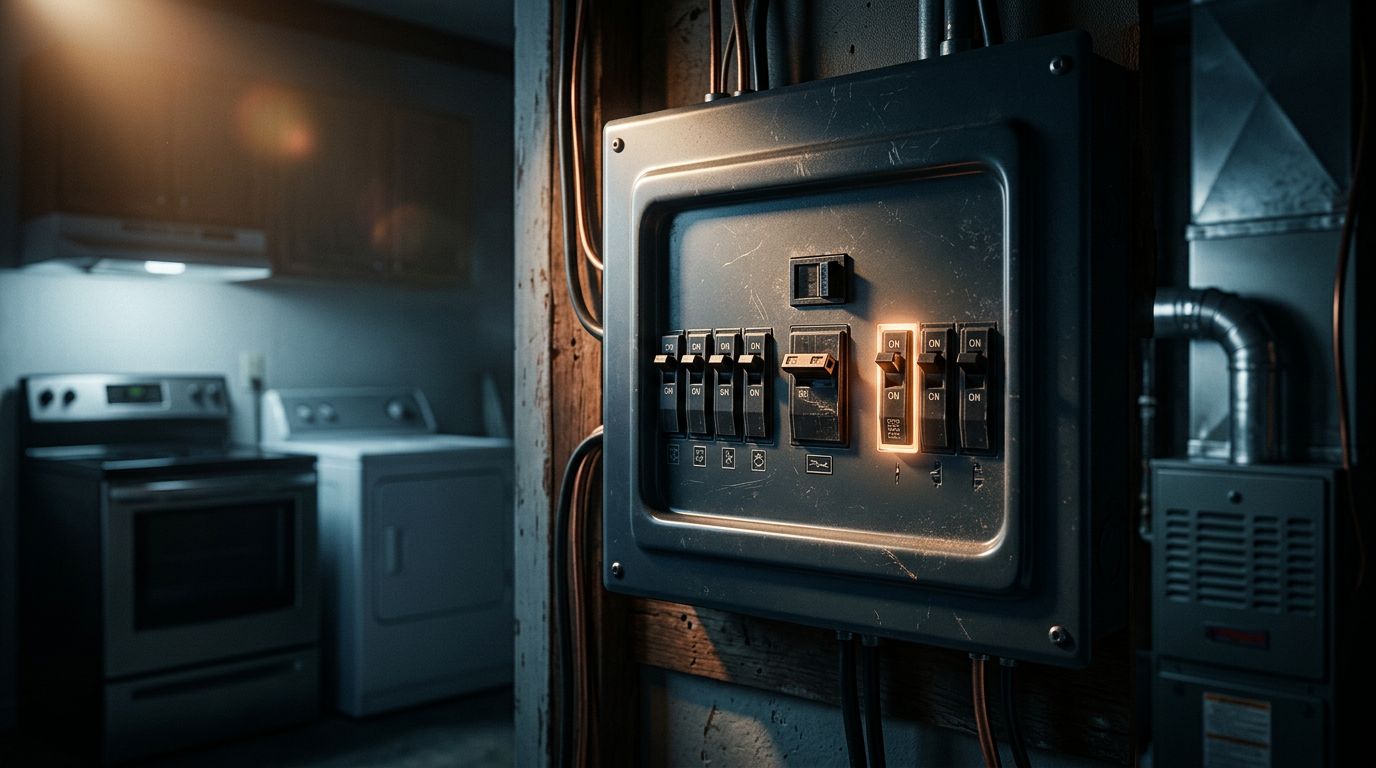
A breaker that trips once is annoying. A breaker that trips every time two appliances run together is trying to tell you something.
A dedicated appliance circuit gives one high-demand appliance its own path back to the panel. That helps protect the wiring, keeps the appliance running the way it should, and reduces nuisance trips. If your home keeps showing the same warning signs, the next step is usually straightforward.
Key Takeaways
- Frequent breaker trips, dimming lights, and warm outlets often mean one circuit is carrying too much.
- Large kitchen, laundry, and HVAC appliances often need their own circuit, depending on the load.
- Ignoring overload signs can damage appliances, shorten their lifespan, and raise safety risks.
- Exact requirements vary by local code and appliance specifications, so a licensed electrician should confirm the right setup.
Seven warning signs that point to a dedicated circuit
The clues usually show up at the breaker panel, at the outlet, or in the way an appliance behaves. Once you know what to watch for, the pattern becomes easier to spot.
-
The breaker trips when one appliance starts
If the breaker trips every time the microwave, toaster oven, or laundry machine kicks on, the circuit may be overloaded. A brief trip can happen once in a while, but repeated trips are a sign that the breaker is doing its job by protecting the wiring.
When that same appliance keeps shutting the circuit down, the load is too high for a shared line. Ignoring it can lead to damaged equipment, lost food in a fridge or freezer, and a panel that gets stressed again and again.
-
Lights dim or flicker when the appliance runs
A slight dimming when a motor starts can happen on some homes. However, if the lights noticeably drop every time the dishwasher, vacuum, or window unit turns on, the circuit may be struggling.
That happens because the appliance is pulling power from the same branch circuit as the lights or other outlets. The result is unstable performance for both. Over time, that kind of strain can wear on fixtures, electronics, and the appliance itself.
-
Outlets, plugs, or cords feel warm
Warmth at a receptacle is a red flag, especially if the plug feels hot after normal use. The same goes for cords that seem hotter than they should.
Heat often means the circuit is carrying more current than it should, or the connection is working harder than it ought to. Left alone, that can damage the receptacle, the appliance cord, and the wiring behind the wall. It can also become a fire risk.
-
The appliance runs poorly or resets often
Some appliances don't trip the breaker right away. Instead, they act erratic. A microwave may shut off mid-cycle. A washing machine might pause or restart. A freezer could cycle strangely.
Those symptoms can point to voltage drop or a circuit that cannot keep up with the appliance's demand. The appliance may still run, but not well. That extra strain can shorten its life and make troubleshooting harder later.
-
You hear buzzing, humming, or crackling near the outlet
Appliances make some sound, but electrical noise is different. A buzzing outlet, a crackling plug, or a humming breaker deserves attention.
Sounds like that can come from loose connections, overloaded wiring, or a device pulling more current than the circuit should handle. The risk goes beyond inconvenience. Heat builds fast when connections are stressed, and that is not something to ignore.
-
Several high-demand appliances share one circuit
Shared circuits are common in older homes, but they can become a problem when too many power-hungry devices end up on the same line. A kitchen circuit might handle a microwave, coffee maker, and toaster until someone adds a mixer or air fryer. Then the breaker starts complaining.
Laundry rooms, garages, basements, and utility spaces often show this problem too. If one circuit feeds too many heavy users, a dedicated appliance circuit can separate the loads and keep each device running more reliably.
-
You are adding a new appliance and the panel has no room left
A new refrigerator, dishwasher, freezer, wall oven, or laundry appliance can change the load picture fast. If your panel is already crowded, there may be no clean way to add another breaker without solving the capacity issue first.
In those cases, the answer may involve more than one new circuit. If the panel has no spare space or the system is outdated, breaker panel replacement services may be part of the solution. That gives the home room to support new loads safely instead of forcing everything onto already busy wiring.
Why code and appliance specs matter
The right answer is not the same in every home. Local electrical code can change from one town to the next, and appliance manufacturers list their own circuit and amperage requirements in the installation instructions.
That matters because a dishwasher, range, microwave, washer, dryer, or HVAC-related appliance may need a specific circuit size, receptacle type, or breaker setup. The home's existing load also matters. A circuit that looks fine on paper can still fall short once you add real-world use, aging equipment, or other appliances on the same branch.
A licensed electrician can check the panel, the wiring, the breaker size, and the appliance specifications together. That avoids guesswork and helps the work pass inspection the first time.
What a licensed electrician will look for
A good evaluation starts with the appliance and ends with the whole electrical system. The electrician may review the nameplate, confirm the load, and check whether the existing circuit already supports other outlets or devices.
They will also look at panel capacity and wiring condition. If the panel is full, worn, or not suited for the new load, a dedicated circuit may need to be added as part of a larger upgrade. That keeps the fix practical instead of piecemeal.
Most importantly, the electrician can tell you whether the issue is a single overloaded branch circuit or a sign of a bigger electrical problem. That distinction matters, because the wrong fix can hide the real issue for a while and leave the home exposed later.
Conclusion
If a breaker keeps tripping, lights dim when appliances start, or outlets feel warm, your home may be asking for a dedicated appliance circuit . Those signs usually mean one circuit is carrying more than it should.
The safest move is to treat the pattern seriously and have it checked by a licensed electrician. Since local code and appliance specs vary, the right circuit size and setup should always be confirmed before any work begins.
A home runs better when each major appliance has the power it needs.