

Why Lights Flicker in Greater Boston Homes

Contact Us
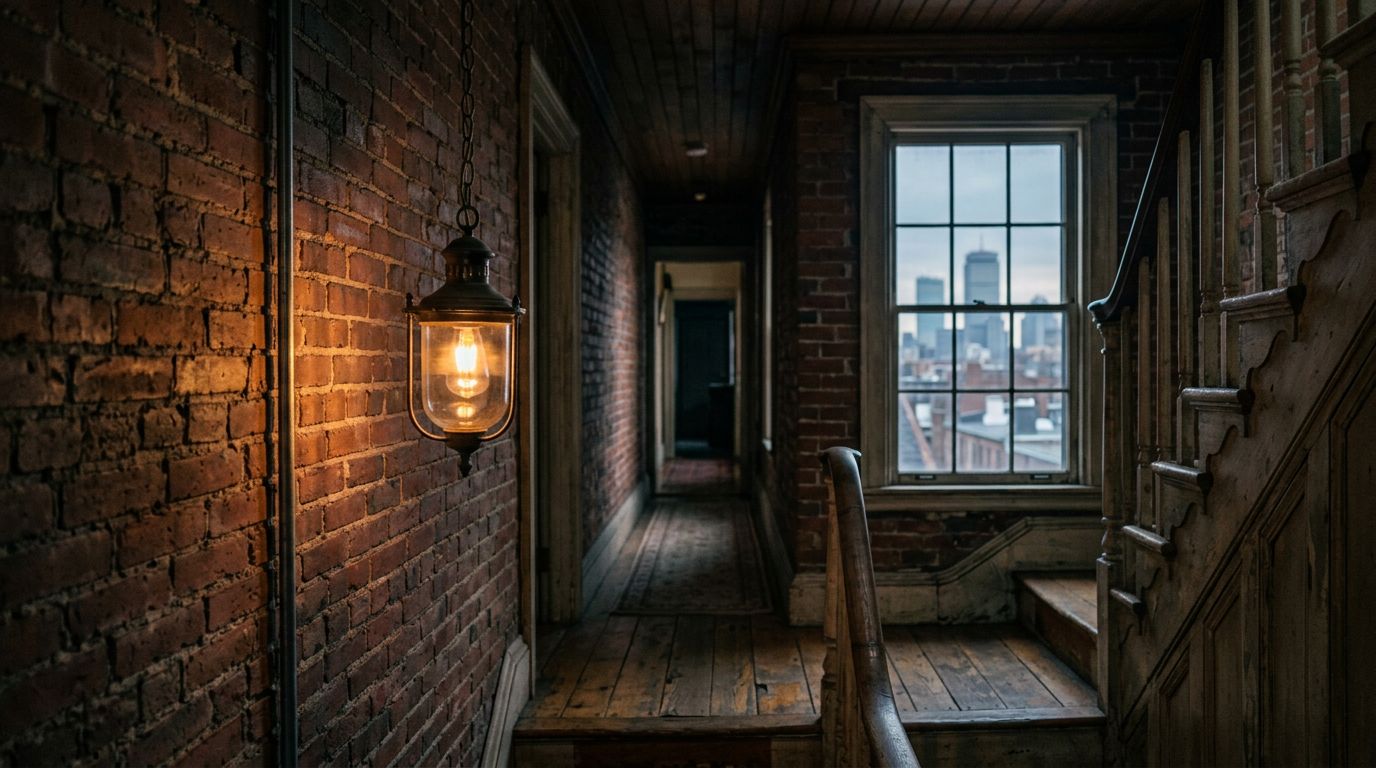
A light that blinks once in a while may seem harmless. In a lot of Greater Boston homes, though, flickering lights are a clue that something needs attention.
Sometimes the fix is simple, like a loose bulb. Other times the cause sits deeper in the wiring, panel, or service entry. Older houses, multi-family buildings, and homes with recent renovations often show the problem first.
The good news is that a flicker usually gives away its pattern if you pay attention. That pattern helps narrow down what's happening and whether it's time to call a licensed electrician.
Common causes of flickering lights in Greater Boston homes
The first thing to look at is the pattern. Does one lamp flicker, or do several lights move at the same time? Does it happen in one room, or across the whole house?
A single light that blinks usually points to a local issue. That could be a loose bulb, a worn socket, or a dimmer that does not match the bulb type. A light fixture with a weak connection can also act up now and then.
Widespread flickering is different. If lights in the kitchen, hall, and bedroom all dim when the microwave starts, the circuit may be overloaded. If the whole home dips when the AC kicks on, the electrical system may be struggling with demand.
In older Boston-area homes, the wiring itself may be part of the story. Houses with knob-and-tube remnants, older cloth wiring, or aging splices can show flicker when the load changes. In multi-family properties, shared service equipment and older branch circuits can add more stress.
Renovations can create another layer of problems. New lighting, new outlets, and added appliances sometimes expose weak points that were already there. A circuit that worked fine before an upgrade may start to complain once the load grows.
If the flicker lines up with a specific appliance, that is useful information. A vacuum, space heater, washer, or window AC may be pulling more power than the circuit wants to give.
When a bulb, dimmer, or fixture is the problem
Many cases start and end with one lamp. That's good news, because it keeps the fix simple.
Loose bulbs are common. A bulb that is not seated well can blink when the fixture warms up or vibrates. The same thing can happen with a bulb that is near the end of its life.
Dimmers create another easy-to-miss issue. Older dimmers often do not work well with LED bulbs. The result may be a shimmer, a buzz, or a quick pulse of light. In that case, the bulb and dimmer need to match.
Fixture problems matter too. A worn socket, corroded contact, or loose wire nut inside the fixture can make the light act up. That flicker may get worse when the fixture heats up, then settle down when it cools.
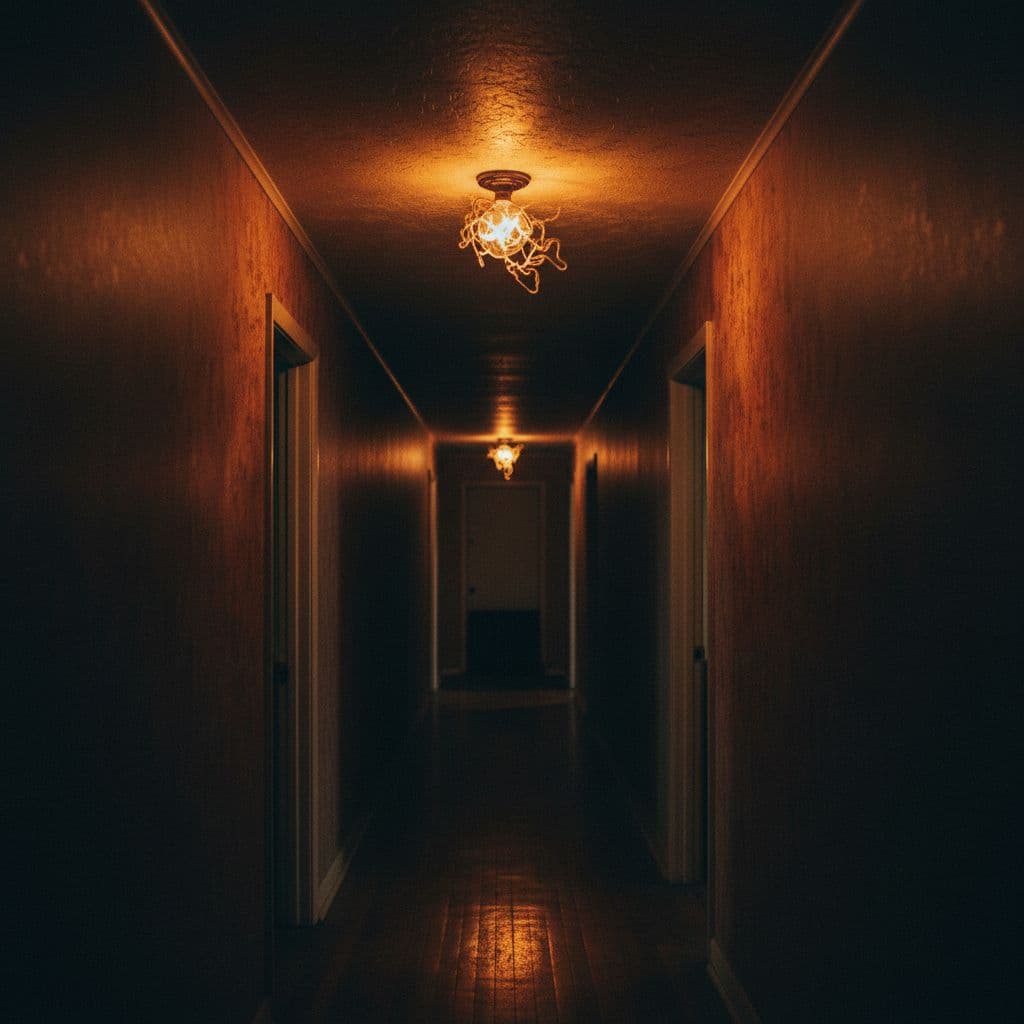
If one room flickers while the rest of the home stays steady, start there. A licensed electrician can inspect the fixture, dimmer, and circuit as part of professional electrical repair and installation services. That keeps the problem from spreading or hiding behind a cosmetic fix.
Signs the panel or service entrance needs attention
When the whole house flickers, the issue is often bigger than a bad bulb. That is the point where safety matters more.
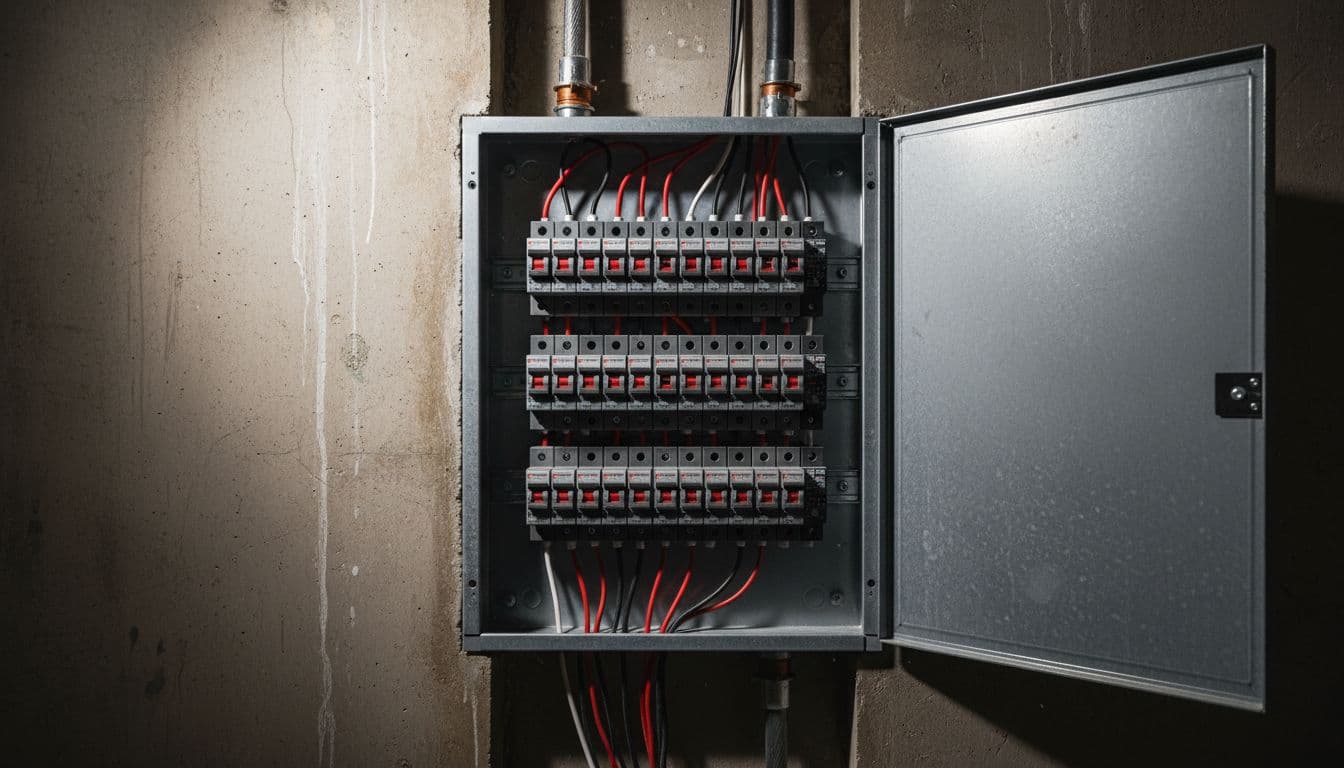
Aging electrical panels are common in Greater Boston, especially in older homes that have been updated over time. A panel may still work, but it can struggle when modern appliances, EV chargers, and HVAC systems all ask for power at once. Loose breakers, worn bus connections, and heat damage can all show up as flicker.
Service-entry problems are even more serious. The service line, meter base, or main connection can cause voltage dips that affect multiple rooms at once. If lights dim when the weather turns rough, or if they flicker during heavy appliance use, the source may be upstream from the branch circuit.
That is one reason a full inspection helps. A home electrical safety inspection can show whether the issue comes from the panel, wiring, or a single fixture before the problem grows.
If several rooms flicker at once, treat it as a system problem, not a light-bulb problem.
Warning signs that deserve fast attention include a burning smell, buzzing from the panel, warm outlets, or lights that dim when major equipment starts. Those symptoms point to a connection that needs a licensed electrician, not a guess.
Why older Boston homes flicker more often
Greater Boston has a lot of homes with history. That charm is part of the appeal, but older electrical systems often need more care.
Triple-deckers, pre-war houses, and older condos may still have wiring that was fine for smaller loads. Today, the same home may run a fridge, dishwasher, microwave, home office, space heaters, and AC units at once. The system gets pushed harder than it was built for.
Aging connections are another common issue. Over time, wire terminals loosen, insulation dries out, and outlets wear down. Even a small amount of resistance can create flicker when a circuit is under stress.
Seasonal demand makes it worse. In winter, space heaters and boiler controls can pull extra power. In summer, AC units and dehumidifiers can do the same. That load change is why a light may flicker only during one season.
Multi-family homes bring their own challenges. Shared walls, older subpanels, and mixed updates from different eras can make troubleshooting harder. One unit may have new lights and old circuits, while another has newer appliances on older wiring.
Renovations can expose those weak spots fast. A kitchen remodel, finished basement, or added bath often means more lights and more outlets on circuits that were already busy. The new work may be fine, but the older part of the system can show its age.
A short troubleshooting checklist you can use safely
Before calling for help, a few safe checks can narrow down the cause.
- Swap the bulb : If one lamp flickers, replace the bulb with a new one that matches the fixture.
- Check the dimmer : If the light uses a dimmer, note whether the flicker changes when you raise or lower it.
- Watch for a trigger : See whether a specific appliance, like a microwave or AC unit, makes the lights dip.
- Look for a pattern : Notice whether the flicker hits one room, one floor, or the whole house.
- Listen for warning signs : Buzzing, crackling, or a hot smell means the issue is beyond a simple bulb change.
- Note the timing : Flicker during storms, heavy rain, or utility work may point to a supply issue.
If the problem stays in one fixture after a bulb swap, the fixture or switch may need attention. If the lights in several parts of the home blink together, the circuit, panel, or service feed needs a closer look.
Persistent flicker is not something to ignore, especially in an older home. A licensed electrician can trace the source without guesswork and tell you whether you need repairs, panel work, or a deeper inspection.
What the flicker is telling you
A flickering light is often the first sign that part of the electrical system is under stress. Sometimes the cause is small and local. Other times it points to wiring, a panel, or a service connection that needs real work.
That's why the pattern matters so much. One lamp may need a new bulb, but a whole-house flicker calls for a closer look.
If the problem keeps coming back, or if it affects more than one room, bring in a licensed electrician. In Greater Boston homes, that's the safest way to keep a small flicker from turning into a larger electrical problem.