
Why One Outlet Controls Another: Causes and Safe Fixes

Contact Us
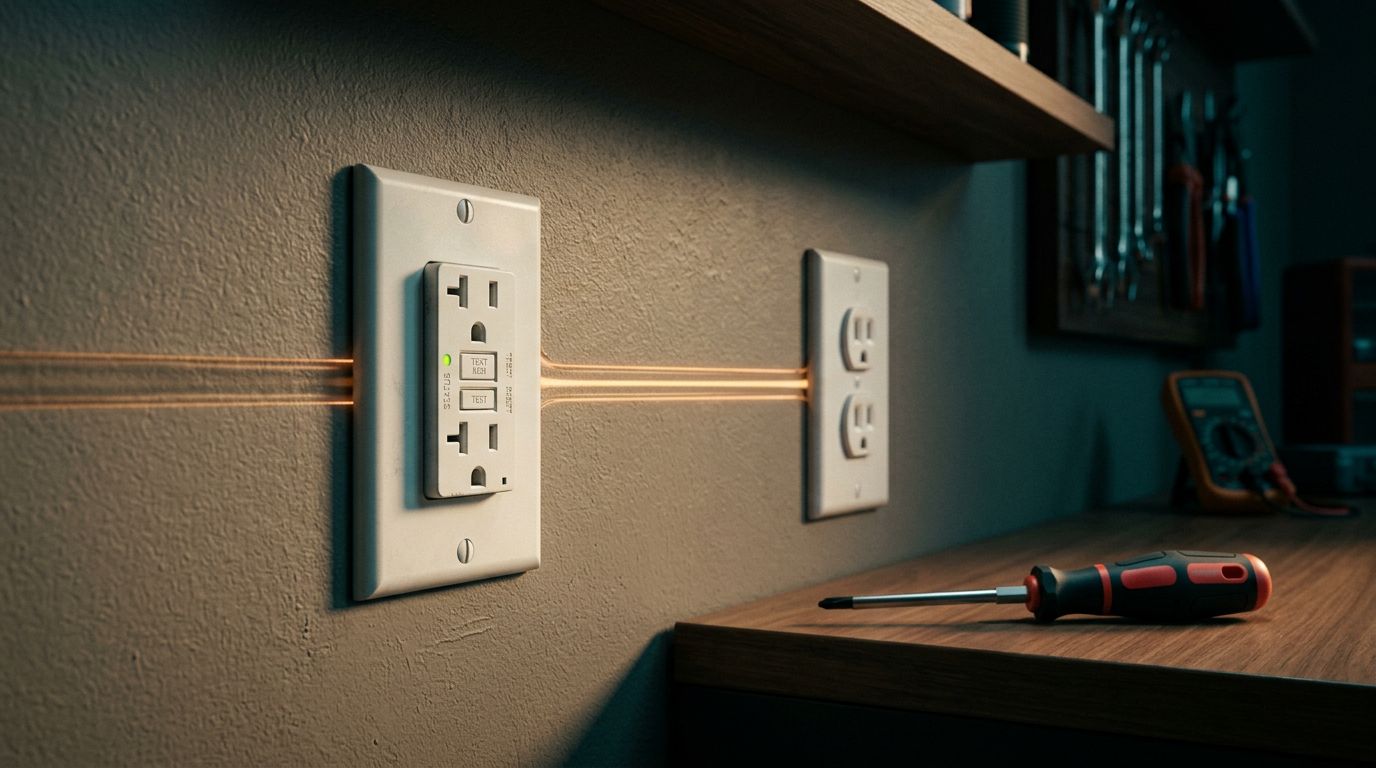
A wall outlet usually powers only the device plugged into it. So when one receptacle turns another on or cuts its power, the wiring configuration or a protection device is affecting both locations.
A GFCI outlet can shut off outlets downstream , while a standard receptacle normally cannot control another one. Switched and split receptacles are the main intentional exceptions. Understanding the difference can help you find the cause without putting yourself near live wiring.
What It Means When One Outlet Controls Another
Most household receptacles connect to the same branch circuit in parallel. Each outlet receives power from the circuit conductors, but one standard outlet doesn't normally act as a switch for the next outlet.
When one outlet appears to control another, the two devices usually share a connection or protection feature. The first outlet may have a GFCI device, a wall switch connection, or wiring that sends power onward to another receptacle.
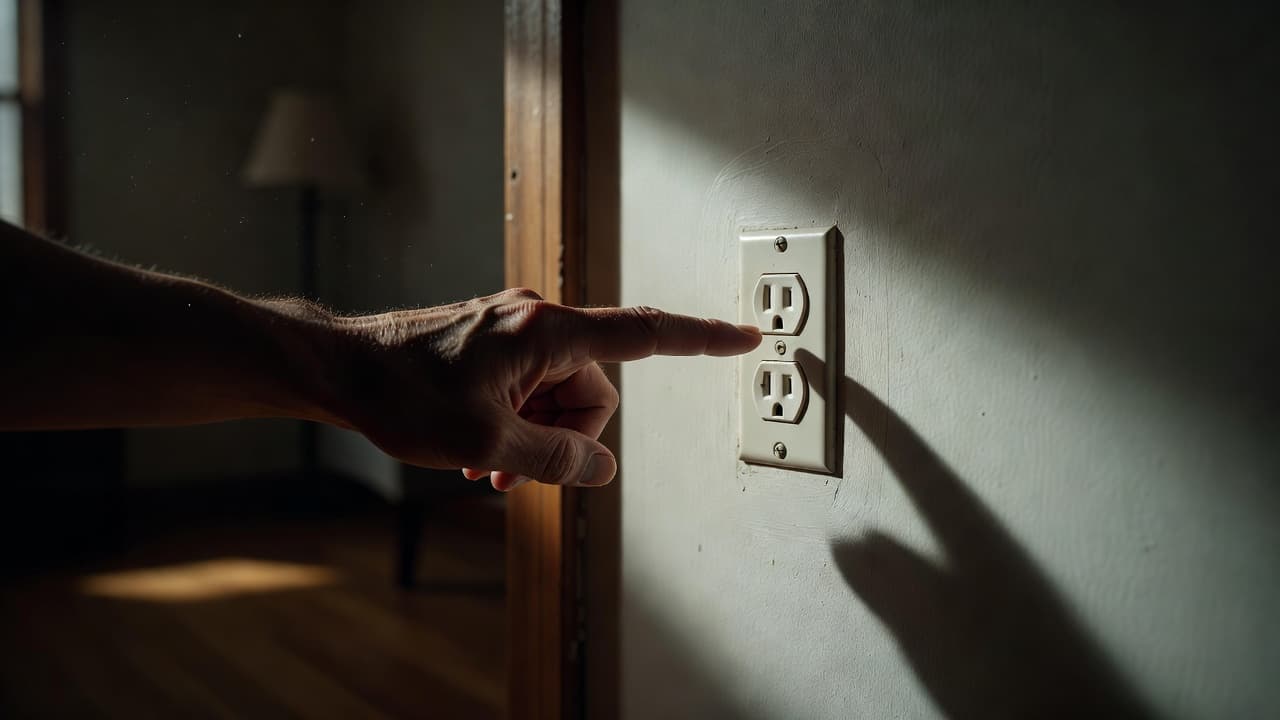
For example, a receptacle near a bathroom sink might protect an outlet in an adjacent room. In another room, a wall switch may control the upper half of a duplex receptacle. A loose connection can also make several outlets lose power at once, which may look like intentional control.
The location of the outlets matters. If the affected receptacle is near a kitchen, bathroom, garage, basement, exterior wall, or laundry area, GFCI protection is a strong possibility. If a wall switch sits nearby, the outlet may be switched.
A standard receptacle can also feed other outlets through its electrical box. However, it should pass power through continuously. If power stops at that point, the downstream outlets lose power too.
A GFCI Outlet Can Shut Off Downstream Receptacles
A ground-fault circuit interrupter, or GFCI, protects people from dangerous electrical shock. It monitors the current leaving the circuit and the current returning to it. When those amounts differ, the device trips and interrupts power.
Many GFCI receptacles have two sets of terminals:
- Line terminals receive power from the breaker or an upstream connection.
- Load terminals send protected power to other outlets farther along the circuit.
When another receptacle connects to the GFCI's load side, the GFCI can control whether that outlet has power. Pressing the test button can shut off the downstream receptacles, and pressing reset can restore them if the circuit is safe.
GFCI protection is common in locations where electricity may contact water. Typical examples include bathrooms, kitchens, garages, unfinished basements, outdoor receptacles, laundry areas, and some commercial work areas.
You may not see the GFCI device at first. An outlet in a hallway, pantry, or room next to the kitchen could be downstream from a GFCI located elsewhere.
If an outlet suddenly stops working, look for nearby devices with Test and Reset buttons. Press the reset button firmly once. If it trips again, unplug appliances connected to the protected outlets and try once more. A repeated trip can indicate a faulty appliance, moisture, damaged wiring, or a defective GFCI.
Never keep resetting a GFCI that trips repeatedly. The device may be warning you about a real fault.
A GFCI can protect several ordinary-looking outlets without having a reset button on each one.
Switched and Split Receptacles Work by Design
A switched receptacle is wired so a wall switch controls all or part of the outlet. This setup was common for rooms without ceiling lights, and many homes still use it for lamps.
With a half-switched receptacle, one plug is controlled by the wall switch while the other remains powered. The upper and lower halves may look identical, so the difference isn't always obvious. Homeowners often discover the arrangement when a lamp turns off but a phone charger stays on.
Electricians create this arrangement by separating the two halves of a duplex receptacle. A small brass tab between the hot-side terminals may be removed, allowing the two halves to operate separately. The neutral-side connection may remain intact, depending on the circuit design.
A split receptacle can also involve separate circuits, especially in kitchens. Countertop receptacles may use two small-appliance circuits so connected equipment doesn't overload one circuit. In older or altered installations, one half may seem to control the other because of a switch, a tripped breaker, or a wiring problem.
A wall switch that controls an outlet isn't automatically a defect. It becomes a concern when the behavior is unexpected, recently changed, or accompanied by heat, buzzing, flickering, or a burning odor.
| Outlet behavior | Most likely explanation |
|---|---|
| Several outlets lose power after one reset button trips | GFCI protection |
| A lamp outlet turns on and off with a wall switch | Switched receptacle |
| One half works while the other stays off | Split or half-switched receptacle |
| Downstream outlets fail after a loose or damaged connection | Wiring fault |
| Both outlets lose power after an overload | Tripped circuit breaker |
The outlet's behavior gives you a starting point, but it doesn't prove the wiring is correct. Changes made by a previous owner may not match current needs or electrical code requirements.
When a Standard Outlet Seems to Control Another
A normal receptacle doesn't have a control function. Therefore, if one standard outlet appears to control another, an upstream problem may be interrupting power.
A loose wire connection is one common cause. Receptacles can have wires attached to screw terminals or inserted into push-in connections on the back. Loose or overheated connections can interrupt power to every outlet connected farther along the circuit.
The problem may also involve a failed receptacle. A worn device can develop poor contact internally, especially after years of use or repeated plugging and unplugging. If the outlet feels warm, looks discolored, or makes a crackling sound, stop using it.
Other possible causes include:
- A tripped breaker that hasn't been fully reset
- A disconnected wire at an outlet or switch
- An open neutral connection
- Moisture in an outdoor or damp-location receptacle
- A damaged cable inside the wall
- An incorrectly wired replacement outlet
An open neutral can produce confusing symptoms. Some devices may appear to work while others don't, or lights may flicker when appliances turn on. That condition needs prompt attention because the circuit isn't operating normally.
A tripped breaker may also look like one outlet controls another. Circuit breakers can move only slightly when they trip. Turning the affected breaker fully off and then back on may restore power, but don't repeatedly reset it if it trips again.
The first outlet in a circuit often affects the outlets after it. That doesn't mean the first outlet was designed to control them. It may simply be the point where power enters the next section of wiring.
Safe Ways to Check the Problem
You can perform a few basic checks without removing an outlet cover or touching wiring. Start by unplugging appliances from the affected receptacles. A failed appliance can trip a GFCI or breaker and make the problem appear larger than it is.
Check nearby wall switches, then look for GFCI receptacles in bathrooms, kitchens, garages, basements, laundry areas, and outside. Press reset only on a device that appears intact and dry. Don't use an outlet with cracks, heat damage, water exposure, or burn marks.
Next, inspect the electrical panel for a breaker that has tripped. Stand on a dry surface and keep your hands clear of exposed openings. If you need to reset a breaker, move it fully to the off position before switching it back on. A breaker that trips again needs professional diagnosis.
If an outlet cover must be removed, turn off power at the breaker and verify that power is off before removing the cover . Never rely only on a panel label. Use a properly rated tester, and confirm the tester works on a known energized source before checking the de-energized circuit. If you don't know how to verify the circuit safely, leave the cover in place.
Don't test an unknown outlet by touching wires, using improvised tools, or working around exposed terminals. Electrical circuits can remain energized when a panel label is wrong, when multiple circuits share a box, or when a switched arrangement has been altered.
If the issue involves frequent breaker trips, an aging electrical panel may also need evaluation. A licensed contractor can assess whether breaker panel installation and replacement is appropriate for the home's electrical demand.
When to Call an Electrician
Call a licensed electrician when the outlet stays dead after you check the breaker and GFCI devices, or when one outlet repeatedly affects others without a clear switched design.
Professional help is also appropriate when you notice heat, discoloration, buzzing, a burning smell, sparks, shocks, or flickering lights. Turn off the affected circuit if you can do so safely, then keep people away from the outlet.
Older homes may contain wiring methods, connections, or alterations that aren't easy to identify from the outside. A qualified electrician can trace the circuit, test for voltage and continuity, inspect connections, and correct unsafe wiring without guessing.
Businesses, rental properties, and restaurants need added care because an outlet fault can interrupt equipment or affect multiple areas. Electrical work should follow local requirements and fit the building's actual load.
Conclusion
When one outlet controls another, the cause is usually a GFCI device, a switched or split receptacle, or a wiring fault. A standard outlet normally passes power along the circuit without controlling the next one.
Start with safe checks at the breaker, nearby switches, and GFCI reset buttons. If the problem continues or you see signs of damage, stop using the circuit and call a licensed electrician. The safest answer is often found upstream, but no outlet is worth investigating while the wiring is energized .