
Why Your Circuit Breaker Feels Hot in Greater Boston

Contact Us
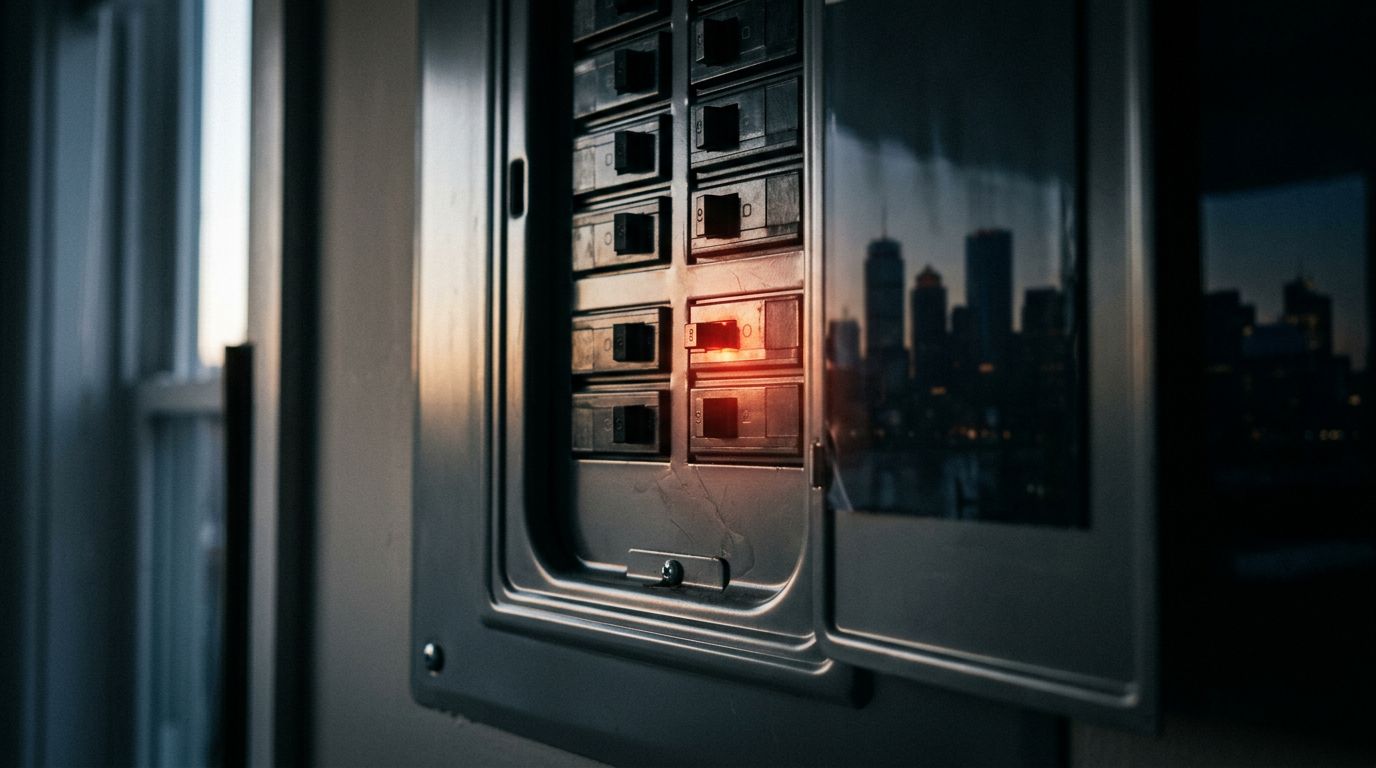
A circuit breaker that feels warm may be carrying a normal electrical load, but a hot circuit breaker can often signal a serious wiring or equipment issue. The difference matters because excessive heat can damage your electrical system, including the panel, wire insulation, and nearby connections.
Greater Boston homes often combine older wiring, renovated spaces, electric heating, and high-demand appliances. That mix can place more stress on your home infrastructure than a homeowner expects, potentially creating a fire hazard. Learn what the temperature may mean, which warning signs require immediate attention, and when it is time to call a licensed electrician for a professional inspection.
Key Takeaways
- A mildly warm breaker can result from normal current flow, especially when a large appliance is running.
- A hot breaker, burning smell, buzzing, discoloration, sparking, or frequent breaker tripping needs prompt professional attention.
- Common causes include an overloaded circuit, loose connections, failing breakers, and faulty appliances.
- Turn off the affected circuit if you can do so safely. Never remove the panel cover or touch wiring inside.
- Homes with older panels or recent electrical additions may need a professional breaker box inspection and load review.
Warm and Hot Are Not the Same
Circuit breakers produce some heat as electrical current passes through them. The breaker contains a switching mechanism and a trip device, both of which can become slightly warm during normal operation. A circuit supplying a microwave, hair dryer, air conditioner, or space heater may feel warmer while that equipment runs.
A warm breaker usually does not feel alarming to the touch. It may be close to the temperature of a cup of coffee, but it should not become painful to touch or continue heating when the circuit has little demand.
A hot circuit breaker raises a different concern. If the breaker feels unusually hot, compare it with nearby breakers under similar conditions. A noticeable difference can point to excessive current, a poor connection, or a defective breaker. Heat that continues to build deserves attention even when the breaker has not tripped.
The plastic handle may not reveal the full temperature of the connection behind it. Electrical resistance at a loose terminal can create heat inside the electrical panel while the breaker still appears to operate normally. That is one reason homeowners should not rely on touch alone to judge whether the panel is safe.
Watch for these warning signs:
- A burning plastic or electrical odor
- Brown, black, or melted areas around the breaker
- Buzzing, crackling, or sizzling sounds
- Flickering lights on the same circuit
- A breaker tripping repeatedly
- Sparks, smoke, or scorch marks
- Lights or outlets that feel hot
A breaker that trips once after an unusual overload may need monitoring. A hot, discolored, noisy, or repeatedly tripping breaker needs a licensed electrician.
Common Reasons a Circuit Breaker Gets Hot
The circuit is an overloaded circuit
Every circuit has a limit based on its breaker rating, wire size, installation method, and connected equipment. When too many devices draw power at once, the wiring and breaker carry more current. The breaker should trip when the current becomes excessive, but heat can develop before the trip occurs.
A basement circuit may carry high-wattage appliances like a freezer, dehumidifier, sump pump, laundry equipment, and portable heater. A kitchen circuit may supply a toaster oven, coffee maker, microwave, and dishwasher. Those loads can compete for capacity, especially in an older home with fewer dedicated circuits.
Unplugging one appliance may reduce the load temporarily, but it does not correct an undersized or poorly planned circuit. A licensed electrician can measure the demand and determine whether the circuit needs repair, redistribution, or a properly designed upgrade.
A connection is loose
Loose connections create electrical resistance, which produces heat in the same way a restricted pipe creates pressure. Inside your electrical panel, a loose terminal or a damaged connection at the busbar can cause the breaker and its surrounding components to become dangerously hot.
These loose connections often result from age, vibration, corrosion, previous work, or a wire that was not tightened correctly during the initial installation. The problem can worsen over time because heat causes materials to expand and contract. This cycle may permanently damage the terminal and the surrounding insulation.
Do not remove the panel cover to inspect or tighten anything yourself. Parts inside the box may remain energized even when the main breaker is turned off. All panel work belongs to a licensed electrician who has the proper testing equipment and training to follow safety procedures.
The breaker is failing
Breakers can wear out over time. Their internal contacts may degrade, or the trip mechanism may stop responding correctly. A faulty breaker can run hot, trip at inconsistent times, or fail to trip when it should, which creates a significant safety hazard.
When you need to replace the breaker, it is not always a simple matter of matching the handle size. The replacement must be fully compatible with your specific panel, wiring, and circuit design. Additionally, some older panels have known reliability concerns that require a broader evaluation by a professional.
Keep in mind that a new breaker will not solve an underlying wiring fault, an overload, or a damaged appliance. An electrician must identify the root cause before they replace the breaker to ensure your system remains safe.
An appliance or piece of equipment has a fault
A malfunctioning appliance can draw more current than normal, leading to heat buildup. Motors in refrigerators, pumps, air conditioners, and heating equipment may develop issues that increase electrical demand. Furthermore, a damaged cord, a heating element failure, or an internal short circuit or ground fault can create similar overheating symptoms.
If the breaker becomes hot when one particular appliance runs, stop using that appliance and unplug it only if the plug and outlet are cool, dry, and safe to reach. Do not keep resetting the breaker to restore power. Repeatedly resetting a breaker that is reacting to a fault can increase damage to your electrical system and create a serious fire risk.
Why Greater Boston Homes Can Have Extra Electrical Stress
The age and construction of many homes in Greater Boston can affect how an electrical system handles modern demand. Properties in Boston, Cambridge, Somerville, Medford, and surrounding communities may have seen several renovations over many decades. An older service or panel may now support equipment that was never part of the original design, often straining the home’s total load capacity.
Electric baseboard heat, heat pumps, boilers, central air conditioning, and window units can add substantial seasonal demand. Winter can bring heavy use of heating equipment, while summer brings air conditioners, dehumidifiers, and pool or irrigation equipment. A breaker may feel hotter during those periods because the circuit operates under a heavy load for longer stretches.
Home additions and finished basements can create another issue. A previous owner may have extended a circuit to serve new rooms without increasing the load capacity of the system. The visible outlets may look modern, while the wiring behind them remains old or overloaded.
Renovations can also leave behind mixed electrical work. A kitchen remodel, EV charger, generator, or HVAC replacement may require changes to the service, panel, disconnects, and branch circuits. When those changes are not coordinated correctly, one part of the system can carry more load than intended.
Older panels and wiring deserve extra caution. A professional may find loose terminations, corrosion, damaged insulation, outdated equipment, or a service that no longer suits the home's electrical demand. A thorough inspection of your electrical panel can also include thermal scanning, which helps identify abnormal or excessive heat without opening energized connections during an initial assessment.
What to Do When a Breaker Feels Hot
Start by taking the symptoms seriously. Keep children and pets away from the panel, and do not touch the breaker repeatedly to check its temperature.
If the breaker is warm but shows no odor, noise, discoloration, or other warning sign, reduce the electrical load and schedule an inspection. Turn off or unplug high-demand equipment on that circuit when you can do so safely. Do not use extension cords as a permanent fix, especially for heaters or other high-wattage appliances.
Turn off the affected circuit if the handle moves normally and the breaker box is dry and free from smoke, sparks, and visible damage. Use the panel directory if it clearly identifies the circuit. If the breaker feels too hot to approach, leave it alone and call a professional.
Burning odors, buzzing, discoloration, melting, sparking, smoke, or a burning smell require faster action. If you can safely do so without touching damaged equipment, turn off the affected circuit. If the problem appears to involve multiple circuits, the panel itself, or smoke is present, turn off the main power only if you can reach it safely. Leave the area and call the fire department for smoke or flames.
Contact a licensed electrician promptly when any of these conditions occur:
- The breaker becomes hot again after reducing the load.
- The breaker trips more than once.
- An outlet, switch, or cord is hot or discolored.
- You hear buzzing or crackling from the panel.
- You smell burning plastic or insulation.
- The panel has rust, water damage, scorch marks, or melted parts.
- You recently added an EV charger, generator, heating system, or major appliance.
Never spray water on an electrical panel. Never remove the panel's inner cover, bypass a breaker, replace it with a larger size, or hold the handle in the on position. Addressing these issues immediately is essential to prevent electrical fires and ensure your home remains safe. Always consult a licensed electrician if you are unsure about the condition of your electrical system.
How an Electrician Finds the Problem
A licensed electrician begins by asking when the heat appears and what equipment runs at that time. That timing can separate a steady connection problem from a load-related issue.
The inspection may include measuring current on the circuit, checking voltage, examining breaker and panel condition, and looking for signs of heat or arcing. The electrician can also inspect outlets, switches, junction boxes, appliance connections, and outdoor equipment connected to the same circuit.
An infrared camera can help locate abnormal heat at breakers, terminals, and other accessible electrical components. Infrared scanning does not replace hands-on testing, but it can help identify temperature differences that are not visible during a normal visual inspection.
The repair depends on the cause. Common solutions may include correcting a loose connection, choosing to replace the breaker if it is faulty, repairing damaged wiring, installing a dedicated circuit to handle heavy loads, redistributing power usage, or upgrading the panel and service. If the home has electric heating, an EV charger, or a standby generator, the electrician may calculate the total load before recommending permanent changes.
Ask for a clear explanation of the findings and the repair. A qualified contractor should identify which circuit is affected, describe any immediate safety concern, and explain whether the repair addresses a temporary symptom or the underlying electrical capacity of your home.
Preventing Future Breaker Overheating
Use high-wattage appliances on the circuits specifically designed to handle them. Portable heaters, air conditioners, kitchen appliances, and workshop tools should never share a lightly planned circuit through power strips or extension cords.
Pay attention to patterns. A breaker that trips during every summer heat wave, for example, may be reacting to excessive air conditioning demand. One that heats whenever a sump pump starts may point to equipment or circuit trouble. Record which devices were running and share that information with your electrician.
Keep the breaker box and electrical panel area accessible and dry. Do not store paint, boxes, clothing, or other combustible materials directly around it. Make sure the directory identifies each circuit accurately, especially after you complete home renovations.
Schedule an electrical inspection after buying an older home, finishing a major remodel, or adding equipment with high power requirements. A professional review can catch overloaded circuits, damaged connections, and panel limitations, helping you prevent electrical fires before a small symptom becomes a dangerous emergency.
Frequently Asked Questions
Is it normal for a circuit breaker to feel warm to the touch?
It is normal for a circuit breaker to feel slightly warm when it is under a significant load, such as when running an air conditioner or a space heater. However, it should never feel hot to the touch, painful to handle, or be accompanied by any burning odors or unusual noises.
What should I do if my circuit breaker is hot?
If you notice a hot circuit breaker, you should immediately turn off the affected circuit if you can do so safely. Avoid touching the breaker repeatedly and contact a licensed electrician to diagnose the issue, as a hot breaker often indicates a loose connection, an overloaded circuit, or a failing component.
Can I replace a hot circuit breaker myself to save money?
No, you should never attempt to replace a breaker or open your electrical panel yourself. Working inside a breaker box involves exposure to live electrical currents, and an improper installation can lead to further damage, system failure, or a dangerous fire hazard.
Why does my breaker feel hot only when certain appliances are running?
When a breaker heats up during the use of specific appliances, it often points to an overloaded circuit that is struggling to meet the high power demand. It could also signal that the appliance itself has a fault, causing it to pull more current than the circuit was originally designed to handle.
Conclusion
While a circuit breaker might feel slightly warm during normal operation, a hot circuit breaker is a clear warning sign that requires immediate attention. This is especially true if you notice an acrid odor, buzzing sounds, physical discoloration, visible sparking, or repeated power trips. Older homes throughout the Greater Boston area often struggle to manage modern electrical demands, which can place significant stress on your electrical panel and branch circuits.
If you discover a hot circuit breaker, reduce the electrical load and turn off the affected circuit if you can do so safely. Never attempt to work inside the electrical panel yourself, as it carries a high risk of injury. Instead, contact a licensed electrician who can perform professional testing, identify the source of the heat, and complete necessary repairs to ensure the long-term safety of your home and family.