
3-Prong vs 4-Prong Dryer Outlets in Older Homes

Contact Us
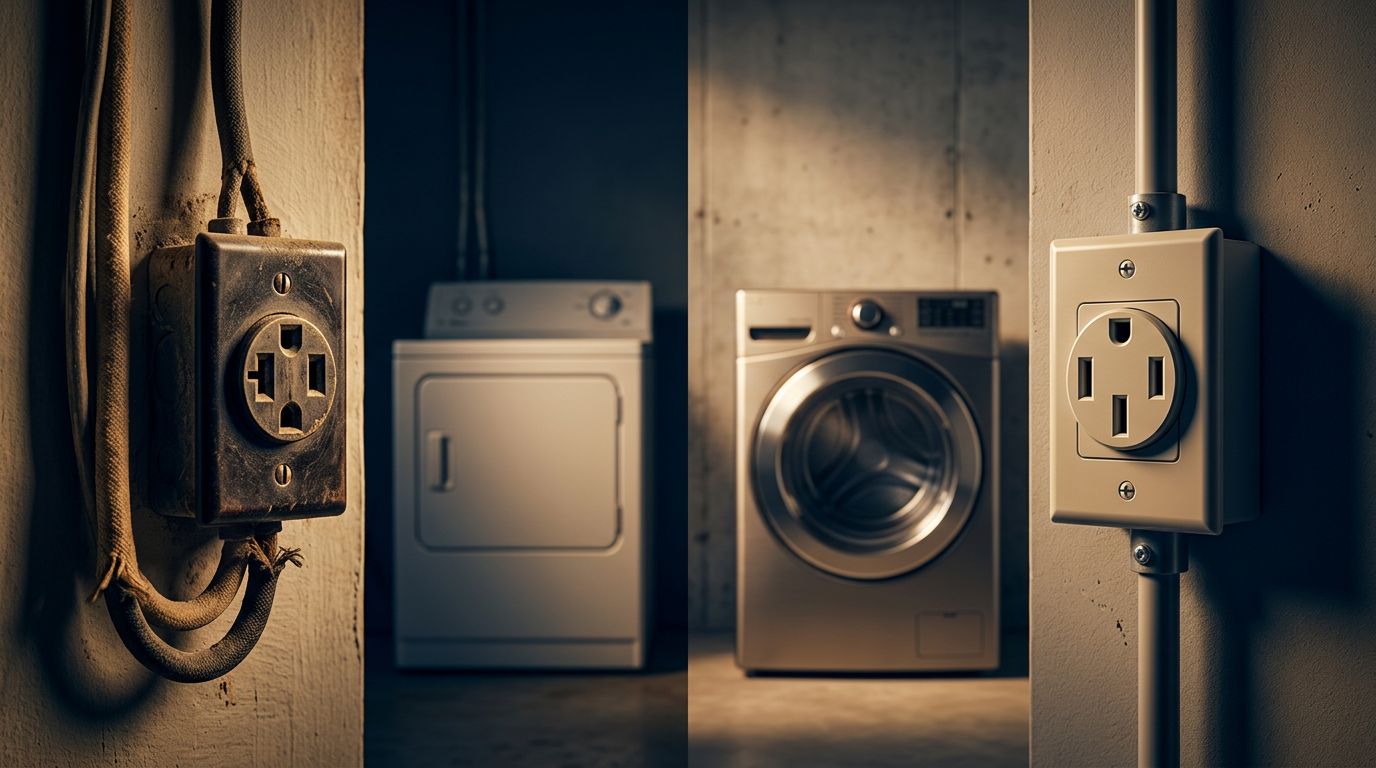
When you move into an older home, the dryer outlet can raise an immediate safety question. Understanding 3-prong vs 4-prong dryer outlets helps you choose the right cord, avoid unsafe adapters, and know when the circuit needs professional work.
A three-slot receptacle isn't automatically dangerous, but it follows an older wiring method. A four-slot outlet provides a separate grounding path and is the standard choice for new dryer circuits. The right decision depends on the existing cable, the electrical panel, the dryer, and local code requirements.
Why Older Homes Often Have 3-Prong Dryer Outlets
Older electric dryers commonly used a three-prong receptacle, often a NEMA 10-30 outlet. The circuit typically included two hot wires and one neutral wire. The two hot wires supplied the dryer's 240-volt heating circuit, while the neutral supplied 120-volt controls and other components.
That setup did not include a separate equipment grounding conductor. Instead, older installations could bond the dryer's metal frame to the neutral under rules that applied to existing branch circuits. The bonding strap inside the dryer connected the neutral terminal to the frame.
This arrangement was permitted for certain existing installations, but it has a weakness. If the neutral connection becomes loose or breaks, the dryer's metal cabinet could become energized. A separate ground wire gives fault current a dedicated path back to the electrical panel, where the breaker can trip.
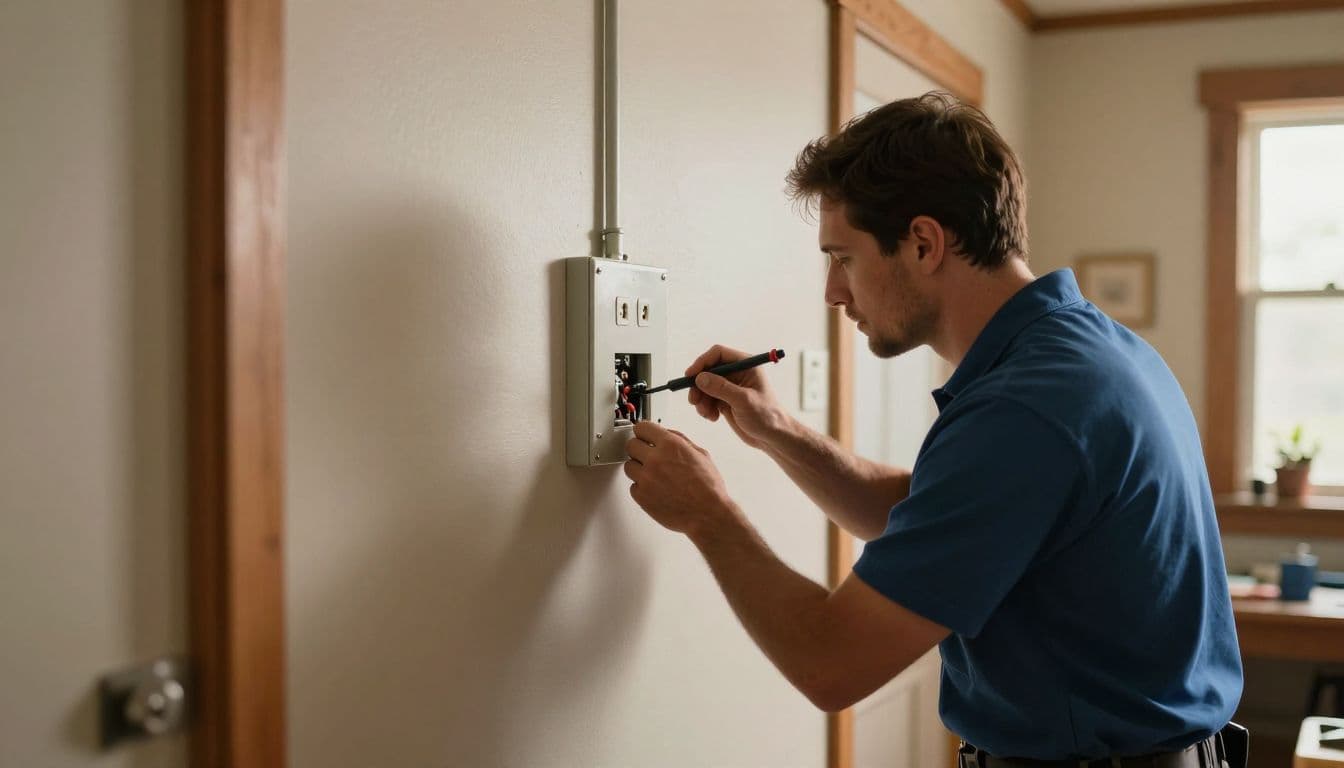
Since the 1996 National Electrical Code changes, new household dryer circuits have generally required four conductors. That includes two ungrounded conductors, a grounded neutral conductor, and a separate equipment grounding conductor. Local amendments and current code editions still matter, so requirements can vary by location.
An existing three-wire dryer circuit may remain in service when it meets the applicable code exception and has no unsafe damage or alterations. However, that exception doesn't give you permission to install a three-slot outlet on a new circuit or extend an old circuit without review.
3-Prong vs 4-Prong Dryer Outlets: The Main Differences
The most important difference is the grounding method. A three-prong dryer cord uses the neutral for both the neutral connection and the dryer's frame bond. A four-prong cord separates those functions.
Most electric dryers use a 30-amp, 120/240-volt circuit, but the dryer's nameplate and installation instructions control. The receptacle pattern must also match the cord and the circuit wiring.
| Feature | 3-prong dryer outlet | 4-prong dryer outlet |
|---|---|---|
| Common receptacle type | NEMA 10-30 | NEMA 14-30 |
| Circuit conductors | Two hot wires and one neutral | Two hot wires, one neutral, and one equipment ground |
| Dryer frame connection | Neutral and frame may be bonded in an approved existing setup | Frame connects to the separate grounding conductor |
| Typical application | Existing older installations | New circuits and many modern replacements |
| Matching dryer cord | Three-wire dryer cord | Four-wire dryer cord |
| Neutral and ground | Combined at the dryer under the older method | Separate at the dryer and receptacle |
A four-prong receptacle isn't safer because it has an extra slot alone. It is safer when that fourth slot connects to a real equipment grounding conductor that runs back to the panel.
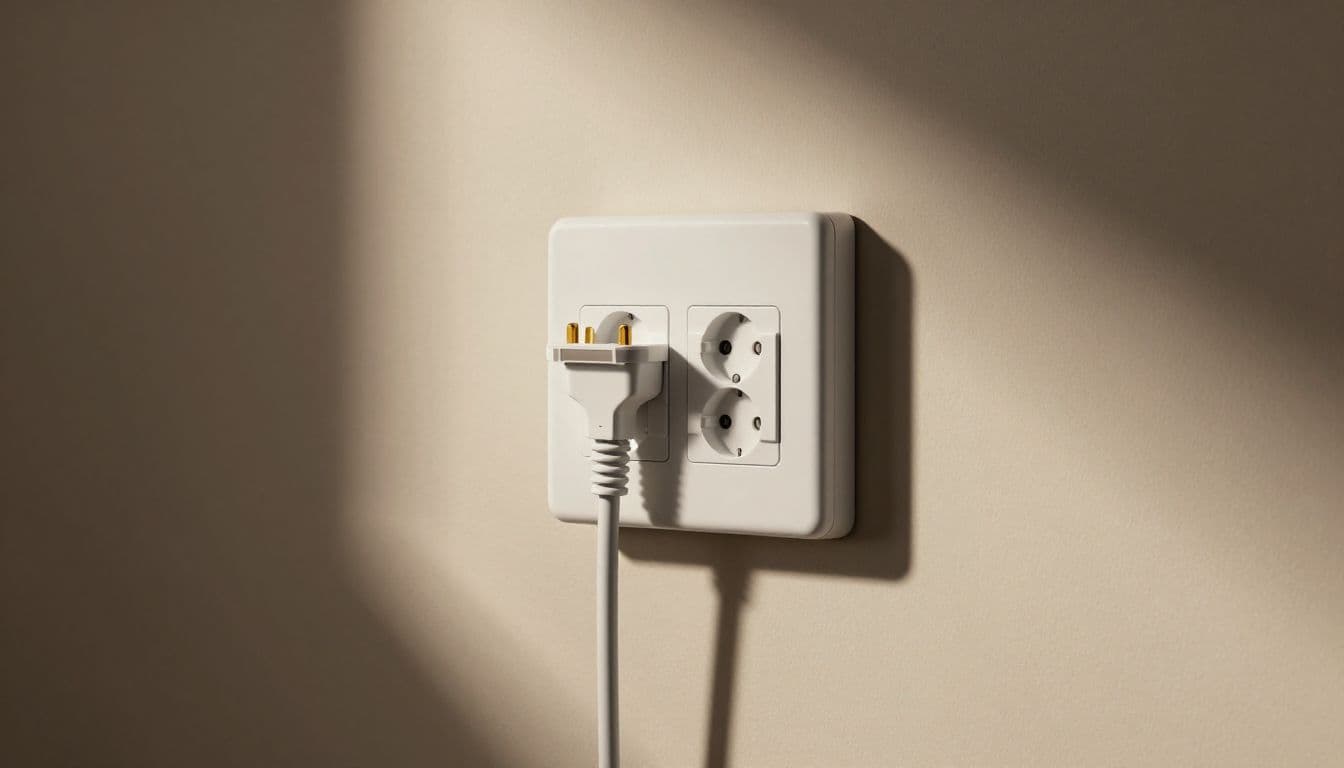
The neutral is not the equipment ground
The neutral carries normal operating current. The equipment grounding conductor normally carries current only during a fault. Keeping them separate helps prevent normal neutral current from flowing on the dryer's metal frame or other bonded metal parts.
On a four-wire dryer installation, the neutral terminal must remain isolated from the cabinet. The factory bonding strap usually needs to be removed or repositioned according to the manufacturer's instructions. On an approved three-wire setup, the bonding connection remains part of the older configuration.
This detail makes dryer wiring different from ordinary household receptacles. A standard 120-volt outlet and a dryer receptacle aren't interchangeable, even if both have three openings or appear similar at a glance.
Can You Replace a 3-Slot Outlet With a 4-Slot Outlet?
You can upgrade an older dryer connection, but the work may involve more than changing the receptacle cover. First, an electrician needs to identify the cable running from the outlet to the electrical panel.
If the existing cable contains two hot conductors, a neutral, and a separate ground, the electrician may be able to install a four-prong receptacle after checking the breaker, box, connections, and grounding path. The dryer will also need a compatible four-wire cord.
If the cable has only three conductors, installing a four-slot receptacle alone doesn't create a ground. It can make the outlet look modern while leaving the dryer's frame without the protection the fourth slot is meant to provide. A new four-conductor cable may need to run between the panel and the laundry area.
The circuit breaker must match the cable and the dryer's electrical requirements. Installing a larger breaker to stop nuisance trips can overheat an undersized cable and create a serious fire risk. The electrician may also check whether the panel has enough capacity and whether the installation requires a permit or inspection.
A four-slot dryer outlet is only a proper upgrade when the fourth slot connects to an equipment grounding conductor.
Panel condition can affect the project as well. If the home has an overloaded, damaged, or outdated panel, the electrician may recommend breaker panel installation and replacement before adding or modifying the dryer circuit.
Electrical requirements vary between municipalities and states. They can also change when you finish a basement, move the laundry room, remodel, or sell the home. A licensed electrician can identify the legal option for the specific property instead of relying on the outlet's appearance.
Choosing the Correct Dryer Cord
A dryer cord must match the receptacle, the circuit, and the dryer's terminal block. The plug shape is a useful clue, but it isn't the only item to check.
A three-wire cord has two hot conductors and a neutral conductor. It belongs with an approved three-wire dryer connection. A four-wire cord adds a separate grounding conductor, which connects to the dryer's metal frame while the neutral remains isolated.
When replacing a cord, follow the dryer's installation instructions. Many manufacturers show different terminal connections for three-wire and four-wire installations. The cord also needs a proper strain-relief clamp so movement doesn't pull on the terminal connections.
Never force a plug into a receptacle or use an extension cord for a full-size electric dryer. These appliances draw substantial current, and ordinary adapters or extension cords may lack the correct ampacity and grounding.
If the dryer has a four-wire cord but the wall has a three-slot outlet, don't cut off the ground pin. If the wall has a four-slot outlet but the dryer has a three-wire cord, don't assume the old cord is acceptable. Replace the cord only when the complete installation supports that wiring method.
Should You Upgrade an Older Dryer Outlet?
A four-wire upgrade often makes sense when you're installing a new dryer, remodeling the laundry room, or opening walls for other electrical work. It also makes sense when the existing receptacle is cracked, loose, discolored, warm to the touch, or showing signs of arcing.
An existing three-prong outlet may not need immediate replacement if it is in good condition and the installation qualifies under the applicable existing-circuit rules. Still, the outlet should be inspected if the home has changed hands, the dryer trips breakers, the cord gets hot, or the receptacle no longer grips the plug firmly.
A licensed electrician should handle any work involving the panel, branch-circuit cable, receptacle wiring, grounding, or breaker changes. Turn off the dryer before checking its cord, but don't open the receptacle or panel unless you have the training and authorization to do so.
The practical answer in a 3-prong vs 4-prong dryer outlets comparison is straightforward: four-wire wiring is the preferred choice for new work , while an existing three-wire setup requires an inspection rather than an automatic replacement.
Conclusion
The difference between three-prong and four-prong dryer connections is the separate equipment grounding path. Older three-wire installations may qualify for continued use, but a four-wire circuit offers better protection when installed correctly.
Match the dryer cord to the receptacle and the circuit wiring. Never use an adapter to replace a missing ground, and have a licensed electrician evaluate any outlet, cable, breaker, or panel change. That approach keeps the dryer compatible, grounded, and compliant with local requirements.
Dryer Outlet FAQ
Can I use a three-prong dryer cord with a four-prong outlet?
No. The cord and receptacle must match the wiring system. A three-wire cord doesn't provide the separate equipment grounding conductor required by a four-wire connection. Use the cord specified for the dryer and have the circuit checked if the plug and outlet don't match.
Are adapters safe for converting a three-prong dryer outlet to four prongs?
An adapter doesn't add a missing grounding conductor. It can hide the wiring problem while leaving the dryer's frame improperly grounded. Don't use an adapter as a substitute for a correctly wired receptacle and circuit.
Does a three-prong dryer outlet have a ground?
It may bond the dryer's frame to the neutral in an older installation that meets the applicable code exception. That isn't the same as having a separate equipment grounding conductor. A qualified electrician should inspect the setup before you rely on it.
Should I upgrade a three-prong outlet in an older home?
Upgrade it when installing a new circuit, replacing incompatible wiring, remodeling, or correcting a damaged installation. If the existing three-wire circuit is intact and legally permitted, it may remain in service. Local code requirements vary, so have a licensed electrician make the final determination.