
Are Interchangeable Circuit Breakers Safe?

Contact Us
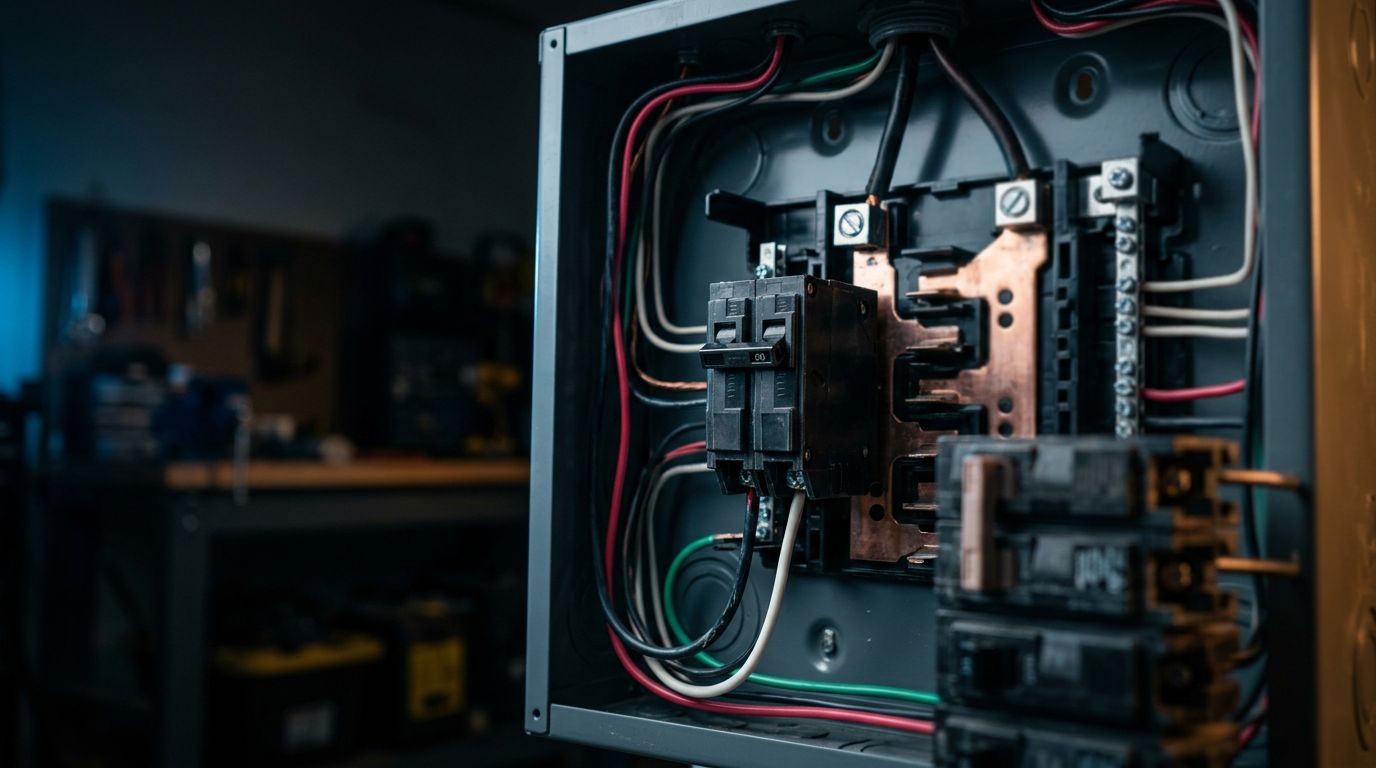
A breaker can slide into an electrical panel and still be the wrong part. Interchangeable circuit breakers must match the panel's listing, bus design, electrical ratings, and installation requirements.
That means you shouldn't choose a replacement based on brand name, color, or physical fit alone. The panel label and the breaker manufacturer's compatibility information matter more than appearance. Before replacing one, learn what makes a breaker acceptable for your specific panel.
The Short Answer: Usually, No
Circuit breakers aren't automatically interchangeable between electrical panel brands. A Square D breaker, for example, isn't automatically approved for an Eaton, Siemens, or GE panel. Even two panels from the same manufacturer may require different breaker families.
Each panelboard is evaluated with particular breakers. The breaker connects to the panel's bus in a specific way, and the connection must provide the correct mechanical support and electrical contact. The manufacturer also evaluates heat, short-circuit performance, wire connection points, and the breaker's operation during a fault.
A breaker that fits the bus may still lack approval for that panel. If it doesn't have the correct listing or classification, the installation may violate the product instructions and local electrical code.
The same rule applies to replacement breakers made by third-party manufacturers. Some are classified for use in specific panel types. Others are only listed as products on their own. A classified breaker can be acceptable when its labeling names your panel and the installation follows all instructions. A generic breaker with a similar shape is not enough.
Panel labels often identify the approved breaker type near the inside of the door. The information may include a catalog number, voltage rating, maximum amperage, short-circuit rating, and approved tandem or specialty breakers. That label is the starting point for selecting a replacement.
What Makes Interchangeable Circuit Breakers Acceptable?
People often use "interchangeable" to describe a breaker that appears to fit. Electrical safety requires a more precise test. A replacement breaker must satisfy several conditions at the same time.
Physical fit is only the first check
The breaker must connect properly to the panel bus. It also needs the right mounting arrangement, terminal location, and spacing. A breaker that rocks, sits at an angle, or requires excessive pressure does not belong in the panel.
Some breaker families have similar dimensions but different bus clips or mounting features. A small difference can affect contact pressure and create a hot connection. Heat damage may develop behind the breaker before anyone notices a problem.
Electrical ratings must match the circuit
The replacement needs the correct voltage and pole configuration. A single-pole breaker, two-pole breaker, and three-pole breaker don't perform the same job. A two-pole breaker also needs to connect to the correct bus phases for a 240-volt circuit.
The amperage rating must match the circuit conductors and equipment requirements. Installing a larger breaker to stop nuisance trips can allow the wiring to carry more current than it can safely handle.
The breaker also needs an adequate interrupting rating. This rating describes the fault current the breaker can safely stop. Panel labels and breaker markings provide the information needed for this check.
The protection type must match the application
Standard thermal-magnetic breakers aren't substitutes for AFCI, GFCI, or dual-function breakers when those protections are required. AFCI breakers protect against certain arc faults, while GFCI breakers help protect people from ground-fault shock hazards.
A replacement may also need a neutral pigtail, plug-on neutral connection, handle tie, or common-trip mechanism. Those details depend on the breaker and panel design. Matching the amp rating alone doesn't complete the selection.
A breaker can be the correct size for a circuit and still be an unapproved choice for the panel.
How to Match a Breaker to Your Electrical Panel
Start with the panel, not the replacement part. Locate the manufacturer's label inside the door or on the panel interior. Record the panel brand, model or catalog number, maximum rating, and any breaker types listed as acceptable.
Next, read the markings on the existing breaker. Look for the manufacturer name, series designation, amperage, voltage, pole count, and protection type. A product family name can be more useful than the brand alone. For example, one manufacturer may sell separate breaker families for different panel designs.
Use the panel instructions or the manufacturer's current compatibility documentation to verify the part number. If a classified replacement is under consideration, check that its classification includes the exact panel series. Do not rely on a salesperson's assumption that two brands are equivalent.
The following details need review before installation:
| Check | What to verify |
|---|---|
| Panel identity | Brand, model, series, and panel labeling |
| Breaker approval | Listed or classified for that specific panel |
| Electrical rating | Voltage, amperage, poles, and interrupting rating |
| Circuit protection | Standard, AFCI, GFCI, or dual-function requirements |
| Connection style | Bus clip, plug-on neutral, pigtail, terminal, and mounting |
| Circuit capacity | Wire size and equipment rating support the breaker size |
| Local requirements | Current code rules, permits, and inspection requirements |
The panel label takes priority over a general brand chart. If the label is missing, damaged, or difficult to read, a licensed electrician can identify the equipment and confirm a safe replacement.
Tandem or slim breakers need extra care. A panel may have spaces that physically accept a tandem breaker, but the manufacturer may approve tandems only in marked positions. The panel's maximum circuit count and bus design also matter.
Why Mixing Breaker Brands Can Create Problems
Mixing brands inside a panel isn't automatically unsafe, but unapproved mixing is a problem. A panel may accept a classified breaker from another manufacturer, but that permission must appear in the breaker's documentation or the panel's approved equipment information.
Without that approval, several risks can follow. Poor bus contact can produce resistance and heat. A breaker may fail to trip at the intended current. The mounting clip may not hold the breaker correctly during a short circuit. The cover may also fail to seat properly if the breaker dimensions differ.
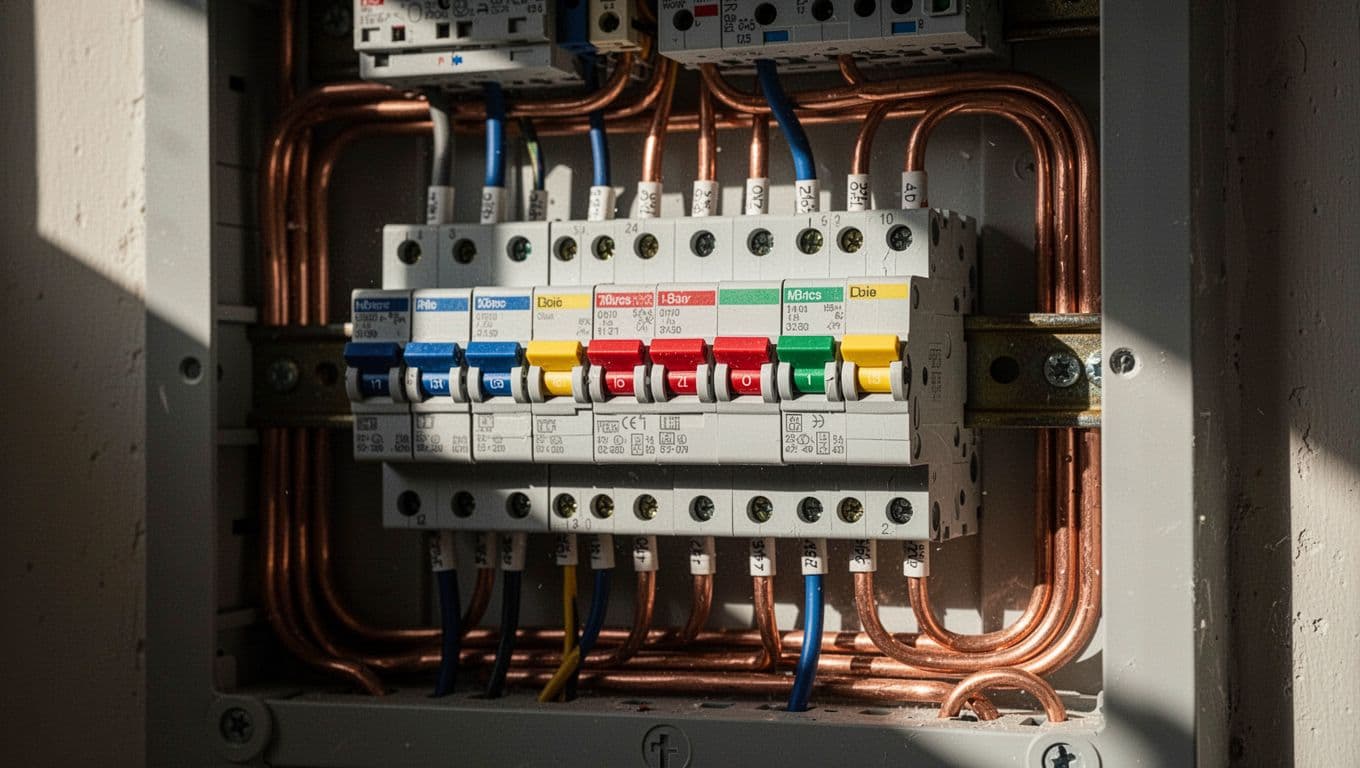
Older panels need an even closer inspection. Corrosion, overheating, damaged bus bars, loose connections, and obsolete equipment can make a breaker replacement a poor repair. A new breaker won't correct a damaged bus or an overloaded service.
Frequent trips also need diagnosis. The cause could be an overloaded circuit, a failing appliance, a short circuit, a loose connection, or a defective breaker. Replacing the breaker with a larger model can hide the warning while increasing fire risk.
Homeowners should also avoid modifying breakers, filing mounting parts, forcing a breaker onto the bus, or removing internal components. These actions can damage the panel and remove the manufacturer's safety approval.
If your panel shows heat discoloration, a burning smell, buzzing, rust, melted plastic, or repeated trips, stop resetting the breaker and arrange an electrical inspection. Sirois Electric's guide to the signs your home needs an electrical panel upgrade can help you recognize conditions that need prompt attention.
When a Breaker Replacement Is Not Enough
A compatible replacement may solve a single failed-breaker problem, but the panel could need a larger repair. This is common when the electrical system has added loads since the original installation.
Electric vehicle chargers, heat pumps, electric ranges, air-conditioning equipment, generators, and finished living spaces can place new demands on a service. The panel may lack open spaces, adequate capacity, or the required protection for new circuits.
A panel upgrade may also make sense when the existing equipment is obsolete or damaged. The electrician may find that the service size, meter equipment, grounding, or service entrance needs work as part of the project. In that case, replacing one breaker doesn't address the full safety issue.
Panel work also involves permit and inspection requirements in many Massachusetts communities. Local rules vary, so a qualified electrician should confirm what the authority having jurisdiction requires before work begins.
The breaker panel installation and replacement service is relevant when the panel itself is the weak point. A professional can identify the existing equipment, calculate load requirements, select listed components, and install the replacement according to the manufacturer's instructions.
What Homeowners Should Do Before Replacing a Breaker
You can gather useful information without opening the panel or touching its components. Look at the outside label and write down the panel brand and model. Note which circuit is affected and what appliances or rooms it supplies.
Then watch for symptoms that change the urgency of the repair. Burning odors, warm panel surfaces, visible discoloration, buzzing, crackling, and repeated tripping call for professional attention rather than trial-and-error replacement.
Do not remove the dead front unless you are qualified to work inside electrical equipment. Turning off the main breaker may shut down branch circuits, but energized parts can remain inside the panel. Electricity can cause severe injury or death without obvious warning.
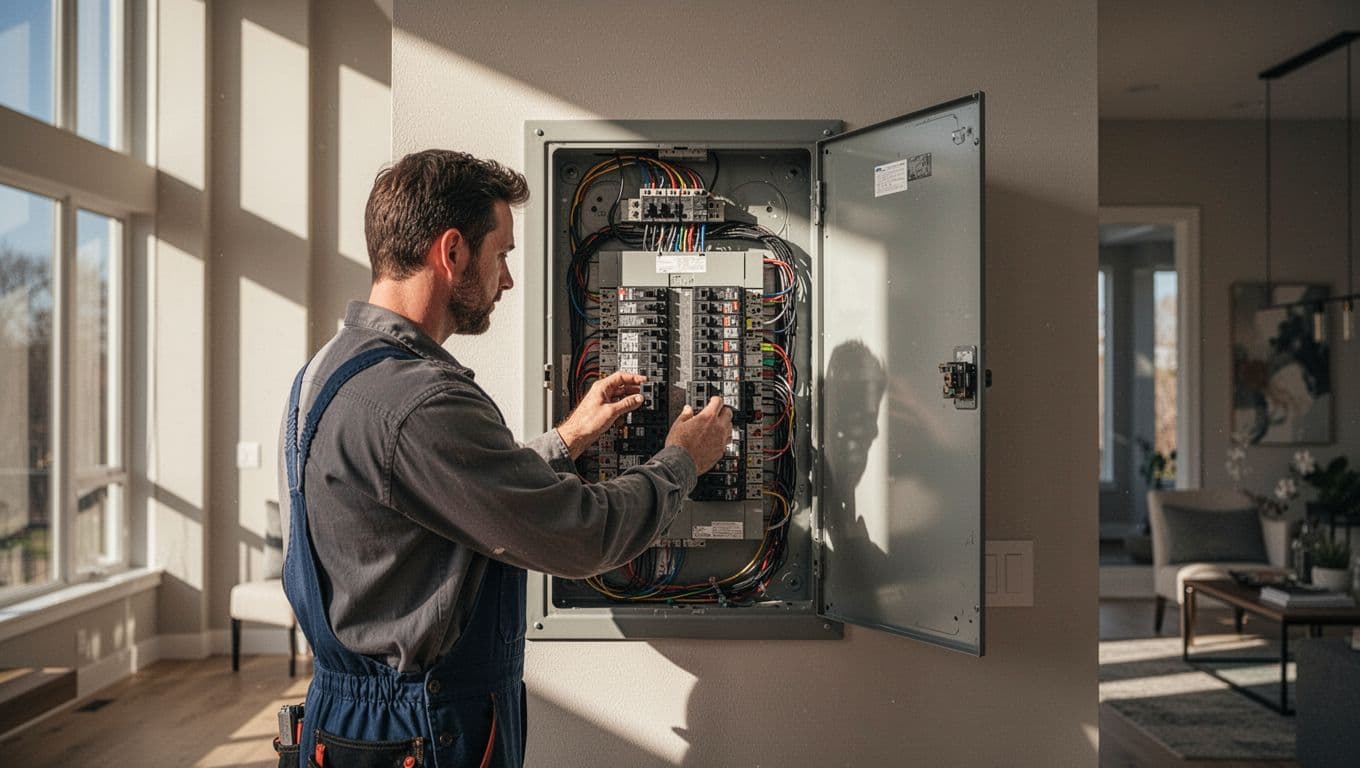
A licensed electrician will typically confirm the panel identity, inspect the bus and connections, verify conductor size, and check the circuit's actual load. The electrician can then install a breaker that is listed or classified for that panel, or recommend a larger correction when the existing equipment cannot support the circuit.
Local code requirements must also guide the work. A breaker approved in one panel may still need a particular installation method, protection type, or handle arrangement for the circuit. Brand assumptions are never a substitute for the panel label, product documentation, and code review.
Conclusion
Interchangeable circuit breakers are not determined by appearance or brand familiarity. A safe replacement must be listed or classified for the specific electrical panel and must match the circuit's voltage, amperage, poles, protection, and wiring.
Check the panel label and local code requirements before selecting a part. Never force, modify, or install an unlisted breaker. When the panel is old, damaged, or repeatedly tripping, a professional inspection is safer than replacing parts by trial and error.