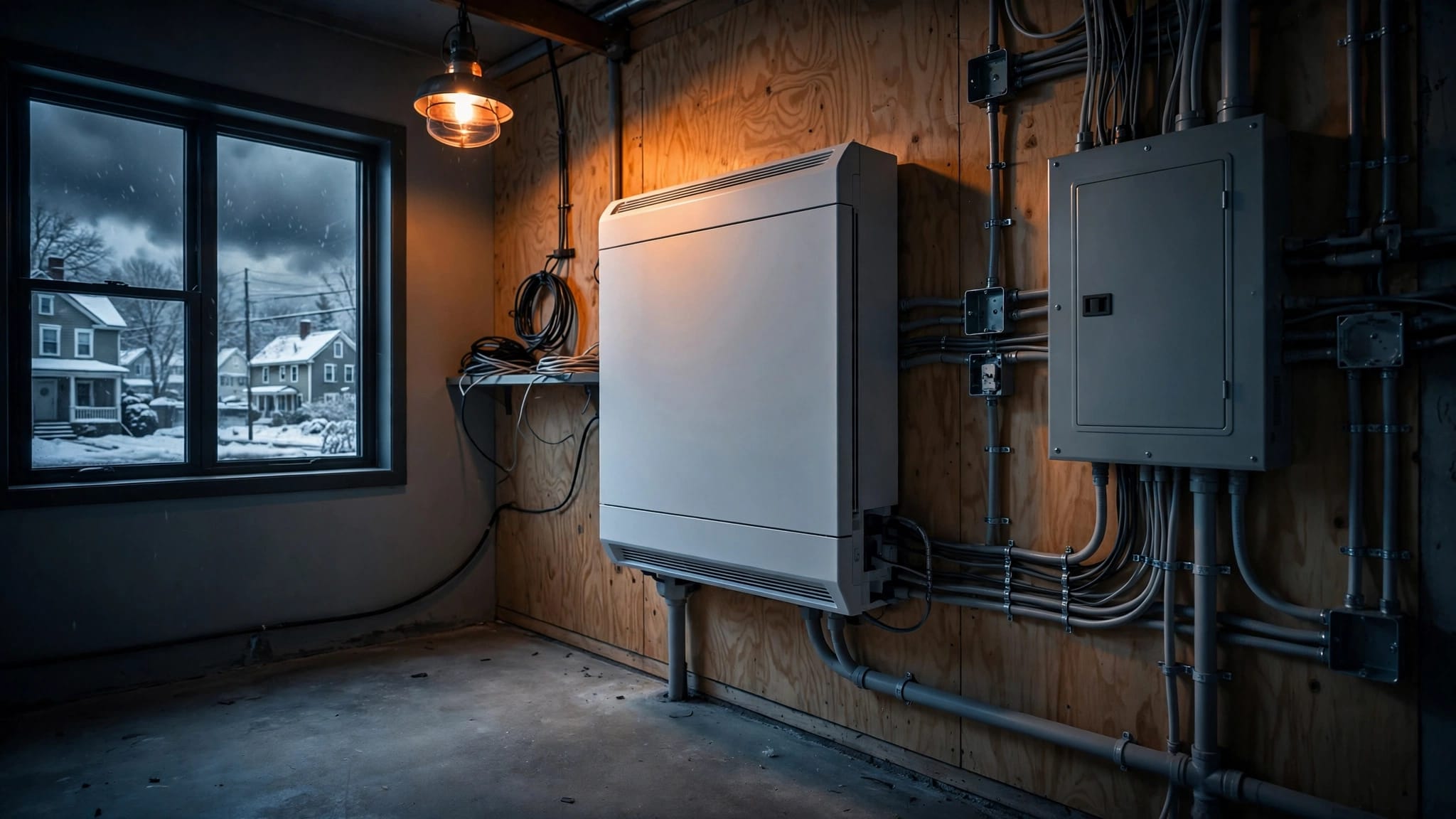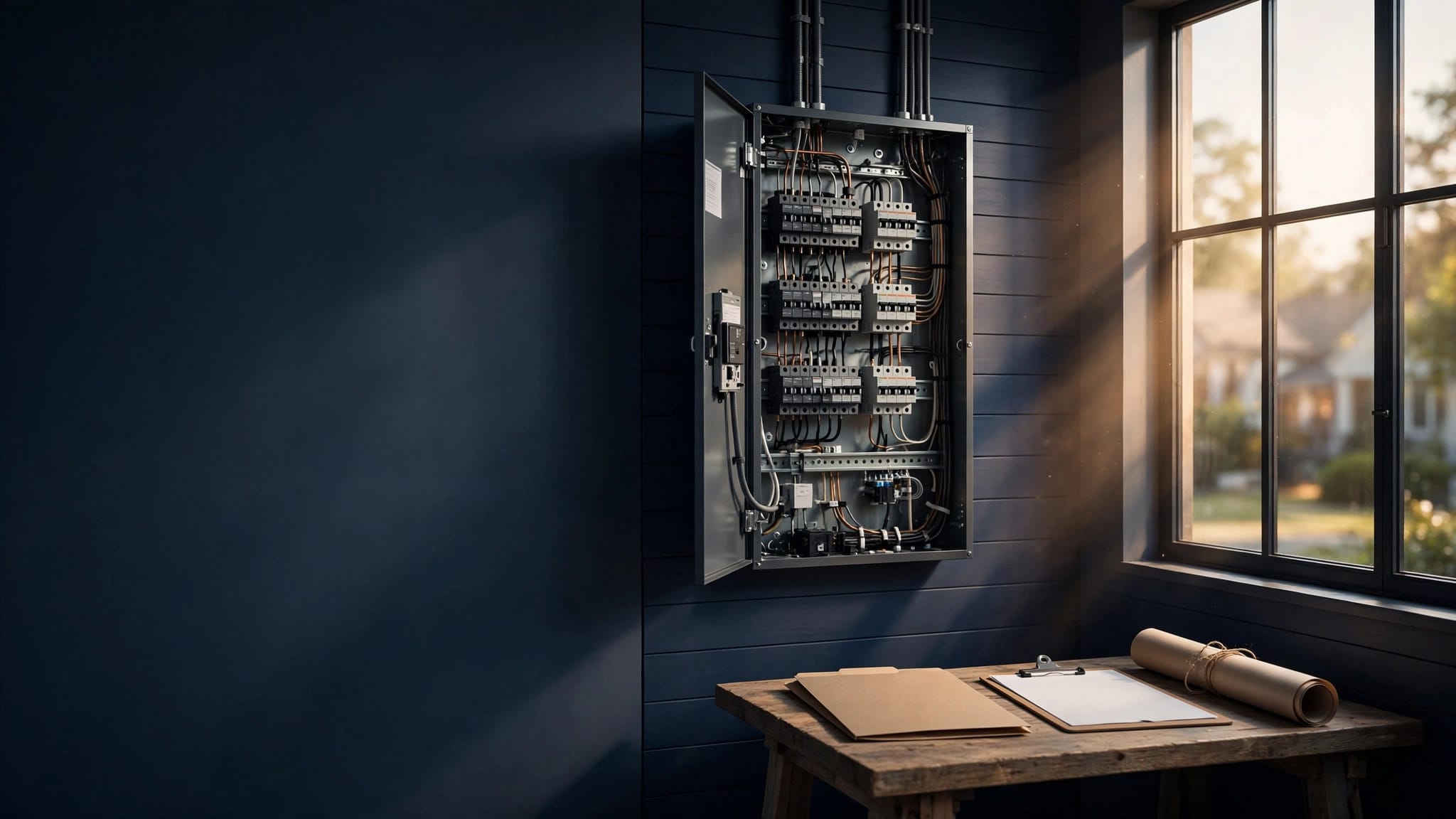

What a Meter Main Panel Means in Greater Boston Homes

Contact Us
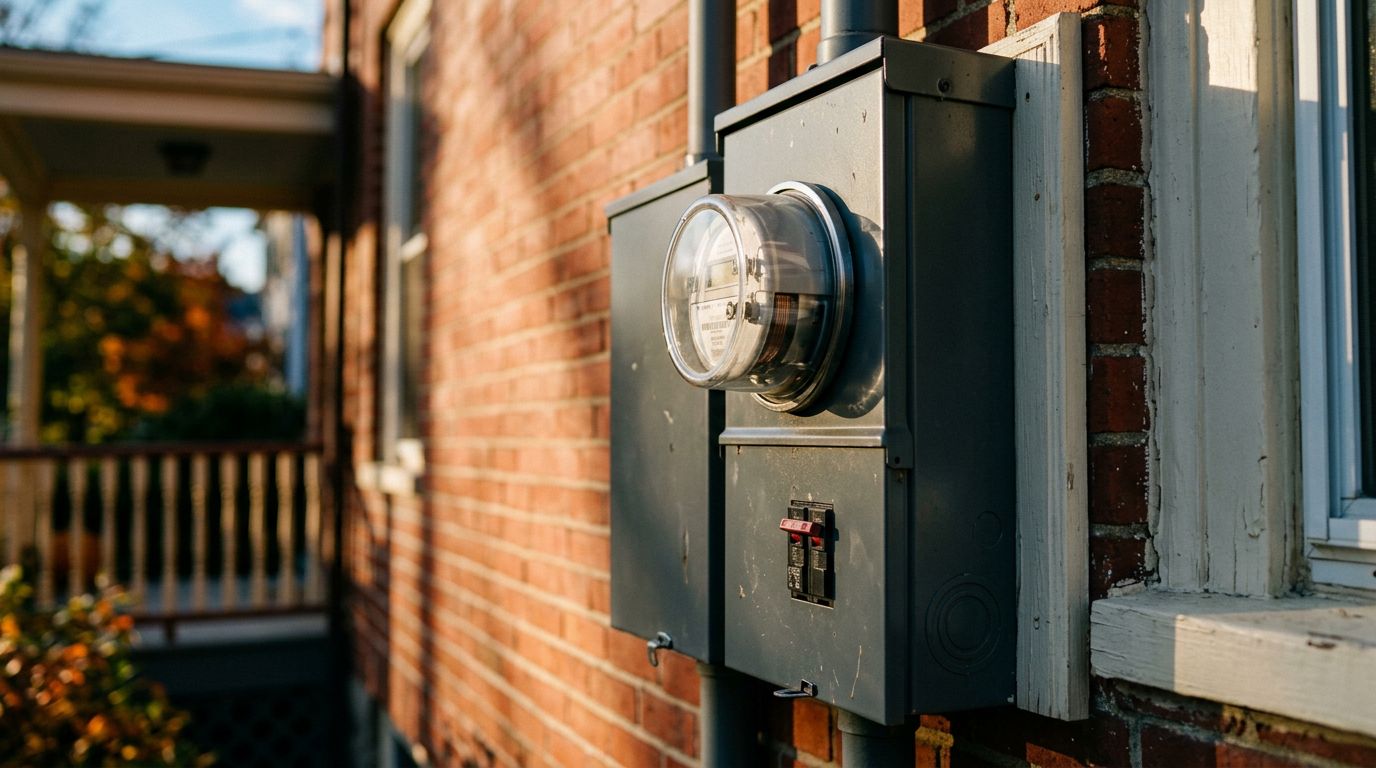
A meter main panel combines your home's electric meter enclosure with the main disconnect in one outdoor cabinet. If you live in an older Greater Boston house, that equipment may be the difference between a system ready for modern loads and one struggling to keep up.
Homeowners often see the panel during a renovation, service call, or home inspection and wonder whether it needs replacement. The answer depends on the panel's condition, service capacity, wiring, grounding, and the requirements of your utility. Here's what to know before planning electrical work.
What a Meter Main Panel Does
Electricity enters your home through the service entrance conductors. The utility meter measures how much electricity your household uses. The main disconnect lets an electrician shut off power to the home's distribution system.
In a meter main panel, these functions sit together in an exterior enclosure. The meter occupies one section, while the main breaker or disconnect occupies another. Feeders then carry power to the interior breaker panel, where individual circuit breakers protect branch circuits.
A meter main panel may be installed on the side of a house, near the service entrance, or in another location approved for the property. The exact layout varies with the home's age, service size, wiring method, and utility requirements.
The equipment is different from an interior breaker panel. An indoor panel distributes power to lighting, receptacles, appliances, heating equipment, and other circuits. The outdoor meter main handles the service connection and primary shutoff.
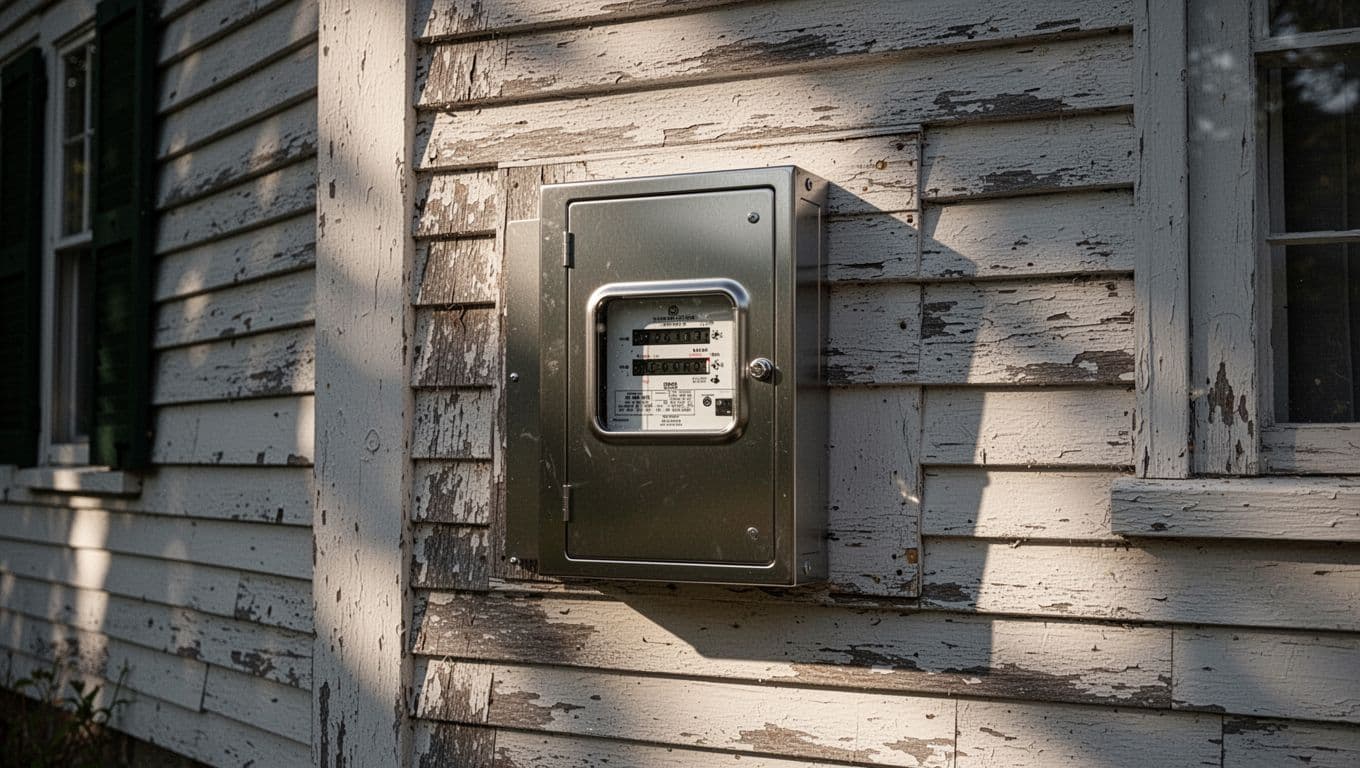
A damaged cover, rusted enclosure, loose connection, or overheated component can create a serious safety concern. Never open the meter section or remove covers yourself. Only a qualified, licensed electrician should inspect, repair, replace, or upgrade service equipment.
Why Older Greater Boston Homes Need Extra Attention
Many homes in Boston, Cambridge, Somerville, Medford, Arlington, Waltham, and surrounding communities were built before today's electrical demands became common. A system that once powered basic lighting and a few appliances may now supply central air conditioning, electric heat, a heat pump, an induction range, an EV charger, and home office equipment.
The original service may be rated at 60 or 100 amps. Some homes have already received partial upgrades, which can make the system harder to evaluate. For example, an interior breaker panel may look newer while the outdoor meter socket, service conductors, or main disconnect remain outdated.
Older service equipment can also show physical damage. Inspectors often find corrosion, water entry, loose fittings, cracked insulation, missing knockouts, or conductors that don't match the equipment. Coastal air, winter moisture, freeze-thaw cycles, and years of exposure can affect exterior equipment across Greater Boston.
Other older-home concerns include:
- Fuse boxes or obsolete breaker equipment that no longer matches the home's needs.
- Knob-and-tube wiring or cloth-insulated conductors in portions of the house.
- Ungrounded circuits and limited grounding electrode systems.
- Service entrances that are too small for planned additions.
- Panels located in damp, cramped, or difficult-to-access areas.
A panel replacement doesn't automatically correct every wiring problem. The electrician must inspect the broader service and identify conditions that could affect safety, capacity, or code compliance.
How Service Capacity Affects Your Home
The service rating tells you how much electrical capacity the property has available. Common residential ratings include 100 amps and 200 amps, although some homes have other configurations.
Capacity isn't determined by adding every breaker handle. A 20-amp breaker doesn't mean the circuit constantly draws 20 amps, and the total of all breaker ratings can exceed the service rating. Instead, an electrician performs a load calculation based on the home's equipment and expected use.
The following comparison gives a general starting point, not a recommendation for a particular property.
| Service size | Common fit | What may require a closer review |
|---|---|---|
| 60 amps | Older homes with limited electrical equipment | Electric heat, central air, large appliances, or renovation plans |
| 100 amps | Smaller homes with moderate loads | EV charging, heat pumps, additions, workshops, or multiple electric appliances |
| 200 amps | Many modern single-family homes | Electric heating, multiple EV chargers, large additions, or all-electric conversions |
A 200-amp service isn't always necessary, and installing one doesn't solve every electrical problem. The right size depends on the calculated load, available utility service, physical space, service conductors, and the future plans for the home.
For instance, a homeowner planning an EV charger may need a dedicated circuit but not a complete service upgrade. In another house, an EV charger combined with electric resistance heat and a heat pump could make a larger service or approved load-management system more practical.
The panel's age and condition matter just as much as its amp rating. A newer 100-amp panel in good condition may be safer than a damaged 200-amp panel with poor connections.
When a Meter Main Panel May Need Replacement
A qualified electrician should inspect service equipment whenever you notice signs of overheating, damage, or inadequate capacity. Homeowners should never touch exposed conductors or attempt to reset a main disconnect that appears damaged.
Common warning signs include:
- Flickering lights that occur across multiple circuits.
- A burning odor near the panel or meter enclosure.
- Warm, discolored, melted, or buzzing equipment.
- Rust, condensation, or visible water inside the exterior cabinet.
- Breakers that trip repeatedly without an obvious cause.
- A main breaker that won't reset or feels loose.
- Frequent use of extension cords for permanent appliances.
- An inspection report that identifies obsolete or unsafe equipment.
A single tripped breaker doesn't prove that the meter main needs replacement. The cause may be an overloaded branch circuit, a failing appliance, a short circuit, or a wiring fault. Repeated trips deserve investigation rather than repeated resets.
Some panel brands and components also have known safety concerns, but brand identification alone doesn't determine whether replacement is required. The electrician should examine the actual equipment, connections, installation, and operating conditions. You can also review these warning signs your home needs an electrical panel upgrade before scheduling an evaluation.
What a Meter Main Upgrade Involves
A meter main upgrade may be a straightforward enclosure replacement, or it may involve work throughout the service. The electrician starts by inspecting the existing meter socket, main disconnect, service entrance, grounding, bonding, interior panel, and available capacity.
The work may include replacing the outdoor meter main, installing a new main breaker, correcting service conductors, improving grounding, adding surge protection, or replacing the interior distribution panel. If the home's service size changes, the project may also require new conductors and modifications at the point where utility power connects.
Utility coordination is often part of the process. In Greater Boston, the responsible electric utility must follow its own requirements for meter access, disconnects, service connections, inspections, and re-energizing the property. The electrician can explain which steps involve the utility and which steps involve the local building or electrical department.
Permits and inspections may also apply. Requirements vary by municipality, so the process in Boston may differ from the process in Burlington, Newton, Quincy, or another nearby community. A licensed electrician should handle the technical work and identify the permits and approvals required for the project.
A new panel doesn't increase the utility's available capacity by itself. The service size, conductors, equipment, and utility connection must all support the upgrade.
During the work, power will usually be unavailable for a period of time. Ask how the electrician will protect sensitive electronics, coordinate utility access, restore circuits, and address any unexpected conditions behind the existing equipment.
What Does a Meter Main Panel Upgrade Cost?
The price depends on the work's scope. Replacing one panel is different from increasing service capacity, replacing an exterior service entrance, repairing concealed wiring, or upgrading an older home with multiple electrical issues.
Published Greater Boston pricing ranges for 2026 place a simple panel replacement around $900 to $3,000. A 100-amp to 200-amp service upgrade often falls around $1,600 to $4,000, while a full service upgrade involving meter work, service entrance changes, grounding, and utility steps may cost $3,000 to $8,000.
Older homes can require more extensive work. Knob-and-tube wiring, difficult access, wall repairs, trenching, structural changes, or multiple code corrections can push a project to $5,000 or much higher. These figures are planning ranges, not a quote for your property. You can review this service upgrade pricing guide for Greater Boston for additional context.
A written estimate should identify the service size, equipment included, permit responsibilities, utility coordination, expected outage, and any exclusions. It should also state whether the price covers only the meter main or includes the interior panel and service entrance.
A low estimate may omit necessary corrections. A high estimate may include work your home doesn't need. Comparing detailed scopes is more useful than comparing one total number.
Choosing the Right Electrician for the Work
Service equipment requires more experience than replacing a standard light fixture or adding a receptacle. Ask whether the electrician is licensed for the work in Massachusetts and whether the company regularly handles residential service upgrades in your community.
Look for a contractor who will:
- Perform a load calculation before recommending a service size.
- Inspect the complete service, not only the visible breaker panel.
- Use equipment listed for the intended application and environment.
- Explain utility, permit, and inspection requirements.
- Identify damaged or obsolete wiring before installation begins.
- Provide a clear written scope and warranty information.
The electrician should also ask about your plans. A service designed for today's loads may need a different approach if you expect to add an EV charger, heat pump, electric range, finished basement, accessory dwelling space, or backup generator.
For panel replacement work, Sirois Electric provides breaker panel installation and replacement for Greater Boston properties. Regardless of contractor, the inspection should be tailored to the home's age, equipment, and future electrical demand.
Conclusion
A meter main panel is the outdoor point where utility metering and the home's main electrical disconnect come together. In older Greater Boston homes, its condition, service rating, and connection to the interior panel deserve careful review before renovations or new electric equipment.
A licensed electrician can determine whether you need a repair, panel replacement, service-capacity upgrade, or broader wiring work. The safest choice comes from a complete evaluation that includes the utility connection, grounding, conductors, interior distribution equipment, and your home's planned loads.