

Electrical Bonding vs. Grounding in Older Greater Boston Homes

Contact Us
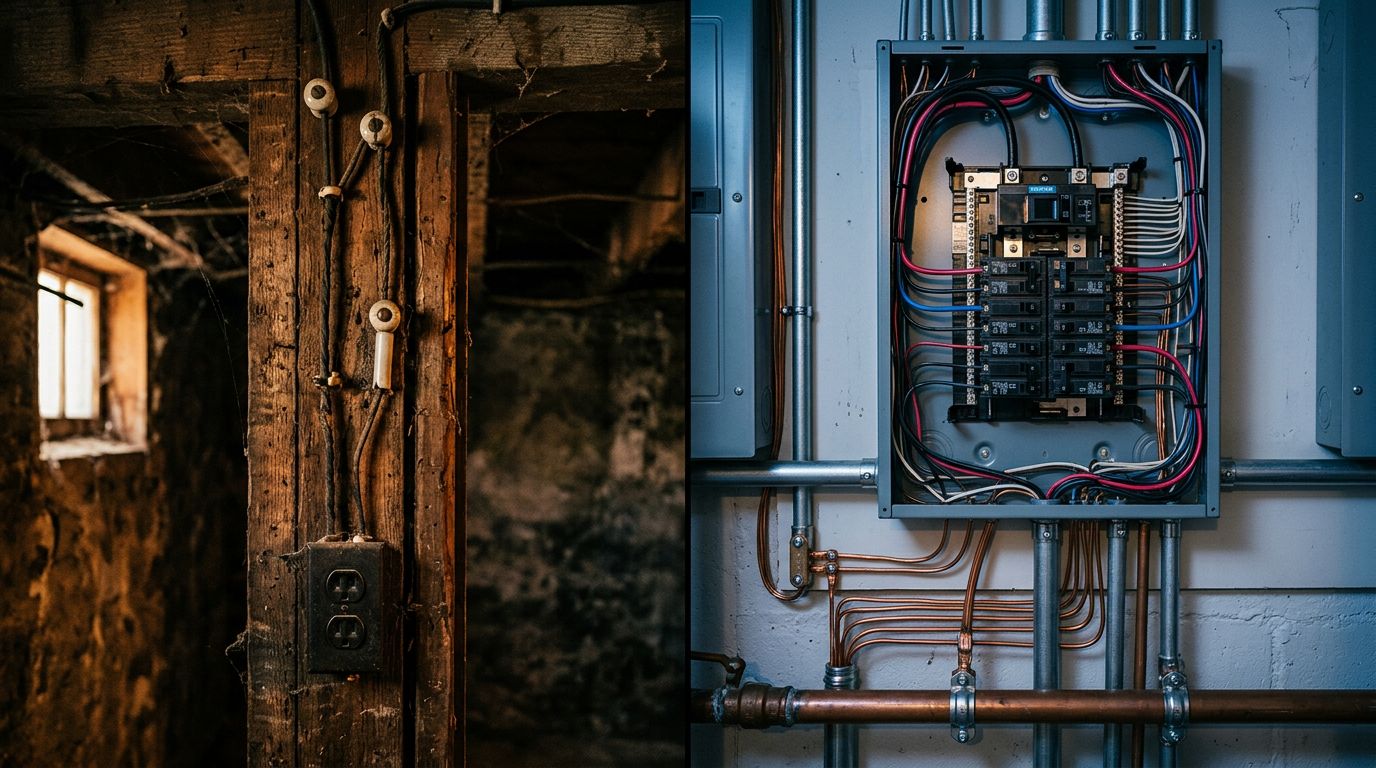
A grounded-looking outlet can still hide a serious electrical problem in an older Greater Boston home. Homes built before modern wiring practices often contain a mix of updated circuits, original materials, and repairs completed decades apart.
The difference between electrical bonding and grounding matters because each protects against a different hazard. Grounding connects the electrical system to the earth, while bonding connects metal components so fault current can return to the source and trip a breaker. Older homes need a professional assessment because those systems may be incomplete, altered, or incompatible.
Key Takeaways
- Grounding connects the electrical system to earth and helps control surges and voltage.
- Bonding connects exposed metal parts and creates a low-impedance path for fault current.
- A ground rod does not automatically make two-slot outlets safe or grounded.
- Knob-and-tube wiring, two-wire circuits, old panels, and mixed renovations require careful inspection.
- A Massachusetts-licensed electrician should inspect or modify bonding and grounding conductors.
Bonding and Grounding Do Different Jobs
Grounding and bonding work together, but they aren't interchangeable.
Grounding connects an electrical system or grounded conductor to the earth through a grounding electrode system. That system may include ground rods, a concrete-encased electrode, a metal water pipe electrode, or other approved electrodes. Grounding helps stabilize system voltage and provides a path for lightning or certain line surges to dissipate into the earth.
Bonding connects normally non-current-carrying metal parts. These parts can include metal electrical boxes, equipment cabinets, metallic raceways, and certain metal water or gas piping systems. If a hot conductor contacts one of those parts, bonding provides a low-impedance path back to the electrical source. The resulting fault current should operate the breaker or fuse.
| System | Main connection | Primary purpose |
|---|---|---|
| Grounding | Electrical system to earth | Stabilize voltage and dissipate certain surges |
| Bonding | Metal components to each other and the source | Clear faults and reduce shock risk |
| Equipment grounding path | Receptacle or equipment grounding point back to the source | Help a breaker trip when equipment becomes energized |
The terms can become confusing because a bare copper or green insulated conductor may appear in either system. The wire's color doesn't tell the whole story. Its route, connection point, size, and purpose determine whether it is acting as a grounding electrode conductor, equipment grounding conductor, or bonding jumper.
A ground rod outside the home is also different from the grounding contact on a receptacle. The rod helps connect the service to earth. The receptacle grounding path must connect back through the home's electrical system so a fault can return to the source. One cannot substitute for the other.
Why Older Greater Boston Homes Need a Closer Look
Greater Boston includes housing stock from many periods. A home in Burlington, Lexington, Waltham, Cambridge, or Boston may have wiring installed under older rules, followed by additions, panel replacements, kitchen renovations, and basement finishes.
That history creates conditions a quick visual check may miss. Common concerns include:
- Knob-and-tube wiring , which often lacks an equipment grounding conductor
- Two-wire branch circuits with no separate grounding path
- Old armored cable with uncertain continuity between sections
- Metal boxes that aren't properly connected to the equipment grounding path
- Improper neutral-to-ground connections in subpanels or remodeled areas
- Abandoned wiring left behind after partial upgrades
- Corroded or altered grounding electrode connections
- Plumbing changes that interrupt an older bonding path
Some older systems remain in service because they haven't been disturbed or because a previous inspection found them acceptable under the rules applying at that time. However, a system can still present a hazard if wiring has deteriorated, connections have loosened, or later work created an unsafe combination.
A modern three-slot receptacle on an old two-wire circuit is a common warning sign. Replacing the receptacle alone doesn't create a grounding path. It may give the appearance of protection while leaving fault current with no reliable route back to the panel.
What Bonding Looks Like in an Old House
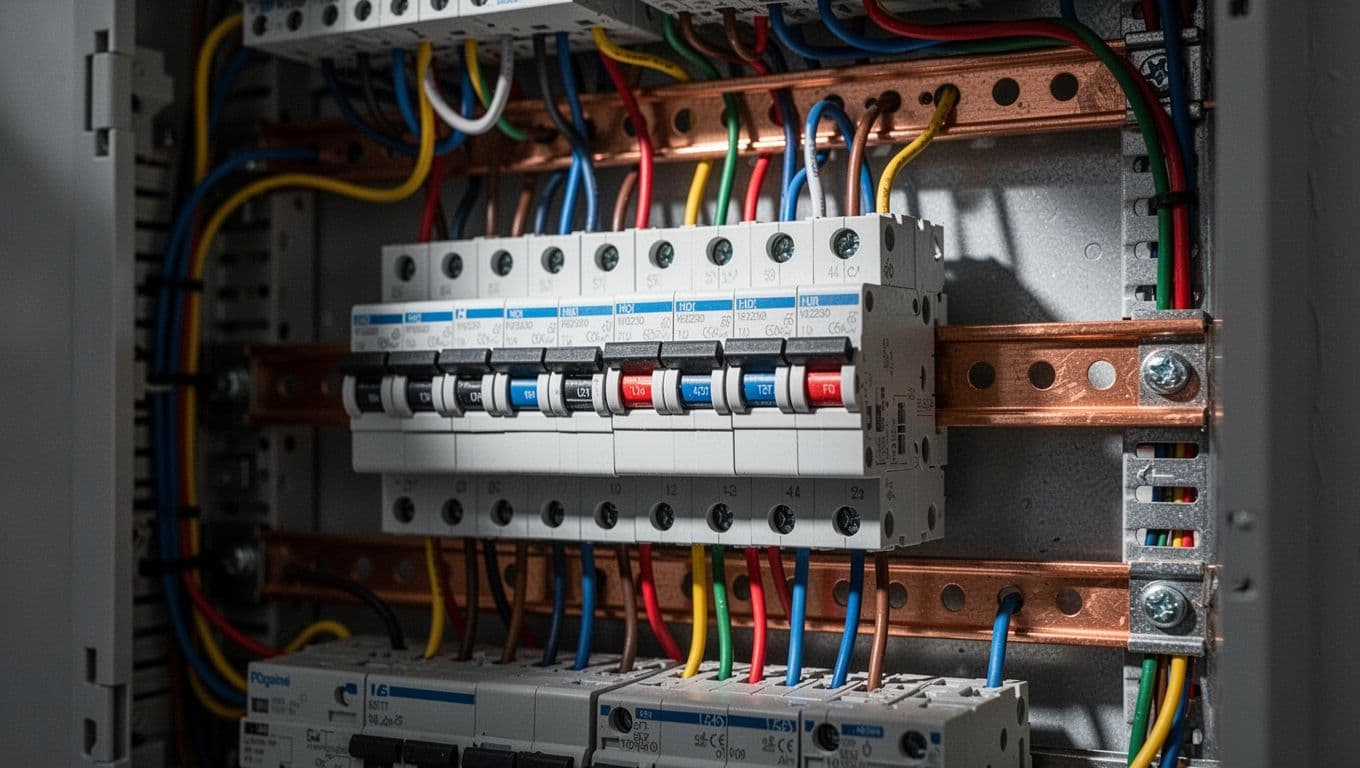
Bonding keeps accessible metal parts at nearly the same electrical potential. That matters because a person can become the connection between two energized metal surfaces when the system lacks a proper fault path.
For example, a fault inside a metal electrical box could energize the box, a conduit, or a metal equipment cabinet. A properly bonded system carries fault current through the intended metallic path. The breaker can then open the circuit before someone touches the energized surface.
In an older home, an electrician may evaluate continuity between:
- Metal junction boxes and device grounding terminals
- Metal conduit, fittings, and panel enclosures
- Electrical equipment and its branch-circuit grounding path
- Service equipment and the grounding electrode system
- Metal water piping and other required bonding points
- Gas piping, where applicable under current code and the installation's conditions
Older metal plumbing deserves careful attention. A replacement section of plastic pipe can interrupt electrical continuity that once existed through metal piping. A water service may also include fittings, meters, or repairs that change the path. An electrician must assess the complete installation instead of assuming that a visible copper or steel pipe provides an acceptable bond.
The main bonding connection at service equipment also requires professional judgment. Neutral and equipment grounding conductors have specific roles, and connections that are correct at the service disconnect can be unsafe in downstream panels. Improper bonding in a subpanel can place normal return current on metal paths, including enclosures and piping.
A bonding connection is only useful when it forms a dependable path back to the source. A loose screw, painted surface, corroded fitting, or interrupted raceway can defeat that path.
What Grounding Does, and What It Cannot Do
Grounding connects the electrical system to earth. In a typical residence, the grounding electrode system may connect at the service equipment through a grounding electrode conductor. The electrode itself could be a ground rod, Ufer grounding electrode, metal water pipe, or another approved method.
This connection helps manage voltage between the electrical system and earth. It can also provide a route for certain surges, including those caused by lightning or utility events. Grounding supports overall system stability, but it doesn't replace the equipment grounding path required for ordinary branch-circuit fault protection.
That distinction matters when homeowners see a ground rod and assume their outlets are protected. A rod driven into the soil doesn't repair an ungrounded bedroom circuit. It doesn't connect a missing grounding conductor to a receptacle. It also doesn't make a damaged panel, loose neutral, or incorrect bonding connection safe.
Older Greater Boston homes may have grounding electrodes installed during a service upgrade even though some interior branch circuits remain ungrounded. That combination is possible, especially when a property has received partial electrical improvements over time.
An electrician may recommend different solutions depending on the wiring, access, circuit use, and current Massachusetts requirements. The appropriate correction could involve rewiring a circuit, providing a permitted alternate form of protection, replacing unsafe components, or completing a larger electrical upgrade. The correct choice depends on the actual installation.
Warning Signs That Deserve Professional Attention
Certain symptoms point to a possible grounding or bonding issue. They don't identify the exact fault, but they justify stopping the guesswork and scheduling an inspection.
Watch for:
- Two-slot receptacles in areas that now need modern equipment
- Three-slot outlets that fail a plug-in tester or show inconsistent results
- Mild shocks or tingling from faucets, appliances, switches, or metal covers
- Lights that flicker when large appliances start
- Breakers that trip repeatedly without an obvious overload
- Buzzing, heat, discoloration, or burning odors near outlets or the panel
- An electrical panel with rust, missing covers, loose knockouts, or mixed old and new wiring
- A gas or water pipe connected to electrical components by an unknown or damaged conductor
- An older home where several renovations occurred without documented permits
Stop using equipment that gives you a shock. Don't remove panel covers, disconnect wires, or attach a jumper to a pipe or outlet. Those actions can energize metalwork, damage equipment, or create a second fault path.
A qualified electrician can test continuity, inspect terminations, identify the service bonding point, evaluate receptacle grounding, and check whether previous work matches the home's present configuration. If the property is being sold, renovated, or prepared for an addition, a documented professional electrical safety inspection can identify concerns before they delay the project.
What a Licensed Electrician Should Evaluate
A useful assessment starts with the home's age and electrical history. Tell the electrician about prior renovations, known knob-and-tube wiring, generator connections, solar equipment, EV charger plans, basement work, and any past shocks or breaker problems.
The inspection may include the service equipment, grounding electrode system, panelboards, branch circuits, receptacles, metal boxes, conduit, and accessible piping. The electrician can also check for shared neutrals, damaged insulation, loose terminations, reversed polarity, and improper connections between neutral and equipment grounding conductors.
Testing methods vary by system. A receptacle tester can reveal basic wiring conditions, but it cannot confirm every part of a grounding or bonding system. More complete evaluation may require specialized meters, visual tracing, continuity testing, and access to areas behind finished walls.
Ask these questions before work begins:
- Is the branch circuit grounded, or does it only have a three-slot receptacle?
- Where is the main bonding connection, and are downstream panels separated correctly?
- What grounding electrodes are present, and are their connections accessible and intact?
- Does any knob-and-tube or other older wiring remain in service?
- Are metal water or gas piping systems bonded as required for this installation?
- What repairs are required for safety, and which upgrades are recommended for convenience?
- Will permits, inspections, or utility coordination be required?
- Can you provide a written description of the existing conditions and proposed corrections?
Use a Massachusetts-licensed electrician for this work. Grounding and bonding changes affect the entire electrical system, not only the outlet or panel where a problem appears. A professional can account for the home's construction, local inspection requirements, service size, connected equipment, and future plans.
The Right Way to Approach Electrical Bonding vs. Grounding
The clearest answer to electrical bonding vs. grounding is that grounding connects the system to earth, while bonding connects metal parts and carries fault current back to the source . Both systems must work together for the electrical protection to function as intended.
Older homes make the question more complicated because their wiring often reflects several generations of construction. A ground rod, a new receptacle, or a panel label cannot confirm the condition of the complete system.
Conclusion
The next time an old-house outlet looks modern, don't assume the wiring behind it is equally current. Grounding and bonding have separate jobs, and both require proper connections throughout the home.
Warning signs such as shocks, ungrounded receptacles, damaged panels, or unexplained breaker trips deserve assessment by a Massachusetts-licensed electrician. In a Greater Boston home, a careful inspection is the safest way to find out whether the electrical system protects people, equipment, and the property as it should.