
Electrical Upgrades for Aging in Place at Home

Contact Us
A safer home doesn't always need a major renovation. The right electrical changes can make everyday tasks easier, improve visibility, and help you stay connected during an outage. The best aging in place electrical plan starts with the person's routines, not a standard checklist.
Needs differ by resident, home layout, and existing wiring. A licensed electrician can assess the system, recommend practical improvements, and follow local electrical codes. Start by looking at the routes and tasks that matter most each day.
Key Takeaways
- Prioritize the rooms and routes used most often, then choose upgrades around the resident's needs.
- Better lighting, reachable switches, and additional outlets can reduce daily frustration and reliance on temporary solutions.
- Smart controls and backup power may help in some homes, but they need to fit the person's comfort level and electrical system.
- Electrical work should be planned with a licensed electrician and completed to local code.
Aging in Place Electrical Planning Starts With Daily Routines
A useful plan begins with a simple review of how the home works for the person who lives there. Consider lighting, switches, outlets, and essential equipment in rooms used every day.
Map everyday routes and tasks
Walk through the home at different times of day. Notice dark stretches between the bedroom and bathroom, switches that are hard to reach, and lamps that require bending or reaching. Consider how the person uses the kitchen, entry, stairs, and laundry area.
The goal is to address specific obstacles. One resident may need clearer lighting in a hallway, while another may find it difficult to operate small switches. A change that helps one person could be unnecessary for someone else.
Plan for changes without assuming them
Aging in place doesn't mean every room needs the same upgrades. Some homeowners may want easier controls now, while others are planning ahead for reduced mobility or changes in vision. A phased plan can address current concerns first and leave optional work for later.
Improve Lighting Along Everyday Routes
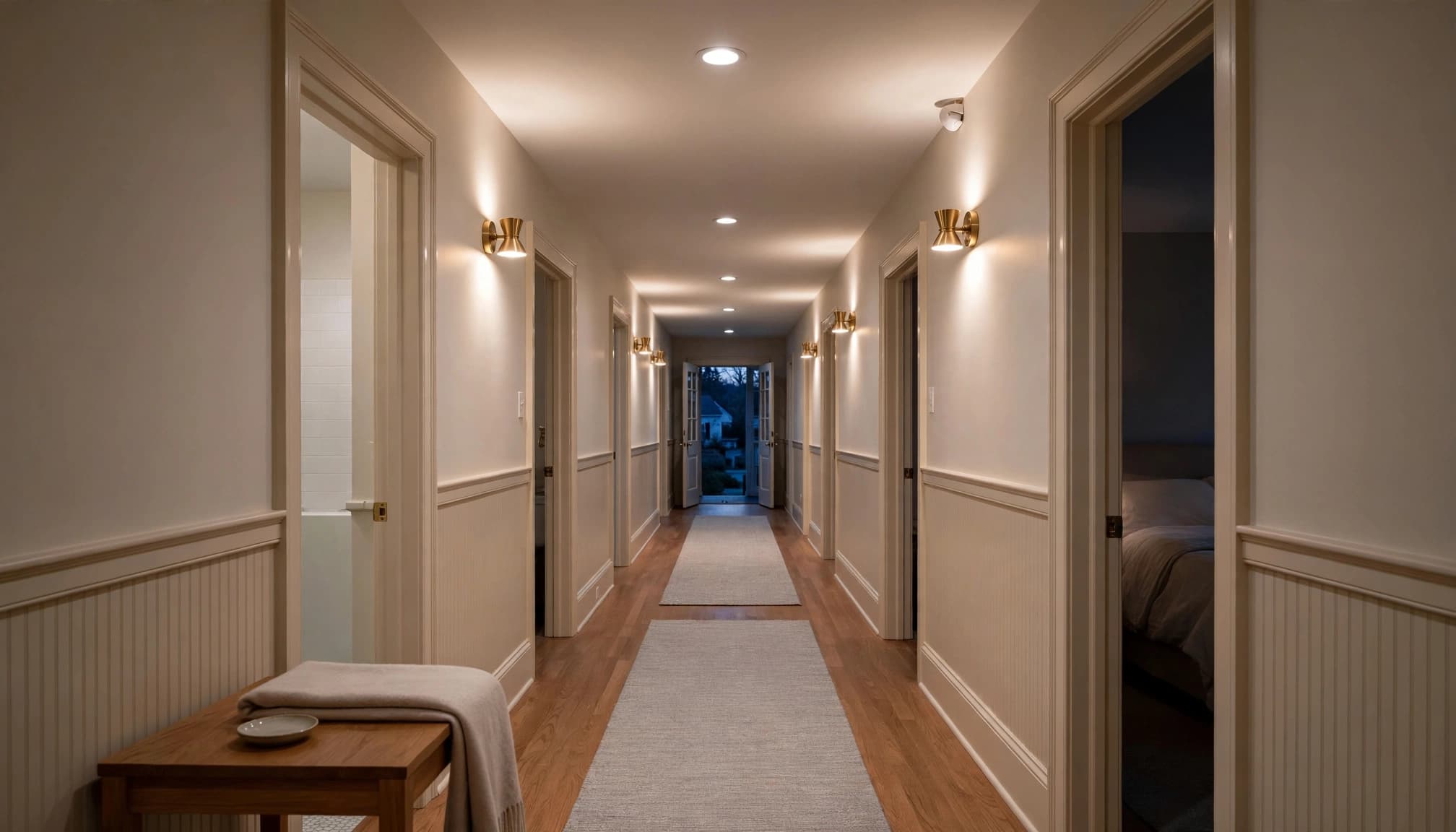
Even, reliable lighting can make it easier to see doorways, changes in flooring, and everyday items. Review the path between the bedroom and bathroom, stairways, entrances, and frequently used work areas. Replace failing fixtures and consider adding fixed lighting where lamps leave shadows or require awkward reaching.
Options may include wall or ceiling fixtures, under-cabinet lighting, and motion-activated controls. Motion sensors can be useful in a hallway or entry, but they shouldn't be the only way to turn lights on or off. Keep a familiar manual control available, too.
Dimmers can help adjust brightness for different activities, provided the dimmer, fixture, and bulbs are compatible. An electrician can check compatibility and install controls in a location that works for the resident.
Make Switches and Outlets Easier to Reach
A switch that requires a high reach or a long walk across a dark room can make a simple task harder. An electrician can relocate controls or add switches where they better match how a person moves through the home. Larger rocker-style switches may also be easier to operate than small toggles.
Add outlets where they solve a real problem
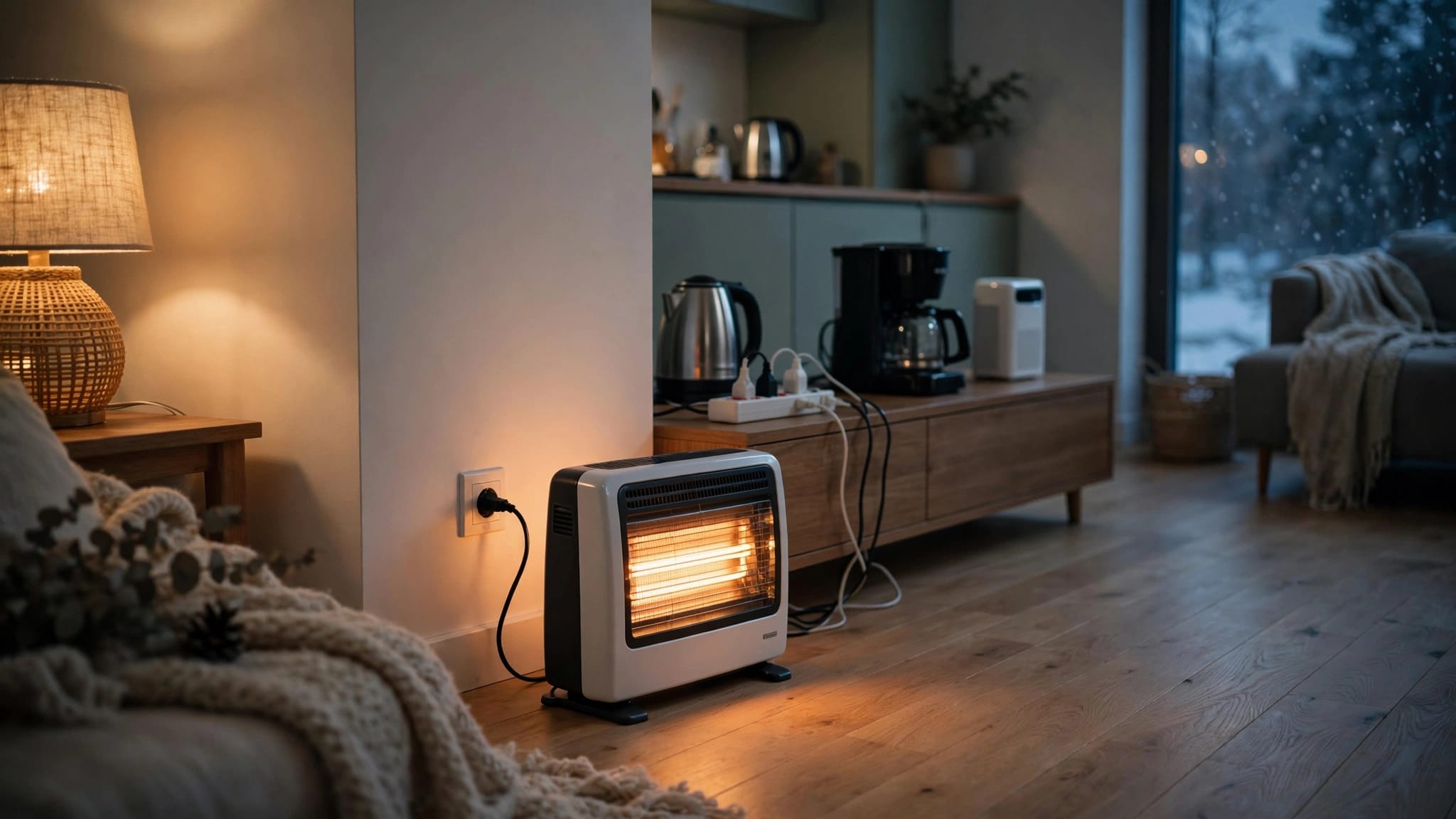
Older homes may have too few outlets for how people use rooms today. Adding properly placed receptacles can reduce reliance on extension cords and power strips, which can become trip hazards or create overloaded connections. Avoid running cords under rugs or across walkways.
The right location depends on furniture, the resident's reach, and the room's use. In kitchens, bathrooms, and other areas with exposure to moisture, outlet placement and protection must also follow local code.
Choose controls the resident can use
A control is only helpful if the person can operate it comfortably. Consider whether the resident prefers a physical switch, a remote, or voice control. Keep controls consistent when possible, and avoid adding a system that requires a phone or a complicated sequence of steps for basic lighting.
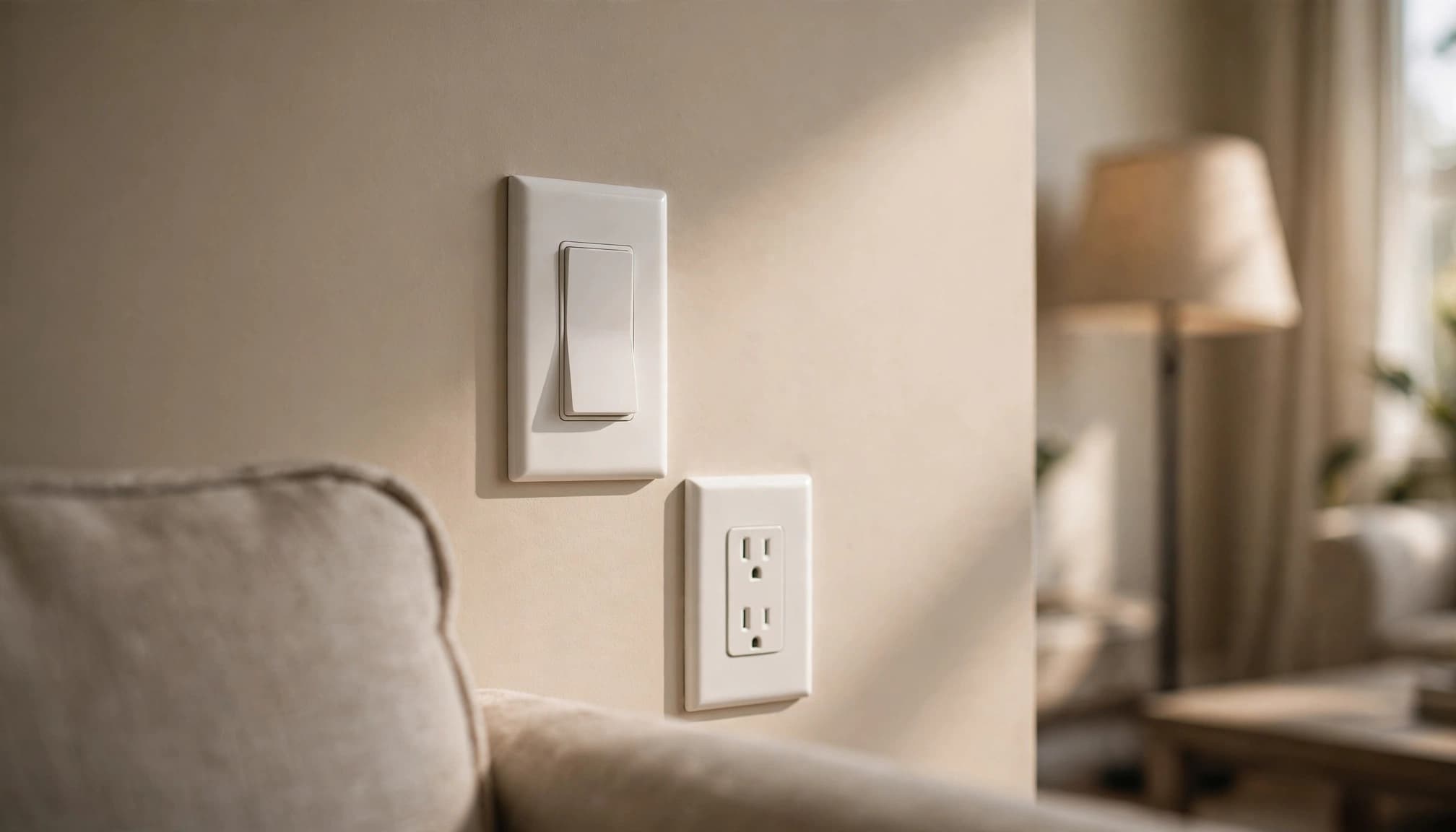
During renovations, local code may require added protection, such as GFCI outlets in kitchens or bathrooms or AFCI breakers in living areas. Requirements depend on the project and location. A home electrical inspection can help identify where the system needs attention.
Consider Smart Controls Without Adding Complexity
Smart outlets, app-based controls, and connected lighting can make some tasks easier. For instance, an app may let a resident turn off a lamp without crossing a dark room. Scheduling can also switch selected devices off at a set time. These features can help reduce the chance of leaving an appliance on accidentally, but they don't replace safe wiring or sound daily habits.
Choose technology based on what the resident will actually use. If phone apps are unfamiliar or difficult, a standard switch or simple remote may be a better fit. Keep manual controls available, and make sure more than one person can operate essential lights when needed.
Smart outlets are best suited to devices they're designed to control. They shouldn't be treated as a substitute for a properly installed, appropriately rated outlet or circuit. Read more about smart outlets and home electrical safety, including how app-based controls and surge protection may fit into a home plan.
Review the Panel and Older Wiring
The electrical panel and wiring need to support the home's current use. A panel that handled the original household's needs may be under more demand after renovations or additions. Repeated breaker trips, heat damage, corrosion, or a crowded panel deserve professional attention. Don't open a panel or attempt repairs yourself.
Consider the whole system, not just the panel
A panel replacement won't solve every wiring problem. An electrician may also need to assess outlet grounding, circuit protection, older connections, and the condition of wiring behind walls. In an older home, a three-prong outlet can still be connected to wiring that lacks grounding, so its appearance alone doesn't establish that it's properly grounded.
Older homes can also contain lead paint or asbestos near electrical components. Disturbing asbestos insulation during wiring work can release harmful fibers. A professional should account for these materials before renovation or rewiring begins. Learn more about common electrical problems in older homes.
Match capacity to real demand
Adding outlets, new lighting, or other equipment may require circuit or panel work. The right approach depends on the home's electrical capacity and the planned changes. A licensed electrician can assess whether the system needs a repair, an added circuit, or a larger upgrade. These electrical panel upgrade warning signs can help explain when a closer assessment is warranted.
Plan Backup Power Around Real Needs
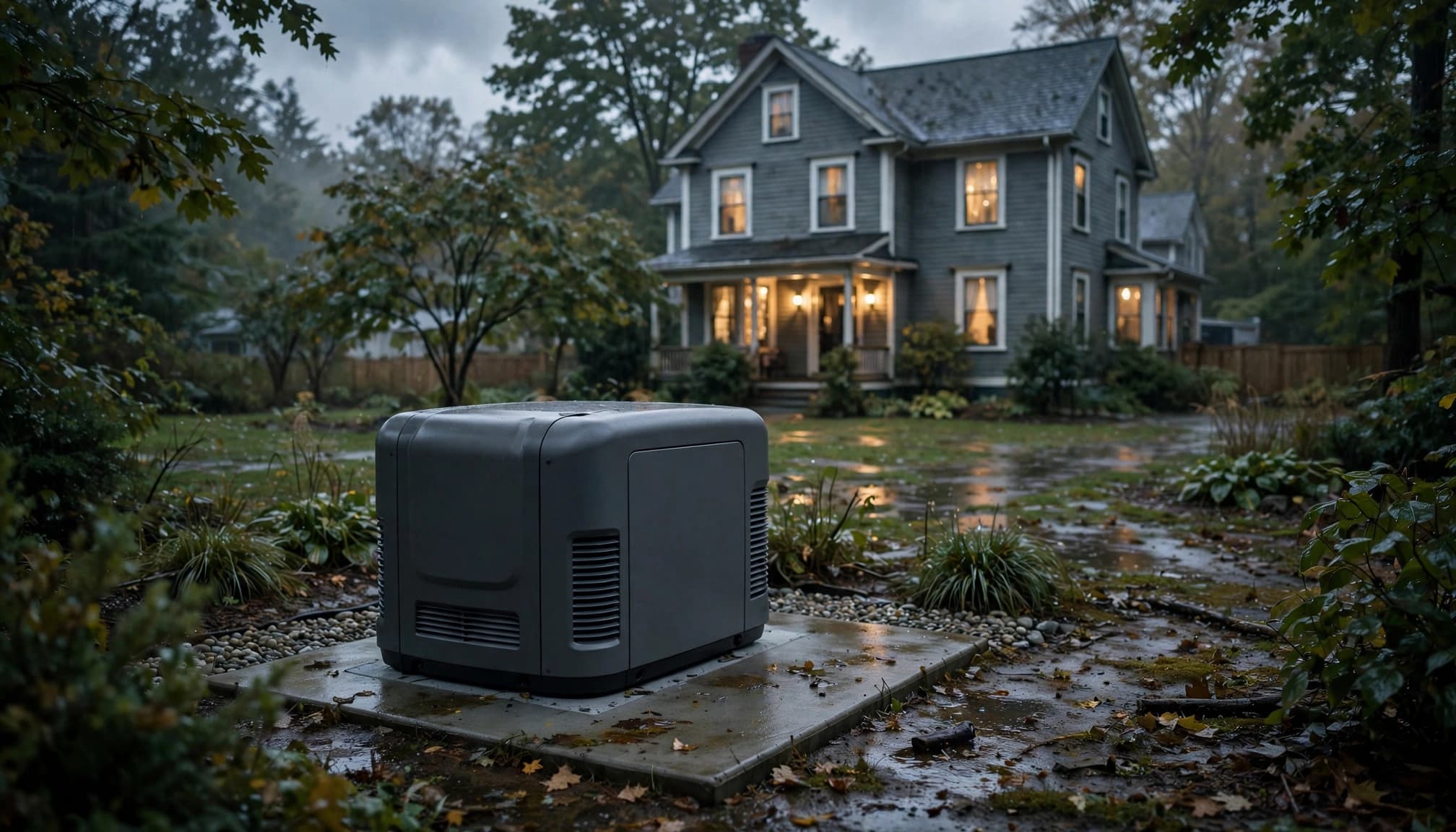
Power outages can interrupt lighting, heating, refrigeration, communications, and other routines. Backup power may be useful, especially in areas where storms can cause outages, but the right setup depends on what the household wants to keep operating.
Decide what needs power during an outage
List the equipment the resident depends on, then discuss its power requirements with an electrician. If a person relies on powered medical equipment, the backup plan should account for its requirements and any support needed during an extended outage. Don't assume a generator will power every device in the home.
A standby generator is one option. A portable generator may suit a different situation, but it must be operated outdoors and connected using approved equipment. Never connect a generator to household wiring in a way that can send power back through utility lines.
Use compatible transfer equipment
A generator needs properly matched transfer equipment to connect safely to selected circuits. An interlock kit must be listed for the specific panel, while a transfer switch must be rated for the load and installed correctly. The electrician can identify which circuits to include and account for local rules. See our home generator installation guide and information on choosing generator transfer equipment.
Build a Practical Upgrade Plan With an Electrician
Start with the issues that affect daily comfort or safety, such as poor lighting, hard-to-reach controls, or too few outlets. Then consider optional additions, including smart controls or backup power. This order keeps the plan focused on the resident rather than on equipment for its own sake.
A licensed electrician can inspect existing wiring, assess the panel and circuits, and recommend work that fits the home. Local electrical codes may affect outlet protection, wiring changes, permits, and inspections. That matters in older or historic homes, where the system may include several generations of work.
At Sirois Electric, we serve residential customers in Greater Boston and can help plan electrical work around the home's needs. A professional assessment can separate urgent repairs from improvements that can be scheduled over time.
Frequently Asked Questions
Which electrical upgrades should come first?
Start with the problem that affects the resident's daily routine or safety most. That might be adding lighting along a dark route, moving a switch, or replacing an unsafe extension-cord setup with properly installed outlets. The home's wiring and code requirements also affect the order of work.
Are smart switches necessary for aging in place?
No. Smart switches can help some residents control lights remotely or by voice, but standard switches may be simpler and more reliable for others. Choose a system the resident can use comfortably, and retain a physical way to control essential lights.
Does an older home need rewiring?
Age alone doesn't determine whether wiring needs replacement. Condition, past alterations, grounding, circuit demand, and signs of overheating all matter. A licensed electrician can inspect the system and recommend repairs or upgrades based on the home.
Make the Home Easier to Use, One Upgrade at a Time
The most useful electrical changes are the ones that address a real need in the home. Better lighting, reachable controls, added outlets, smart features, and backup power can each help in the right situation.
Aging in place is personal, and the electrical plan should be, too. Work with a licensed electrician to choose practical upgrades and complete them to local code.