
How to Choose the Right Generator Size in Greater Boston

Contact Us
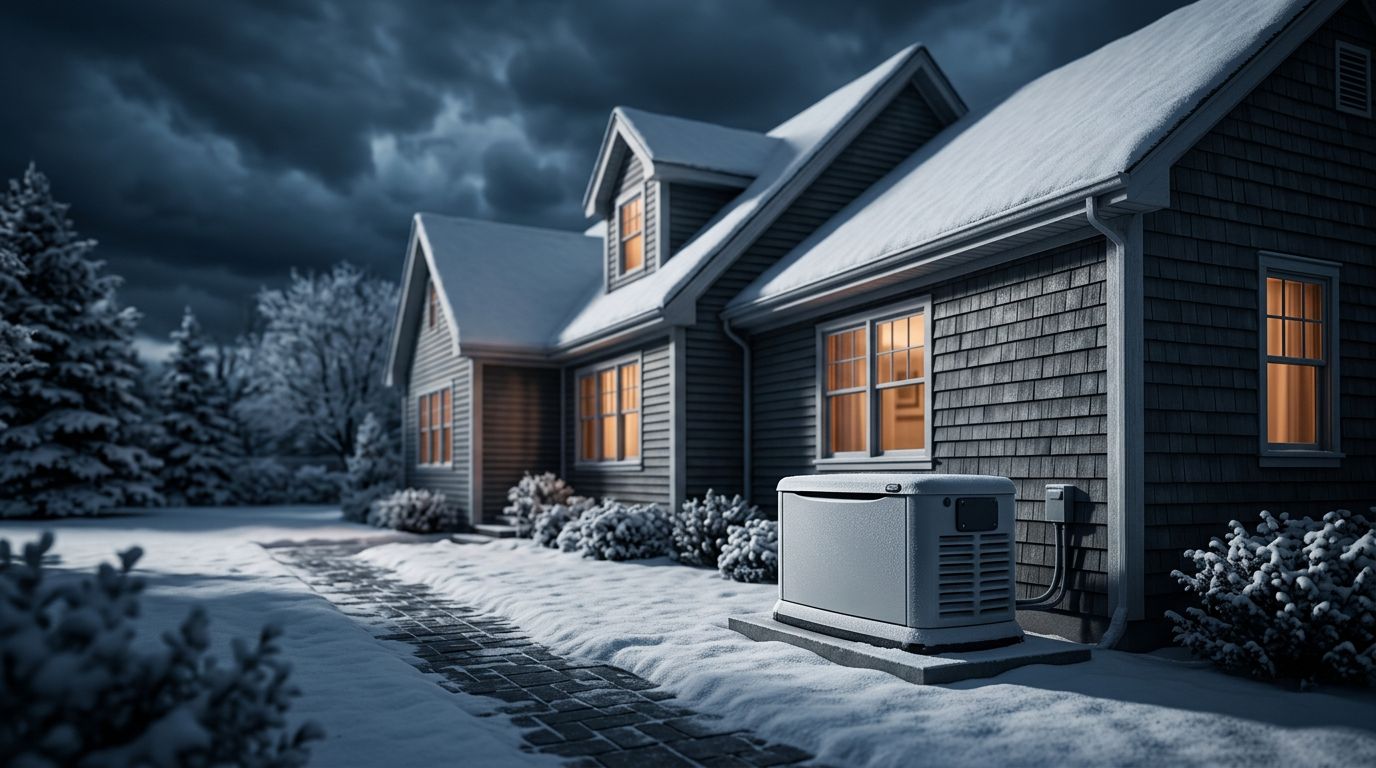
A generator that is too small can leave your heat off when the temperature drops. A unit that is too large can drain your budget for years. The right generator size is the one that matches your home, your loads, and the way Greater Boston weather hits in winter.
That matters here more than in many places. Winter storms, nor'easters, and aging utility infrastructure can turn a short outage into a long one. If you want backup power that keeps the house livable, you need a clear plan, not a guess.
The good news is that sizing gets simpler once you focus on what really has to run. Start with the essential systems, then build from there.
Why generator size matters in Greater Boston
Many homeowners think about generator size in terms of square footage. That sounds logical, but it misses the real issue. Power demand comes from the equipment inside the house, not the house size alone.
A smaller home with electric heat, a sump pump, and a busy kitchen can need more backup power than a larger home with gas heat and fewer moving parts. In Greater Boston, that difference can matter fast. When a nor'easter knocks out power, the first thing most people want is heat. After that comes lighting, refrigeration, and maybe internet service if work or school depends on it.
Heat is the priority for many local homes. A furnace blower, boiler controls, and circulation pumps may not draw huge power on their own, but they matter most during a cold outage. If those parts stop, the house gets uncomfortable quickly. In some homes, frozen pipes become the bigger problem.
That is why the right generator size is not about buying the biggest unit you can fit. It is about covering the loads that keep the house safe and usable. Bigger units cost more up front, and they often cost more to run. Smaller units may save money at purchase, but they can fail when the first motor starts.
Decide what your home needs to power
The smartest way to size a generator is to list the systems you want on during an outage. Start with the basics, then decide what belongs on the backup circuit. That list will guide the rest.
| Load | Why it matters | Sizing note |
|---|---|---|
| Furnace or boiler controls | Keeps heat moving through the house | Usually a top priority in winter |
| Sump pump | Helps protect basements during heavy rain or snow melt | Motor startup can create a surge |
| Refrigerator and freezer | Prevents food loss | Compressor startup needs extra room |
| Lights and key outlets | Keeps the house usable after dark | Small loads add up fast |
| Internet and security systems | Helps with work, alarms, and cameras | Low draw, but useful in long outages |
| Medical equipment | Supports health and daily comfort | Count these loads first |
| Kitchen essentials | Covers a microwave, coffee maker, or small appliances | Usually best kept limited |
The table gives you a starting point, but every home is different. A home with gas heat may need less backup power than one with electric heat or multiple pumps. A finished basement, home office, or aging freezer can change the total too.
The other detail that matters is starting watts . Motors and compressors need extra power when they start. A refrigerator may run on a modest load once it is on, but it needs a stronger push at startup. That surge is where many sizing mistakes begin.
The right unit has enough room for startup surges, not just normal running loads.
Why oversizing and undersizing both cost money
Undersizing is easy to spot. The generator trips, the lights flicker, or the furnace will not stay on. During a winter outage, that can turn into a real comfort problem. It can also cause damage if heat drops too low or a sump pump shuts off when you need it most.
Oversizing is less obvious, but it still hurts. You pay more for the unit, and you may pay more for installation too. Larger systems can need bigger fuel lines, larger transfer equipment, and more room on the property. They also use more fuel when the home is only drawing a light load.
A generator works best when it runs in a healthy range. If it is far larger than your needs, you may spend more without getting a better result. If it is too small, you get a machine that cannot carry the load you bought it for.
Here is the cost side in plain language:
- Too small means nuisance trips, shutdowns, and unfinished backup plans.
- Too large means higher purchase costs, more fuel use, and bigger installation demands.
- Right-sized means steady operation, better comfort, and fewer surprises.
The goal is not to power every appliance in the house at once. It is to cover the parts that matter most when the grid goes down.
Common sizing mistakes homeowners make
A lot of sizing errors come from simple assumptions. The biggest one is counting only the appliances that are easy to see. The furnace blower, sump pump, and well pump often matter more than people expect.
Other common mistakes include:
- Ignoring startup load on motors and compressors.
- Assuming every light and outlet will stay on during the outage.
- Forgetting heating priority in a Greater Boston winter.
- Leaving out future changes like an EV charger, heat pump, or finished basement.
Another common miss is planning for a perfect outage instead of a real one. In this region, storms can last longer than expected. Older utility infrastructure can also slow restoration. That makes it smart to think in terms of comfort and safety, not convenience alone.
If you are unsure whether a load belongs on the backup system, ask one simple question. Does this item keep the house safe, warm, or livable during a long outage? If the answer is yes, it deserves attention during sizing.
Getting an accurate load assessment
A good generator plan starts with a real look at the house. That means checking the service size, panel layout, major appliances, fuel source, and what you want powered during an outage. It also means talking through how your home actually works day to day.
For homes that need a new system, professional generator installation should follow the load assessment, because the numbers come first. Once the electrician knows the loads, it becomes much easier to recommend the right equipment and transfer setup.

A proper in-home assessment also helps with the questions that online charts cannot answer. Will the generator need to support a boiler, a central air handler, or an induction range? Do you want only the basics, or do you want the home office and laundry room covered too? Do you plan to add a heat pump later?
Those details change the sizing answer. They also affect the transfer switch, fuel supply, and final installation plan. That is why a quick estimate from a brochure rarely gives you the best result.
If you want a backup system that works the first time the power drops, the safest step is a site visit. A licensed electrician can look at the panel, check the loads, and recommend a generator that fits your home instead of forcing your home to fit the generator.
Conclusion
The right generator size in Greater Boston starts with one question, what do you need to keep running when the power goes out? For most homes, heat comes first, then the essentials that keep food cold, basements dry, and daily life moving.
A careful load assessment protects you from both ends of the problem. It keeps you from buying a unit that is too small, and it keeps you from paying for capacity you do not need.
If you are comparing backup options, schedule a professional in-home load assessment before you buy. It is the clearest way to get a generator that fits your home, your winter weather, and your peace of mind.