
What Zinsco Panels Mean in Greater Boston Homes

Contact Us
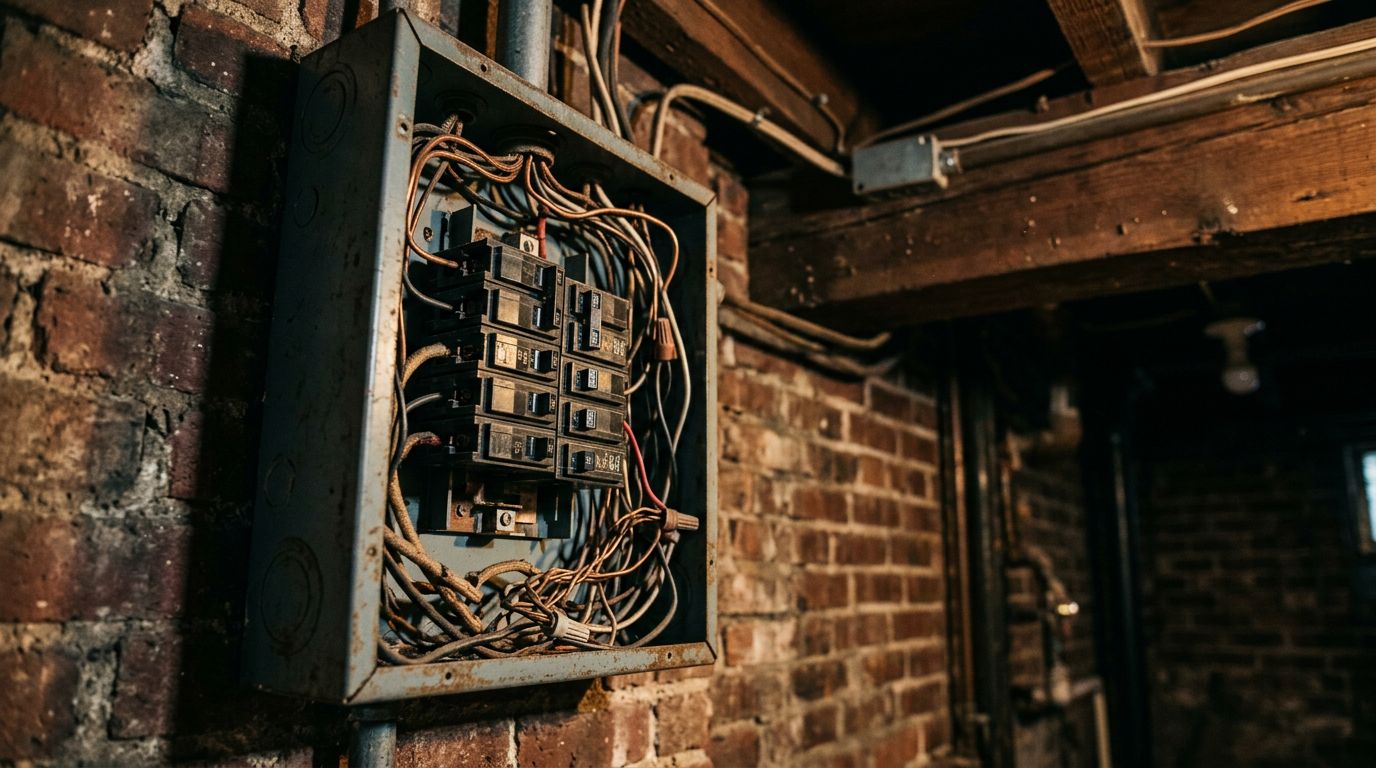
An old electrical panel can sit unnoticed for years, then become the most important part of a home inspection. In Greater Boston, Zinsco panels often show up in houses that have gone through several rounds of updates, repairs, and owners.
These panels are commonly linked with safety and reliability concerns, especially as they age. If your home in Boston, Somerville, Quincy, or a nearby town has one, a licensed electrician should review it before you ignore it or cover it up with a new project.
Why Zinsco panels still appear in Greater Boston homes
Greater Boston has a lot of older housing stock. Triple-deckers, capes, bungalows, and mid-century homes often keep parts of their original electrical system, even after kitchens, baths, and basements get remodeled.
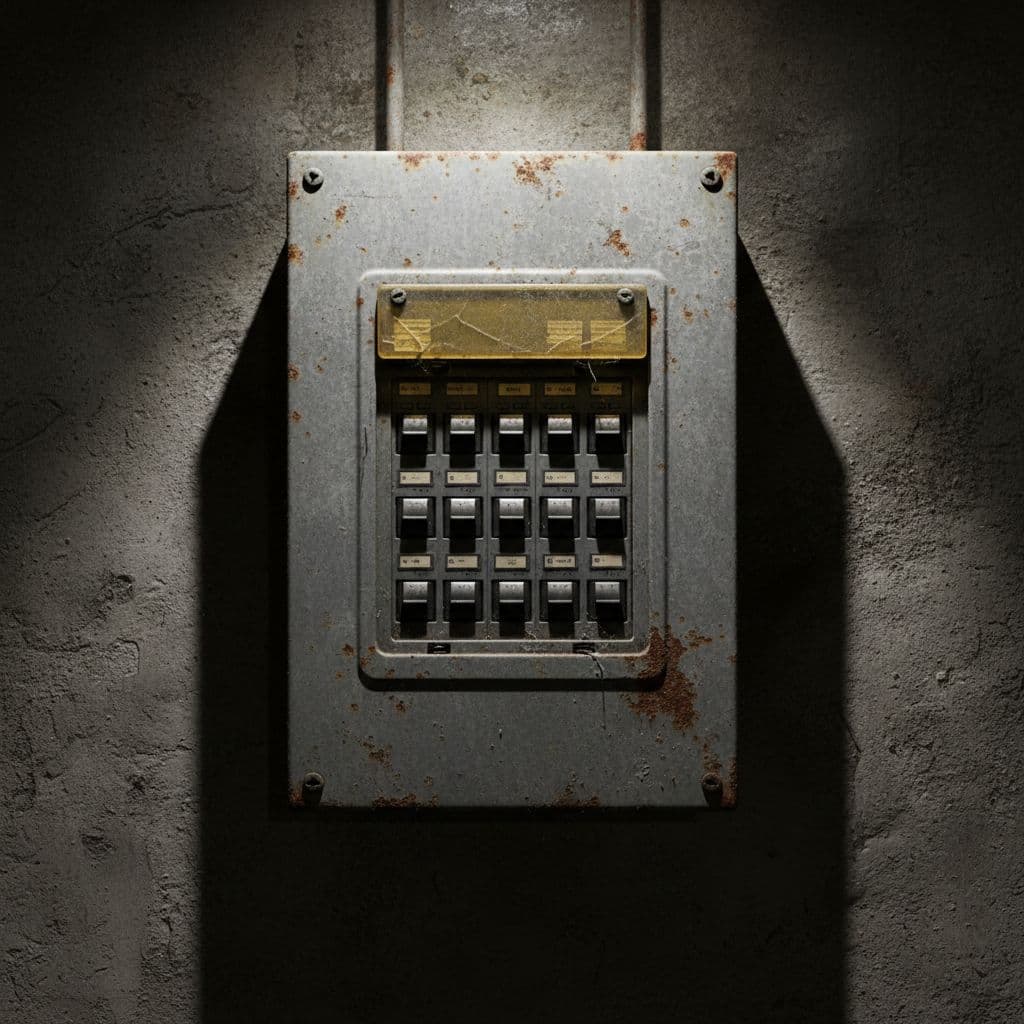
A panel like this may have been installed decades ago and left in place because it still powered the home. That does not mean it belongs in service forever. Age, moisture, past repairs, and new electrical demand all put more stress on old equipment.
Many homeowners do not notice the panel until a sale, renovation, or service call brings it into view. By then, the panel may already be carrying much more than it was designed to handle. A new dishwasher, heat pump, EV charger, or finished basement can push an old system past its comfort zone.
That is why Zinsco panels still matter today. They are not just a detail in an old basement. They are part of the home's safety story.
Why electricians treat them carefully
Some Zinsco panels have a long history of concerns around breaker performance, heat buildup, and aging parts. The issue is not always visible from the outside. A panel can look tidy and still hide worn internal parts.
When breakers do not seat well or fail to trip the way they should, the panel may not protect the home properly. Loose connections, corrosion, and bus bar wear can add more risk over time. In a damp basement, those problems can move faster.
A licensed electrician can test the load, inspect the breaker fit, check grounding, and look for heat marks or arcing. If you want a broader look at the system, schedule a home electrical inspection. That kind of review helps you understand whether the panel is still doing its job.
A panel does not need to fail completely before it becomes a problem.
In Greater Boston homes, this often comes up during upgrades. A finished attic, a new heat pump, or an EV charger can change the electrical demand fast. An older panel may have no clean path to support that load. At that point, caution is smart.
Signs a Zinsco panel needs attention
Sometimes the warning signs are obvious. Other times, the panel looks normal until someone opens it and inspects the parts inside. That is why symptoms matter so much.
| What you notice | What it can point to | Next step |
|---|---|---|
| Warm cover or hot smell near the panel | Overheating, loose parts, or a stressed breaker | Turn off heavy loads and call an electrician |
| Breakers that feel stuck or do not reset cleanly | Mechanical wear or breaker problems | Have the panel examined soon |
| Flickering lights when appliances start | Loose connections or a panel under strain | Note when it happens and report it |
| Rust, moisture marks, or discoloration | Basement humidity or water intrusion | Address moisture and inspect the panel |
| Buzzing or crackling sounds | Arcing or loose contact | Treat as urgent and get help |
One sign alone does not prove the panel is unsafe. A pattern of signs does deserve quick attention. If the panel sits in a basement that also handles laundry, storage, or older plumbing, the case for inspection gets stronger.
Homeowners often dismiss these clues because the lights still work. That is a mistake. Electrical problems do not always start with a full outage. They often begin with heat, noise, or inconsistent performance.
Replacement options for older Boston-area homes
Repair is sometimes possible, but replacement often makes more sense. Parts for older Zinsco equipment can be hard to source, and a tired panel may not be a good match for modern electrical use.
If you're already seeing warning signs, the conversation often overlaps with signs you need an electrical panel upgrade. That discussion matters when the home has added appliances, new living space, or plans for bigger electrical loads.
A panel replacement usually starts with a service review. Then comes permitting, new equipment, and a careful look at grounding and bonding. In many cases, the utility may also need to be involved during the changeover.
A licensed master electrician can size the new panel for your current needs and future plans. That matters if you expect to add an EV charger, central air, a heat pump, or a kitchen remodel. The right setup gives the house room to grow.
Some homeowners hope a single breaker swap will solve the problem. It might help for a short time, but it does not change the age or design of the panel. A full replacement gives you newer breakers, clearer labeling, and a stronger base for the rest of the system.
What a licensed electrician checks during inspection
A solid inspection should be specific and careful. The electrician should not just glance at the cover and move on.
They should look at breaker fit, bus condition, grounding, bonding, and any sign of heat inside the cabinet. They should also ask about flickering lights, tripping circuits, and recent changes to the home. Small details often point to larger issues.
Some inspections include thermal testing. That can reveal hot connections before they fail. It is especially helpful in older homes where the panel has seen decades of use.
If you are comparing options, a broader safety review can help you plan the next step. Home electrical safety best practices can guide the kind of follow-up that keeps the system in better shape.
A good electrician should also explain the findings in plain language. You should know whether the panel needs replacement now, close monitoring, or a more limited repair. That answer is more useful than a vague warning.
The goal is not to panic over an old label. The goal is to match the panel to the home you live in now.
Conclusion
Zinsco panels in Greater Boston homes are a sign to slow down and get the facts. The panel may still work today, but age, wear, and parts issues make it worth a closer look.
A licensed electrician can tell you whether the panel needs monitoring, repair, or full replacement. That answer matters more than the name on the front.
If your home has one, do not wait for the next flicker or tripped breaker to start the conversation. A clear inspection gives you a safer plan and fewer surprises later.