
Stairway Lighting for Older Greater Boston Homes

Contact Us
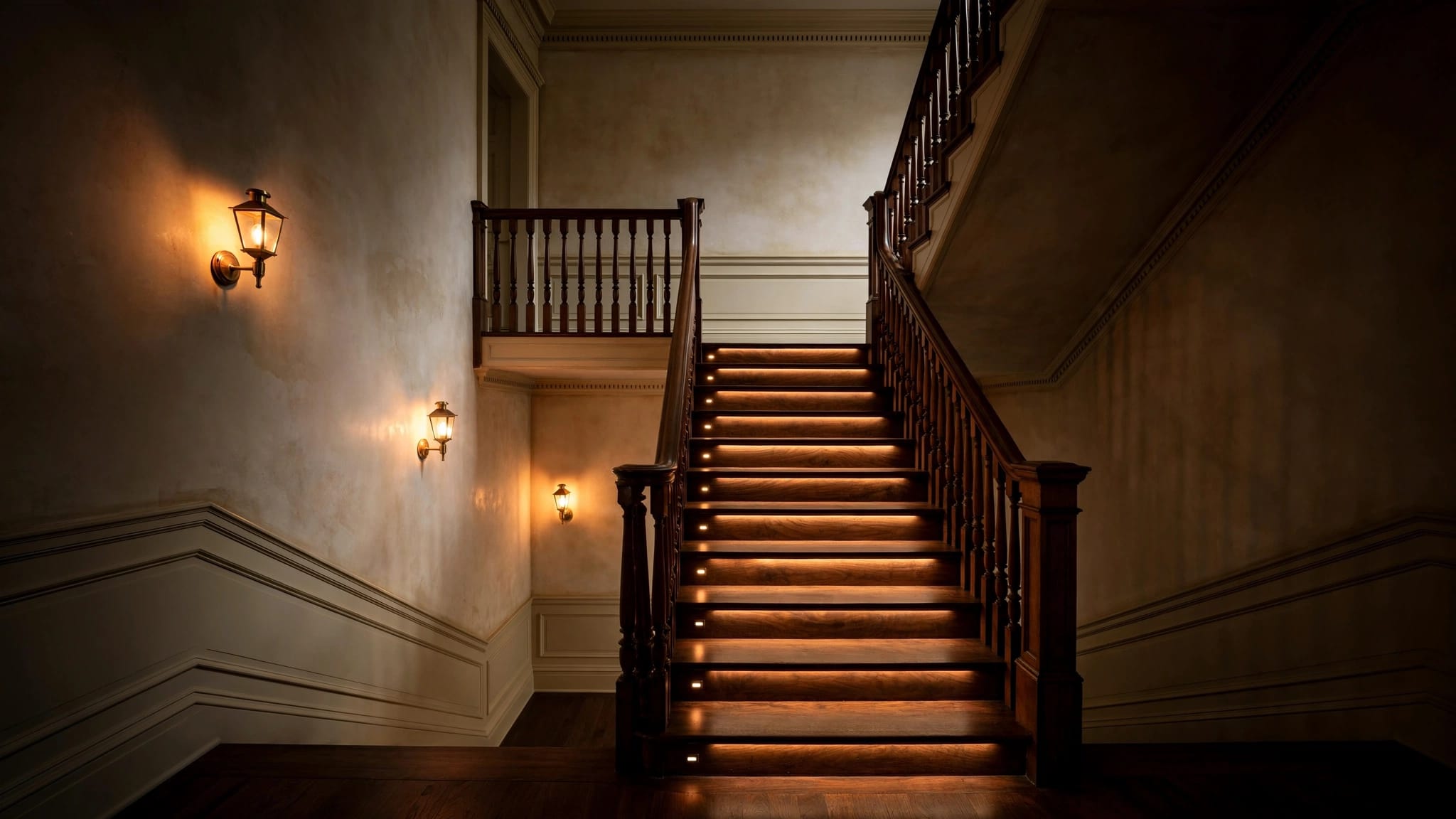
An old staircase can look beautiful in daylight and become hard to read after sunset. If you can't see where a tread ends or where the stairs turn, a decorative fixture isn't doing enough.
Good visibility doesn't require stripping away the character of your home. The right stairway lighting can make each step easier to see while respecting original trim, plaster, and woodwork. Start by looking at the stairs themselves, then choose fixtures and controls that suit both the space and its existing wiring.
Why older staircases need a closer look
Older Greater Boston homes often have stairways designed around daylight and a single overhead fixture. A straight run may be easy to light, but a tight turn or small landing can leave part of the route in shadow.
Find the dark spots first
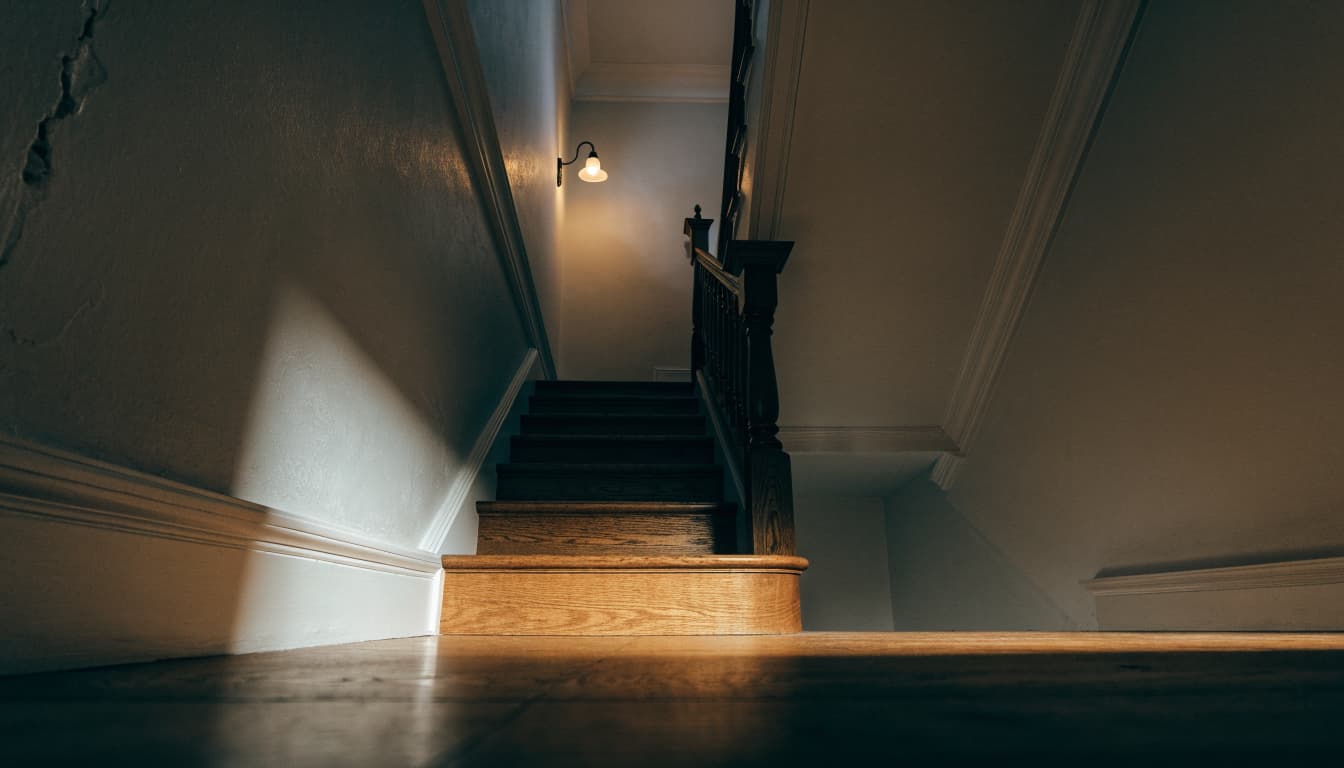
Walk the stairs at night with the lights you normally use. Check the first and last steps, corners, and any landing where you change direction. Look from both the top and bottom; a fixture that works well from one viewpoint may shine into your eyes from the other.
Pay attention to shadows cast by balusters or a nearby doorway. If a light is centered over a landing, it may leave the lower run dim.
Let the treads set the lighting plan
The goal is to see where each foot will land. Light on the walls can help you move through the space, but it shouldn't leave the walking surface dark. Conversely, a bright exposed bulb can cause glare without making the steps clearer.
Existing materials matter, too. Dark-stained treads absorb more light than pale painted risers. The fixture's position and direction can matter as much as its brightness.
Fixture options for stairway lighting in older homes
No single fixture suits every staircase. Ceiling height, wall space, trim, and access behind the finish all affect what can be installed without unnecessary disruption.
Wall sconces that belong in the room
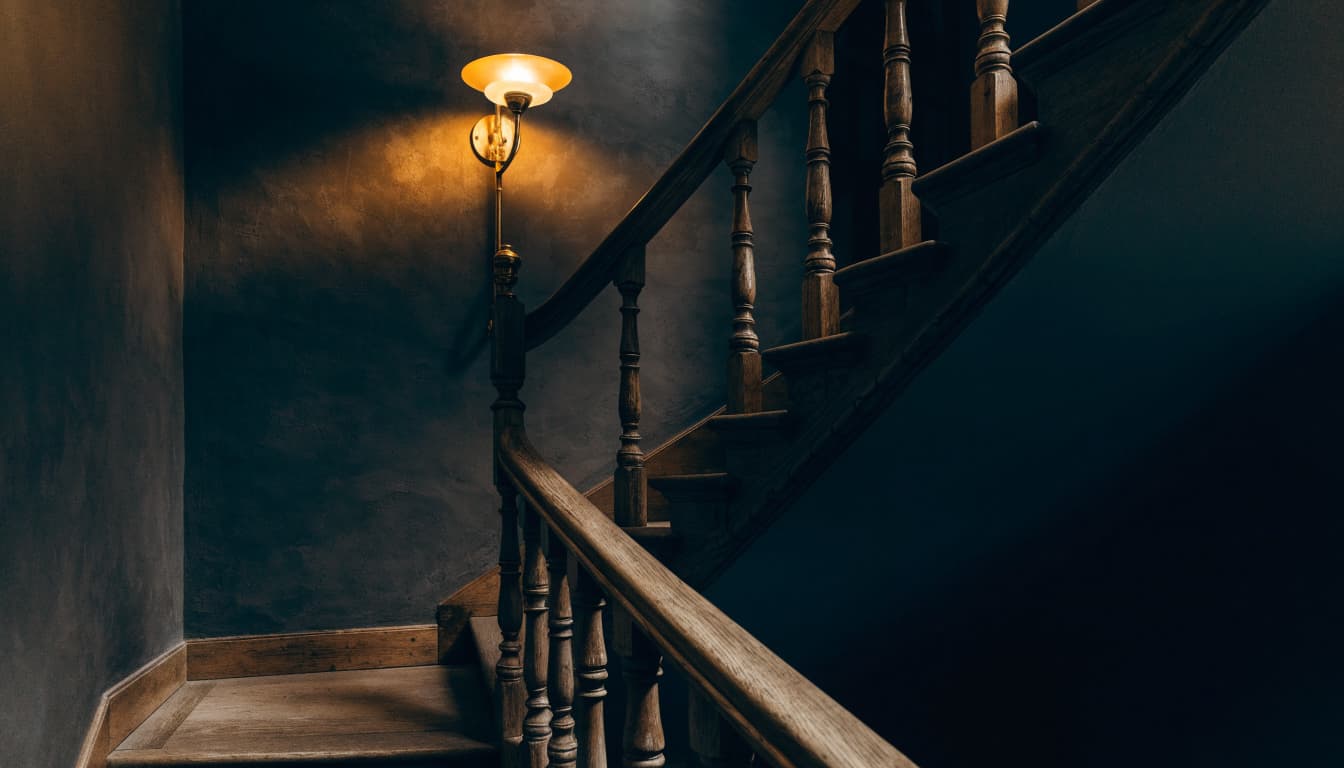
A wall sconce can complement an older home's details, especially where a narrow ceiling makes a hanging fixture awkward. Simple brass, bronze, or painted finishes often sit comfortably alongside traditional woodwork. A shade or diffuser helps keep the light source out of direct view.
Placement needs care. A projecting fixture shouldn't crowd a narrow stair or interfere with the handrail. Before buying one, ask your electrician to check the proposed mounting spot, electrical box, and path for wiring.
Flush-mount fixtures for low ceilings
A compact flush-mount light can work over a landing or at the top of the stairs. It keeps the fixture close to the ceiling and can suit a hallway where a pendant would hang too low.
However, a single ceiling light may cast shadows along a long flight. Evaluate the entire route rather than judging the fixture by how bright the landing looks. Sometimes a ceiling fixture and one modest wall light make a better pair.
Recessed and low-level LED lights
Recessed ceiling lights can give a renovated stairway a quiet appearance. In an older home, though, ceiling cavities, framing, insulation, and decorative plaster may limit where they can go. The work involved can outweigh the visual benefit.
Low-level step lights offer another option, particularly during a larger renovation with walls already open. They can help define tread edges, but they're usually better as supplemental light than as the stairway's only source. Sirois Electric provides professional LED lighting installation for homes in Metro and Greater Boston.
Keep the light comfortable without hiding the steps
A stairway should feel welcoming, but comfort starts with a clear view of the walking surface. Many homeowners prefer warm-white light near traditional wood and paint; commonly available 2700K lamps are a useful starting point. Appearance will change with the shade, wall color, and surrounding lights, so test a sample before buying several bulbs.
Choose a fixture that spreads light where people walk. A narrow beam aimed at a painting might brighten the wall while leaving the steps uneven. Likewise, an exposed bulb near eye level may be uncomfortable when viewed from the upper landing.
If you're using LED bulbs, check the fixture's lamp recommendations and any dimmer compatibility information. Integrated LED fixtures require the same attention: you need to know whether the whole unit is dimmable and what happens when its light source reaches the end of its service life. Warmth and visibility can coexist , provided the treads remain clear at the settings you'll use.
Controls that work from both ends of the stairs
Even a well-placed fixture is less useful if the switch is inconvenient. Think through how you enter the stairway at night, including trips to an attic, basement, or bedroom.
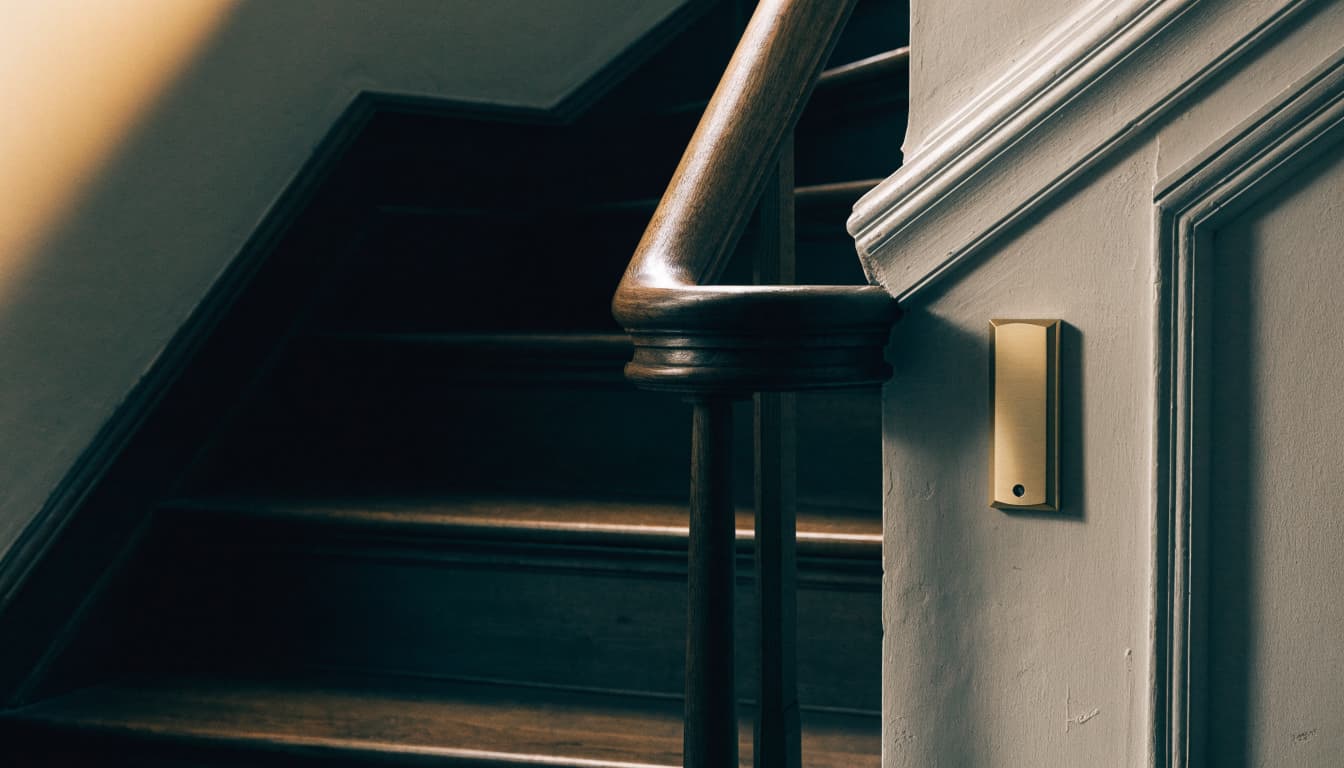
Switches and compatible dimmers
Many households want control at both ends of a stairway. If your existing setup doesn't offer that, ask an electrician what the wiring permits. Adding a control location may require opening finished surfaces or routing new cable.
A dimmer can provide comfortable light at different times of day, but don't turn it so low that tread edges disappear. LED lamps and integrated fixtures must be rated for dimming, and the dimmer must suit the load and switching arrangement. For example, a multi-location circuit may need a compatible companion device rather than an ordinary replacement switch.
Sensors and smart controls
Motion sensing can be helpful when someone approaches with full hands. Its timing and coverage need testing from both directions, though. A sensor that misses the first step or switches off before someone reaches the landing creates a new problem.
Smart controls may offer schedules or remote operation, but they can add wiring and setup requirements. Some need a neutral wire at the switch box, which an older installation may lack. Keep a straightforward way to turn on the light, and have an electrician assess any proposed control before purchasing it.
Work with the wiring the house has
A fixture catalog can't tell you what's behind an older home's plaster. Some Greater Boston houses have been rewired; others have a mix of updates completed decades apart. The condition and configuration of the circuit should shape the project.
Inspect before reusing a fixture location
An existing light doesn't prove that its box or wiring suits a heavier fixture or a different control. An electrician can identify the circuit, inspect accessible connections, and determine whether the planned work needs new cable or a different box.
If you see flickering, damaged switches, or discoloration around a fixture, mention it before selecting replacements. Those symptoms deserve attention rather than a brighter bulb. Likewise, avoid assuming wire color alone identifies what a conductor does in a modified older installation.
Plan carefully around plaster and trim
Routing cable through finished walls may require small openings that need repair afterward. Original plaster, decorative molding, and built-in cabinetry can make those choices more important than the price of the fixture.
Where older wiring is present, replacing a light may be part of a broader conversation. Sirois Electric offers knob-and-tube wiring replacement, but the presence of an older staircase alone doesn't mean your home needs rewiring. An on-site assessment is the way to establish what's there.
Compare the work behind each lighting quote
For an older house, installation cost depends on more than the fixture price. Reusing a suitable location can be simpler than adding wall sconces, step lights, or a second switch. Finished plaster, hard-to-reach ceiling spaces, and circuit repairs can change the scope.
Ask each electrician to describe what the quote includes: fixture and switch installation, any new wiring, wall openings, permit-related work, and testing. Confirm whether you'll supply the fixtures and whether repairing disturbed plaster or paint falls to another contractor.
If you're already renovating the stair hall, settle fixture and switch positions before finishes go back on. That gives the electrician more routing options and reduces the chance of reopening completed work. When comparing proposals, compare the same scope. A lower fixture price won't tell you much if one quote includes new controls and another assumes the old switches stay.
Bring an electrician into the plan early
A qualified electrician can assess the existing circuit and explain which lighting choices fit the house with the least disruption. This matters when you want to add hardwired fixtures, move switches, install a dimmer, or change wiring inside finished walls.
Massachusetts electrical requirements and local permit procedures depend on the work proposed. Sirois Electric's discussion of 2026 Massachusetts electrical code updates offers context, but your electrician should confirm the requirements for your project with the local authority. Attic stairs, shared building spaces, and major renovations may raise questions beyond an ordinary fixture replacement.
For more on deciding when professional review matters, see these Greater Boston home electrical safety tips. Keep your lighting plan focused on the stairway people use, not only the fixture you want to see.
Key takeaways
- Check the stairs after dark from both directions before choosing fixture locations.
- Use sconces, ceiling lights, or discreet LEDs where they illuminate the walking surface without crowding the stairway.
- Choose controls that work from the entrances you use, and confirm LED and dimmer compatibility.
- Have a qualified electrician review older wiring, installation details, and applicable permit requirements.
Frequently asked questions
Are step lights enough on their own?
They may help mark the route, but small step lights might not illuminate the full tread or landing. Judge them with the other lights off, from both directions. An electrician can help decide whether they should supplement a ceiling or wall fixture.
Can I add a dimmer to an existing stair light?
Often, but the answer depends on the lamp or integrated LED fixture, the circuit, and how many switch locations control it. An electrician can identify the wiring and choose a compatible dimmer. Set the minimum brightness high enough to see every step.
Do I need to replace the wiring to improve stair lighting?
Not necessarily. Some projects can use an existing suitable location; others uncover wiring or box issues that need attention. An inspection gives you a sound basis for choosing between a fixture replacement and a larger upgrade.
A safer stairway can still feel like your home
That staircase should look as good after sunset as it does by day, while giving you a clear view of every step. Start with visibility , then select fixtures that respect the home's details.
Before committing to a layout, have a qualified electrician check the wiring, controls, and installation requirements. That turns a fixture choice into a lighting plan suited to the house you own.