
What a Challenger Panel Means in Greater Boston Homes

Contact Us
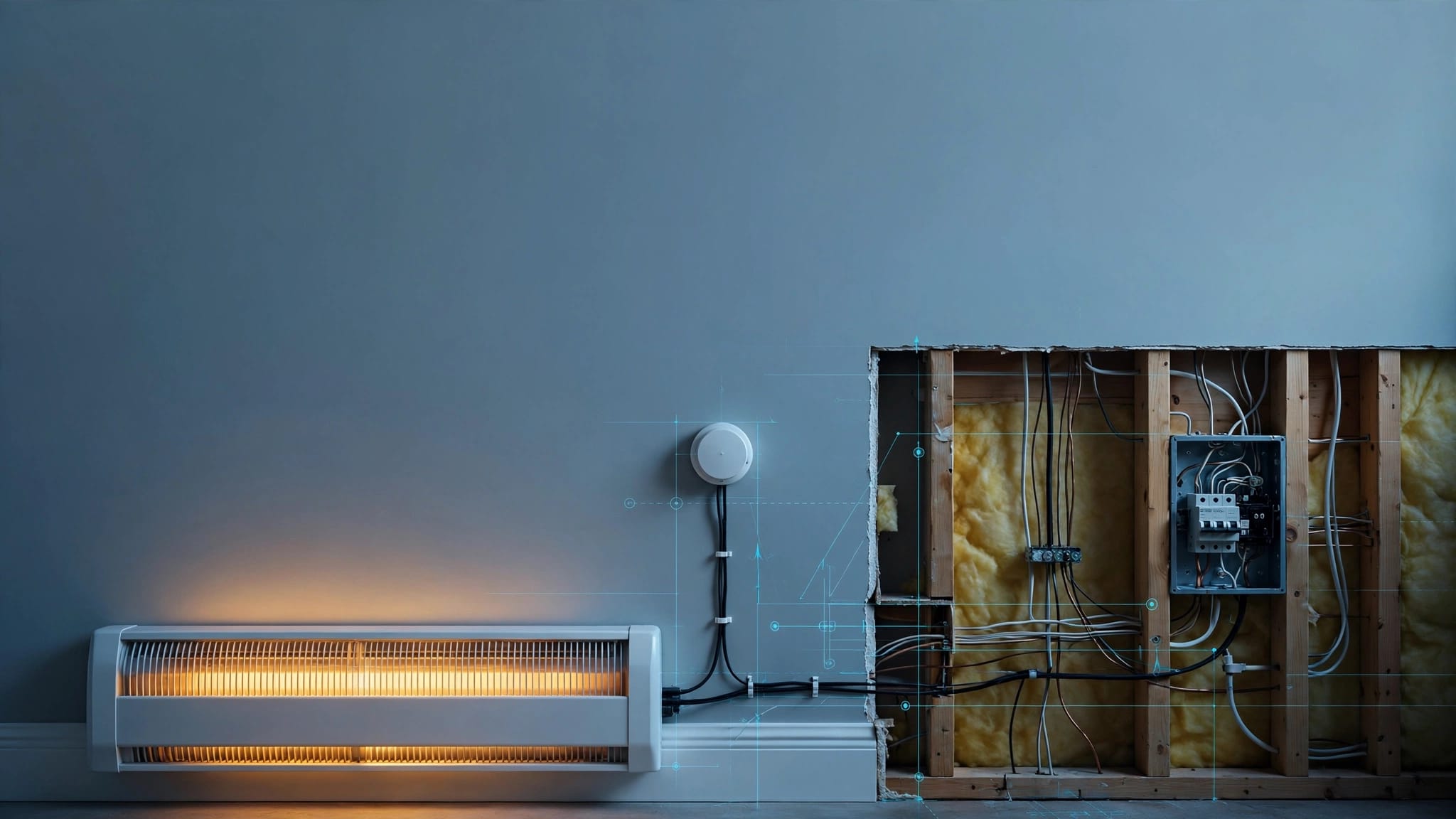
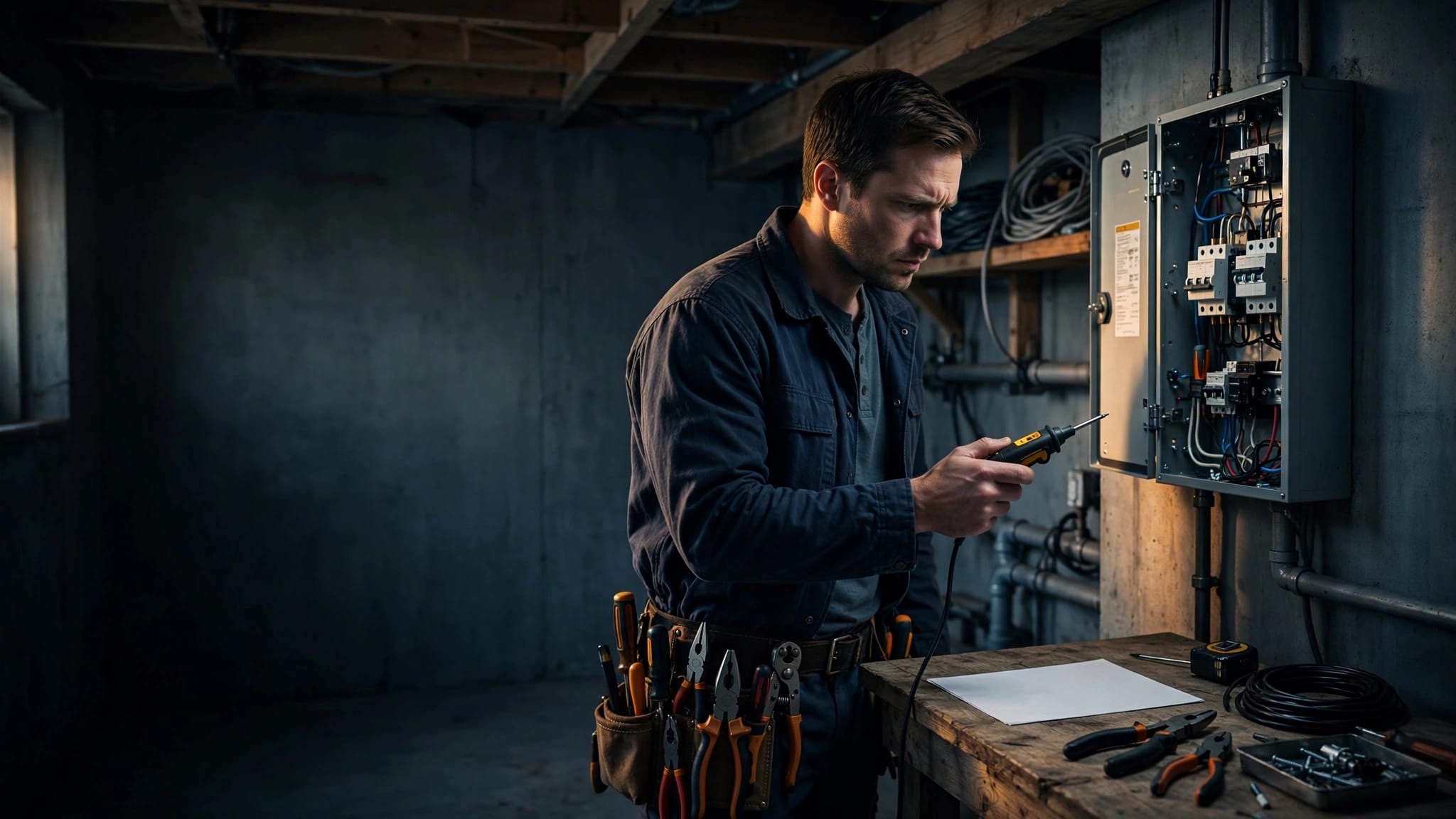
A Challenger panel can turn a normal home visit into a bigger conversation. That does not mean the house is in danger, but it does mean the electrical system deserves a closer look.
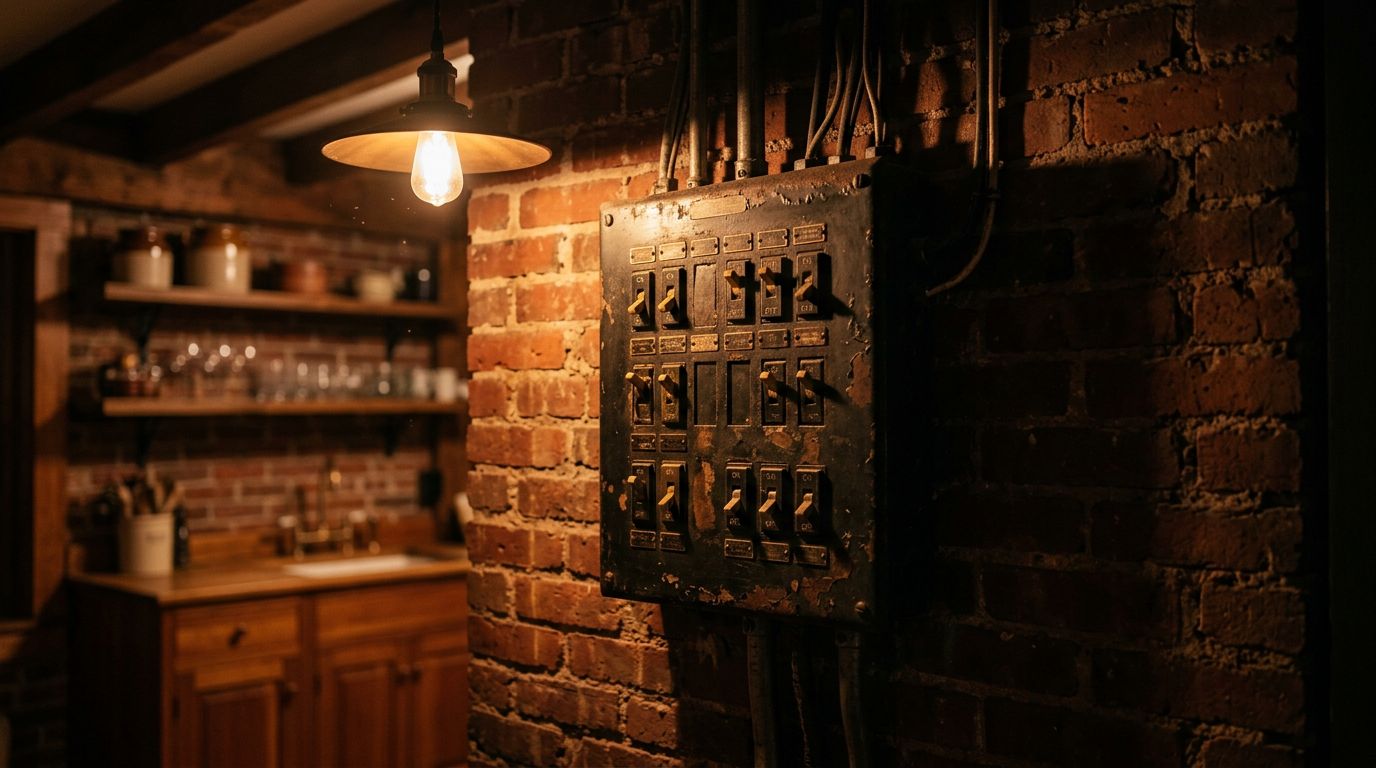
In Greater Boston, older homes often carry older wiring choices, and that is where Challenger panels show up. They come up during inspections, renovations, insurance reviews, and service upgrades because age changes how much trust you can place in a panel.
When one appears, the right next step is practical. A licensed electrician can tell you whether the panel is still serviceable, needs repairs, or should be replaced.
Why Challenger panels still matter
Challenger panels are older electrical panels, and many homeowners meet the name for the first time during a sale or inspection. The concern is not just age for age's sake. It is about how the panel has held up over time, and how well it fits the demands of a modern home.
A breaker should trip when a circuit pulls too much power. If a breaker hesitates, runs hot, or fits poorly, the panel loses the job it was built to do. That matters more now than it did decades ago, because homes use more power than they used to. Central air, kitchen upgrades, home offices, finished basements, and EV chargers all add load.
Not every Challenger panel shows obvious trouble on the outside. Some look normal until an electrician opens the cover and checks the parts inside. That is why a visual glance is not enough. A licensed electrician can check the breakers, look for heat damage, test connections, and review whether the panel still matches the home's needs. A home electrical safety inspection gives you that clearer picture before you start planning changes.
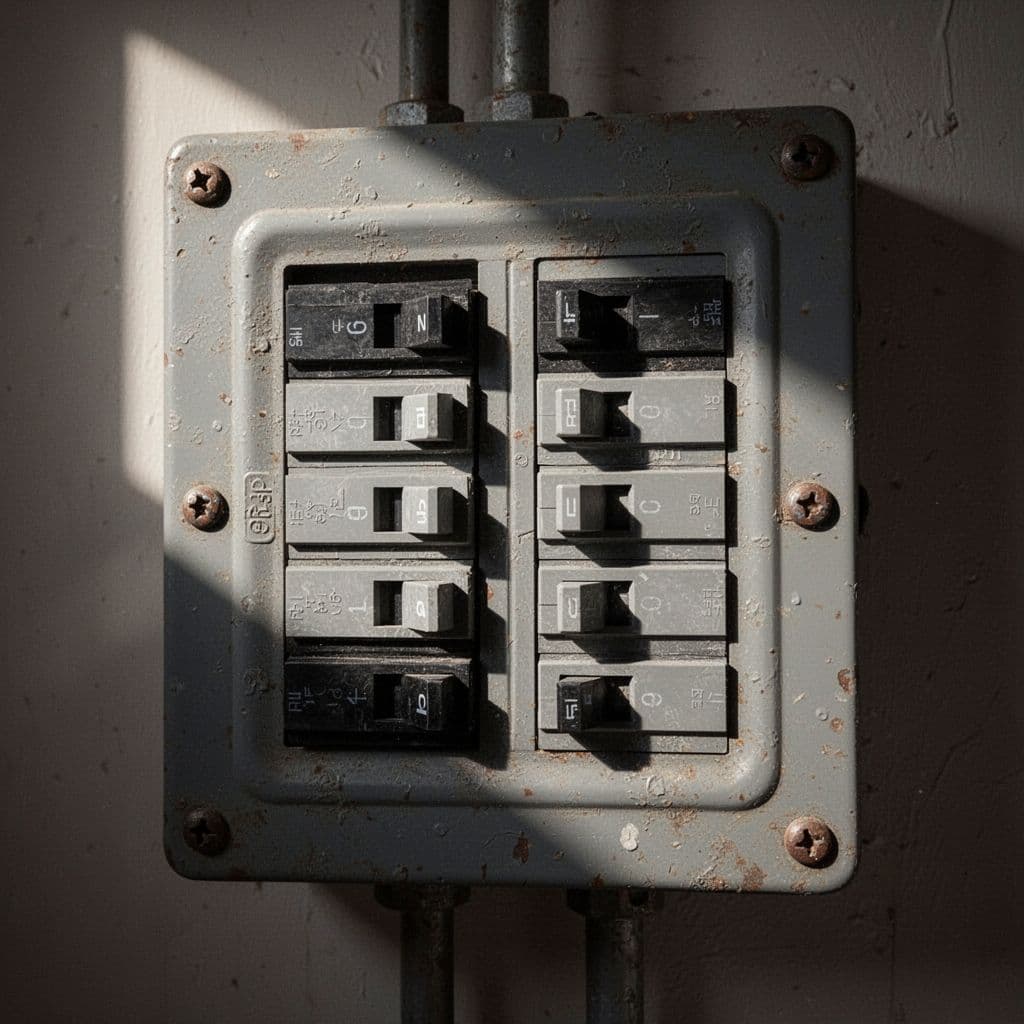
A panel that looks ordinary on the wall can still deserve a full inspection before the house takes on more load.
Why it shows up during inspections, renovations, and insurance reviews
Challenger panels often come up at the exact moments when the electrical system matters most. A buyer wants to know what they are taking on. An insurer wants to know whether older service equipment has been reviewed. A homeowner planning a remodel wants to know if the panel can keep up.
Here is a quick look at the common situations that bring the panel back into focus.
| Situation | Why it comes up | What it usually means |
|---|---|---|
| Home inspection | The panel is older than the rest of the system | A buyer may ask for an electrician's opinion |
| Renovation | New circuits, appliances, or rooms add load | The panel may need repairs, more capacity, or replacement |
| Insurance review | Older service equipment can raise questions | The homeowner may need proof of inspection or update |
| Service upgrade | The home needs more power for modern use | A full panel change may be the cleanest option |
The main takeaway is simple. A Challenger panel can sit quietly for years, then become important when the house starts asking for more power or paperwork.
If you want a faster sense of whether a panel deserves attention, look for warning signs around it. Frequent trips, warm surfaces, rust, buzzing, and scorch marks are all worth a closer look. Breakers that do not reset cleanly are another red flag. If those symptoms sound familiar, electrical panel safety warning signs is a useful next step.
If a panel is already hot, noisy, or badly worn, pause the project and get it checked first.
That advice matters in Greater Boston because so many homes have grown in stages. A house may have an older core, a newer kitchen, an added bath, and a service upgrade that happened years apart. The panel has to manage all of it.
What to do if you find one
The next step is simple once you know a Challenger panel is in the house. Start with an inspection, then decide what the panel actually needs. Guessing is the expensive part.
- Schedule a visit with a licensed electrician. Ask for a direct look at the panel, breakers, and main service.
- Keep the home use steady until you get answers. If the panel already shows heat, noise, or repeated trips, avoid adding more load.
- Ask whether the issue is repairable or whether the panel is past the point of repair. The answer depends on age, condition, and how the home is used.
- Save photos, the panel label, and the electrician's notes. Those records matter during a sale, a purchase, or an insurance review.
- Put the report with your home records. If the house changes hands later, the next owner will want that paper trail.
Replacement becomes the better choice when breakers no longer fit well, the enclosure shows corrosion or heat damage, or the home needs more circuits than the old panel can handle. In those cases, a licensed electrician can talk through the options and explain whether the work is a simple panel swap or part of a larger service upgrade. For many homeowners, breaker panel installation and replacement is the cleanest path to a modern setup.
A replacement is about more than swapping a box on the wall. It usually includes better labeling, a check of grounding and bonding, and a fresh look at how the house is divided into circuits. That matters in older Greater Boston homes, where a panel may have been patched and expanded for decades.
If you are buying, ask for the inspection report and any electrician notes. If you are selling, keep those records ready before the listing goes live. Clear documentation can help with negotiations and reduce last-minute questions.
Conclusion
A Challenger panel is an older part of the home's electrical system, and it deserves attention when it shows up. In Greater Boston, that usually means a panel review during an inspection, renovation, insurance check, or service upgrade.
The goal is not panic. The goal is a clear look at what the home needs now, and what it may need next. When a panel gets flagged, the safest path is simple, get it inspected, document the findings, and replace it if the house has outgrown it.