
What a Wadsworth Panel Means in Greater Boston Homes

Contact Us
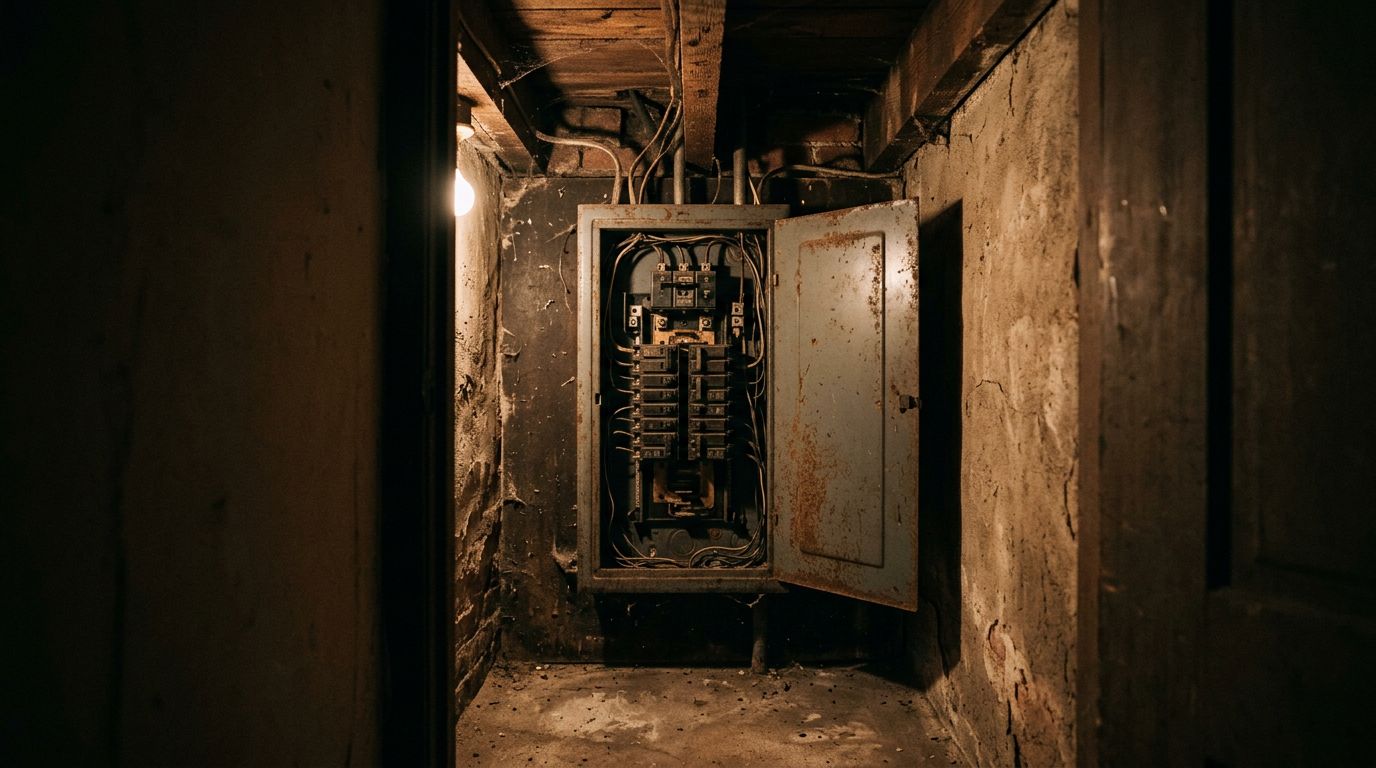
A Wadsworth panel usually means one thing first, your home's electrical system has some age on it. In Greater Boston, that's common in older colonials, triple-deckers, and homes that have been updated in stages.
That doesn't mean the panel is failing today, but it does mean it deserves a careful look from a licensed electrician. For homeowners, the real question is simple, does the panel still fit the way the house is used now?
What a Wadsworth Panel Usually Means in an Older Home
A Wadsworth panel is usually an older brand of service panel found in homes built decades ago. Many are tucked into basements, laundry rooms, or utility closets, where later remodels never touched the main electrical setup. In a lot of Boston-area houses, the panel stayed in place while kitchens, baths, and heating systems changed around it.
The label alone does not tell the full story. A panel can be old and still work, or old and badly matched to today's power needs. The age of the equipment, its condition, and how the circuits are arranged matter more than the name on the cover.
Homes across Greater Boston often grew one project at a time. A finished attic might have added outlets. A newer boiler might have added controls. A home office, freezer, or EV charger can add more demand later. When that happens, the panel becomes the bottleneck, even if everything else in the house looks updated.
Why Inspectors and Insurers Pay Attention
Home inspectors look for age, wear, and signs the system has outlived its comfort zone. Insurance companies may do the same because an older panel can raise questions about maintenance and future claims. Renovation plans bring a different issue. If a kitchen, addition, or EV charger needs more circuits, the panel may not have room or capacity.
Replacement parts and labeling can also become harder to sort out in older systems. When a house has seen decades of patchwork changes, the panel can hold clues about the rest of the wiring. That is one reason Wadsworth panels get flagged during home sales, pre-listing checks, and service upgrades.
If you're seeing warning signs already, common panel upgrade warning signs can help you sort out what deserves a closer look before you schedule work.
A panel that still works can still be the wrong panel for how the house is used today.
During a sale or refinance, that distinction matters. Buyers want fewer surprises, and lenders want the home to be safe and insurable. The panel often becomes part of that conversation. A service upgrade may be recommended when the main system cannot support today's load.
What You Can Spot Without Opening the Panel
Start with what you can see safely. You do not need to remove the cover or touch any wiring. A quick visual check can still tell you a lot.
Before you compare notes with an electrician, here are a few common red flags.
| What you notice | Why it matters |
|---|---|
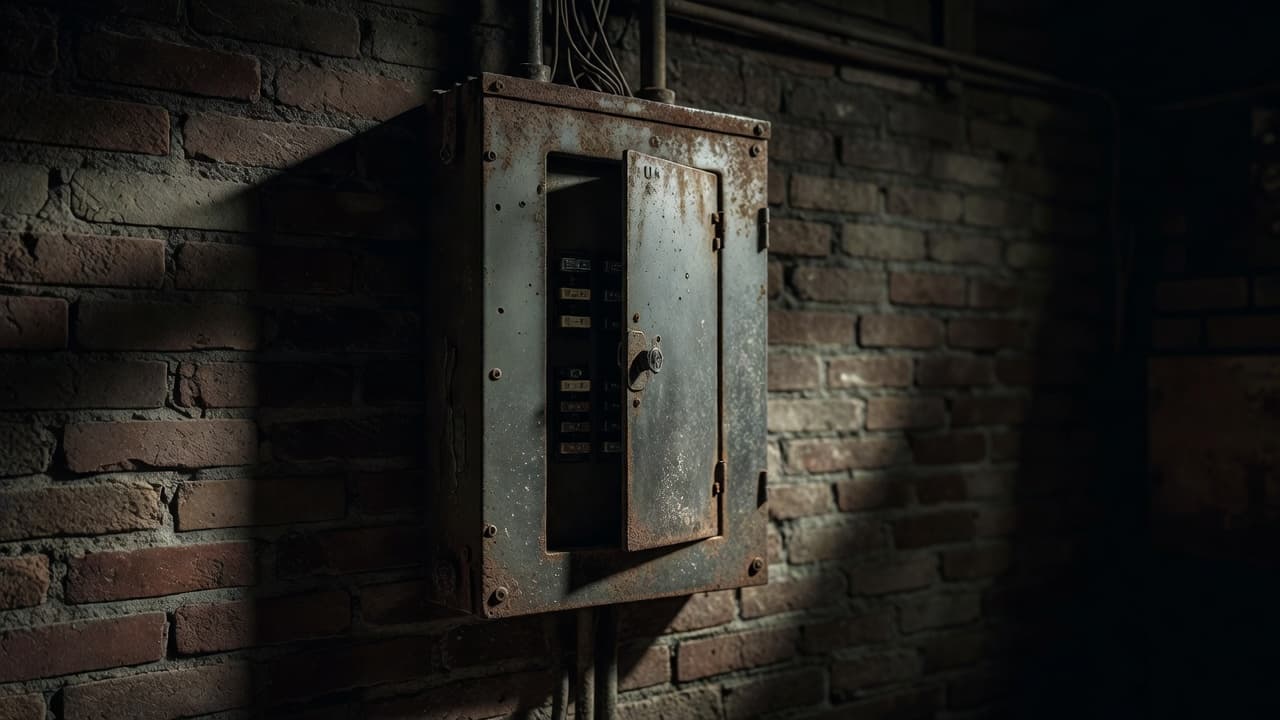
| Rust, corrosion, or moisture stains | The panel may have been exposed to damp basement air or past leaks |
| Breakers that trip often | Circuits may be overloaded or poorly balanced |
| Missing labels or messy patchwork wiring | The system may have been modified over time |
| Scorch marks, heat, or a buzzing sound | The panel needs prompt evaluation |
| No open spaces for new circuits | Renovation plans may outgrow the panel |
If you spot any of those, stop there and call for an inspection. A panel does not need to look dramatic to be a problem. Sometimes the first clue is small, like a breaker that gets warm or a cover that feels unusually hot.
Homeowners also notice smaller signs during day-to-day use. Lights may dim when a large appliance starts. Certain outlets may lose power more often than others. You may hear an odd hum near the panel box. None of those signs proves a major failure by itself, but they point to a system that needs a closer look.
For homeowners who are already planning a remodel, it helps to think ahead. If your project needs more circuits, or if you're adding new equipment, the panel may need more than a quick repair. That's one of the reasons people search for signs your home needs a panel upgrade before they start work.
What a Licensed Electrician May Recommend
What may an electrician recommend after a closer look? The answer depends on the panel's age, its condition, and how the home is used. Sometimes the fix is modest. Loose connections may need tightening. A mislabeled circuit may need to be traced. A limited number of code-related corrections may bring the setup into better shape.
Other times, replacement makes more sense. If the panel has no room for new circuits, shows heat damage, or no longer matches the home's demand, a full changeout can be the cleaner path. That is common when homeowners are adding a heat pump, finishing a basement, or planning an EV charger. In those cases, breaker panel replacement services give the home a more practical starting point for future work.
A licensed electrician can also check grounding, bonding, breaker sizing, and whether the service itself needs an upgrade. Those details matter because the panel is only one part of the system. If the service into the house is undersized, a new panel alone may not solve the problem.
Replacement work should stay in licensed hands. The panel carries live power, and the job often requires shutoff, testing, and coordination with the utility or inspector. That is not the place for a guess. It is a place for accurate testing, the right parts, and a clean final label on every circuit.
A good evaluation also helps homeowners avoid spending money in the wrong place. Sometimes a house needs a larger service. Sometimes it only needs better circuit organization. Sometimes the safest answer is to replace aging equipment before it becomes part of a larger repair.
Why Greater Boston Homes Need a Closer Look
Older housing stock is a big reason this comes up so often in Greater Boston. Many homes have been renovated more than once, and each update may have added load without replacing the panel. A house that once ran on simpler needs may now support laptops, laundry, smart appliances, basement living space, and a charging station in the garage.
Local conditions matter too. Basements in the area can be damp, and older utility spaces often lack room. That can make aging equipment look even more tired. In homes that have seen patchwork upgrades, the panel can tell you a lot about the rest of the electrical system. A finished attic, a new bath, or a mini-split can push the old setup harder than before.
The smartest move is not to assume the panel must be replaced, and not to assume it is fine. A licensed electrician can size up the setup, compare it to today's demand, and tell you what actually needs attention. That may be a repair, a service upgrade, or a full replacement.
For Boston-area homeowners, that kind of review brings clarity before a sale, renovation, or insurance check. It also keeps the next project from colliding with an old panel that has run out of room.
Conclusion
A Wadsworth panel is often a sign of an older electrical setup, not an automatic emergency. In Greater Boston homes, that usually means the panel deserves a closer look before the next inspection or project.
If the panel is aging, crowded, or showing wear, a licensed electrician can tell you whether it needs repair, a service upgrade, or replacement. That step is simple compared with the cost of guessing.
When the house has changed faster than the panel, the panel is the place to start.