
What Two-Prong Outlets Mean in Greater Boston Homes

Contact Us
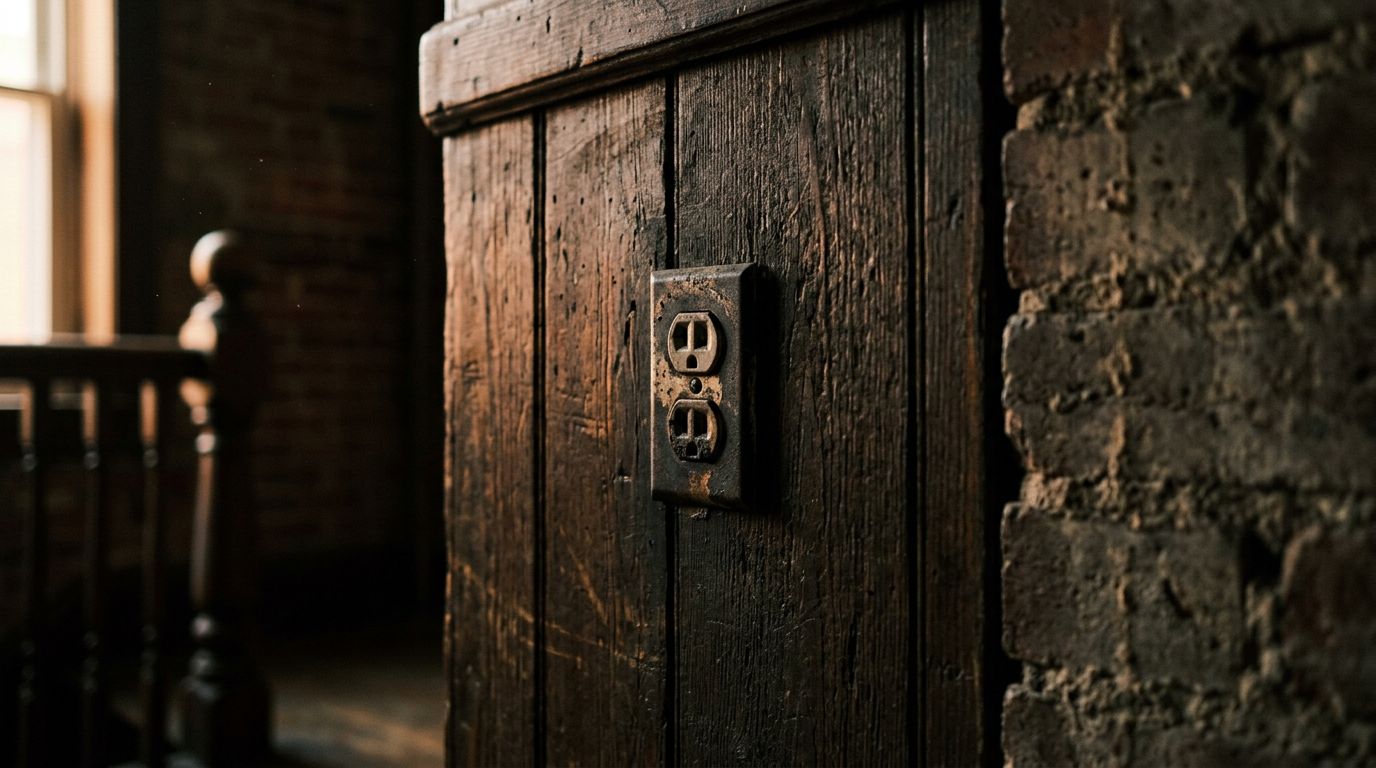
If your home still has two-prong outlets, the age of the building may be telling part of the story. In Greater Boston, especially in older houses, apartments, and mixed-use buildings, those outlets often point to wiring that was installed before grounded receptacles became standard.
That does not automatically mean the home is unsafe. It does mean you should treat the outlet as a clue, not a final answer, and have the wiring checked by a licensed electrician if you plan to use modern electronics or heavier appliances.
Understanding what those two slots mean can help you decide whether to leave them alone, use them carefully, or upgrade them the right way. Start with the buildings themselves, because local housing stock tells you a lot.
Why two-prong outlets show up so often in older Boston buildings
Many Greater Boston homes were built long before grounded outlets became common. That includes triple-deckers, older condos, prewar apartments, and single-family homes that have been updated in pieces over the years. A kitchen may have new wiring, while a bedroom still uses the original receptacles.
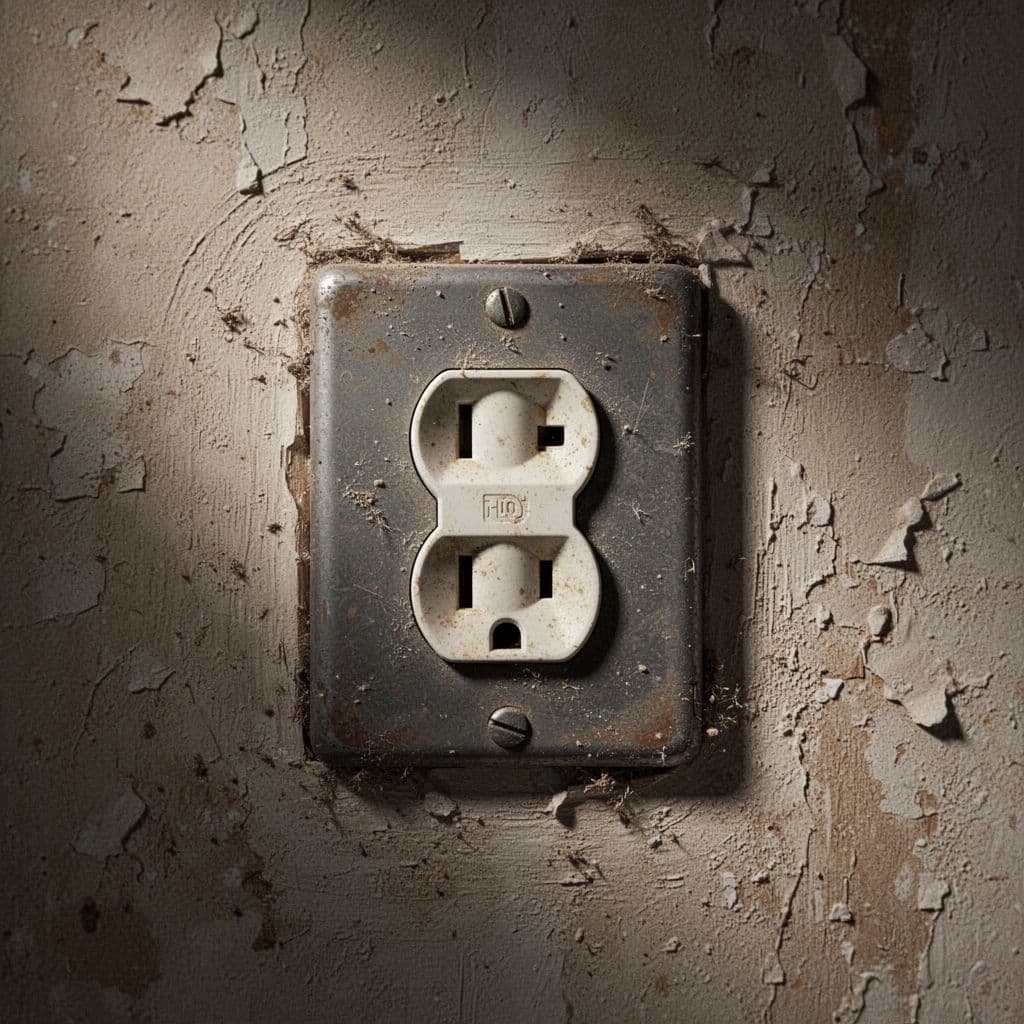
In homes like that, the outlet face often matches the age of the circuit behind it. When only part of the house has been modernized, the older rooms can keep their two-slot outlets for years. That is common in Boston neighborhoods where plaster walls, narrow trim, and layered renovations make full rewiring a bigger project.
A two-prong outlet often means the receptacle is ungrounded . Still, the faceplate alone does not tell the whole story. Some older wiring systems use metal conduit or other paths that change how the circuit is grounded. Others have been altered over time by past repairs. Because of that, the outlet style is a warning sign, not a diagnosis.
The outlet shape is a clue, not a verdict. The wiring behind it matters more than the cover plate.
What the missing third slot really tells you
The third slot on a modern outlet is there for grounding. That ground path gives stray electricity a safe route away from people and equipment. Without it, a fault has fewer places to go, which can raise the risk of shock or equipment damage.
That matters most when you plug in devices with metal cases, surge strips, computers, or appliances that depend on a grounded connection. A lamp may run fine on a two-prong outlet. A laptop charger may power up too. However, the outlet may not offer the protection those devices are designed to use.
A few things are easy to miss:
- A two-prong outlet can still work, but working is not the same as being properly grounded.
- A device with a three-prong plug should not be treated as if the third prong is optional.
- A room can have several two-prong outlets and still look neat and painted over, which makes the wiring issue easy to overlook.
The safest next step is simple. If you are unsure whether the circuit is grounded, have a licensed electrician test it. That is better than guessing based on the outlet face alone.
Why adapter plugs only solve part of the problem
Adapter plugs help a three-prong cord fit into a two-slot outlet, but they do not create grounding by magic. They are a convenience, not a repair. In many older homes, that is the part people miss.
An adapter can make sense in narrow situations, especially for temporary use or low-demand devices. It does not turn an ungrounded outlet into a fully grounded one. If the outlet box is not properly grounded, the adapter only changes the shape of the connection.
Here is the practical way to think about it:
| Situation | Common fix | Best for |
|---|---|---|
| Grounding is already present behind the box | Replace the receptacle with a grounded three-prong outlet | Rooms where the circuit was updated before |
| No equipment ground is available | Add GFCI protection and label the outlet correctly | Older rooms where rewiring is not planned yet |
| The circuit is worn, overloaded, or outdated | Rewire the circuit or add a new one | Kitchens, offices, and rooms with heavy use |
The table makes one thing clear. The right fix depends on what is behind the wall. If the wiring is sound and grounded, a straightforward outlet replacement may be enough. If not, GFCI protection or a larger upgrade may be the better path.
For many homeowners, the cleanest solution is professional replacement rather than another adapter in the drawer. If that is where you are headed, outlet installation and replacement in Weston is a good example of the kind of work that matches this problem.
Better upgrade paths for older homes and apartments
Two-prong outlets do not all lead to the same fix. In Greater Boston homes, the right upgrade often depends on the age of the wiring, the room's use, and how much work the owner wants to take on now versus later.
Grounded replacement is the simplest path when the existing wiring already supports it. In that case, an electrician can swap in a modern receptacle and confirm that the ground path is real, not assumed. That is a common outcome in homes that have seen partial updates.
GFCI protection is another common option. A GFCI watches for current imbalance and shuts power off quickly when something is wrong. It does not create a true ground, but it can add a strong layer of protection where rewiring is not practical yet. That makes it useful in older rooms, especially when the wall cavities are hard to access.
Full rewiring is the biggest step, but it can also solve the most problems at once. If the house has brittle insulation, overloaded circuits, or repeated outlet issues, a room-by-room swap may only buy time. Larger updates are often worth it when a renovation is already opening walls.
Think about the difference this way. A new outlet face can improve convenience. A new circuit changes what the home can safely support.
How an electrician checks the circuit behind the wall
A good electrician does not stop at the two slots you can see. They open the box, test the circuit, and look for clues that show how the home was built and how it has been repaired over time. That matters in older Greater Boston properties, where one room may have modern cable and the next may not.
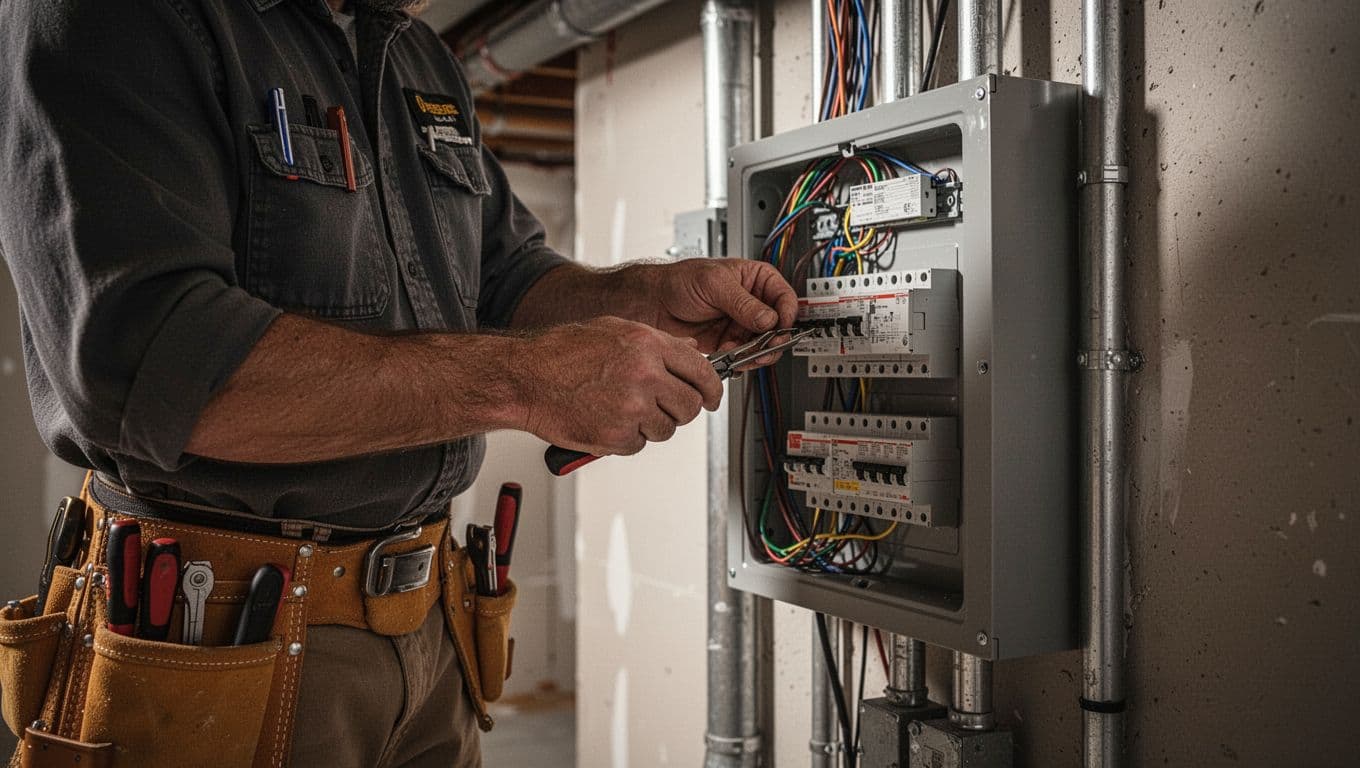
During an evaluation, an electrician may check for grounding paths, loose connections, worn insulation, heat marks, and signs of past patchwork repairs. They may also compare the outlet to the panel and other circuits in the home. That wider view matters because the outlet itself is only one piece of the system.
This is also where code-related details come into play. A replacement may need to be grounded, GFCI-protected, or handled in another approved way depending on the room and the wiring. Those decisions should be made by someone who can test the circuit, not by a guess based on the outlet cover.
When the work needs to go beyond the box itself, a home electrical safety inspection is a smart next step. It helps you see whether one outlet is the issue or whether the whole branch circuit needs attention.
When an electrical inspection makes sense
Some situations call for more than a quick outlet swap. If you are buying an older home, planning a remodel, or noticing a mix of old two-prong outlets and newer receptacles, an inspection can save time later. It can also keep you from replacing one outlet at a time without knowing what the rest of the circuit looks like.
An inspection is especially useful if you notice any of these signs:
- outlets that feel loose or warm
- frequent breaker trips
- lights that flicker when appliances start
- outlets that have been painted over or patched in place
- old extension cords or adapters used as permanent fixes
Those signs do not all point to the same problem, but they do point to one thing, the system needs a closer look. In a city with so many older buildings, that is normal. It is also a good reason not to treat two-prong outlets as a minor cosmetic issue.
If the wiring is in good shape, the inspection gives you a clear path forward. If it is not, you can plan the upgrade before a small issue becomes a bigger one.
Conclusion
Two-prong outlets are common in Greater Boston homes because so much of the housing stock is older. They often mean the receptacle is ungrounded, but the outlet shape alone does not tell you everything about the circuit behind it.
The safest approach is to use the outlet as a signal, then let a licensed electrician test the wiring and recommend the right fix. Whether that ends up being a replacement, GFCI protection, or a larger upgrade, the goal is the same, a system that fits the way you live now.