
Aluminum Wiring Repair or Replacement for Greater Boston Homes

Contact Us
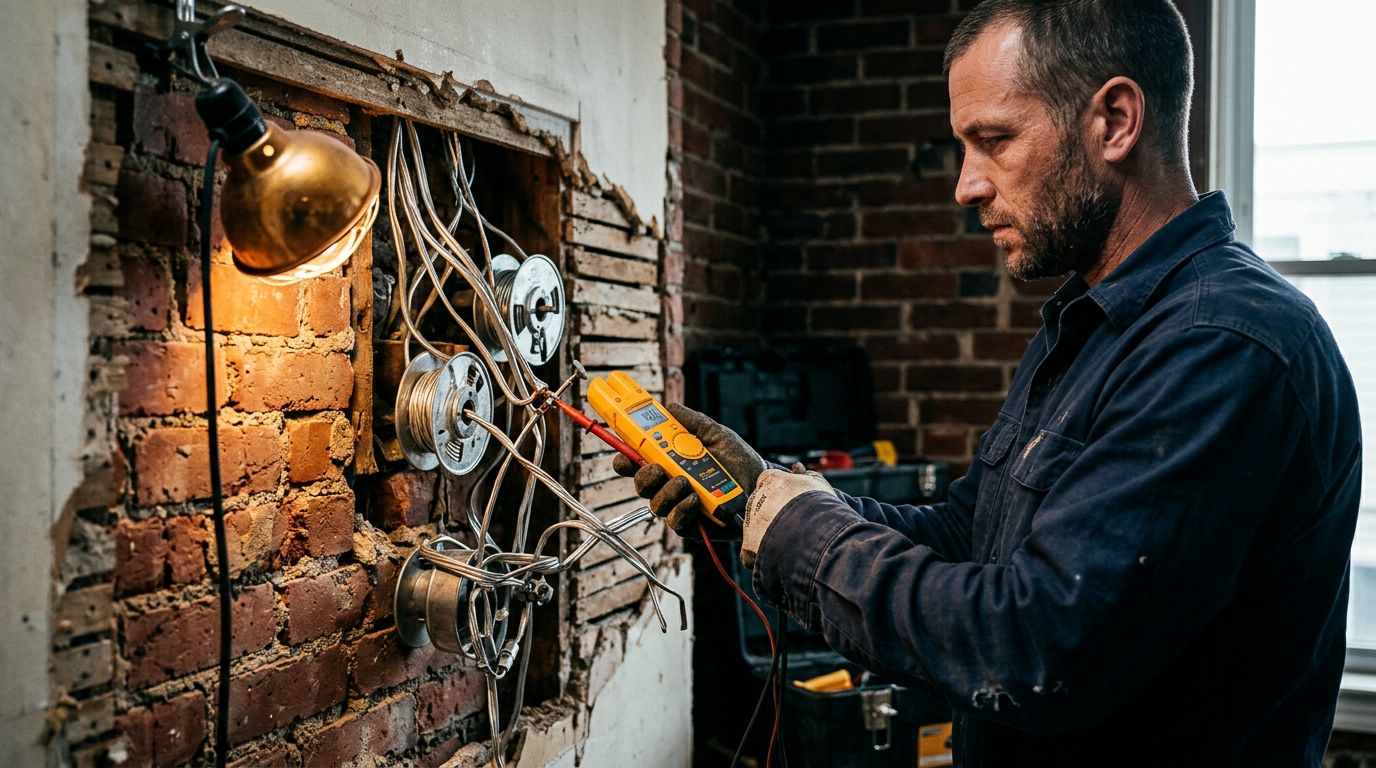
If your home in Greater Boston was built before the late 1970s, the wiring behind the walls may not be copper. It may be aluminum branch wiring, and that changes how the system should be inspected and repaired.
Many homes look updated on the surface, yet the original electrical work stays hidden. That matters because loose connections, heat, and aging devices can create real risk, and insurers or buyers may ask about it later.
The good news is that a problem home does not always need a full replacement. The right answer depends on what the wiring looks like, how it was installed, and how the house is used today.
Why aluminum branch wiring still shows up in older Greater Boston homes
Aluminum branch wiring was used in many homes during the 1960s and 1970s, when material costs pushed builders toward cheaper conductor options. In Greater Boston, that means a lot of capes, Colonials, triple-deckers, and postwar homes can still have original branch circuits in place.
A remodel does not always remove old wiring. A kitchen may look new while the circuits feeding it still run through older aluminum conductors. That is why a visual update does not tell the full story.
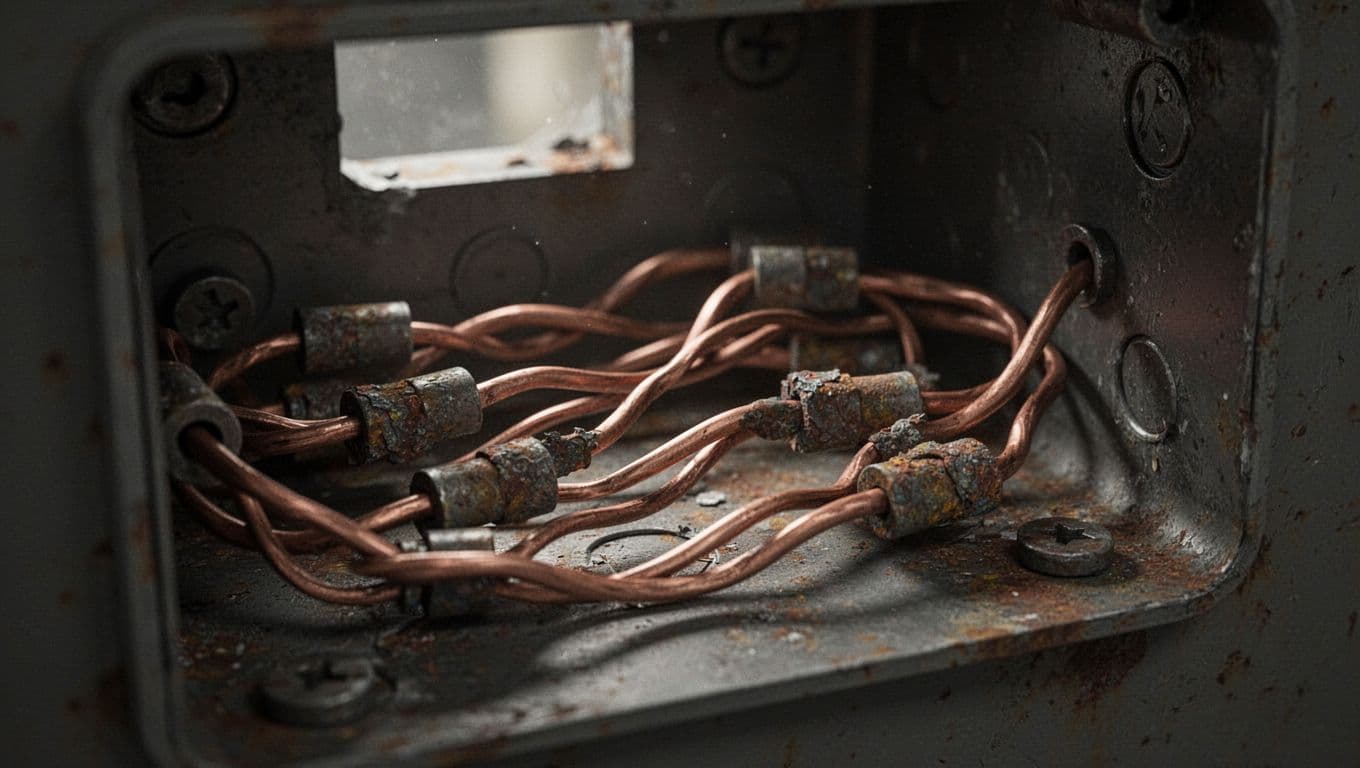
Aluminum itself is not the whole problem. The issue usually shows up at the connections. Aluminum expands and contracts more than copper, and over time that movement can loosen a termination. Oxidation also creates more resistance at the contact point. Resistance creates heat, and heat is where trouble starts.
A wall plate can look fine while the connection behind it is already running hot.
That is why a home with aluminum branch wiring needs a careful inspection, not a quick glance. The age of the house matters, but the condition of the terminations matters more.
Warning signs that call for an inspection
Some homes show no obvious symptoms until a breaker trips or a home inspector points out a concern. Still, there are clues that should not be ignored.
- Lights flicker or dim when appliances start.
- Outlets or switches feel warm to the touch.
- A burning smell comes from a receptacle or panel.
- Faceplates look discolored or cracked.
- Breakers trip without a clear reason.
If any of those signs show up, stop using that circuit and call a licensed electrician. Repeated testing can make a bad connection worse.
A cool outlet does not mean the connection behind it is safe. The problem may sit inside the box, at a device screw, or inside the panel where you cannot see it. Thermal scanning can help find hot spots before they become a bigger issue.
This is also where a full inspection matters more than a single repair attempt. A room can have one bad outlet, or it can have a pattern of loose terminations on several branches. Only a trained electrician can sort that out safely.
Aluminum wiring repair vs full replacement
Homeowners often ask whether the answer is repair or replacement. The honest reply is that both can be right, depending on the house.
Repair is a good fit when the aluminum wiring itself is still serviceable, but the terminations, outlets, or switches need correction. Full replacement makes more sense when the wiring is widespread, damaged, or part of a bigger renovation. In older Greater Boston homes, plaster walls, finished ceilings, and multi-story layouts can also affect the cost and scope.
Here is a simple way electricians compare the options.
| Option | What it means | When it makes sense |
|---|---|---|
| Limited aluminum wiring repair | A licensed electrician corrects unsafe terminations, replaces damaged devices, and fixes problem spots on affected circuits. | The wiring is mostly intact, but a few connections or devices are failing. |
| Partial replacement | Only selected rooms or circuits are rewired with copper. | The risk is localized and access is practical. |
| Full replacement | The aluminum branch circuits are replaced with copper. | The home needs a long-term fix, or the wiring condition is too widespread for targeted work. |
The main point is simple. Repair should solve the heat risk at the connection points, not just hide the symptom. A cosmetic patch does not count as remediation.
A licensed electrician will also look at how much of the system can stay in place safely. That can save money when the wiring is sound, but it should never be forced just to avoid a bigger job. Safety comes first.
Insurance and resale concerns in Greater Boston
Insurance and resale questions come up often with older homes. Some insurers want proof that the aluminum wiring was inspected or remediated. Others may ask for a report before they write or renew a policy. In some cases, the carrier may raise the premium or narrow the coverage options.
Home buyers ask about it too. In a competitive Greater Boston market, a buyer may still love the house, but they will want clear answers about the electrical system. A visible note from a licensed electrician carries far more weight than a quick verbal explanation.
Good paperwork helps here. Keep inspection reports, permits, photos, and repair records together. If a problem comes up later, that file shows the work was done by a professional and not left to chance.
For sellers, this can prevent delays during the home inspection period. A buyer who sees a clean evaluation is more likely to move ahead with confidence. A buyer who sees vague answers often starts asking for credits or price cuts.
What a licensed electrician checks during evaluation
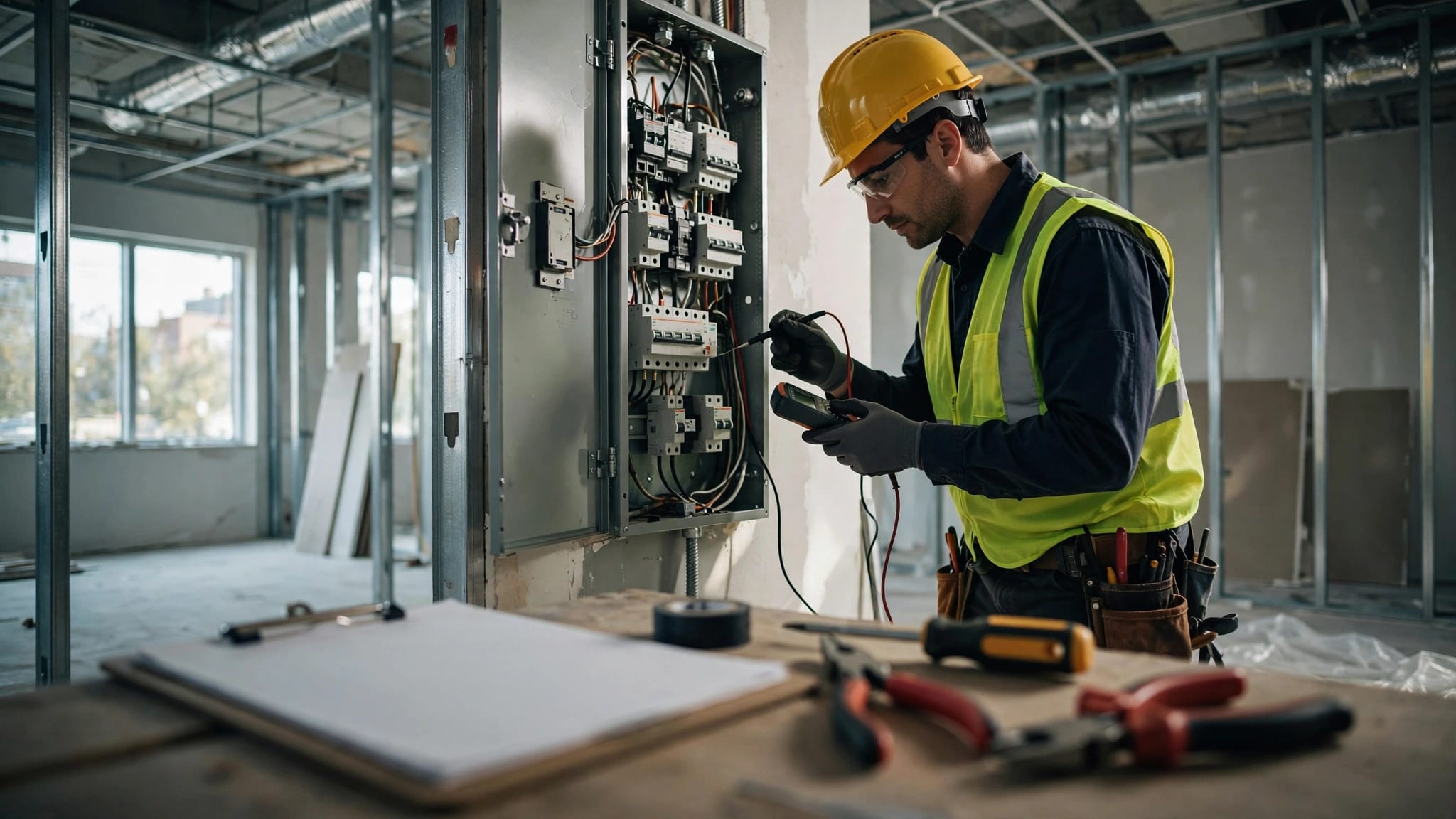
A proper evaluation starts at the panel, then moves through outlets, switches, fixtures, and any accessible junction points. In an older home, the electrician looks for aluminum branch circuits, signs of overheating, and devices that may not be compatible with the existing conductors.
A licensed team that offers electrical inspections and repairs can test the system, trace affected circuits, and document the findings for your records.
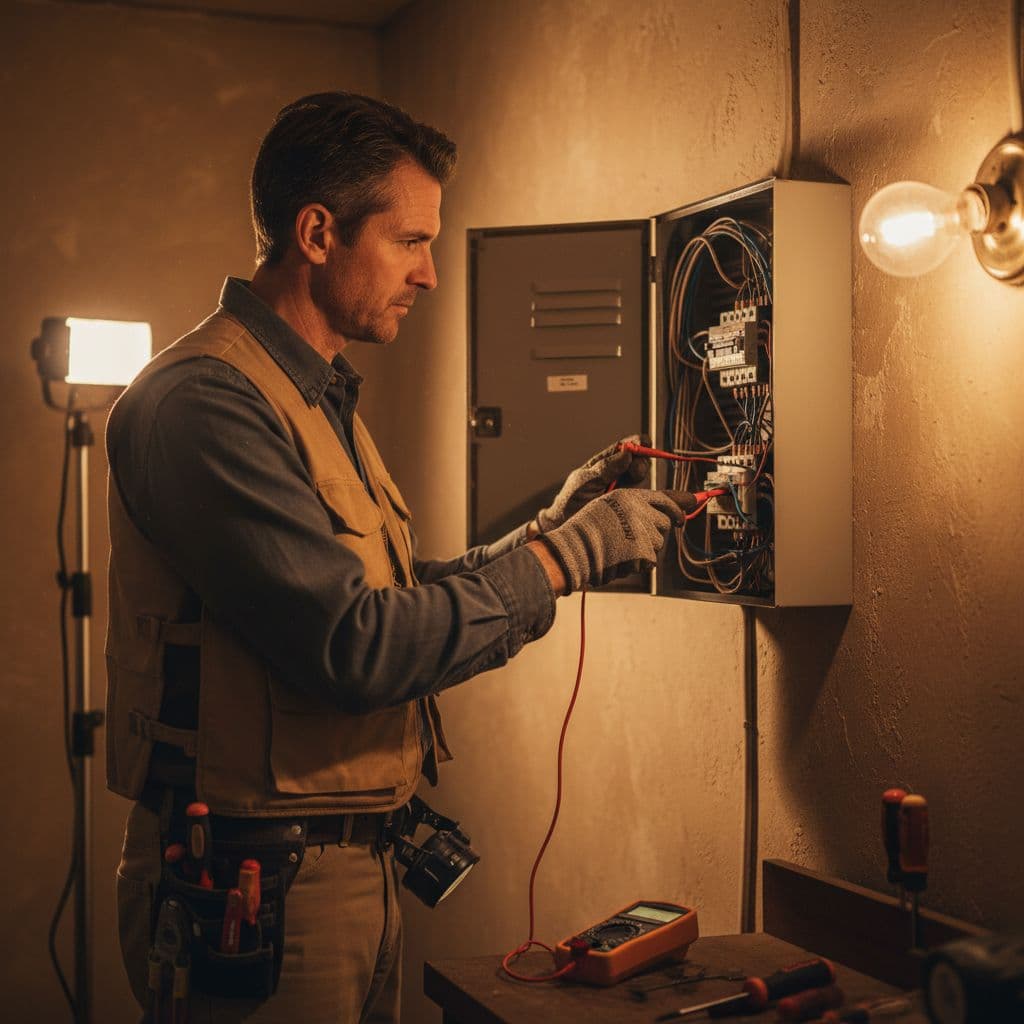
Some electricians also use thermal imaging to spot hot connections inside the panel or at devices. That is useful because many aluminum problems hide behind a cover plate or inside a wall box. The goal is not guesswork. The goal is a clear map of what can stay, what needs repair, and what should be replaced.
This is not a do-it-yourself project. Opening energized devices or trying to tighten connections without training can lead to shock, fire, or both. Evaluation and remediation should stay with a licensed electrician who knows how to work on older residential systems safely.
A careful inspection also helps with planning. If only a few circuits need attention, the electrician may recommend staged work. If the wiring is widespread and access is good, a more complete replacement may be the better long-term move.
Conclusion
If your Greater Boston home has aluminum branch wiring, the question is not whether to panic. The question is whether the system needs targeted aluminum wiring repair or a full replacement plan.
The safest path starts with a licensed inspection, clear documentation, and a fix that matches the house instead of a guess. Older wiring can often be managed well, but only when someone qualified looks at the whole system and treats the warning signs with care.