
Why Does a Commercial Breaker Trip When a Motor Starts?

Contact Us
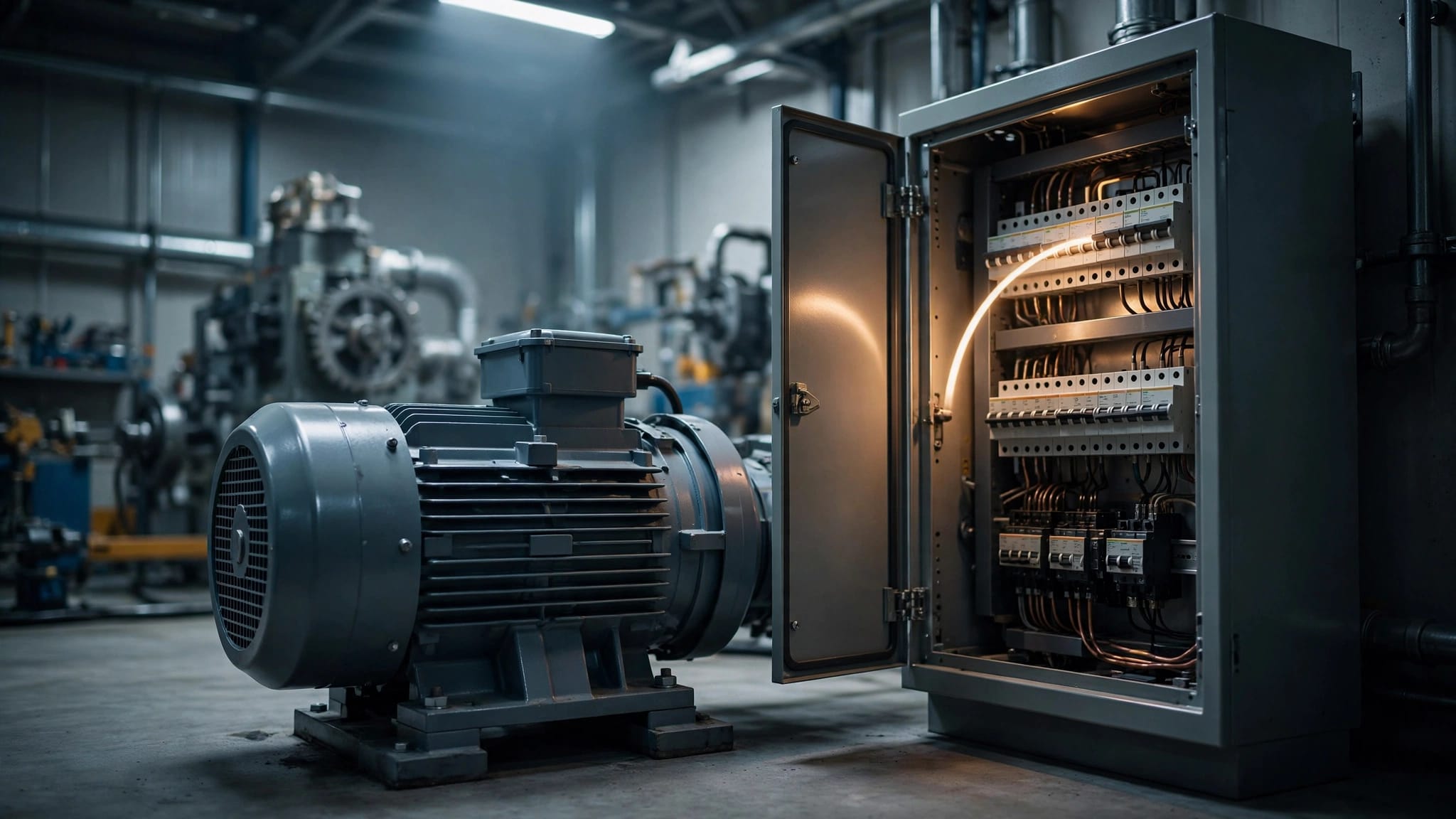
A commercial motor breaker can trip at startup because the motor draws a brief surge of current as it begins turning. That surge can expose a breaker selection problem, but it can also coincide with a mechanical bind, a wiring fault, or another electrical issue.
If your motor breaker trips, the timing offers a clue, not a diagnosis. Repeated resets can damage equipment or re-energize a fault, so the next step is to identify what is happening before the motor starts again.
How Startup Current Can Trip a Breaker
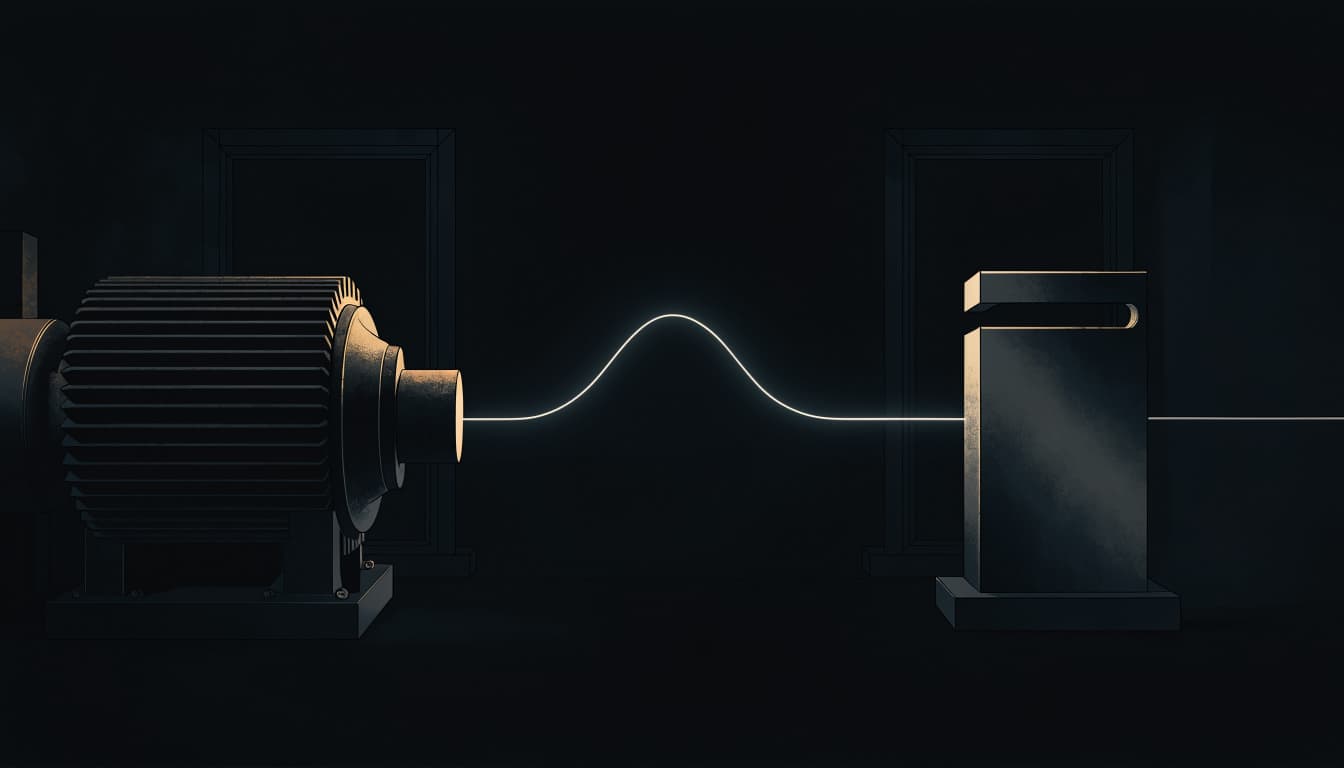
An induction motor draws more current when it first starts than it normally draws after reaching operating speed. During startup, the motor must overcome its own inertia and the resistance of the equipment it drives.
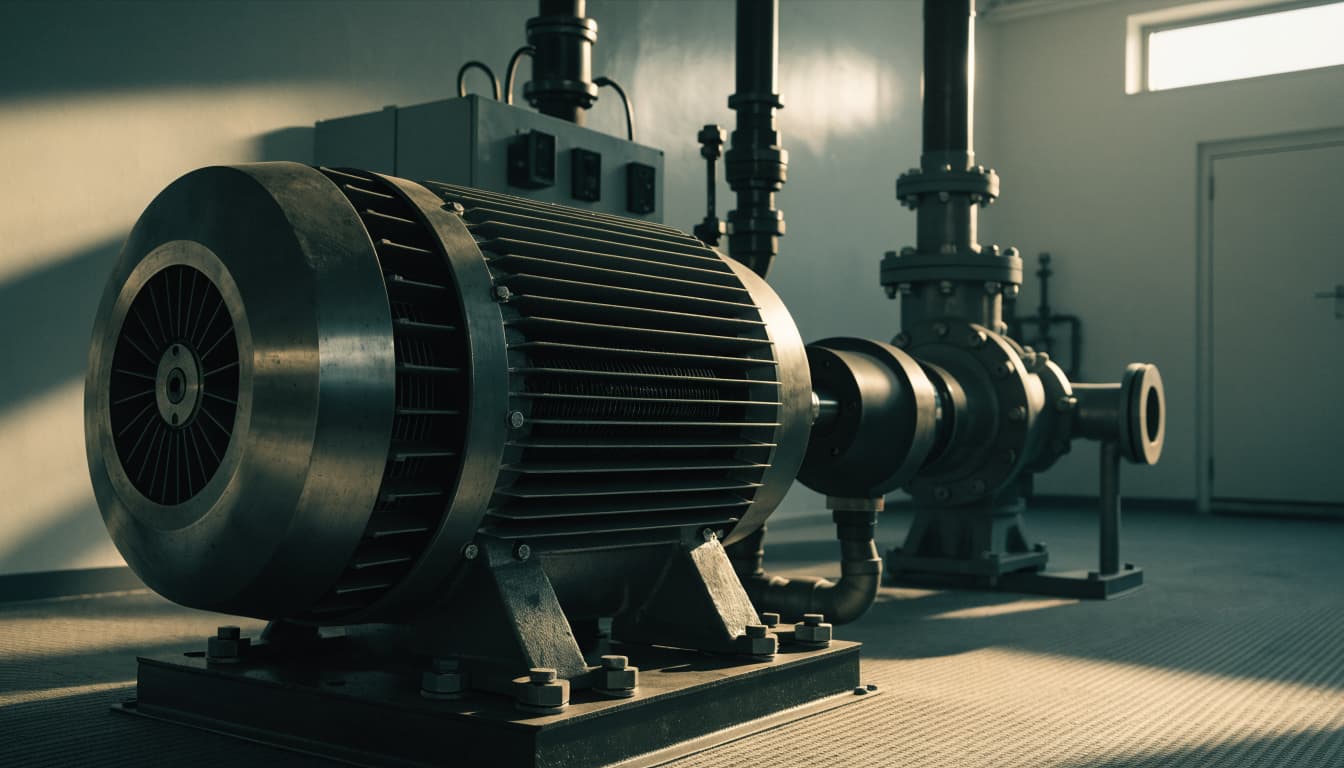
That temporary demand is called inrush current or starting current. A properly designed motor circuit accommodates the expected start while providing the protection required for the circuit.
A trip can occur if the breaker isn't suited to the motor's starting characteristics. However, a motor that struggles to reach speed may also draw elevated current for longer than expected. In that situation, changing the breaker without finding the reason for the slow start could leave the underlying problem in place.
A pump, compressor, or fan can place a different demand on its motor. The motor's design, the connected load, and the starting method all matter when an electrician evaluates the circuit.
What the Timing of a Trip Can Tell You
The point at which protection trips helps narrow the investigation. It doesn't identify the cause on its own.
| When the trip occurs | What an electrician may investigate |
|---|---|
| As soon as the motor is energized | Starting current, breaker selection, wiring faults, and motor condition |
| After the motor struggles to start | A binding load, low voltage, or a starting component problem |
| After the motor has been running | Excessive load, cooling problems, or protective-device issues |
| When other equipment is operating | Supply voltage, shared loads, and circuit capacity |
For example, an immediate trip can occur during a normal startup surge if the protection isn't appropriate for the application. An immediate trip can also indicate a short circuit. The two situations require different repairs.
Make a note of whether the motor turns, hums, reaches speed, or stops before the trip. That information helps an electrician plan the diagnosis without asking you to operate the equipment repeatedly.
Could the Breaker Be the Problem?
A breaker can be incorrectly selected, incompatible with the panel, or damaged. Still, the fact that it trips doesn't prove it has failed. It may be responding to current the circuit shouldn't carry.
Breaker type and compatibility
Breakers differ in their intended applications and operating characteristics. An electrician considers the motor's starting requirements alongside the protective device's rating, type, and any permitted settings.
A replacement must also be listed or classified for the specific panel . Matching the handle rating or finding a breaker that fits the slot isn't enough. Voltage, pole count, interrupting rating, and the required type of protection all matter.
Age and damage
Heat, corrosion, physical damage, and wear can affect electrical equipment. An electrician can inspect the breaker and its connections, then determine whether replacement or further testing is appropriate.
Don't install a larger breaker to stop the trips. Motor circuits have particular sizing rules, and a change must account for the conductors, equipment, and other protective devices. A larger breaker selected by guesswork can leave the circuit inadequately protected.
A Heavy or Binding Load Can Prevent Startup
A motor needs enough torque to bring its driven equipment up to speed. If that equipment resists movement more than it should, the motor may struggle to start and draw excessive current.
Look at the driven equipment
A seized pump, damaged bearing, obstructed fan, or compressor problem can place an abnormal load on a motor. A motor that hums without reaching speed is a reason to stop operating the equipment and arrange service.
The electrician may need to coordinate with the equipment's service technician. The electrical circuit can be sound while the connected machine needs repair.
Consider overload during operation
A motor can also encounter excessive load after startup. Poor ventilation, a blocked air path, or a machine working harder than intended can add heat or demand.
Motor overload protection and the branch-circuit breaker don't necessarily perform the same job. The overload device protects the motor against certain sustained overload conditions, while the branch-circuit protective device addresses faults and provides other required circuit protection. Identifying which device operated helps direct the investigation.
Voltage Problems Can Make a Motor Struggle
A motor needs the correct supply voltage to start and operate as intended. Low voltage at the motor can reduce available starting torque, making it harder to accelerate the connected equipment.
Voltage drop during startup
Long wiring runs, inadequate connections, and other supply issues can contribute to a voltage drop when a motor starts. A brief change in lighting may be useful information to report, although it doesn't establish the cause of the trip.
An electrician can measure voltage at the appropriate points during startup and compare it with the motor and equipment requirements. The comparison matters because a normal reading when the motor is off doesn't show what happens under starting load.
Three-phase supply issues
Many commercial motors use three-phase power. A missing phase, a poor connection, or an imbalance in the supply can interfere with operation and increase stress on the motor.
These conditions require electrical testing. Don't open a panel or motor enclosure to look for them yourself. Leave the equipment off and describe any observed symptoms to the electrician.
Wiring Faults and Starting Components
Not every startup trip involves an overloaded motor. A fault in the wiring or a failed component can also interrupt operation as soon as the equipment is energized.
Short circuits and damaged insulation
A short circuit can occur when current takes an unintended path because of damaged insulation or a failed component. Moisture, physical damage, and deteriorated wiring are possible contributors.
A trip accompanied by a burning smell, smoke, or visible damage calls for prompt attention. Keep away from the equipment. If there's smoke or fire, leave the area and call emergency services.
Our guide to common causes of repeatedly tripping breakers covers other warning signs that deserve an electrician's attention.
Failed starting components
Some single-phase motors use a starting capacitor, a start switch, or other components to help them start. If a starting component fails, the motor may hum, start slowly, or fail to turn.
Commercial equipment can also use starters, contactors, or other controls that affect how a motor starts. The right diagnosis depends on the equipment design. A technician should test the relevant components rather than replace parts by trial and error.
What Happens During a Professional Diagnosis
A useful diagnosis follows the current through the system and considers the driven equipment. The goal is to distinguish the motor's expected starting demand from a fault or load problem.
Review the equipment and trip history
An electrician will identify the device that operated and review the motor, breaker, wiring, and controls. Your notes about when the trip occurs can help, especially if the problem appears only when other equipment is running.
The electrician may also ask whether the motor or driven machine has been replaced, repaired, or put to a different use. A circuit that worked for one motor isn't automatically correct for a replacement.
Measure and inspect
Depending on the equipment and symptoms, the electrician may measure starting and running current, assess supply voltage, and inspect connections. Testing may also include the motor, starter, and protective devices.
Any energized testing belongs to a qualified professional using appropriate procedures and equipment. Mechanical inspection must also account for stored energy and moving parts. Property owners shouldn't remove guards, open electrical enclosures, or disconnect a load to troubleshoot a trip.
Why Nameplate Data and Electrical Requirements Matter
The motor nameplate gives the electrician a starting point for evaluating the installation. It can identify the motor's voltage, phase, current, and other characteristics relevant to its operation.
Nameplate information and circuit design
Nameplate current helps assess the motor and its overload protection. It doesn't, by itself, provide a universal breaker size. Motor branch circuits have specific rules for conductors and protective devices, and the equipment instructions can add requirements.
The electrician also needs to consider the starting method and the actual connected load. A pump motor and a motor driving a different machine may present different startup conditions, even when their nameplates look similar.
Panel approval and local requirements
The breaker must suit both the circuit and the panel. The panel labeling and manufacturer documentation identify permitted breaker types, while the breaker's interrupting rating must be adequate for the available fault current.
Applicable electrical code, manufacturer instructions, and local permitting requirements also matter. In Massachusetts, electrical work follows the state electrical code and applicable state requirements. Depending on the work, a permit and inspection may be necessary.
Fix the Cause Instead of Masking the Trip
The repair depends on what the diagnosis finds. A failed starting component may need replacement, while a binding pump may need mechanical service. A damaged connection, unsuitable breaker, or supply problem calls for a different correction.
If a motor circuit needs a design change, the electrician evaluates the whole circuit rather than changing one part in isolation. That includes the conductors, protection, panel compatibility, and equipment requirements.
At Sirois Electric, we provide commercial electrical repairs and inspections in Greater Boston. We can assess a recurring trip and identify the electrical work needed to restore service safely.
A Safer Way to Get the Motor Running
A brief surge is part of motor startup, but a breaker trip deserves an explanation. Timing, measurements, and the condition of the driven equipment help distinguish expected starting current from a problem.
Leave the equipment off after repeated trips and arrange a professional diagnosis . The right repair addresses the cause while keeping the circuit's protection intact.