
How to Read a Commercial Panel Schedule

Contact Us
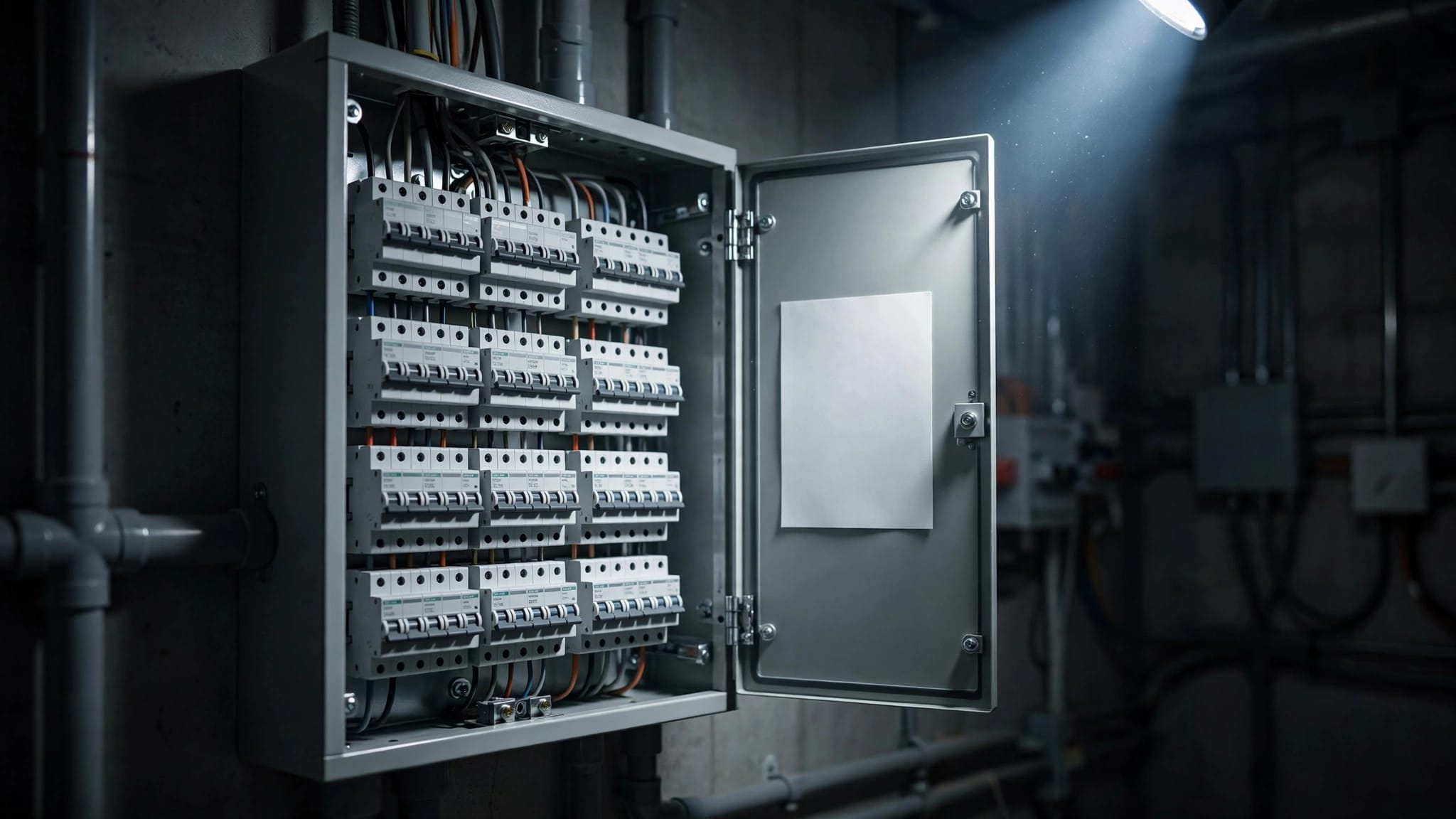
A commercial panel schedule connects each breaker to the lights, outlets, or equipment it supplies. To read one, start with the panel identification, find the circuit number, and follow that entry across to its breaker and load details.
For a business owner, the schedule is useful during an outage, service call, or renovation. Its value depends on accurate labels , so treat a faded or outdated schedule as a starting point rather than proof of what a circuit controls.
What a commercial panel schedule shows
A panel schedule is a directory of the circuits supplied by an electrical panel. It can appear on a card inside the panel door, on a nearby sheet, or as part of a building's electrical drawings.
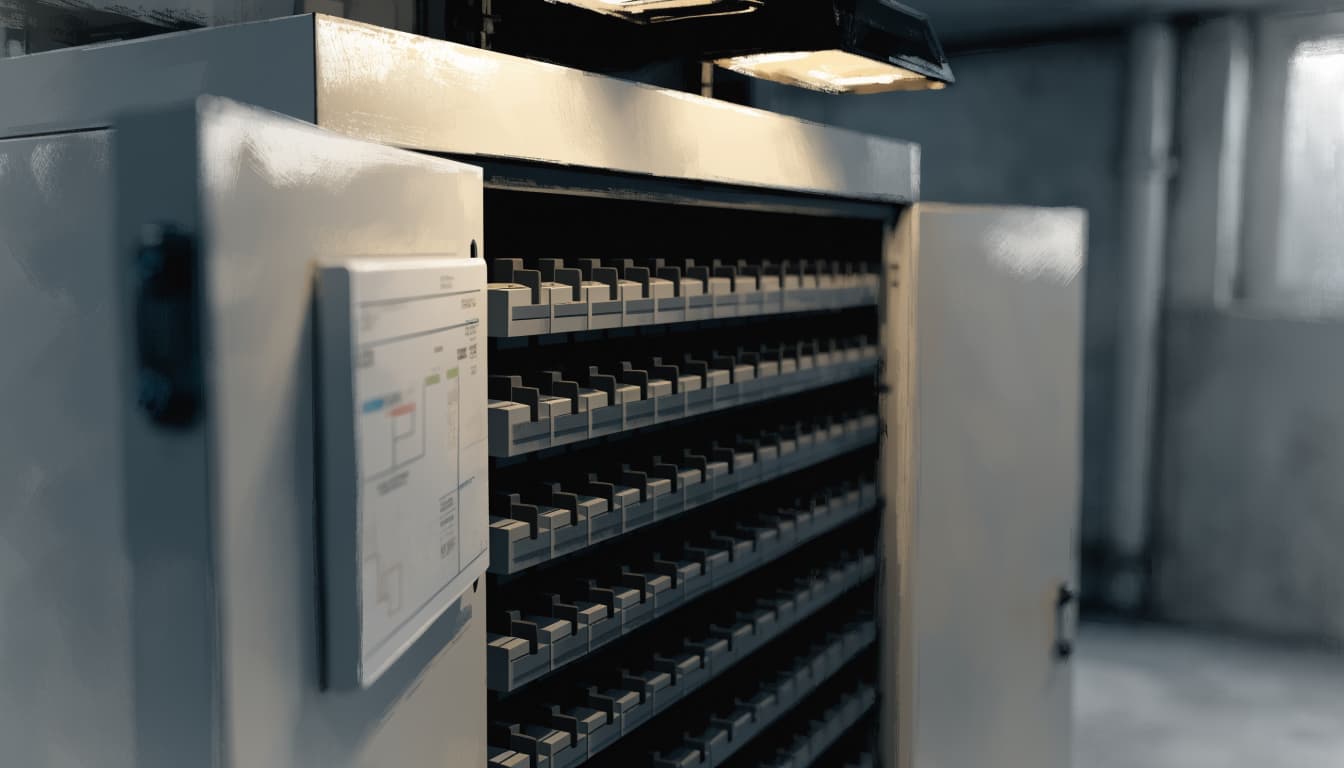
A simple directory may list circuit numbers and descriptions. A more detailed schedule can also identify the panel's voltage, phase information, breaker ratings, and connected loads.
The panel name helps distinguish it from other panels in the building. That matters in a restaurant, retail space, or office where different panels may serve different areas or types of equipment.
A schedule also works alongside other drawings. A commercial electrical one-line diagram shows how major pieces of electrical equipment connect, while the panel schedule gives a closer view of the circuits supplied by one panel.
Find the circuit number and breaker location
The circuit number is your starting point for connecting a schedule entry to a breaker position. Read the description and its associated number together, then look for the corresponding identification on the panel.
Read the number beside the description
Each entry should identify the area, device, or equipment associated with a circuit. The number tells you which circuit the description refers to within that panel.
Keep the panel identification with the circuit number when you make notes or call an electrician. A number alone may be confusing when a building has more than one panel.
Read the full entry before drawing conclusions. One circuit can supply more than one room, while a single room can have lighting and outlets on separate circuits.
Match the entry to the panel
Look at the visible breaker identification through the normal panel opening. The schedule should help you find the associated position, but layouts and labeling can differ between panels.
Some equipment uses breakers that occupy more than one position. A crowded directory or an unclear entry can make the relationship hard to interpret, so avoid guessing when the schedule and visible markings don't agree.
Keep the metal cover behind the door in place. It protects you from electrical components that aren't meant to be exposed during ordinary panel use.
Read breaker amperage and panel ratings
Amperage describes electrical current. On a schedule, an amp rating may refer to an individual breaker or to the panel itself. Those figures answer different questions.
Individual breaker ratings
A branch breaker protects its circuit against excessive current. Its rating helps an electrician understand the protection associated with that circuit and the equipment it supplies.
The breaker rating is not a measurement of how much electricity the connected equipment uses at every moment. Equipment may draw less current during normal operation, and its demand can change as it starts or stops.
If a breaker trips repeatedly, don't use its printed rating as a reason to replace it with a larger one. The wiring, equipment, and cause of the trip need professional evaluation.
Panel and service ratings
A panel or service rating describes a larger part of the electrical system than a single branch breaker. For example, electrical work on a property may involve a 100-amp or 200-amp service.
A higher panel rating doesn't automatically mean every circuit can support a new piece of equipment. The available service, existing demand, wiring, and panel condition all matter when planning an addition.
Understand voltage and phase information
Voltage and phase information helps describe the electrical supply available to a panel and its circuits. These details matter when equipment needs a particular supply to operate.
Voltage identifies the electrical supply
A schedule may show voltage for the panel, for individual circuits, or in equipment notes. The location of the information tells you what it describes, so keep the panel information separate from a branch-circuit entry.
As a familiar comparison, some circuits supply 120-volt loads, while an electric dryer may use a 240-volt circuit. Commercial equipment can have different requirements, so a room description alone doesn't establish the voltage at every device.
A schedule also doesn't replace the markings and documentation for the equipment being connected. An electrician uses both when evaluating a circuit for a new appliance or other load.
Phase assignments help organize circuits
Phase information identifies how circuits relate to the electrical supply. A detailed schedule may place that information alongside the circuit's other electrical details.
For a business owner, the practical point is that an open-looking position doesn't tell the whole story. The existing distribution and the needs of the proposed equipment affect where and how a circuit can be added.
Your electrician can explain the phase information shown on your particular schedule and how it relates to the work you have planned.
Use load descriptions to identify what a circuit serves
The load description is often the most useful part of the schedule during a service call. It tells you what the circuit is intended to supply, such as lighting, receptacles, or a fixed appliance.
Specific wording makes a directory easier to use. "Kitchen outlets" gives more information than "kitchen," while a named appliance tells an electrician more than a label such as "kitchen equipment."
Even a clear description has limits. A circuit labeled for one room may also supply a nearby area, and a renovation can leave an old label behind. A schedule may identify what was planned when the building was wired rather than everything connected after later changes.
For restaurants, equipment descriptions deserve particular attention. Refrigeration, cooking equipment, exhaust systems, and lighting can have different electrical needs. Our commercial kitchen electrical planning guide covers the equipment information that helps shape those decisions.
Trace a circuit from the schedule to the space
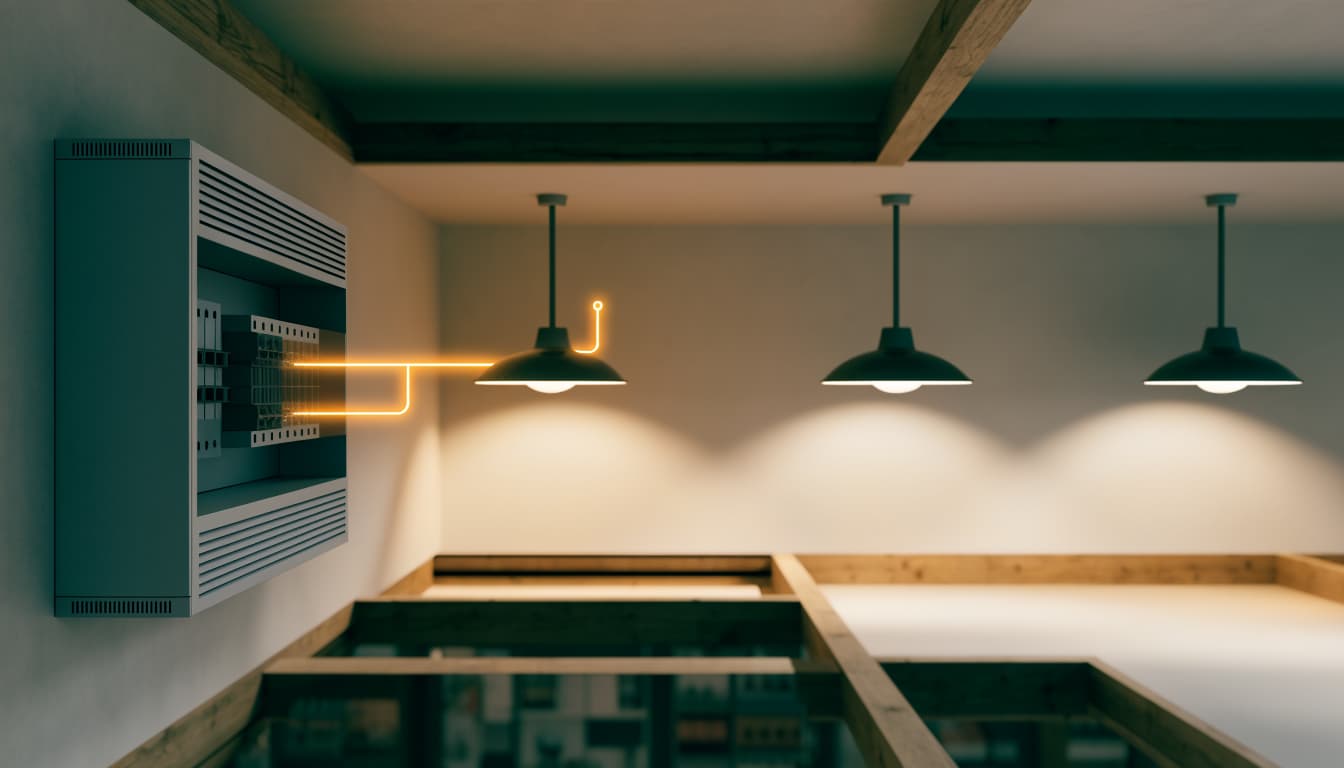
A useful way to read an entry is to follow it in both directions: start with the listed load, find its circuit number and panel position, then identify the area the entry describes.
Start with the directory entry
Take an entry labeled "Kitchen outlets." First, note the panel identification and the circuit number printed with that description. Then look for the matching breaker identification without removing the panel's metal cover.
The entry suggests which outlets the circuit is intended to serve. It doesn't establish that every kitchen outlet is on that circuit, or that the circuit serves only the kitchen.
Establish what the circuit controls
If the label is unclear or the actual coverage matters for planned work, an electrician can trace the circuit and identify the outlets or other loads it supplies. That may reveal a shared area or a description left over from an earlier layout.
For a service call, give the electrician the panel name, circuit number, and description you found. Mention any mismatch between the directory and what you know about the space. Those details provide a useful starting point without requiring you to handle wiring or expose the panel interior.
Recognize common electrical abbreviations
Schedules and panel labels often shorten equipment names or protection types. These terms can help you understand an entry, although the surrounding description still matters.
| Abbreviation | Meaning | Where you may see it |
|---|---|---|
| HVAC | Heating, ventilation, and air conditioning | A circuit description for heating or cooling equipment |
| GFCI | Ground-fault circuit interrupter | A protection marking or note |
| AFCI | Arc-fault circuit interrupter | A breaker protection marking |
| MLO | Main lug only | Information identifying a panel's configuration |
A protection abbreviation doesn't tell you which rooms or outlets a circuit serves. Likewise, "HVAC" may be too broad to distinguish equipment in a building with several heating and cooling units.
If an abbreviation isn't clear in context, record it as written rather than assigning it a meaning. A licensed electrician can identify the equipment during a service visit.
Use the schedule when planning electrical work
A panel schedule gives your electrician a starting picture of existing circuits. It can help identify the panel associated with a space, the equipment already listed, and the areas that may be affected by an outage.
For a retail buildout, that information belongs alongside the planned equipment list and electrical drawings. Our guide to Massachusetts retail electrical buildout requirements covers other planning considerations, including panels and inspections.
A schedule alone can't establish that a panel has capacity for a new load. Open breaker space and available electrical capacity are separate considerations. The existing equipment also needs to be in suitable condition for the proposed work.
Share a clear photo of the directory and visible panel identification when arranging a visit. Also describe the equipment you want to add or the problem you've noticed. That gives the electrician useful context before evaluating the system.
Keep the directory accurate and accessible
A commercial panel schedule can become misleading after a tenant change, equipment replacement, or renovation. Faded handwriting and labels that refer to old room names can cause confusion even when the electrical system is working.
After electrical work, ask for the directory to reflect the completed changes. A useful entry identifies the circuit and describes the connected area or major equipment in plain language. Keep uncertain information separate from confirmed findings rather than filling gaps with guesses.
Store a dated photo of the updated directory with your building records. Keep the area around the panel clear so the door and breaker handles remain accessible.
If the panel is warm, buzzing, corroded, or missing a secure cover, stop and contact a licensed electrician. Don't remove the cover, touch wiring, or continue trying to interpret damaged equipment. Our commercial electrical maintenance checklist outlines other items to address during routine building care.
A clear schedule makes electrical work easier to plan
A commercial panel schedule ties a circuit number and breaker location to a description of the load. Its voltage, phase, and amperage information adds context for an electrician evaluating the system.
The most useful schedule is one that matches the building as it operates today. Keep descriptions clear, update them after changes, and have a licensed electrician investigate entries that don't make sense.