
Why Does an Outdoor GFCI Outlet Trip After Rain?

Contact Us
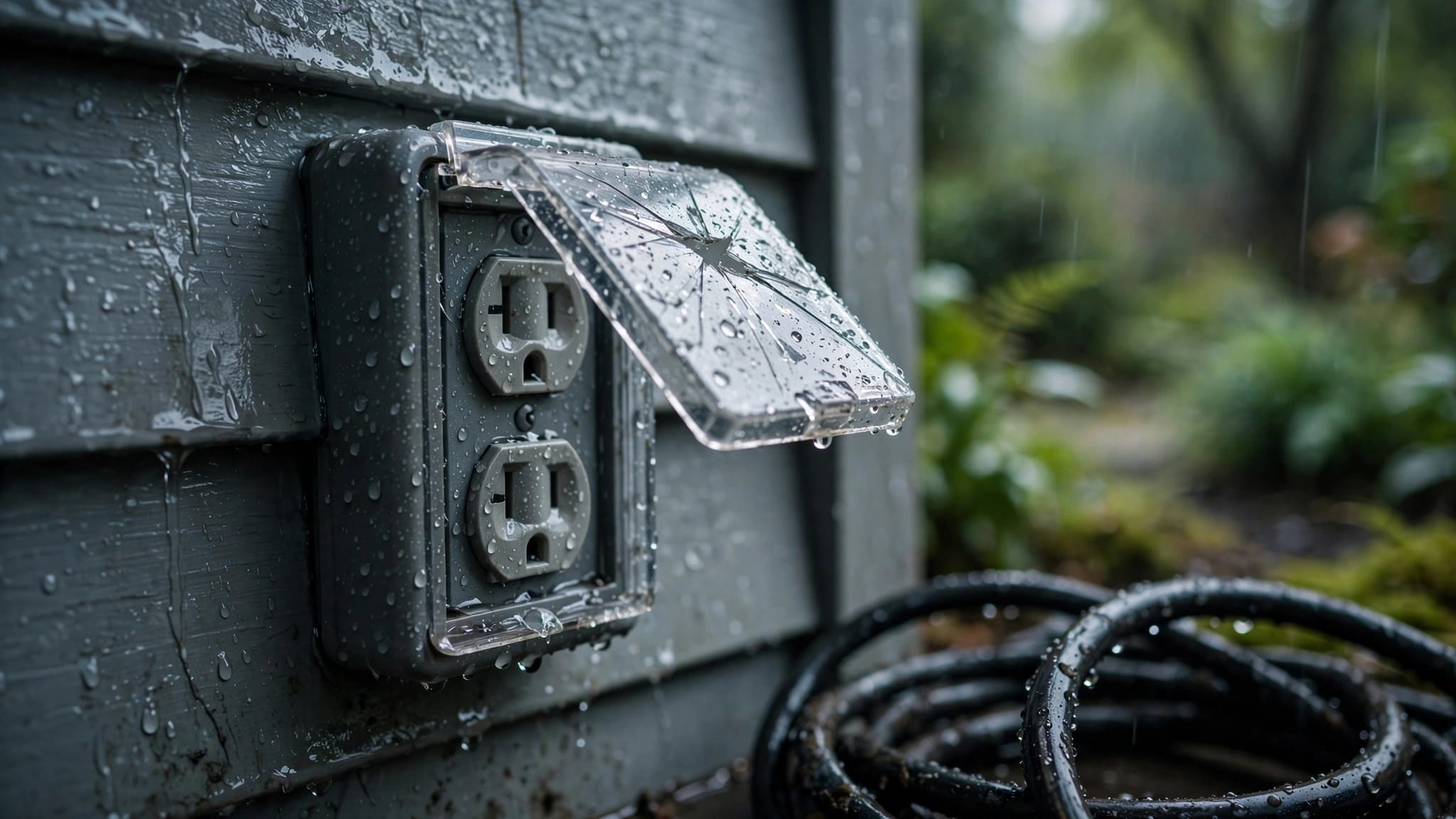
An outdoor GFCI can trip after rain when moisture creates a path for electrical current to escape. Water may enter the outlet box, a damaged cover, or equipment plugged into the circuit.
The trip is a safety warning , but it doesn't always mean the outlet itself has failed. A wet extension cord or damaged wiring elsewhere on the circuit could also be responsible. Start by looking for signs of trouble without opening the outlet.
Common reasons an outdoor GFCI trips after rain
A ground-fault circuit interrupter, or GFCI, shuts off power when it detects an imbalance in electrical current. Rain can reveal a weakness that wasn't apparent in dry weather.
Water reaches the outlet or wiring
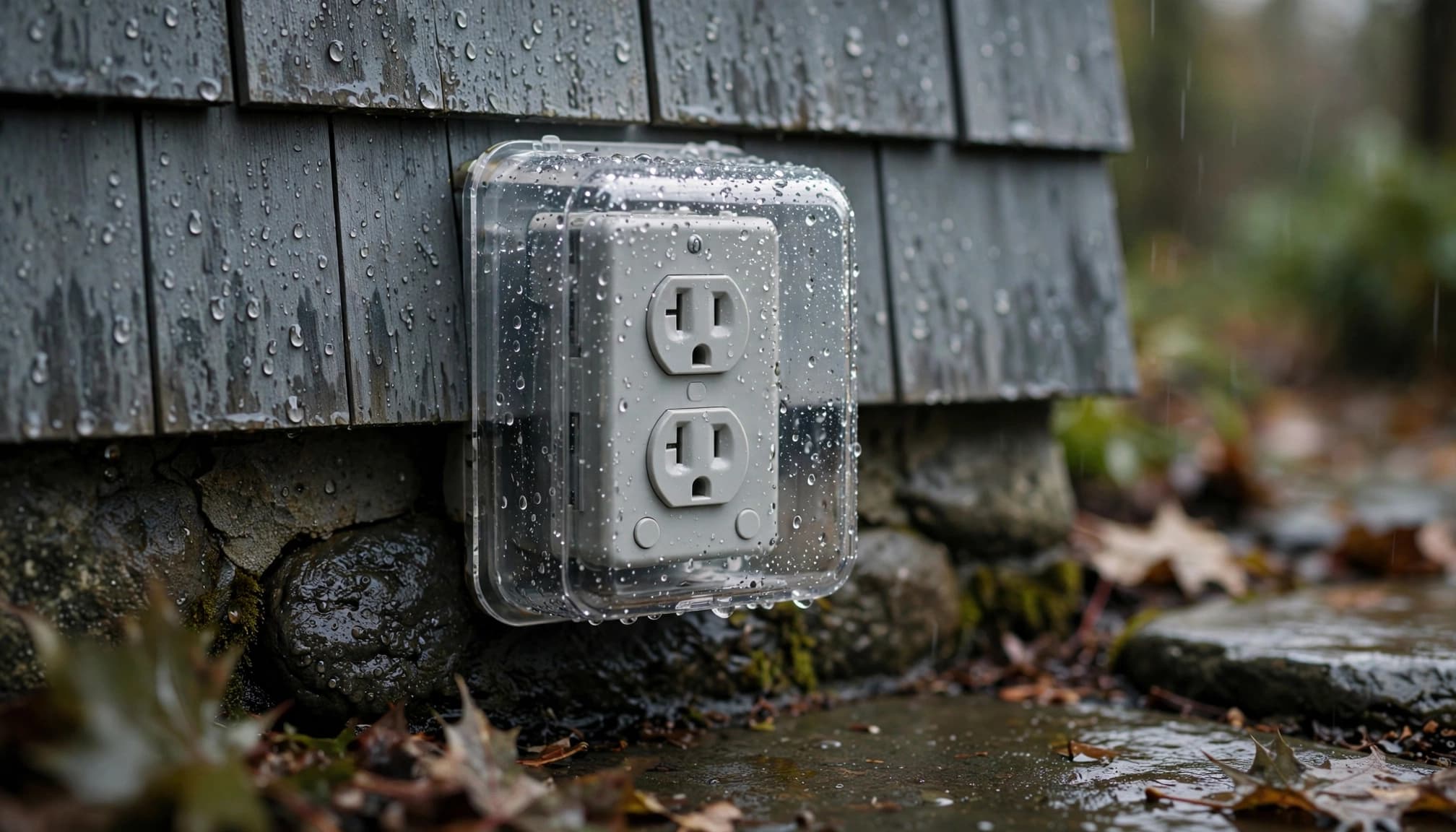
A cracked cover, worn gasket, or gap around an outdoor box can let moisture reach electrical connections. Wind-driven rain can affect an outlet under a porch or eave, too.
In Greater Boston, freezing and thawing can widen small cracks over time. Corrosion around the box or cover is another reason to have the installation inspected, although rust alone doesn't identify the source of a trip.
A connected cord or device gets wet
The receptacle may stay dry while water reaches a plug, extension cord, holiday lights, or a pump. Damaged cord insulation or a faulty device can also cause current leakage.
The problem may be farther along the circuit. One GFCI can protect multiple outlets, so a fault at another receptacle can trip the device that controls your outdoor power.
How to check and reset the outlet safely
Wait until the rain has stopped and you can approach the outlet on a dry surface. Keep your hands dry, and don't touch an outlet, plug, or cord that is wet or damaged.

- Look for damage without opening the box. Cracks, burn marks, visible water inside the enclosure, or a loose cover warrant professional attention. Don't use or reset a damaged outlet.
- Unplug connected equipment if the plugs and outlets are dry and safe to handle. If they aren't, leave them alone. Turn off the circuit at the breaker only if you can safely reach the panel and operate it from a dry location.
- Find the GFCI reset button. It may be on the outdoor receptacle, another outlet, or a GFCI breaker. A tripped GFCI elsewhere can shut off power to the exterior outlet.
- Press reset once if the device appears dry and intact and there's no sign water entered the box. If it won't hold, or trips again, stop and call an electrician.
If a breaker has tripped, it can also prevent the GFCI from resetting. A breaker that trips again after a reset needs professional diagnosis. Never remove the outlet cover or touch exposed wiring to investigate.
What the trip can tell you
The timing of a trip can help narrow the source, but it can't prove which component has failed.
It trips when you reconnect equipment
If the GFCI holds after a safe reset, reconnect dry equipment one item at a time. A trip when you reconnect a particular cord or device points to a possible fault in that item.
Leave the suspect equipment unplugged and have it repaired or replaced as appropriate. Don't try it in an unprotected outlet.
It trips with everything unplugged
A trip with portable equipment disconnected can point to moisture in the wiring, a fault at another protected outlet, or a worn GFCI. A reset button that won't latch can also indicate a device or circuit problem.
For more on those possibilities, see our guide to GFCI outlets that won't reset. Don't keep pressing the button while trying to find the cause.
When repair or replacement is needed
Call a licensed electrician if you see water inside the box, corrosion, scorch marks, melted plastic, or a cracked cover. Buzzing, sparking, a burning smell, and repeated trips also need attention. If you can safely turn off the affected circuit at the panel, leave it off until it's assessed.
An electrician can test the GFCI and inspect the wiring and other outlets it protects. The repair may involve replacing a worn device or cover, correcting a damaged connection, or addressing another source of water entry.
At Sirois Electric, we provide outlet installation and replacement for Burlington customers. We can also inspect the circuit when the cause isn't visible at the receptacle.
Help keep the next storm out
An outdoor outlet needs equipment suited to its exposure. An appropriate in-use cover protects the receptacle while a cord is plugged in, which matters for patio lights and other equipment left outside.
Use cords rated for outdoor use, and keep plug connections away from puddles. Clear leaves, mulch, and snow away from the outlet area when it's safe to do so. Our outdoor outlet safety tips cover more ways to spot weather-related wear.
Take a repeated trip seriously
A GFCI that trips after rain may be responding to moisture at the outlet, connected equipment, or another part of the circuit. A safe visual check can provide clues, but it won't reveal every hidden fault.
If the outlet won't reset or trips again, leave it alone and arrange an inspection. Finding the source of the fault matters more than getting the power back on quickly.