
100-Amp vs 200-Amp Service for Greater Boston Homes

Contact Us
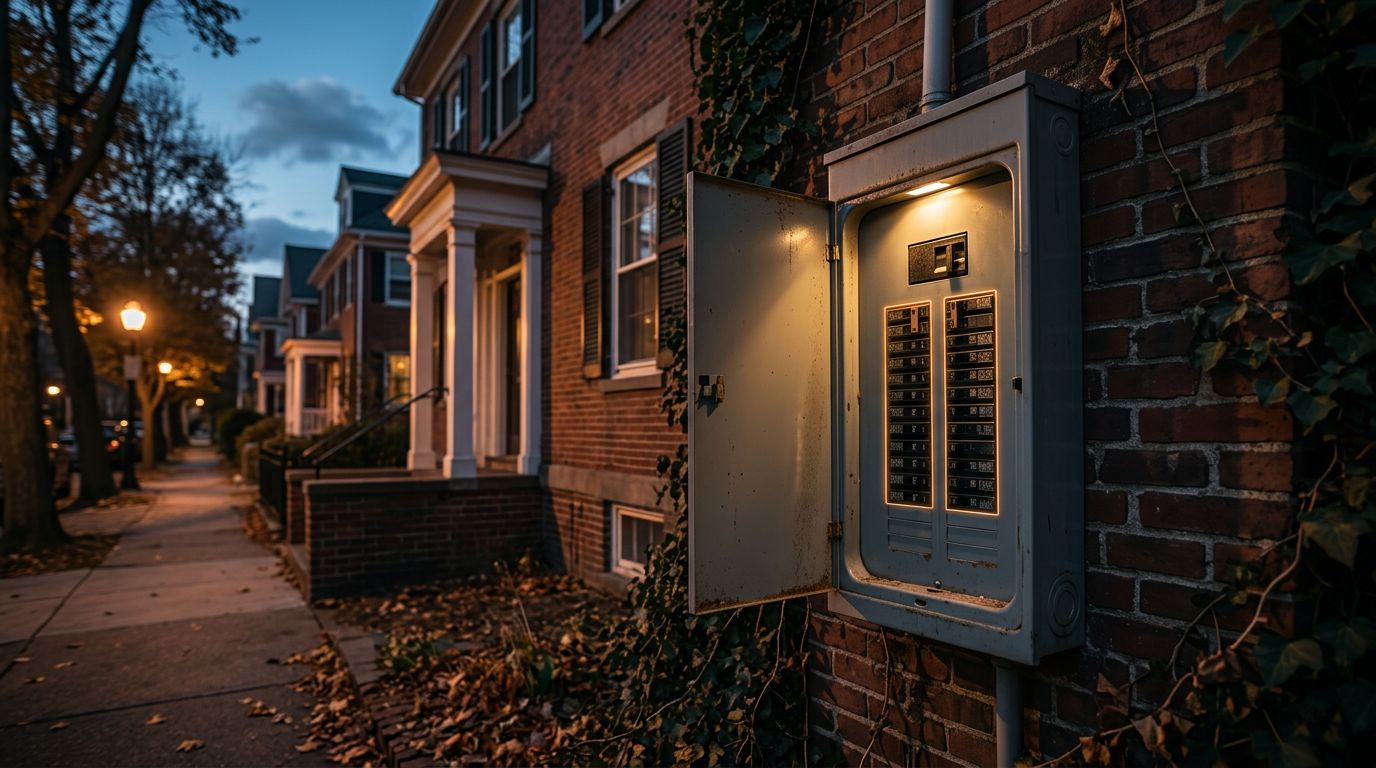
An older Greater Boston home can look fine on the outside and still run out of electrical room fast. Add a heat pump, EV charger, induction range, or finished basement, and the question of 100 amp vs 200 amp service stops being theoretical.
Many homes in the area still have 100-amp service, and some are perfectly stable. Others are already crowded, with little room left for new circuits or modern upgrades. The right choice comes down to load calculations , existing equipment, future plans, and the condition of the service gear inside and outside the house.
The safest path is to match the service size to how you live now, and how you plan to live next. Start with the basics.
How to tell what your home can handle
Service size starts with what your home already uses. Lighting, outlets, laundry, cooking, heating, cooling, and any fixed equipment all matter. A 100-amp panel can carry a fair amount of load, but older homes in Boston, Cambridge, Somerville, Brookline, and nearby towns often have little margin left once modern appliances arrive.
A proper load calculation looks at the whole picture instead of one appliance at a time. It adds up the expected demand, then checks whether the service, panel, and feeder equipment can handle it without constant strain. If you are seeing tripped breakers, flickering lights, or a panel packed with tandem breakers, the signs you need an electrical panel upgrade are worth a closer look.
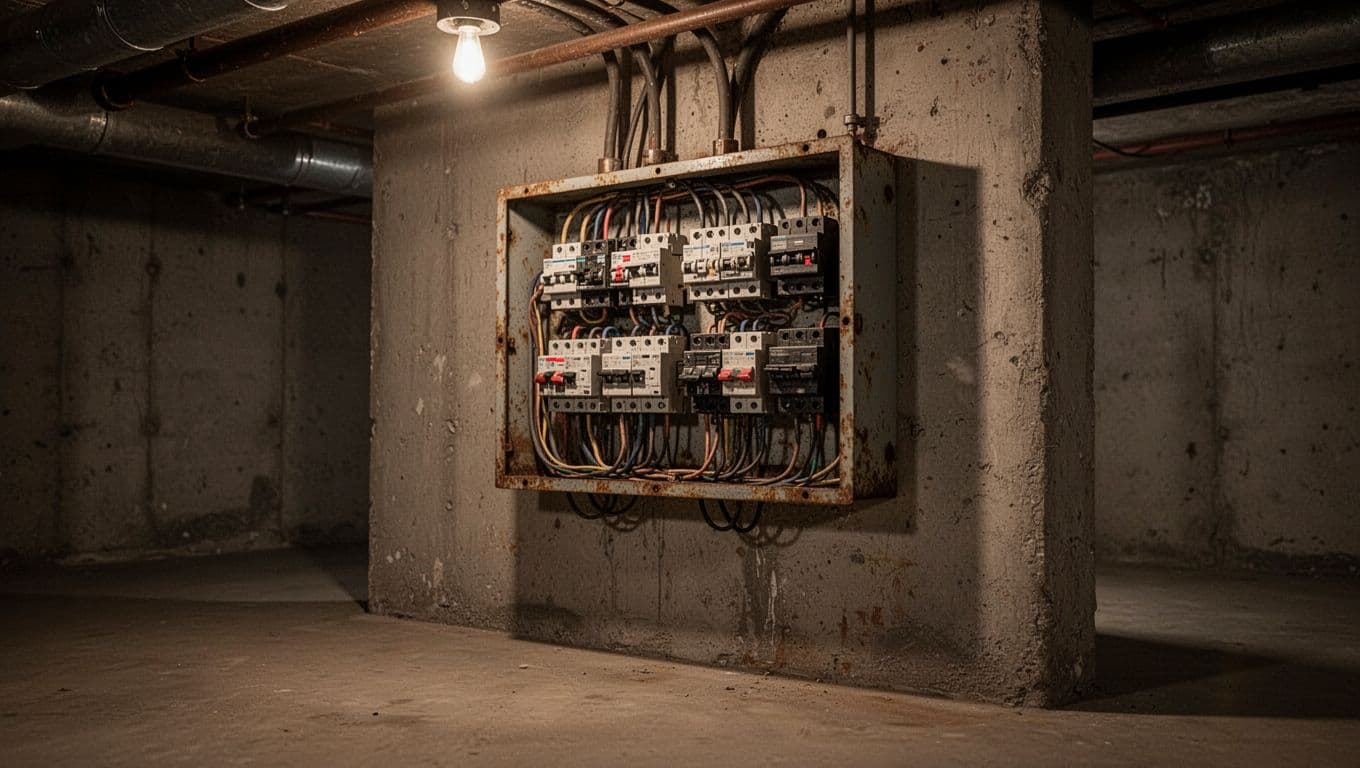
An old fuse box or a dated 100-amp panel does not automatically mean danger. It does mean less room for growth. That matters in a region where many homeowners want to add a basement office, update the kitchen, or install a heat pump within a few years.
Sometimes the first clue is simple. A dryer and microwave can run at the same time, but add an EV charger or a second large appliance, and the panel starts to feel strained. That is when the service size becomes more than a number on a label.
A panel can look tidy and still be too small for tomorrow's load.
The panel door tells part of the story. The load calculation tells the rest.
100 amps and 200 amps, side by side
On paper, the difference between 100 amps and 200 amps sounds like a clean jump. In daily life, the gap is about headroom.
Here is a simple comparison.
| Factor | 100-Amp Service | 200-Amp Service |
|---|---|---|
| Best fit | Smaller homes with modest electric use | Homes with larger loads or future electrification |
| Common limits | Can feel tight with EV charging, heat pumps, or all-electric cooking | Offers more room for high-demand equipment |
| Renovation impact | Works best for light updates and steady usage | Better for kitchens, additions, and accessory spaces |
| Long-term flexibility | Fine when plans are stable | Better when the home may change in the next few years |
A 100-amp service can still be perfectly workable. The key is whether the home has enough spare capacity for the way you actually live. If you are already close to the limit, the electrical panel replacement warning signs usually show up in small ways before the system fails.
A 200-amp service does not make every home "better." It makes the house more flexible. That matters when you are choosing between a short-term fix and a service that can keep pace with the next upgrade.
A new panel also does not erase old wiring problems. If branch circuits are worn, overloaded, or poorly laid out, those issues still need attention. Bigger service capacity gives the house room to breathe, but it does not replace good design.
Why 200 amps fits many Greater Boston upgrades
This is why 200 amps has become the common choice for many Greater Boston upgrades. Heat pumps, induction ranges, EV chargers, backup generators, hot tubs, and accessory units all ask for more room. So do kitchen remodels and finished basements, because new circuits pile up fast.
Older houses in the region feel this first. Many were built when gas heat and smaller electrical loads were normal. Today, those same homes may need more than one big upgrade at a time, and that pressure is common in electrical panel upgrades for older homes.
A bigger service also helps when you plan ahead. Maybe the house will stay all-electric in a few years. Maybe a garage charger is next. Maybe a second-floor addition or accessory dwelling unit is already on paper. When those plans are real, 200 amps often saves a second round of work later.
Utility service conditions matter too. Some homes need meter work, service-entrance changes, or coordination with the utility before the new service can be energized. Requirements can vary by town and project, so the safest path is a site-specific plan, not a rule of thumb.
The panel is only one piece. The service drop, meter, and main equipment all have to fit the load.
A 200-amp upgrade also makes renovation planning easier. Contractors can usually work with more confidence when the electrical backbone has room for future circuits. That does not mean every project needs 200 amps on day one. It means the decision should match the next five or ten years, not just the next repair.
When 100 amps can still be enough
A 100-amp service can still make sense in the right house. Smaller homes with gas heat, gas cooking, and modest electric use often have enough room left if the panel is in good shape and the load calculation stays comfortable.
That is especially true when the next few years look quiet. If you are not planning an EV charger, a heat pump, a major kitchen remodel, or an accessory unit, the extra capacity of 200 amps may not pay off yet.
A 100-amp service can be a good fit when:
- The home has modest square footage and limited simultaneous loads.
- Major appliances are gas-fired, not electric.
- No EV charging or all-electric upgrade is planned soon.
- The service equipment passes inspection and still has real spare capacity.
Some homes also fall into a middle zone. The service may work today, but the margin is thin. In that case, a licensed electrician can look at the panel, feeder, meter, and utility service together. That wider view often tells the truth faster than the panel label alone.
A careful decision helps you avoid both extremes. You do not want to replace a service that still fits the home. You also do not want to wait until every new appliance feels like a gamble.
Conclusion
Greater Boston homes often face the same pressure point. The electrical service that worked for years may get tight once the house starts to electrify. That is why the choice between 100 amps and 200 amps should follow the load calculation , the existing gear, and the next few years of plans.
When the home is small, the load is light, and the equipment is in good shape, 100 amps can still be enough. When renovations, EV charging, heat pumps, or accessory space are on the horizon, 200 amps usually offers the better long-term fit.
The right answer is not the biggest number. It is the service size that matches the home you have and the home you are building next.