
What a Double-Tapped Breaker Means in Greater Boston Homes

Contact Us
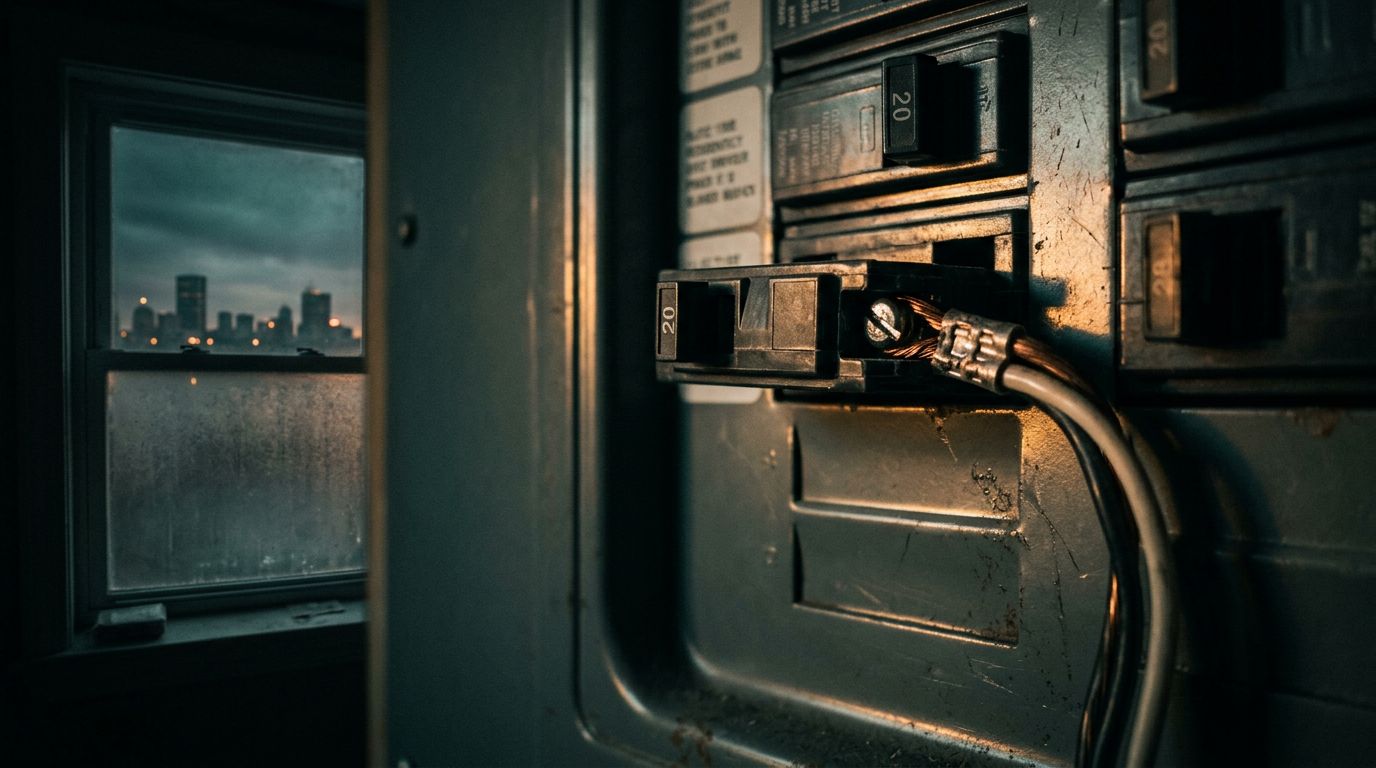
A double-tapped breaker can look minor at first glance, yet it often points to a panel that needs attention. In many Greater Boston homes, it shows up because the electrical system was built for a different era, then asked to handle more circuits than it was meant to carry.
That doesn't mean the panel is about to fail. Some issues are urgent, while others are correction items that can wait for a scheduled visit from a licensed electrician. The important part is knowing what the finding means, and what it doesn't.
What a double-tapped breaker actually is
A breaker is usually designed to hold one wire under one terminal. A double-tapped breaker happens when two conductors land on the same breaker connection. In simple terms, two wires are sharing a spot that was meant for one.
That setup can happen for different reasons. Sometimes a homeowner or past contractor added a new circuit when the panel was already full. Other times, a quick repair used the easiest available space instead of the proper one. In older homes, especially around Boston, that kind of patchwork is common.
The issue is not always the same in every panel. Some breakers are listed for two wires, and some panel designs allow specific combinations. Standard residential breakers usually are not meant to share terminals unless the manufacturer says they can.
The detail matters because a loose or crowded connection can create heat, wear on the breaker, or poor contact over time. A breaker is supposed to act like a guardrail. When too many wires crowd one spot, that guardrail gets shaky.
Why it shows up so often in Greater Boston homes
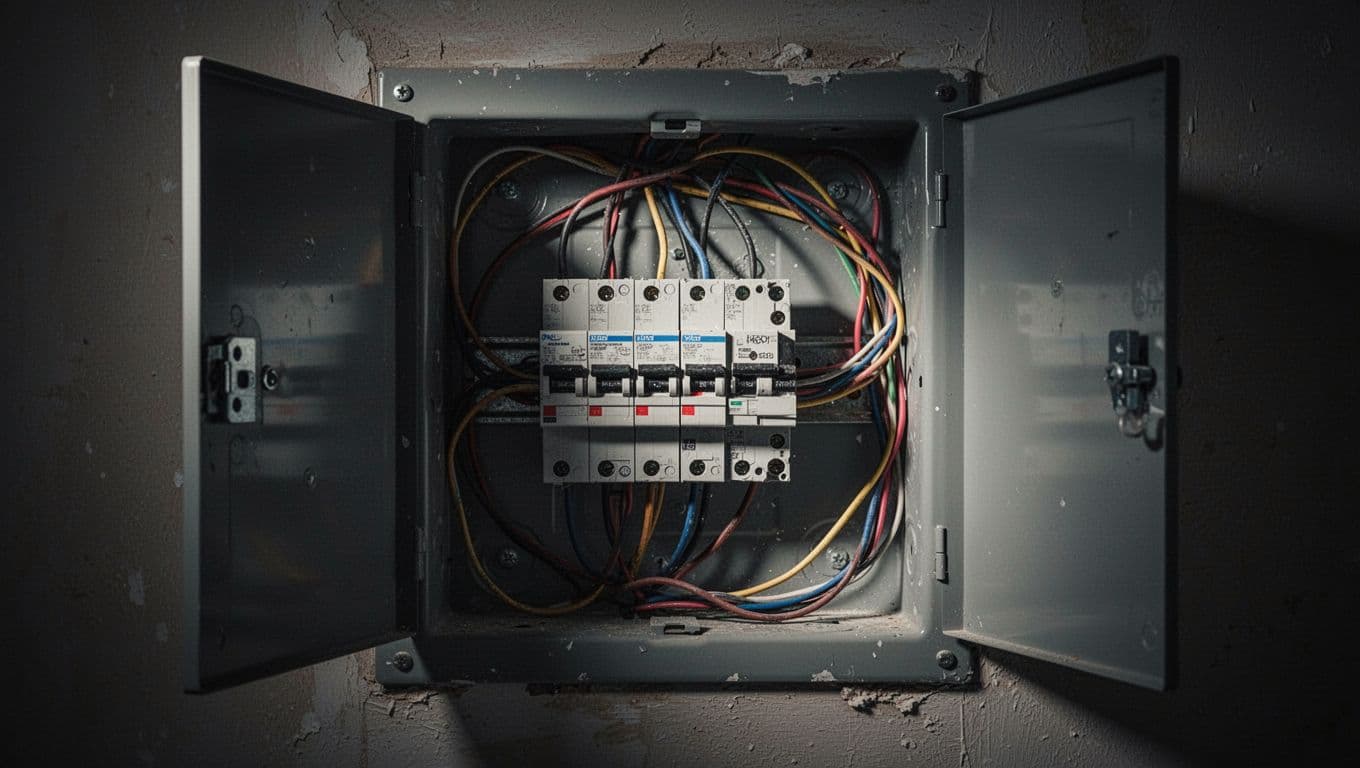
Older housing stock is a big reason this comes up in the Boston area. Many homes were built before today's electrical needs, then updated in stages. Kitchens got remodeled, finished basements added outlets, and air conditioning or EV chargers came later.
That creates a crowded panel fast. If the panel has run out of open spaces, someone may have been tempted to fit a new circuit wherever it would land. In homes with legacy electrical systems, that choice can stay hidden for years.
Home inspectors around Greater Boston flag this often. It appears in single-family homes, triple-deckers, condos with older service equipment, and houses that have had several rounds of renovation. A double-tapped breaker is a common home inspection finding because it's easy to miss until someone opens the panel door.
For homeowners, that can feel frustrating. The good news is that the finding usually gives you a clear next step. If you want a broader look at the condition of a panel before a sale or remodel, a home electrical inspection in Greater Boston can help identify panel issues before they turn into delays.
How serious is it, really?
Not every panel issue demands the same response. A double-tapped breaker might be a paperwork item in one home and a real repair need in another. The condition of the wire, breaker, and panel matters more than the label alone.
A double-tapped breaker often calls for correction, but the urgency depends on what the electrician finds in the panel.
Here's a simple way to think about the difference:
| What you notice | What it can mean | Typical response |
|---|---|---|
| No heat, no smell, no tripping, issue found during inspection | A code or equipment correction may be needed | Schedule a licensed electrician soon |
| Breaker trips often, lights flicker, or the panel feels warm | The connection may be overloaded or loose | Book service promptly |
| Buzzing, burning smell, discoloration, or visible damage | The problem may be more serious | Treat it as urgent and shut off loads if needed |
The table gives a practical rule of thumb. A quiet, stable panel with one bad connection is different from a panel that shows heat or repeated trips.
If you notice warmth, odor, or scorch marks, don't wait. Those signs deserve a fast look from a professional. Even then, the fix might still be straightforward once the electrician opens the panel and checks the connections.
What a licensed electrician checks before making a fix
A proper diagnosis starts with the panel itself. The electrician looks at the breaker type, the wire size, the connection method, and the rest of the service equipment. The goal is to find out why two conductors ended up in one place.
A licensed electrician may check for:
- Breakers that are not rated for two conductors
- Loose or damaged wire ends
- Overcrowding inside the panel
- Heat damage around the breaker or bus bar
- Signs that the circuit load is too high for the present setup
From there, the fix can take different forms. One wire may need to move to a separate breaker. In some cases, the panel has no room left, so the better solution is a panel upgrade or replacement. When a panel is too small for the home's current load, breaker panel installation and replacement may be the cleanest long-term answer.
That step matters because a panel should fit the home, not the other way around. If the system has been patched over and over, a larger correction can be safer and more practical than another temporary fix.
A panel check can also uncover other issues. Loose neutrals, weak labeling, aging breakers, and worn insulation often show up in the same visit. Once one problem appears, it's smart to look at the rest of the panel too.
Why this finding matters during a home sale
Buyers in Greater Boston often see a double-tapped breaker on the inspection report and worry right away. Sellers may hear about it for the first time and assume the panel has failed. Usually, the reality falls somewhere in between.
A home inspection note doesn't always mean the home is unsafe. It often means the inspector saw a condition that should be corrected by an electrician. That distinction matters during negotiations, because a repair item is different from a major hazard.
Still, panel findings can slow a sale if they're ignored. A buyer's electrician may want a second look, and lenders can ask for corrections when electrical work is outdated or poorly installed. In a market where older homes are common, this comes up often enough that it's worth handling early.
If you're getting ready to list a home, or you're buying one with an older service panel, a targeted inspection helps set expectations. A licensed electrician can confirm whether the breaker needs rewiring, whether the circuit needs to be split, or whether the panel needs more space. That kind of answer is much more useful than a vague note on a report.
When a double-tapped breaker is part of a bigger problem
Sometimes the breaker itself is only one clue. A crowded or modified panel can point to a larger pattern, especially in homes that have seen years of add-ons. New appliances, heat pumps, basement finishes, and workshop circuits all increase the load.
If the panel is already full, repeated fixes can become a habit. That's when the system starts to feel like a coat closet that was stuffed one hanger too far. It still closes, but only barely.
Common signs that the panel needs more than a small correction include:
- Repeated breaker trips
- A panel with no open spaces
- Corrosion, rust, or heat marks
- Outdated service that can't support new equipment
- Several past fixes crowded into one box
A panel that shows multiple problems often needs a broader plan. That might mean replacement, a service upgrade, or a full review of the home's load needs. The right answer depends on the house, not a guess from the hallway.
Conclusion
A double-tapped breaker usually means two wires are sharing a breaker terminal that should only hold one. In Greater Boston homes, that often traces back to older panels, later remodels, and electrical systems that have been stretched over time.
The finding is worth attention, but it isn't always a panic moment. Some cases call for a prompt correction, while others point to a larger panel issue that needs a fuller repair plan.
If you spot one in your own home, the safest move is simple, have a licensed electrician diagnose it and tell you whether the fix is minor or part of a bigger panel upgrade.