
Massachusetts Boiler Wiring Requirements for Safe, Legal Work

Contact Us
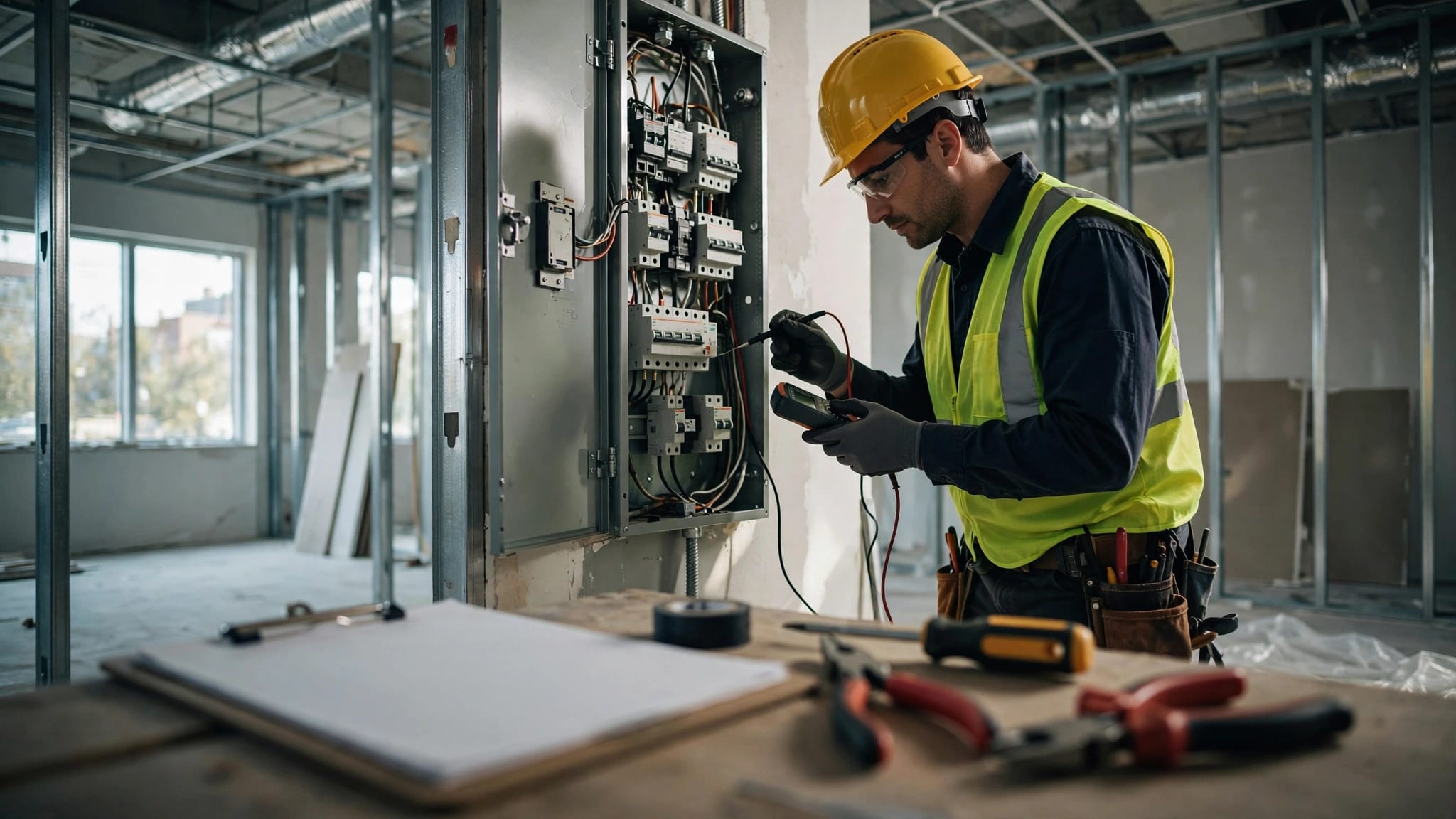
A boiler can be mechanically sound and still have unsafe electrical work behind it. Massachusetts boiler wiring must match the current electrical code, the boiler manufacturer's instructions, and the requirements of the local inspector.
As of August 2026, Massachusetts bases its state electrical code, 527 CMR 12.00, on the 2026 edition of NFPA 70. Boiler inspection, fuel, plumbing, venting, and combustion rules come from separate regulations. Knowing which rule applies to each part of the project helps prevent failed inspections, equipment damage, shock, fire, and carbon monoxide hazards.
Massachusetts boiler wiring: which rules apply
Several Massachusetts regulations may affect a boiler installation or replacement. The electrical portion starts with the Massachusetts Electrical Code, while the boiler and building portions may involve other state codes and laws.
Electrical wiring starts with 527 CMR 12.00
The Massachusetts Department of Fire Services identifies 527 CMR 12.00 as the current Massachusetts Electrical Code. It covers the electrical installation, including branch circuits, overcurrent protection, wiring methods, boxes, raceways, grounding, bonding, and electrical equipment.
The code also determines how wiring must be installed in relation to moisture, physical damage, access, and other conditions found in a mechanical room. The exact requirements depend on the boiler type, building, wiring method, equipment location, and project scope.
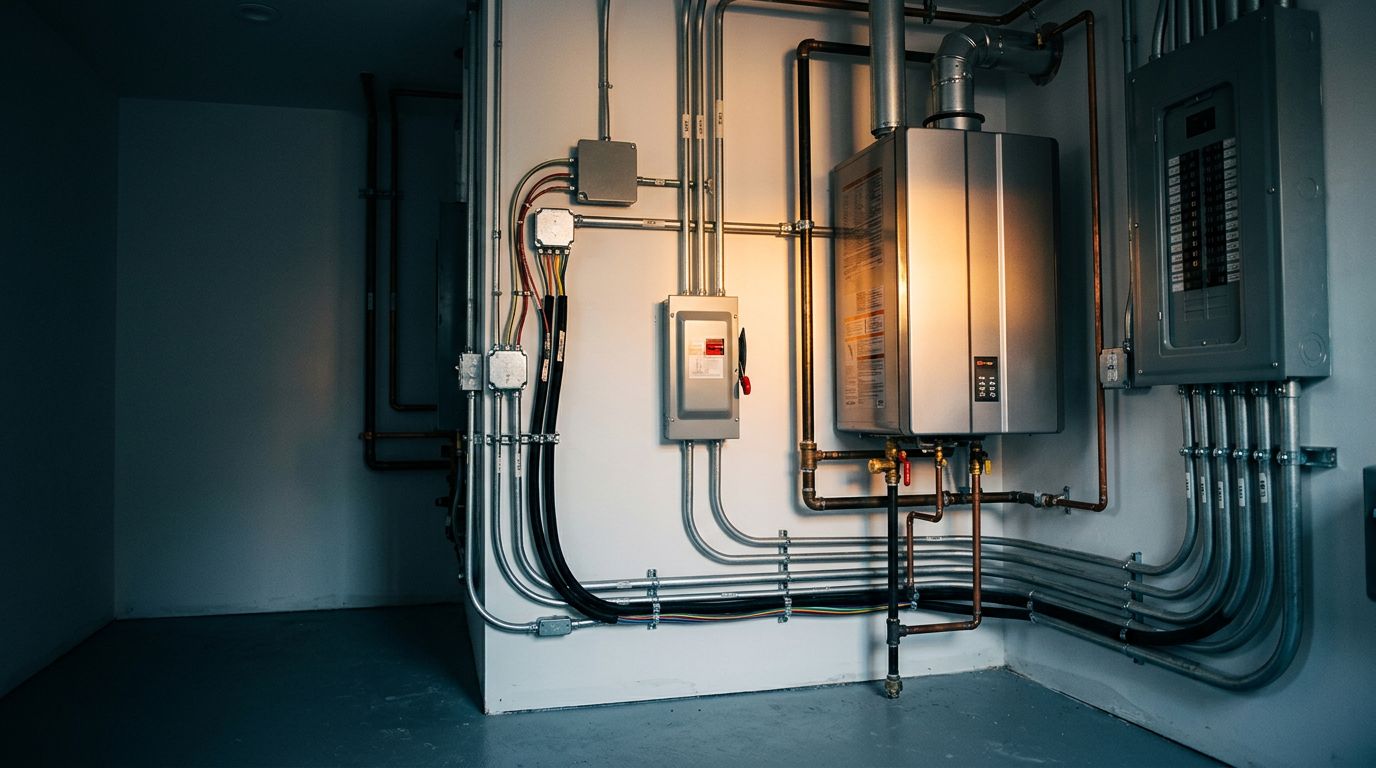
A boiler's electrical work may include a power circuit, disconnecting means, circulator pumps, control transformers, zone controls, safety devices, thermostats, and other connected equipment. Each part must be evaluated as part of the complete installation.
Boiler and building rules remain separate
The Massachusetts State Building Code, 780 CMR, contains building and mechanical provisions. Its hydronic piping provisions direct certain work to specialized codes, including 248 CMR, 522 CMR, 527 CMR, and 528 CMR when those codes apply.
General Laws Chapter 146 also governs certain boilers and their inspection certificates. As a result, an electrical inspection doesn't replace a boiler inspection, fuel inspection, plumbing inspection, or venting review.
For Massachusetts boiler wiring, the practical rule is simple: use 527 CMR 12.00 for the electrical installation, then identify the other regulations that apply to the boiler system.
What electrical work a boiler installation includes
Boiler wiring is more than connecting a cable to the unit. A complete system can contain several electrical sections with different voltage levels and functions.
Line-voltage power wiring
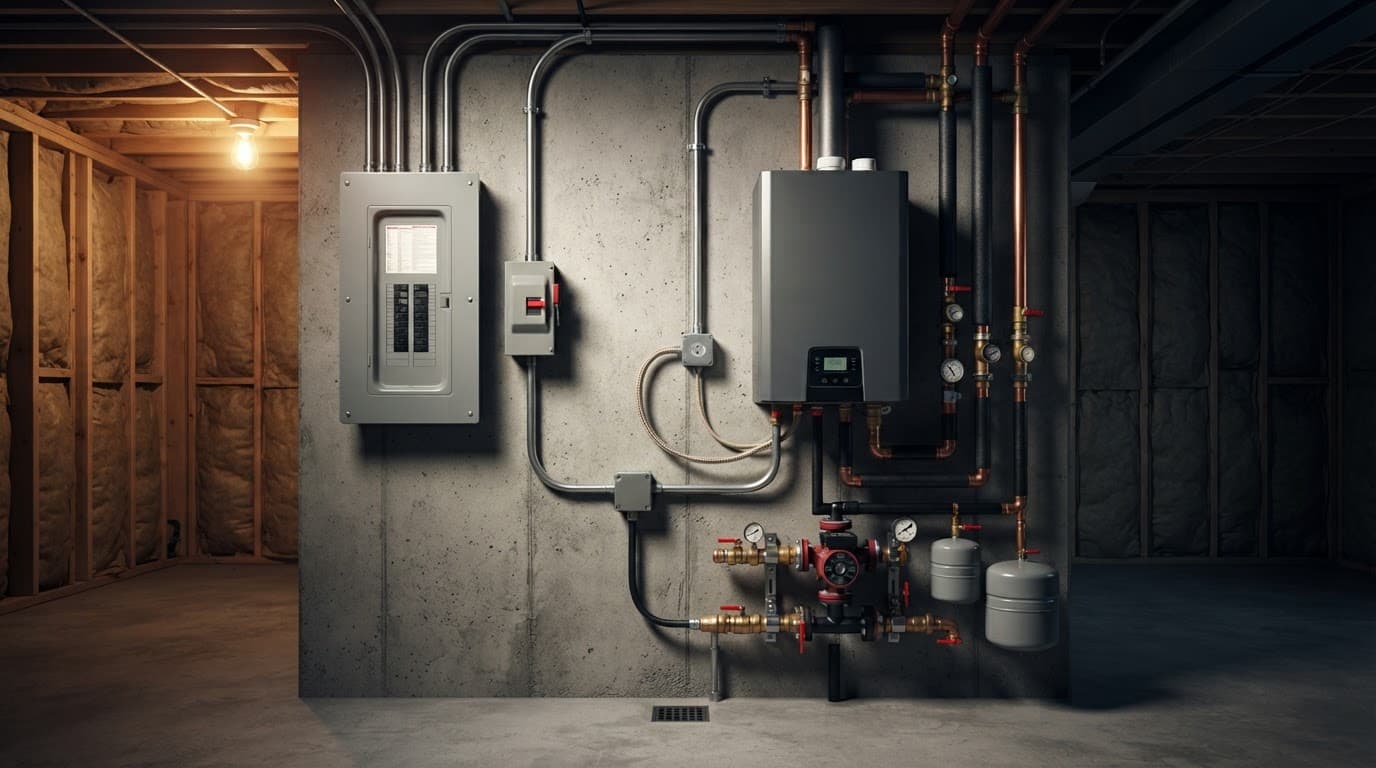
Line-voltage wiring supplies power to the boiler and related equipment. Depending on the system, that equipment may include ignition components, burner controls, circulator pumps, draft equipment, condensate pumps, electric heating elements, or motorized valves.
The boiler nameplate and installation manual provide the electrical information needed for design. They may identify the required voltage, rated current, minimum circuit ampacity, maximum overcurrent protection, disconnect requirements, and approved wiring methods.
A gas-fired boiler often has a smaller electrical load than an electric boiler, but the connected pumps and accessories still matter. An electric boiler can add a substantial load to a residential or commercial service.
Low-voltage control wiring
Low-voltage wiring connects thermostats, zone valves, relays, aquastats, outdoor sensors, control boards, and other heating controls. A transformer may reduce line voltage for these components.
Lower voltage doesn't mean the installation can ignore electrical rules. Control wiring still needs proper routing, protection, terminations, separation from power conductors, and compatibility with the boiler manufacturer's instructions.
An electrician should also confirm that replacement controls match the boiler system. A thermostat or zone controller that appears compatible may still create operating problems if its voltage, switching method, or control sequence doesn't match the equipment.
Branch circuits, overcurrent protection, and load planning
A Massachusetts boiler wiring project should begin with the boiler's electrical data, not a standard breaker size copied from another installation. The circuit must match the equipment requirements and the current code.
Many systems use a separate branch circuit for the boiler and its required accessories. That arrangement can reduce interruptions from unrelated loads, but a dedicated circuit isn't automatically the answer for every system. The electrician must review the equipment instructions, connected load, circuit design, and local requirements.
Overcurrent protection must protect the conductors and equipment without causing nuisance trips during normal startup. Motors, pumps, ignition systems, and electric heating elements can have different startup and operating characteristics.
Check the service and panel capacity
A boiler replacement can expose problems in an older electrical service. The boiler might fit the existing panel, yet the home's total load may not. Other significant loads can include an electric range, heat pumps, an EV charger, a generator, a hot tub, or a finished-basement addition.
A new electric boiler may require a larger feeder or service. A gas or oil boiler may not require a service upgrade by itself, but the complete load calculation could still identify a capacity issue.
Homeowners planning several upgrades can review Greater Boston panel and service upgrades before committing to new heating equipment. The right service decision depends on calculated demand, available panel space, future equipment, and the actual project design.
Follow the equipment data
The boiler manufacturer may specify a maximum fuse or breaker, conductor range, disconnect type, control wiring limits, and required accessories. Those instructions are part of the installation requirements.
If the boiler has been replaced but the wiring remains from an older unit, the electrician should compare the existing circuit with the new nameplate. Reusing old wiring without that review can leave the system underprotected or incompatible.
Disconnects, grounding, and equipment access
A boiler needs a safe way to remove electrical power during service. It also needs an effective grounding and bonding path that helps clear a fault through the overcurrent protection.
Select and locate the proper disconnect
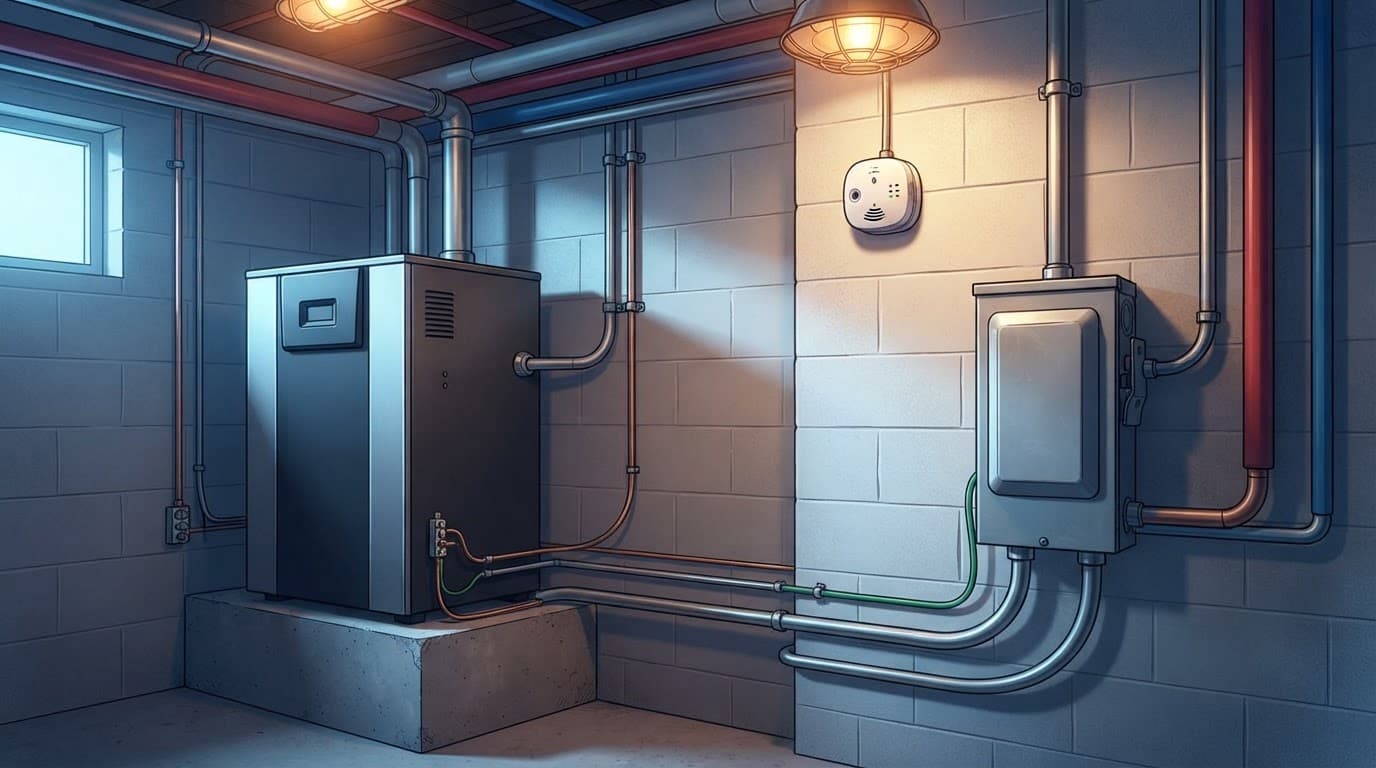
The service disconnect may be a circuit breaker, a fused disconnect, or another approved device, depending on the installation. The required type, rating, location, visibility, and accessibility depend on the code, boiler instructions, equipment arrangement, and local interpretation.
A breaker in a remote panel doesn't automatically satisfy every equipment disconnect requirement. The electrician should identify the disconnecting means on the installation plan and place it where a service technician can reach it safely.
The disconnect also needs an appropriate rating for the equipment and environment. Mechanical rooms can contain heat, moisture, dust, and exposed piping, so the enclosure and wiring method must suit the location.
Protect grounding and bonding paths
Grounding connects the electrical system to earth for functions required by the code. Bonding connects conductive metal parts so they remain at a similar electrical potential during a fault. The equipment grounding conductor provides a low-impedance fault path back to the source.
Metal raceways, enclosures, boiler cabinets, and related equipment may require bonding. The electrician determines which parts need bonding and how the conductors must terminate.
A gas or water pipe isn't a substitute for the equipment grounding path. Piping also belongs to a separate fuel or plumbing review, even when it runs beside the electrical equipment.
Keep panels and disconnects accessible. Stored boxes, shelving, laundry equipment, or remodeling materials shouldn't block the working space needed for service and inspection.
Emergency switches and safe boiler shutdown
Boiler controls must allow the equipment to stop safely when a limit, sensor, or service condition requires shutdown. The design may include high-temperature limits, low-water protection, pressure controls, flame safeguards, motor controls, or other equipment-specific safety devices.
A service switch that removes electrical power isn't automatically the same as an emergency fuel shutoff. Gas-fired and oil-fired systems can have separate fuel shutoff requirements under the applicable fuel, fire, mechanical, and manufacturer's rules.
Massachusetts building-code materials also reference emergency system switchgear under the electrical code. The exact application depends on the building and system. Commercial, institutional, and high-occupancy properties may have additional emergency power or life-safety requirements.
Never bypass a safety control because the boiler won't start. A bypass can hide a failed limit, low-water condition, flame problem, or control fault. The licensed electrician and heating professional should test the shutdown sequence after completing the work.
Keep electrical work separate from fuel, plumbing, and venting
Electrical wiring is only one part of a boiler project. A safe installation also needs correct fuel delivery, water piping, relief protection, combustion air, condensate handling, flue design, and vent termination.
Each system has its own rules
The electrical code doesn't determine gas-pipe sizing, oil-line installation, chimney construction, combustion-air openings, or vent material. Those issues may fall under 248 CMR, the building and mechanical code, fire regulations, manufacturer instructions, or other specialized requirements.
Similarly, an electrician shouldn't change a gas valve, alter a vent, or modify hydronic piping unless properly licensed and authorized for that work. A boiler replacement often requires coordination among electrical, plumbing, fuel, and heating contractors.
The work still has to function as one system. For example, a new circulator may affect the control sequence, a new vent may require different clearances, and a condensate pump may need its own power and control connection.
Account for heat, moisture, and carbon monoxide
Boiler rooms can expose wiring to elevated temperatures, dripping valves, condensation, combustion byproducts, and physical damage. Wiring should follow the boiler manufacturer's clearances and the electrical code's rules for the location.
Carbon monoxide protection is a separate life-safety concern. A CO alarm doesn't make improper combustion or venting acceptable, and correct wiring doesn't prove that the burner is operating safely.
Permits, inspections, and boiler certificates
Permit requirements vary by municipality and project scope. A boiler replacement may involve an electrical permit plus building, plumbing, gas, mechanical, sheet metal, or fire-related permits.
Confirm the electrical permit
Ask the local building department or electrical inspector which permits apply before work begins. The authority having jurisdiction, often called the AHJ, interprets and enforces the applicable requirements for that location.
For larger projects, the electrical submission may include grounding details, a single-line diagram, service or feeder load calculations, feeder and branch-circuit sizes, and the location and rating of disconnecting and overcurrent devices. Small residential work may require less documentation, but the installation still has to comply with the current code.
A Massachusetts-licensed electrician should handle the electrical design, installation, alteration, and final connection when the project requires licensed electrical work. The property owner should receive permit and inspection information rather than assuming the contractor handled it.
Understand Chapter 146 requirements
Under Massachusetts General Laws Chapter 146, a boiler that is subject to inspection cannot operate until the required inspection and certificate of inspection are complete. The certificate states the maximum pressure at which the boiler may operate.
For covered hot-water heating boilers, state law calls for an internal inspection at least once every three years and an external inspection at least once each year. The exact inspection obligations depend on the boiler and its classification.
An electrical inspection pass doesn't replace the boiler certificate. Property managers should keep both records with equipment documentation, maintenance reports, and permit closeout information.
Residential and commercial boiler wiring differences
The same electrical code applies across Massachusetts, but the design and review process can vary sharply by occupancy and system size.
Residential heating systems
A single-family home may have one boiler, several heating zones, and a small control panel. Older Greater Boston homes often have limited panel space, crowded mechanical rooms, and wiring installed during several past renovations.
A replacement can reveal mixed wiring methods, abandoned controls, undersized circuits, or a service that no longer fits the home's total electrical demand. The electrician should document existing conditions before connecting new equipment.
Finished basements create another concern. Access panels, walls, storage areas, and flooring can make the boiler disconnect or service space difficult to reach. The final layout must leave the equipment and electrical components accessible.
Commercial and institutional systems
Commercial buildings often use multiple boilers, several pumps, outdoor-air sensors, building automation controls, freeze protection, emergency power, and alarm interfaces. Restaurants, schools, offices, and retail properties may also have tighter shutdown and access requirements.
The electrical plan may need load calculations, one-line documentation, equipment schedules, control coordination, and a clear sequence of operation. A boiler can also interact with a fire alarm system, generator, transfer equipment, or building management system.
Property managers should assign responsibility for every connection. The mechanical contractor may own the boiler controls, while the electrician owns the power circuit. Written coordination prevents gaps at startup and inspection.
A practical Massachusetts boiler wiring checklist
Use this checklist when planning a boiler installation, replacement, or wiring alteration:
- Identify the boiler fuel, model, voltage, rated load, and connected accessories.
- Use the current 527 CMR 12.00 requirements and confirm the code edition with the local AHJ.
- Compare the existing panel, feeder, and branch circuit with the new equipment data.
- Have a qualified electrician calculate service and circuit capacity instead of guessing from the old boiler.
- Confirm the required overcurrent protection, conductor sizes, wiring methods, and disconnecting means.
- Check grounding and bonding for the boiler, enclosure, raceway, and related equipment.
- Keep line-voltage conductors separated from control wiring as required by code and the manufacturer.
- Review AFCI and GFCI requirements for the room, receptacles, and branch circuits that serve the equipment.
- Preserve all factory-installed safety controls and confirm the shutdown sequence.
- Coordinate electrical work with fuel, plumbing, hydronic, combustion-air, and venting requirements.
- Confirm which permits apply and who will schedule each inspection.
- Obtain the required boiler inspection certificate before operating a covered boiler.
This list supports project planning, but it doesn't replace a site-specific design. Existing wiring, occupancy, equipment type, and local amendments can change the result.
What to ask your electrician or inspector
Clear questions reduce surprises and make it easier to compare proposals. Ask the electrician:
Questions for the electrician
- Which current Massachusetts electrical-code provisions apply to this boiler?
- Does the boiler need a new circuit, or can the existing circuit legally serve the replacement?
- What do the nameplate and manufacturer instructions require for voltage, ampacity, and overcurrent protection?
- Does the panel have enough capacity and physical space for the work?
- Where will the disconnect be located, and can a technician reach it without moving equipment?
- How will the installation handle grounding, bonding, heat, moisture, and physical protection?
- How will power wiring remain separated from thermostat and control wiring?
- Which emergency or service switches are required for this fuel type and building?
- Which parts of the project require a plumber, gas fitter, oil technician, or heating contractor?
- Which permits will be pulled, and who will meet the inspector?
Ask the local electrical inspector or building department:
- Does this project require an electrical permit or additional permits?
- Which code edition and local administrative requirements apply when the permit is filed?
- Are AFCI or GFCI provisions triggered by the boiler room or nearby receptacles?
- Is the proposed disconnect location acceptable?
- Does the project require load calculations, a one-line diagram, or other plan documents?
- Is a separate boiler inspection or certificate required under Chapter 146?
- Which office handles the final boiler, fuel, plumbing, and electrical approvals?
The inspector can explain local process requirements, but the contractor remains responsible for producing a compliant installation.
Final thoughts on Massachusetts boiler wiring
Safe boiler wiring depends on more than choosing a breaker and running cable. The electrical design must fit the equipment, panel, controls, room, and current Massachusetts code, while separate professionals address fuel, piping, combustion, venting, and boiler inspection requirements.
The strongest project plan starts with the manufacturer's data and a site review by qualified professionals. When the permits, wiring, safety controls, and inspection records all match the actual system, your boiler has a safer path to reliable operation.