
Burning Smell From an Outlet in Greater Boston Homes

Contact Us
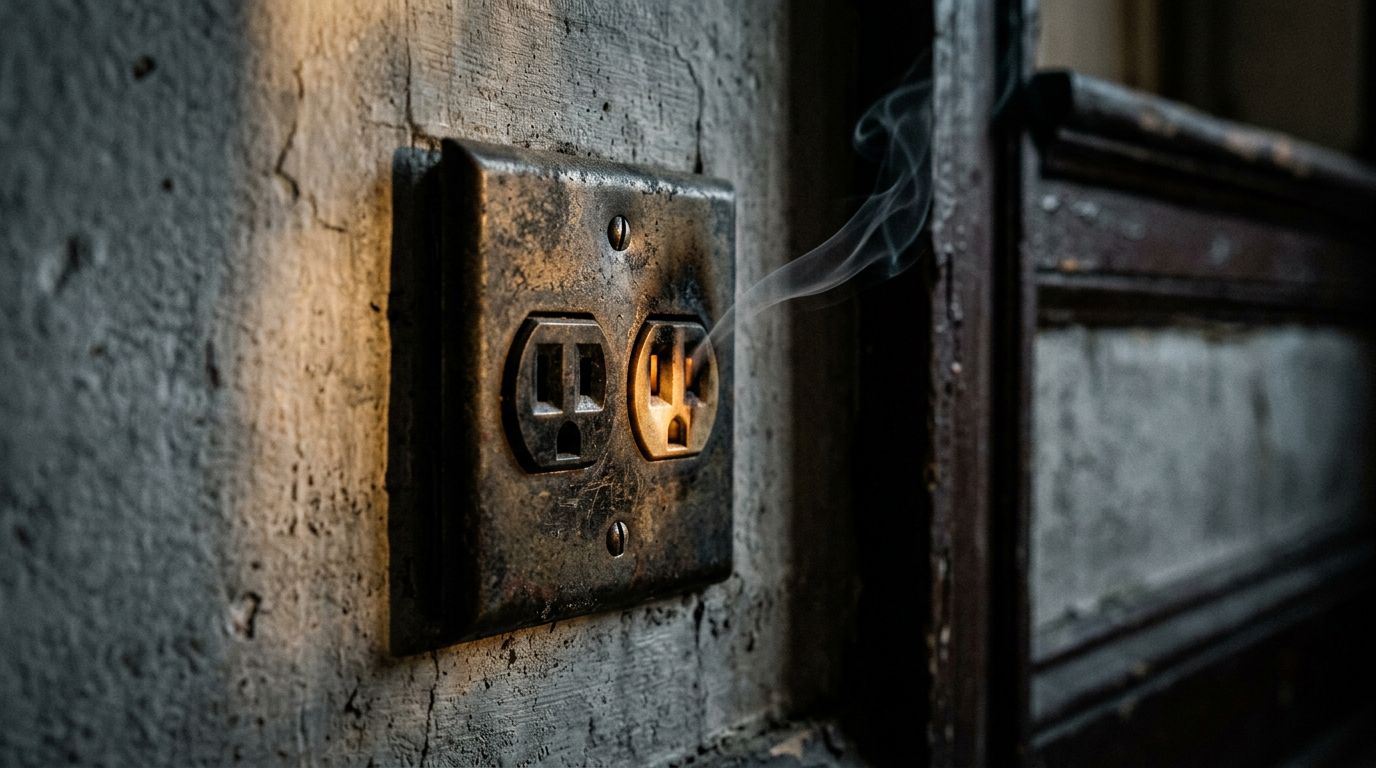
A hot, smoky odor from an outlet is never normal. In a Greater Boston home, that smell can point to heat building up where it should not, and heat plus electricity is a bad mix.
Older houses in Boston, Cambridge, Somerville, and nearby towns often have mixed wiring, added circuits, and repairs from different eras. That makes a burning smell from an outlet a warning sign you should take seriously, not something to wait out.
The safest next step is to figure out what the smell can mean and how to respond without making the problem worse.
What a burning smell from an outlet usually means
An outlet should not smell like hot plastic, singed dust, or melting insulation. If it does, electrical parts may be overheating behind the cover plate or deeper in the wall.
That odor can come and go at first. It may show up when a lamp, heater, charger, or appliance runs for a while, then fade when the load drops. Even if the smell disappears, the cause can still be there.
A useful way to think about it is this, the smell is the smoke alarm of the outlet itself. It tells you the circuit is under stress, even before damage becomes obvious.
Sometimes the outlet is the problem. Other times, the trouble is in the wire feeding it, the breaker, or another connection on the same circuit. Either way, the odor means something is heating up more than it should.
If the smell returns after the outlet has cooled, that is a strong sign the issue is still active. Do not treat repeated odor as a small nuisance. It is a warning.
Common causes in older Greater Boston homes
Several issues can create a burning smell at an outlet, and older homes often have more than one of them. In Greater Boston, that matters because many houses have been updated in pieces over time.
A home may have newer fixtures tied to older wiring. It may also have added outlets, patched walls, and circuits that were never sized for modern use. A few plugged-in devices can push a tired circuit past its comfort zone.
Here is a quick look at common causes:
| Possible cause | What you may notice | Why it smells |
|---|---|---|
| Overloaded circuit | Lights dim, breaker trips, outlet feels warm | Too much current creates heat |
| Loose wiring | Odor comes and goes, outlet may buzz | A poor connection arcs and warms up |
| Damaged receptacle | Plug fits loosely, faceplate may discolor | Worn contacts resist current |
| Worn insulation | Smell near the wall, not just the outlet | Old wire coating breaks down under heat |
| Backstabbed connections | Intermittent power, heating behind the device | Spring connections can loosen over time |
| Aging electrical system | Frequent problems on one circuit | Old parts may no longer handle today's loads |
Aging systems are common in the region, especially in homes that have seen several remodels. A circuit may have started life decades ago, then picked up new demands from space heaters, window AC units, dehumidifiers, computers, and kitchen appliances.
That is why the same outlet can seem fine for months, then suddenly start smelling hot. The system was already strained, and one more device tipped it over.
For a broader look at safer habits around home wiring, the tips for home electrical safety guide is a helpful companion.
What to do right away
The first response should be calm and simple. Do not keep using the outlet to "see if it happens again." That can turn a warning into damage.
- Stop using the outlet right away.
- If it is safe to do so, unplug any devices connected to it.
- If the outlet is hot, buzzing, or still smells like burning, shut off power to that circuit at the breaker panel.
- Keep the area clear until the problem is checked.
- Call a licensed electrician if the smell does not go away or you are unsure which breaker controls it.
If the outlet is near a bed, sofa, curtain, or rug, move anything flammable away from the area. Heat can spread faster than people expect.
If the faceplate feels warm, smells like melting plastic, or trips the breaker more than once, treat it as an active hazard.
Do not spray anything into the outlet. Do not tape over it. Do not keep resetting a breaker that trips again. Those moves hide the warning without fixing the cause.
If you want a deeper checklist for staying safe while you wait, a home electrical inspection article can help you understand when professional help makes sense.
Warning signs that mean the problem is urgent
Some symptoms call for fast action because they suggest real heat damage, not a minor fault. If you notice any of these, take them seriously.
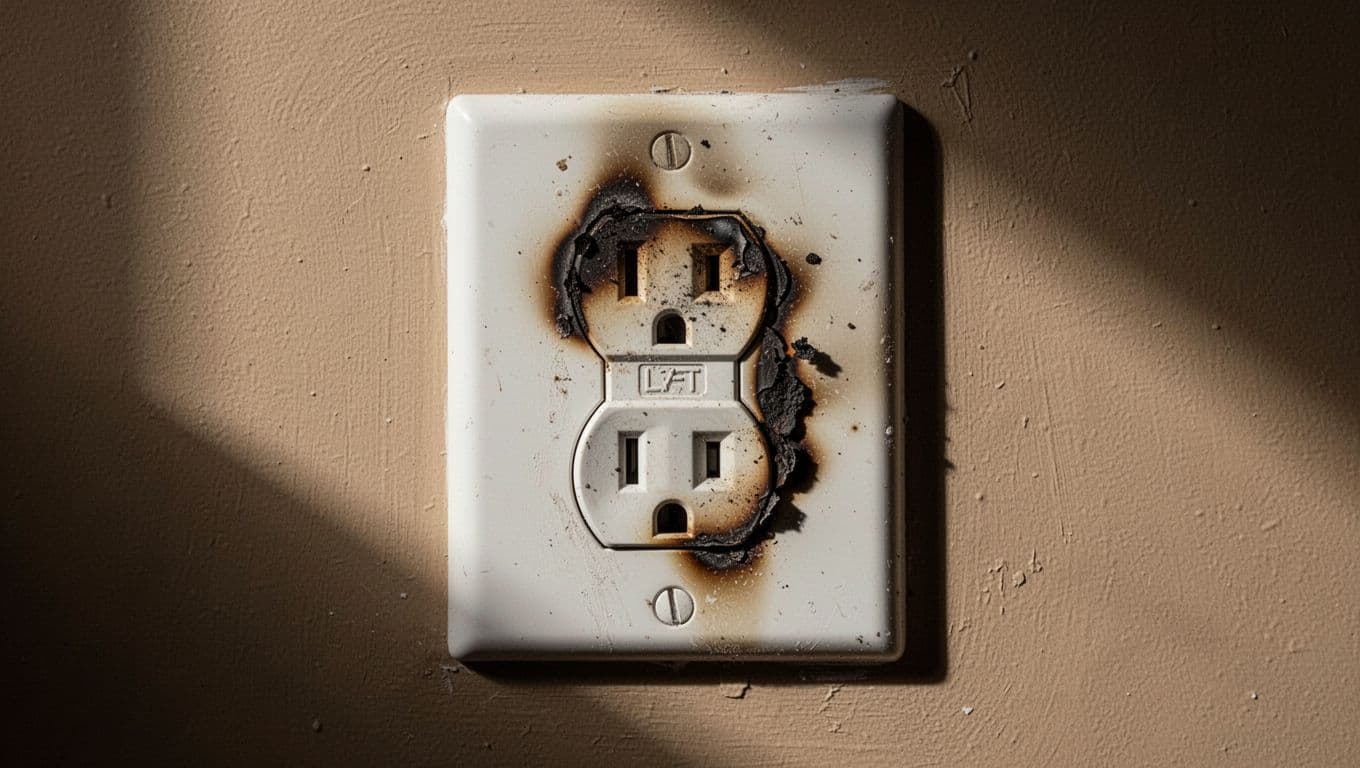
- Discoloration around the outlet can mean the plastic has already overheated.
- Heat on the faceplate often points to a loose connection or overloaded circuit.
- Buzzing, crackling, or popping can signal arcing inside the box.
- Sparks when plugging in or unplugging are a clear warning.
- Repeated breaker trips show the circuit is struggling to stay within limits.
- Smoke or visible melting means the hazard has moved past the early stage.
- A smell that returns after a reset means the problem has not been solved.
A breaker tripping once is one thing. A breaker that trips again after you reset it is different. That can mean the circuit is still overloaded, the wiring is damaged, or the outlet itself has failed.
If the smell spreads beyond one room, the issue may be larger than the outlet you found first. Electrical problems do not always stay put. They can travel along the circuit and show up in another spot.
When any of these signs appear, the safest choice is to stop using the circuit and get help fast. Waiting gives heat more time to damage the wiring behind the wall.
Why a licensed electrician should inspect it
A burning smell from an outlet often points to a problem you cannot see from the outside. The outlet may look fine, while the wire behind it is scorched or the connection inside the box is loose.
That is where a licensed electrician matters. The electrician can test the circuit, check the receptacle, look for loose or damaged conductors, and trace the load on the branch circuit. In some cases, a thermal scan can help find hidden heat before it becomes a bigger failure.
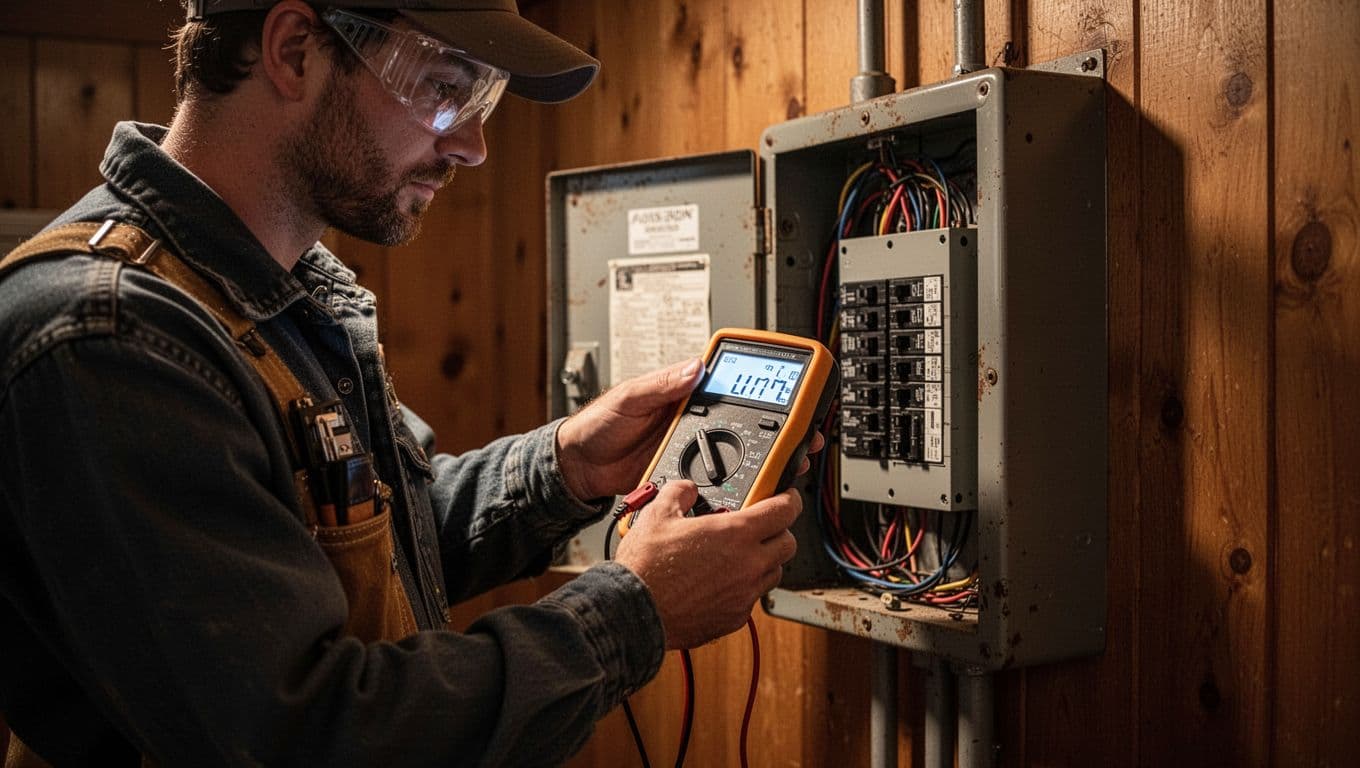
That kind of inspection is especially useful in Greater Boston homes with older panels, mixed wiring, or past DIY work. A backstabbed connection, a worn receptacle, or a tired breaker can hide in plain sight until the system starts heating up.
A professional inspection also helps separate a one-time device problem from a broader wiring issue. If the outlet failed because a space heater pushed the circuit too hard, the fix is different from a damaged wire in the wall. Guessing can waste time, and it can leave the real hazard in place.
If the smell keeps coming back, or if several outlets on the same circuit act strangely, the issue should be inspected soon. That is not the kind of problem that gets better on its own.
Conclusion
A burning smell from an outlet is a clear warning, especially in older Greater Boston homes with mixed wiring and heavy modern loads. The safe response is simple, stop using the outlet, unplug what you can if it's safe, and shut off power when needed.
Watch for heat, discoloration, buzzing, sparks, and repeated breaker trips. Those signs point to a problem that needs attention, not a patch.
If the smell lingers or returns, a licensed electrician should inspect the circuit before you trust it again. Electrical safety starts with taking that odor seriously the first time you notice it.