
Tamper-Resistant Outlets Massachusetts Homes Require

Contact Us
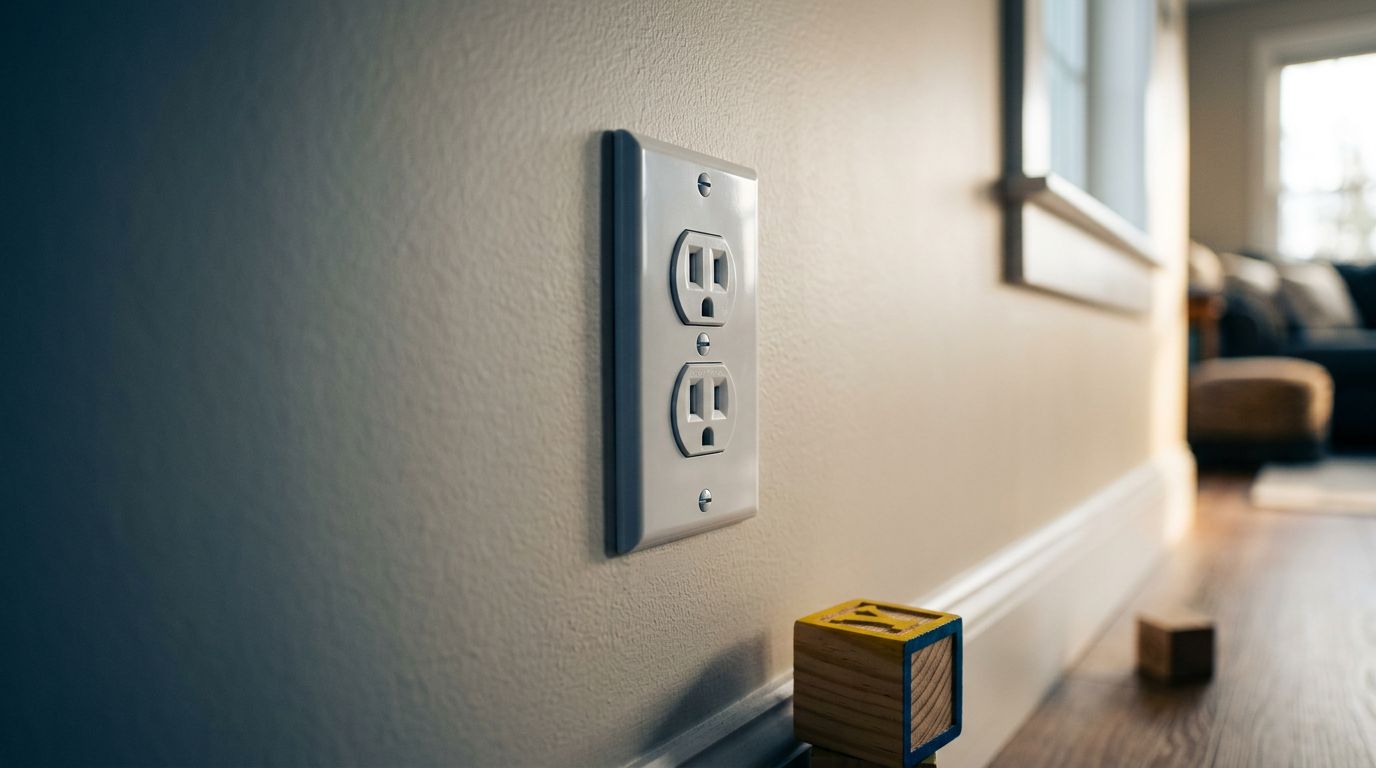
An ordinary wall outlet can become a serious hazard when a child pushes a small object into its slots. If you're researching tamper-resistant outlets Massachusetts homeowners need, the short answer is clear: many 125-volt, 15- and 20-amp receptacles in Massachusetts homes must include built-in protection against this type of contact.
The requirement applies to new construction and many replacement projects, but the details depend on the outlet's location, circuit, and the code requirements tied to the permit. Understanding those details helps you avoid an unsafe installation or an inspection problem.
What tamper-resistant outlets Massachusetts homes require
Massachusetts uses 527 CMR 12.00, the state electrical code. As of August 2026, the code is based on the 2023 edition of the National Electrical Code (NEC), with Massachusetts amendments. Local building departments and wiring inspectors enforce these requirements during permitted work.
NEC Section 406.14 generally requires listed tamper-resistant receptacles in dwelling-unit areas covered by Section 210.52. The rule applies to receptacles rated 125 volts, 15 or 20 amperes. In practical terms, that covers many standard outlets installed throughout a home.
Section 210.52 addresses receptacle locations in areas such as:
- Living rooms, family rooms, dining areas, bedrooms, and hallways
- Kitchens and countertop areas
- Bathrooms and laundry areas
- Basements, garages, and certain accessory spaces
- Exterior locations serving the dwelling
The tamper-resistant outlets Massachusetts homes need are not a separate wiring system. They are standard-looking receptacles with internal shutters that block access to the energized contacts.
A new house, addition, finished basement, or permitted renovation usually falls under the code edition in effect for that project. The permit date and local interpretation can affect which rules apply, so a licensed electrician should confirm the requirements before work begins.
A tamper-resistant receptacle protects the slots, but it doesn't replace grounding, GFCI protection, or correct installation.

How tamper-resistant receptacles protect children
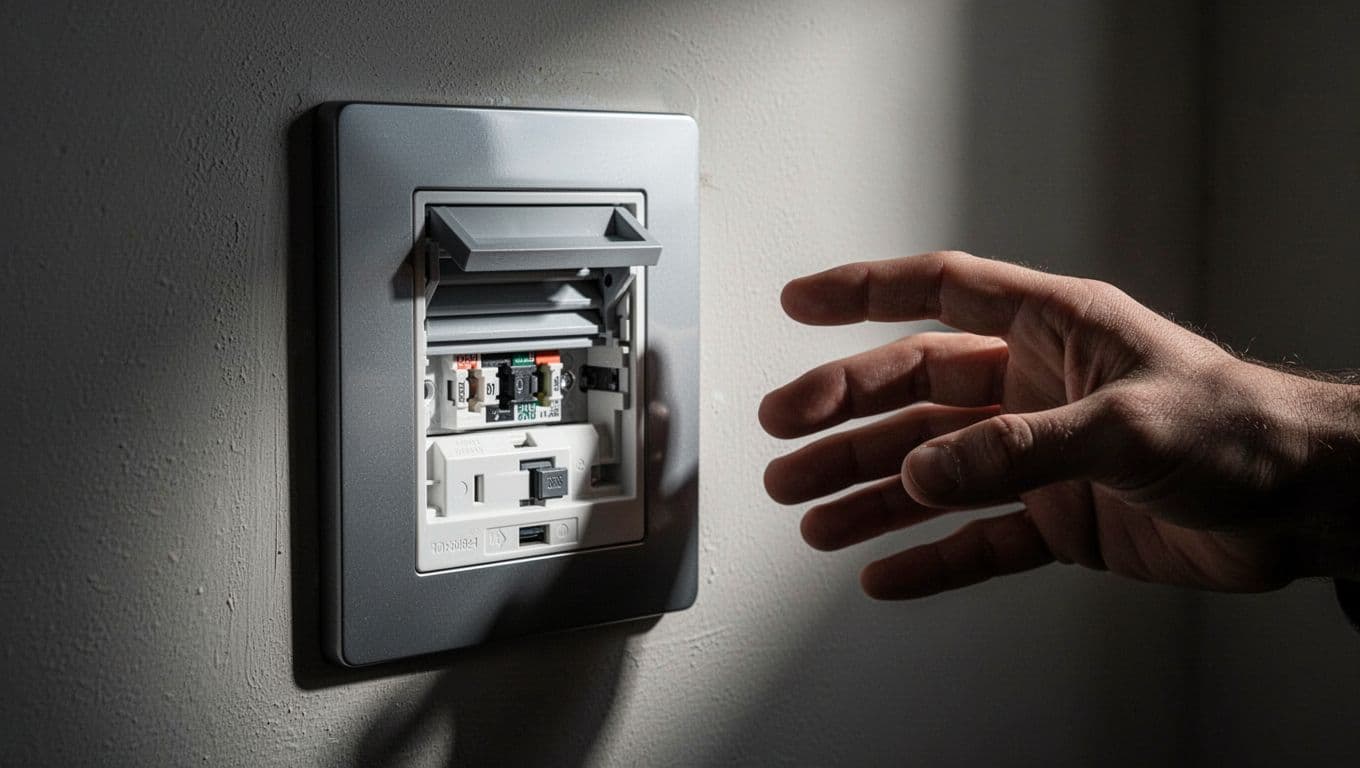
A tamper-resistant receptacle has spring-loaded shutters behind the faceplate. The shutters stay closed when pressure reaches only one slot. When a standard plug enters with both blades aligned, the pressure opens the shutters and allows the plug to connect.
That design blocks many common accidents. A child who inserts a key, paper clip, toy part, or other single object into one slot won't normally reach the energized contact.
The protection is built into the receptacle, so it doesn't depend on a removable plastic plug. Plug-in safety caps can fall out, get lost, or create a choking hazard. They also don't satisfy a code requirement for a listed tamper-resistant device.
Look for the letters TR on the receptacle face or product packaging. The device should also have the correct voltage and ampere rating for the circuit. A licensed electrician can verify that the product is listed and appropriate for the location.
Tamper resistance doesn't make an outlet safe for every situation. A damaged face, loose receptacle, cracked cover plate, or exposed wiring still requires repair. Children can also pull on cords or damage devices, so the receptacle is one part of household electrical safety.
GFCI protection is separate. A GFCI monitors current leaving and returning through the circuit, then disconnects power when it detects an imbalance. Many Massachusetts locations require GFCI protection, including certain kitchens, bathrooms, garages, unfinished basements, laundry areas, and outdoor outlets.
A GFCI receptacle isn't automatically tamper resistant. If both protections apply, install a device marked for both functions, such as a tamper-resistant GFCI receptacle, or use compatible protective equipment upstream.
Where the requirement applies in a Massachusetts home
The requirement follows the receptacle's location and rating, not only the name of the room. This quick guide shows the protections that commonly overlap.
| Home location | Common requirements to review |
|---|---|
| Bedrooms and living areas | 125-volt, 15- or 20-amp TR receptacles where required by 210.52 |
| Kitchen countertops | TR receptacles, GFCI protection, and proper spacing |
| Bathrooms | TR receptacles and GFCI protection |
| Garage or unfinished basement | TR receptacles, GFCI protection, and location-specific rules |
| Exterior, porch, or deck | TR receptacles, GFCI protection, and weather-resistant equipment |
| Laundry or utility areas | TR receptacles and GFCI protection where applicable |
The table describes common residential situations, not every possible installation. A dedicated appliance outlet, for example, may have different requirements. The electrician must consider the appliance, circuit rating, accessibility, and whether the receptacle is in a location covered by Section 210.52.
Limited exceptions can apply to tamper resistance. These may include receptacles installed more than 5 1/2 feet above the floor, receptacles that are part of a listed luminaire or appliance, and certain receptacles in dedicated spaces for appliances that are not easily moved during normal use.
A refrigerator outlet in a dedicated space may not receive the same treatment as a general-purpose wall outlet. However, the exception shouldn't be assumed. The exact device, installation, and local inspection practice matter.
The requirements for tamper-resistant outlets Massachusetts homeowners install can also overlap with weather-resistant rules. Outdoor receptacles typically need weather-resistant markings, a proper cover, and GFCI protection. In that case, the device and cover must work together for the environment.
Do older Massachusetts homes need new TR outlets?
Older homes don't automatically require every existing receptacle to be replaced solely because the electrical code has changed. However, replacing an outlet can trigger current requirements for the new device.
Under NEC replacement rules, a replacement receptacle must meet applicable requirements for its location. That can include tamper resistance, GFCI protection, AFCI protection, weather resistance, and grounding-related requirements.
For example, replacing a failed bathroom receptacle may require a tamper-resistant GFCI device. Replacing an exterior receptacle may require a tamper-resistant, weather-resistant GFCI device with the correct cover.
A three-slot tamper-resistant receptacle doesn't create a grounding path by itself. If an older two-slot, ungrounded outlet is being replaced, the electrician must evaluate the available replacement options. Depending on the wiring, the solution may involve a properly grounded receptacle, GFCI protection with the required labeling, or another code-compliant correction.
Older wiring creates additional concerns. Homes with knob-and-tube wiring, deteriorated insulation, ungrounded circuits, aluminum conductors, or overloaded branch circuits need more than a new faceplate. Review these common electrical problems in older homes before replacing devices throughout the house.
A TR receptacle can hide a serious wiring issue if someone installs it without checking the box, conductors, connections, and grounding. The new device must be secure, correctly wired, and compatible with the existing circuit.
Choosing and installing the right receptacle
Start with the circuit rating and the outlet's location. A replacement device should match the branch circuit, conductor size, box condition, and required protection. Don't install a 20-amp receptacle simply because it appears more durable. The circuit configuration determines which device is allowed.
For a kitchen, bathroom, garage, basement, or outdoor project, check whether the receptacle needs more than one marking. Common combinations include:
- TR for tamper resistance
- GFCI for ground-fault protection
- WR for weather resistance
A receptacle may need all three. Outdoor equipment also needs a cover suitable for the location, especially where a plug remains connected during wet conditions.
Installation quality matters as much as the product. The electrician should turn off and verify the circuit, inspect the box, identify line and load conductors on GFCI devices, make secure terminations, and install the cover plate correctly. Loose connections can cause heat and arcing, even when the receptacle has the right markings.
If the project adds outlets or changes the circuit, the electrician may need to review breaker capacity and the home's total electrical demand. A home electrical inspection can help identify grounding, wiring, panel, and receptacle issues before a larger renovation.
A permit and inspection may also be required. Massachusetts municipalities manage their own permit processes, so confirm the requirements with the local building department or have the licensed contractor handle that step.
Common mistakes homeowners should avoid
Several mistakes appear often during outlet replacements. The first is treating every receptacle as interchangeable. A living-room outlet, a bathroom GFCI, and an outdoor receptacle may look similar, but they don't have the same requirements.
Another mistake is buying a standard receptacle and adding a child-safety cover. A removable cover doesn't replace a listed TR receptacle when the code requires one.
Homeowners also sometimes replace a two-slot outlet with a three-slot model without confirming the grounding. That creates the appearance of protection without providing an equipment grounding path. The electrician must test the circuit and use an approved replacement method.
Finally, don't ignore heat, discoloration, buzzing, loose plugs, or repeated breaker trips. These symptoms can point to a failing receptacle, loose connection, overloaded circuit, or damaged wiring. Replacing the visible device may not correct the cause.
A safer path for Massachusetts outlet upgrades
For new construction, renovations, and outlet replacements, Massachusetts requires more than selecting a device marked TR. The installation must satisfy the applicable NEC provisions, state amendments, local inspection rules, and any additional GFCI, AFCI, weather-resistant, or grounding requirements.
The right receptacle depends on where it goes and how the circuit is built. A licensed electrician can test the existing wiring, choose the correct combination of protections, and identify permit needs before the work starts.
The goal is simple: protect the opening, protect the circuit, and verify the wiring behind it . That approach gives Massachusetts homeowners safer outlets without hiding problems inside the wall.