

BX Wiring in Older Greater Boston Homes: What to Know

Contact Us
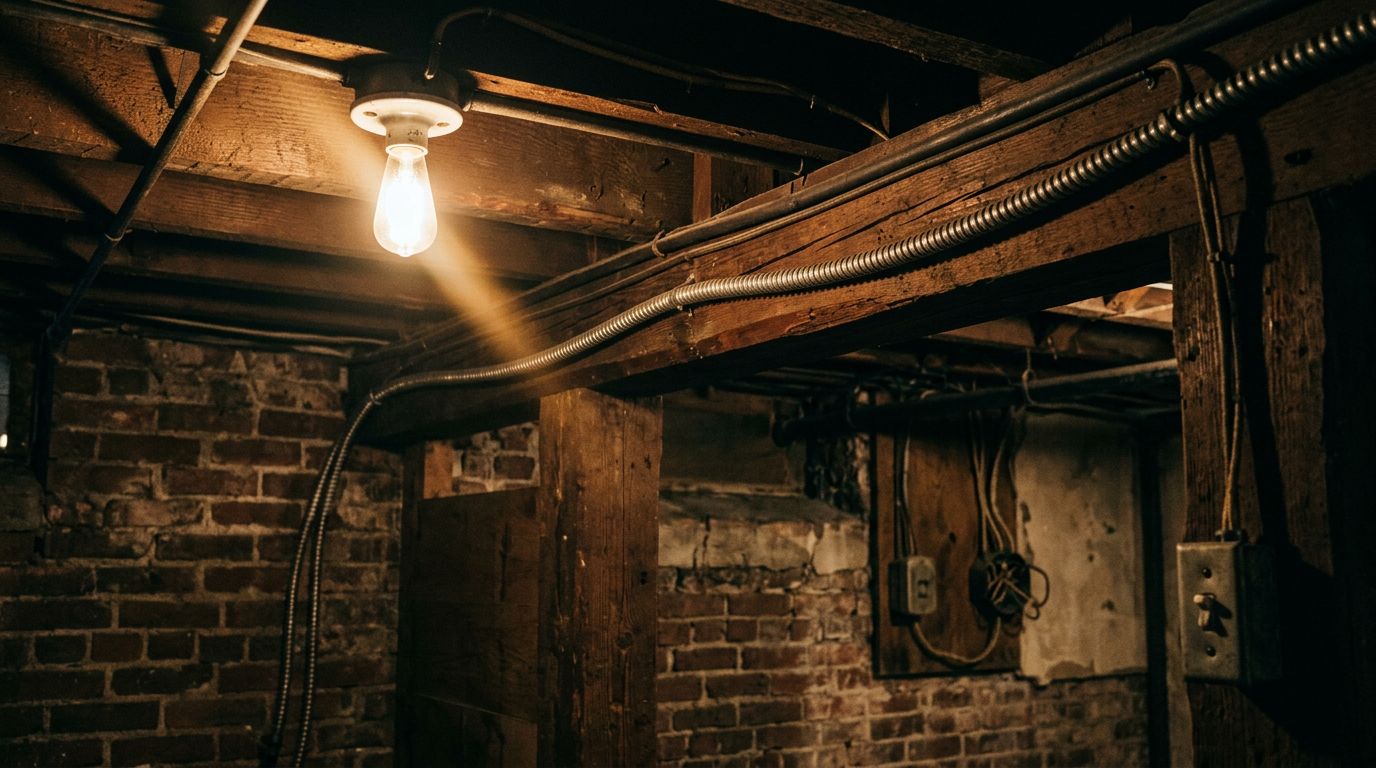
Older homes in Greater Boston often hide a mix of electrical work from different eras, and BX wiring is one of the terms homeowners hear most. The label can point to a sturdy metal-clad cable in one house, and a patched, aging circuit in another.
That difference matters. Age, installation quality, grounding, and later repairs all shape how safe or dependable the wiring is today. If you own an older home, or you're thinking about buying one, it helps to know what BX really means before you make any assumptions.
What people mean when they say BX wiring
Around here, "BX" is often used as a catch-all term for older armored cable. People may use it for any cable with a metal jacket, even when the exact product or installation method is different.
That loose use of the term creates confusion. One stretch of cable may be in decent shape and still doing its job. Another may have damaged sheathing, missing grounding, or sloppy splices hidden in a wall or basement ceiling.
Old BX wiring is a clue, not a verdict.
A careful look starts with the basics. How old is it? Where does it run? Has it been altered? Was it installed neatly, or has it been extended over the years by whoever happened to own the house at the time?
In older homes, the same system can contain a little of everything. You might see original armored cable, newer cable added during a kitchen update, and a few improvised fixes from a past owner. That mix is common, especially in houses that have been remodeled in stages.
Why it shows up so often in older Greater Boston homes
Greater Boston has a large stock of older houses, triple-deckers, capes, colonials, and homes that have been expanded many times. Those buildings often changed with the times, one room at a time.
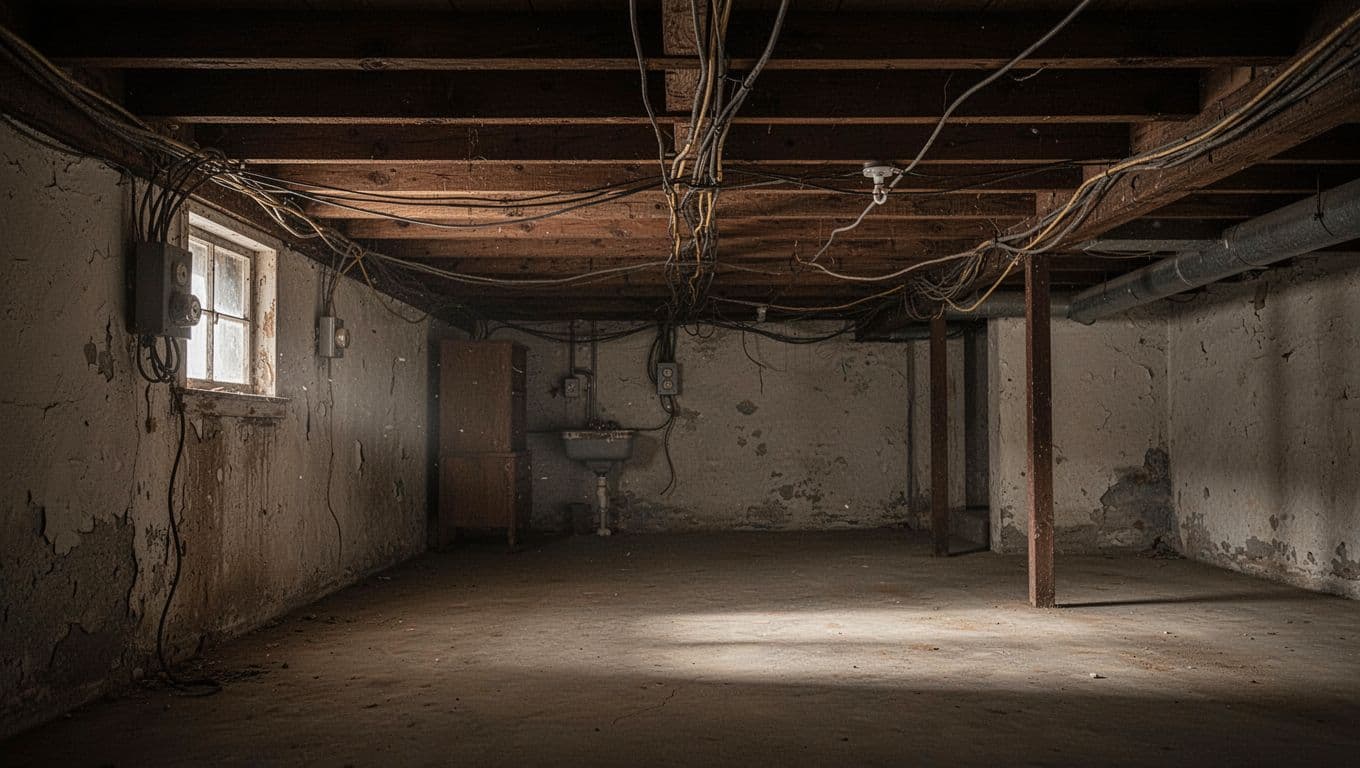
An old basement can tell the whole story. You may see cable running across joists, turning into newer junction boxes, then disappearing into finished walls. That patchwork is normal in older homes, but it also makes electrical review more important.
Homes in this area also went through decades of changing needs. Lighting loads grew. Kitchens got bigger. Appliances multiplied. Then came air conditioning, finished attics, basement remodels, and home offices. Each change added demand, and not every upgrade happened in a clean, organized way.
That's why the phrase "BX wiring" rarely tells the full story. The real question is whether the wiring is intact, properly supported, and still suited to the way the home is used now. A cable can be old and still serviceable. It can also look harmless and hide weak points where the jacket is damaged or the connections are poor.
Signs the wiring needs a closer look
Some warning signs are easy to spot. Others are subtle and build over time. A single clue doesn't prove a hazard, but a pattern deserves attention.
- Visible wear on the metal jacket : Cracks, rust, cuts, or crushed sections can weaken the cable's protection.
- Loose cable at boxes : If cable enters a box without being secured well, the connection may have been stressed for years.
- Warm outlets or switch plates : Heat usually means extra resistance, a loose connection, or too much load on the circuit.
- Flickering lights : Lights that dim when large appliances start can point to overload or weak connections.
- Frequent breaker trips : Repeated trips may mean the circuit is doing more work than it should.
- Two-prong outlets or lots of adapters : That often signals older wiring paths or missing grounding.
- Buzzing, crackling, or a burning smell : These signs need prompt attention.
The important part is context. A single older outlet in a basement is one thing. A house full of worn devices, taped repairs, and mixed wiring is something else.
If you see several of these signs together, the system deserves an inspection.
The risks behind worn or altered cable
Old BX wiring is not automatically unsafe. The bigger concerns usually come from age, damage, and how the cable was installed or modified.
| What you notice | What it may mean | What to do next |
|---|---|---|
| Cable looks intact, and the home has been lightly updated | The wiring may still be serviceable | Have it checked during a normal inspection or before a remodel |
| Jacket is split, rusted, or crushed | The cable may no longer be well protected | Schedule a licensed electrician to inspect it soon |
| Two-prong outlets or adapter use is common | Grounding may be weak or missing in parts of the house | Ask about grounding and outlet upgrades |
| Breakers trip, lights flicker, or outlets feel warm | The circuit may be overloaded or have loose connections | Treat it as a priority issue |
The biggest hidden issue is often grounding. Some older cable systems rely on the metal path, while others were changed over time and no longer offer a reliable ground. If grounding is weak, faults may not clear the way they should.
Another concern is the kind of repair work done over the years. A neat installation can age well. A messy one can create heat, noise, or intermittent problems that are hard to trace without opening things up.
In older homes, you also have to think about load. A circuit that once handled a few lamps may now be feeding TVs, chargers, kitchen gear, and a space heater. That's a lot more demand than the original system was built for.
When a licensed electrician should inspect it
Some situations call for a closer look right away. Buying or selling an older home is one of them. So is any time you notice flickering, repeated trips, or signs of heat at outlets or switches.
A good rule is simple, if you're unsure, don't guess. Have the wiring inspected before you plan a remodel, finish a basement, or add new equipment that pulls more power.
That matters because older homes rarely need one single fix. They often need a clear look at the panel, the circuit paths, the grounding method, and the condition of the visible cable. A licensed pro can sort out whether the system needs a repair, a partial update, or a broader plan.
For homeowners comparing options, residential electrical services can cover inspection, repair, and upgrades in one visit or over a planned set of steps. That approach is helpful when the home has a mix of old and newer wiring.
How rewiring decisions are usually made in older homes
Rewiring an old house is rarely an all-or-nothing choice. Most decisions start with what is visible and what is causing trouble now.
- The electrician identifies the circuits that are in the worst shape.
- Next, they check grounding, load, and any signs of overheating or poor splices.
- Then they decide whether the home needs a repair, a partial rewire, or a larger project.
- After that, they look at access, since basements, attics, and open walls are easier to work in than finished rooms.
- Finally, they match the plan to your future needs, such as a kitchen update, EV charger, generator, or new HVAC equipment.
This process keeps the work focused. A whole-house rewire may be the right answer in some homes, but it is not the automatic answer for every house with old BX cable.
Many older homes do well with targeted updates first. That might mean replacing damaged runs, improving grounding, upgrading a few circuits, or adding new lines where heavy loads are growing. The goal is to make the system safer and more useful without tearing into areas that don't need immediate work.
The smartest plan is the one built around the home you have now, not the one imagined by a label on old cable.
Conclusion
When people talk about BX wiring , they often mean more than one thing. In an older Greater Boston home, that term can point to solid metal-clad cable, tired old repairs, or a mix of both.
The real story comes from condition, grounding, and how the wiring has aged with the house. If you can spot the warning signs and bring in a licensed electrician at the right time, you can turn a vague old label into a clear repair plan.
That kind of review is what keeps an old home comfortable, useful, and easier to trust.