

What an ITE Electrical Panel Means for Boston Homes

Contact Us
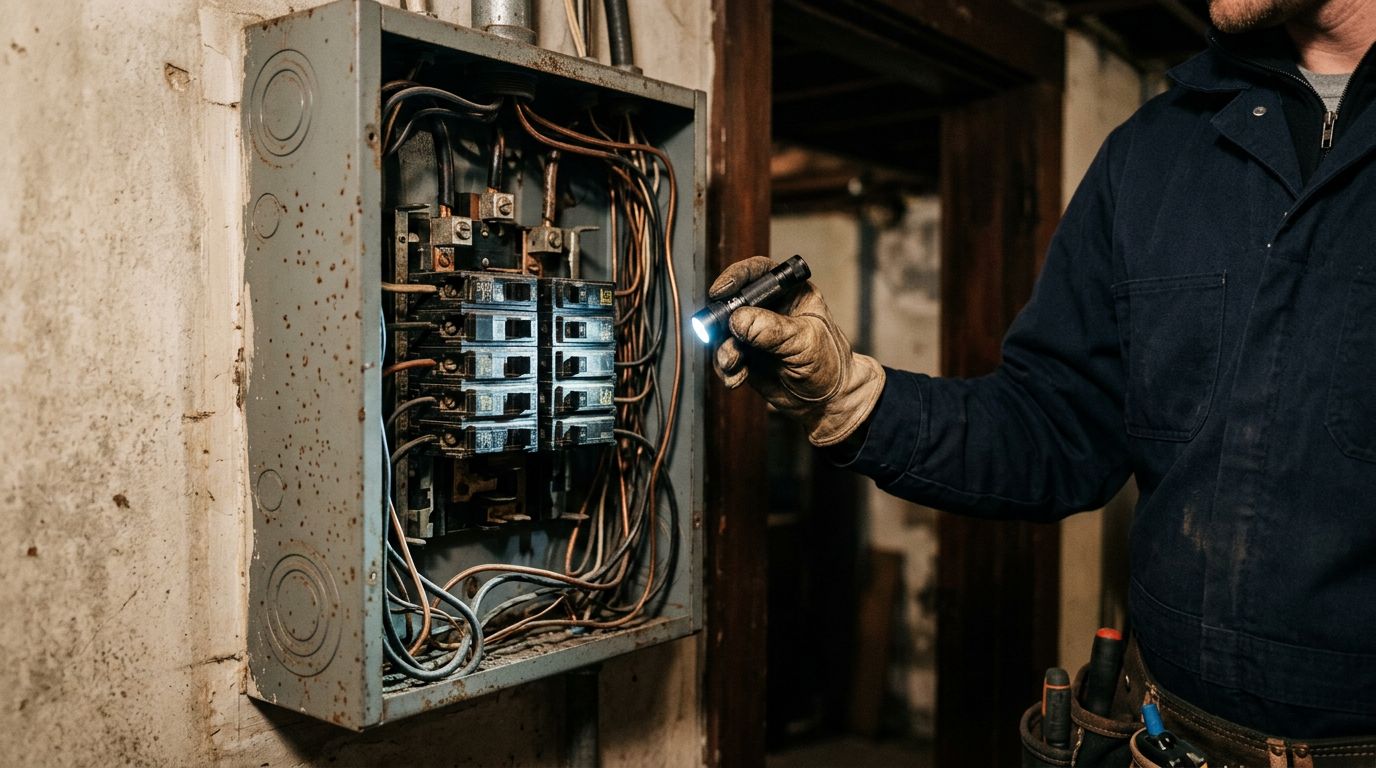
An ITE electrical panel in a Greater Boston home often points to an older electrical system that deserves a closer look. The name alone doesn't prove the panel is unsafe, but age, condition, installation quality, capacity, and the specific breakers inside all matter.
Many Massachusetts homeowners discover an ITE panel during a home inspection, renovation, or service call. Understanding the label can help you decide whether the panel needs routine evaluation, repairs, or replacement. Start with what the name actually means.
Key Takeaways
- ITE was a major electrical equipment brand found in many older homes.
- An ITE label doesn't automatically mean the panel must be replaced.
- Warmth, buzzing, burning smells, corrosion, and frequent trips require prompt professional attention.
- Panel capacity must match the home's current and planned electrical demand.
- A licensed electrician should evaluate, repair, or replace the panel.
What Is an ITE Electrical Panel?
ITE was a well-known manufacturer of electrical distribution equipment, including load centers, circuit breaker panels, and breakers. Older homes may have panels marked ITE, Gould, Bulldog, or Pushmatic, depending on the product line and when the equipment was installed.
The panel distributes electricity from the home's service to individual circuits. Each breaker protects wiring from excessive current. The main breaker controls power to the panel, while smaller breakers supply lighting, receptacles, appliances, heating equipment, and other loads.
The nameplate may show important details such as the panel's amp rating, voltage, manufacturer, and compatible breaker family. However, a label doesn't tell the whole story. A panel that looked acceptable decades ago may now have corrosion, loose connections, heat damage, outdated wiring, or insufficient space for modern circuits.
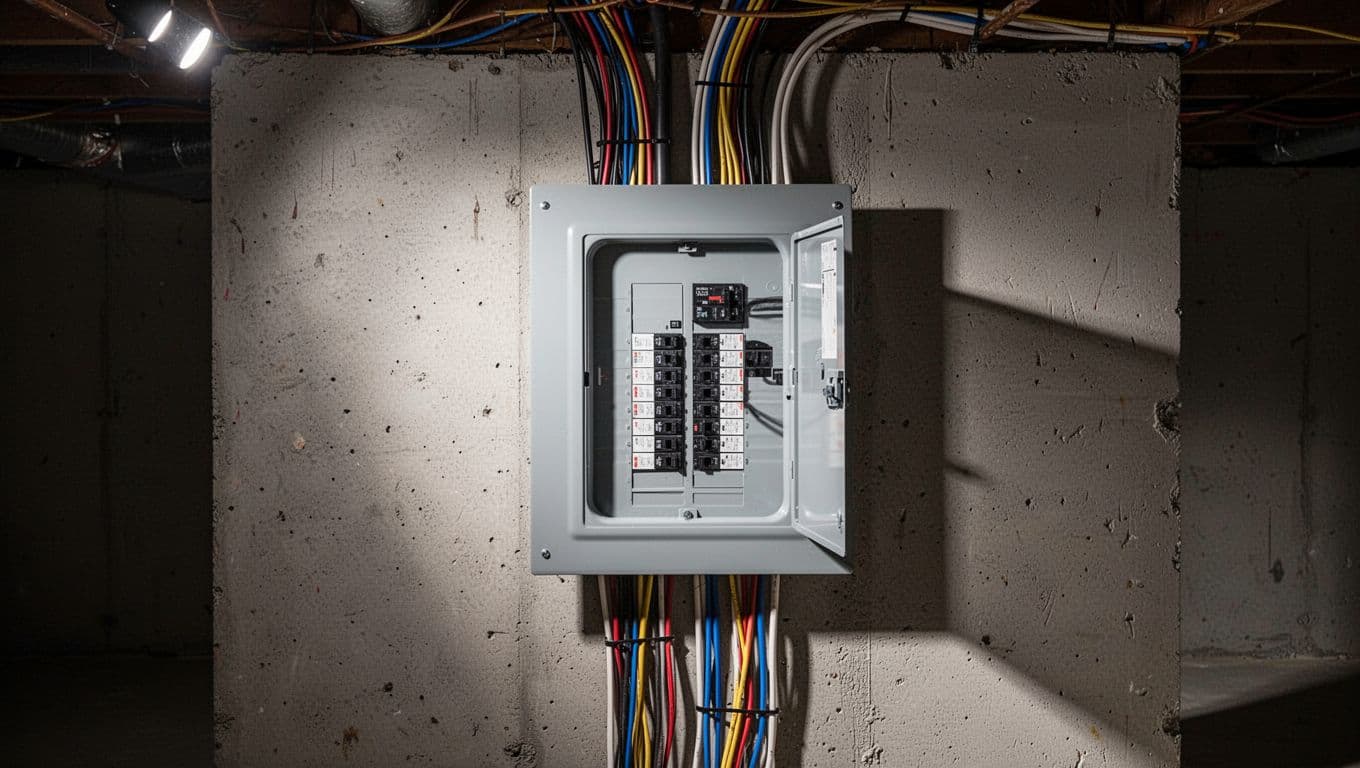
A clean installation is only one part of the evaluation. An electrician also checks the service conductors, grounding and bonding, breaker compatibility, panel condition, and the way circuits enter and leave the enclosure.
The important question isn't only, "Who made this panel?" It is whether the complete electrical system is safe, properly installed, and suitable for the home's present needs.
Homeowners should avoid removing the panel cover or handling breakers to identify the equipment. Even when the main breaker is off, portions of the panel can remain energized.
Why ITE Panels Are Common in Greater Boston Homes
Greater Boston has a large supply of older housing. Communities such as Boston, Cambridge, Somerville, Arlington, Waltham, Medford, Newton, and surrounding towns include homes built long before today's electrical demands became common.
An ITE electrical panel may have been installed when a home relied on a smaller refrigerator, basic lighting, a gas range, and fewer electronic devices. Modern households often add central air conditioning, heat pumps, electric water heating, induction cooking, basement workshops, hot tubs, or home offices.
Older houses also receive additions and renovations over many decades. Electricians may find a newer circuit connected to an older panel, an altered service entrance, or wiring that no longer matches the home's use. Some work may have been completed properly, while other changes may need correction.
Weather adds another concern. Moisture in basements, coastal air near communities east of Route 128, and temperature changes can contribute to corrosion or deterioration around electrical equipment. A dry, protected installation has a better outlook than a panel exposed to leaks or persistent humidity.
The location and age of a panel provide useful context, but they don't establish its condition. Two panels with the same ITE label can have very different safety profiles based on maintenance, loading, modifications, and installation quality.
How to Tell If an ITE Panel Needs Attention
A panel should receive professional attention when it shows physical, electrical, or performance-related warning signs. Call a licensed electrician promptly if you notice:
- A burning odor, smoke, or visible discoloration near the panel
- Buzzing, sizzling, crackling, or unusual vibration
- A panel cover that feels hot or breakers that show heat damage
- Rust, water marks, corrosion, or signs of pest damage
- Breakers that trip repeatedly without an obvious cause
- Flickering lights when major appliances start
- Breakers that won't reset or feel loose
- Missing knockouts, an open panel space, or an improvised repair
- Evidence of double-tapped conductors or incompatible breakers
Don't ignore repeated trips by replacing a breaker with one that has a higher rating. The breaker protects the circuit wiring, so increasing its size without confirming the conductor and equipment rating can create a serious hazard.
A professional may also recommend an evaluation when a home changes ownership, undergoes renovation, or adds a large electrical load. An inspection is especially sensible before installing an EV charger, generator, heat pump, electric range, or major workshop equipment.
Some older ITE product families have specific compatibility and field-history concerns. That fact still doesn't make every ITE panel defective. The electrician must identify the exact equipment and inspect its condition before recommending work.
If you see an immediate sign of overheating, smoke, or an electrical fire, move away from the panel and call emergency services. Don't spray water on energized equipment.
ITE Electrical Panel Capacity and Modern Home Loads
A panel's amp rating indicates how much current the equipment is designed to distribute. Common residential service sizes include 100 amps and 200 amps, but the correct capacity depends on a calculated load assessment and the home's electrical equipment.
A 200-amp panel isn't automatically the right choice. The service conductors, meter equipment, utility connection, grounding system, and main disconnect must support the planned capacity. In some homes, the panel needs replacement while the service itself can remain. In others, a full service upgrade is required.
The electrician may review:
- The home's square footage and existing circuits
- Electric heating, cooling, water heating, and cooking loads
- EV charging and generator requirements
- Motors, pumps, workshops, and other continuous loads
- Available breaker spaces and the panel's listed equipment
- Service conductors, grounding, bonding, and utility requirements
An ITE electrical panel can have enough capacity for one home's needs but lack the space or compatibility needed for a planned project. Conversely, a panel with open spaces may still have damaged bus components or poor connections.
Electrical demand also changes seasonally in Massachusetts. A heat pump, electric baseboard system, or air conditioner can place a heavier load on the service during extreme temperatures. Planning around the largest expected demand is safer than judging capacity by what usually runs on a mild day.
For projects that need more power, Sirois Electric's guide to electrical service upgrade cost in Greater Boston notes that a standard 2026 service upgrade often falls between $2,500 and $5,000. A simple panel replacement may cost less, while utility work, service entrance repairs, wall access, and older-home complications can increase the price.
Should You Replace or Keep an ITE Panel?
Replacement isn't based on brand name alone. A qualified electrician may recommend keeping an ITE panel when it is in good condition, properly installed, correctly protected, and suitable for the home's calculated load.
Replacement becomes more likely when the panel has damage, obsolete components, poor workmanship, limited capacity, compatibility problems, or no practical room for needed circuits. A panel may also need replacement when a renovation requires equipment that the existing system cannot safely support.
A panel swap and a service upgrade are different projects. A panel replacement changes the distribution equipment inside the home. A service upgrade can involve larger service conductors, a new meter connection, grounding work, utility coordination, and an increase in available amperage.
The final recommendation should account for the complete installation. That includes:
- The condition of the enclosure and interior bus
- The exact breaker type and listing
- The service size and available capacity
- Wiring condition and circuit identification
- Grounding and bonding
- Water exposure, physical access, and clearance
- Current code requirements for the planned work
Homeowners should request a written explanation of the recommended work. It should identify whether the job involves a panel replacement, service upgrade, circuit repairs, permit coordination, utility work, or several of these items.
A reputable contractor can also explain what happens to existing circuits, whether the power will be interrupted, and which new equipment is appropriate. The electrician should obtain required permits and arrange inspection when local rules call for it.
What a Professional ITE Panel Evaluation Includes
A licensed electrician starts by identifying the panel and documenting its condition. The inspection may include a visual review of the enclosure, breakers, conductors, terminations, grounding, bonding, labeling, and nearby service equipment.
The electrician also looks for signs that past work changed the original installation. Renovations can leave abandoned wiring, crowded raceways, unsupported cables, or circuits that no longer match the panel directory. These issues affect the quality of the system even when the panel itself looks intact.
Load planning is another part of the evaluation. If you want an EV charger, generator, heat pump, or electric range, tell the electrician before work begins. The planned equipment may affect panel space, service capacity, overcurrent protection, disconnects, and permit requirements.
Never open an ITE electrical panel yourself to take photographs or check a breaker number. A panel contains energized parts, and an incorrect assumption about what is live can cause shock, arc flash, or equipment damage.
For homeowners ready to address a damaged or undersized system, professional electrical panel replacement should be handled by a licensed electrical contractor familiar with Greater Boston permitting and inspection requirements. The right solution may be a repair, a panel replacement, or a broader service upgrade.
Conclusion
An ITE electrical panel is a piece of older electrical equipment, not an automatic verdict about your home's safety. Its condition, installation, breaker compatibility, service capacity, and future electrical demands matter more than the name printed on the door.
If your panel shows heat damage, corrosion, unusual sounds, or repeated breaker trips, arrange an evaluation with a qualified, licensed electrician. With a professional inspection, you can make a clear decision about repairs or replacement before an older system becomes a barrier to safe home improvements.