
Do You Need a Meter Socket Replacement in Greater Boston?

Contact Us
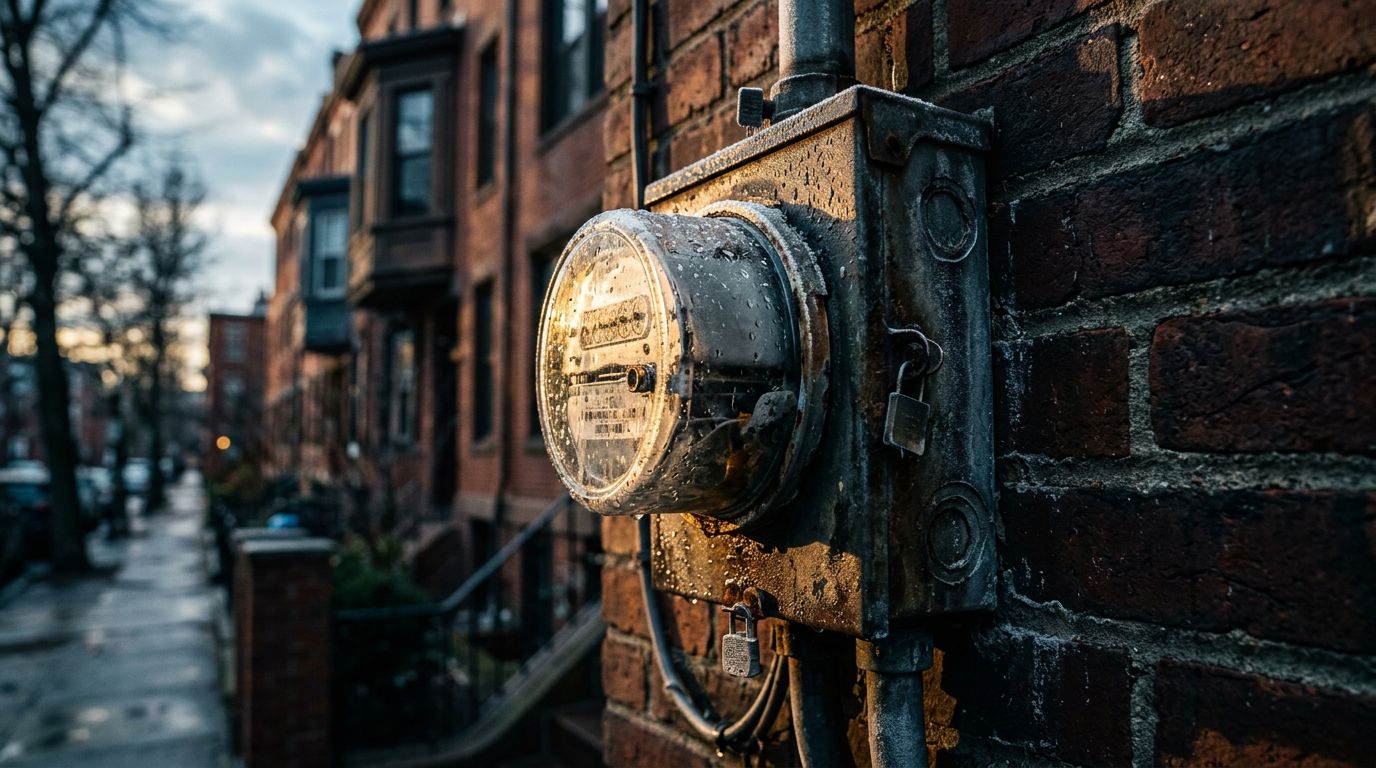
A meter socket can look fine from the sidewalk and still be on its last legs. In Greater Boston, age, winter moisture, and years of patchwork electrical work can wear out the part that connects your home to utility power.
That problem can show up as flickering lights, a hot smell near the meter, or visible corrosion on the outside wall. If you manage a home or rental property, it helps to spot those signs early and bring in a licensed electrician before a small issue turns into a service outage.
What the meter socket does in your electrical system
The meter socket is the housing that holds the electric meter and connects your home to the utility supply. It sits outside in most homes, which means it takes the full hit from rain, snow, ice, and sun.
That exposure matters. A loose connection, cracked housing, or corroded contact point can interrupt power or create heat. In older Greater Boston houses, the socket may be original or may have been replaced long ago during a partial upgrade.
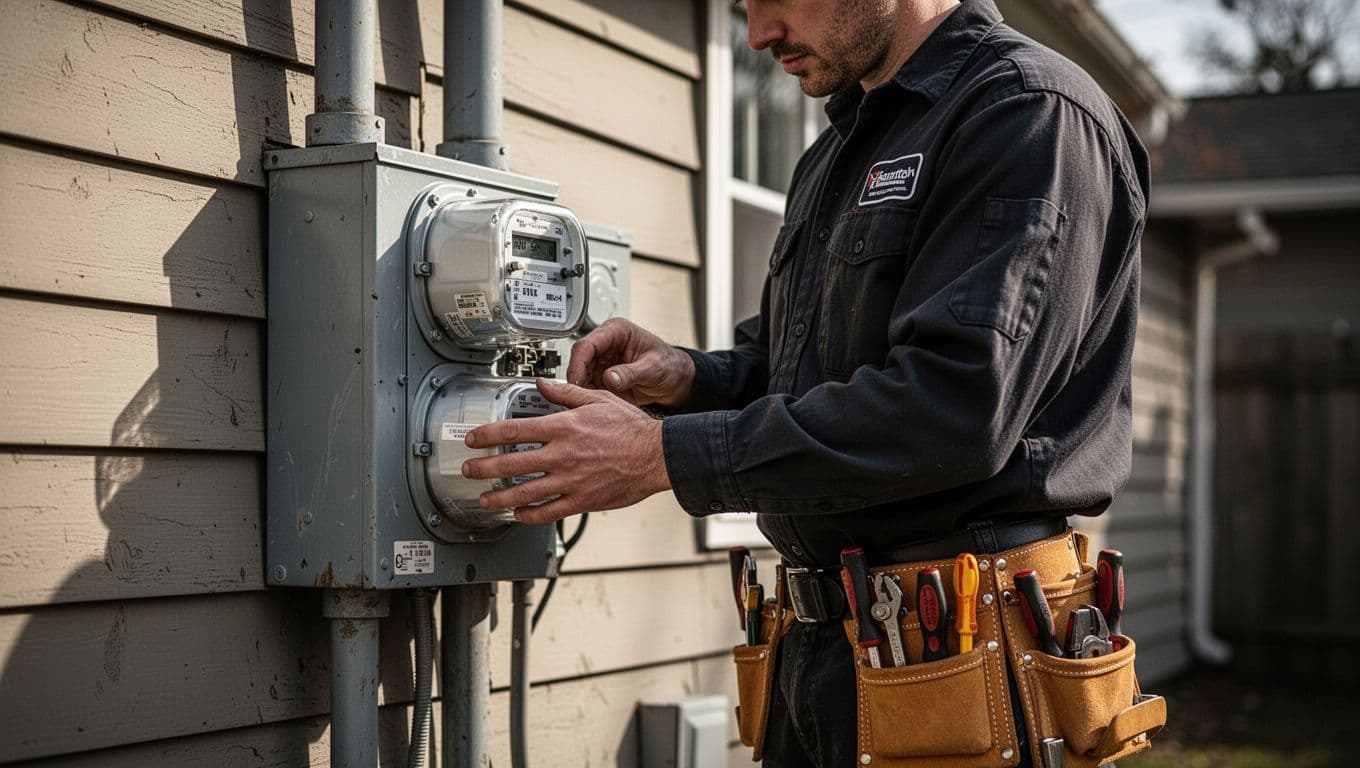
A meter socket replacement becomes more likely when the enclosure no longer makes a clean, stable connection. That can happen after years of moisture exposure, storm damage, or heat buildup from loose terminals.
Warning signs that point to trouble
Electrical problems rarely appear out of nowhere. They leave clues, and the meter socket is no exception. If your home already shows other electrical trouble, warning signs of an outdated electrical system often show up at the same time.
Watch for these signs:
- Rust, corrosion, or white powder around the socket or meter base
- Cracked, chipped, or melted plastic on the housing
- Flickering lights when large appliances turn on
- A burning smell, buzzing sound, or heat near the meter
- Water stains, gaps, or other visible damage after a storm
- A loose meter cover or parts that no longer sit flush
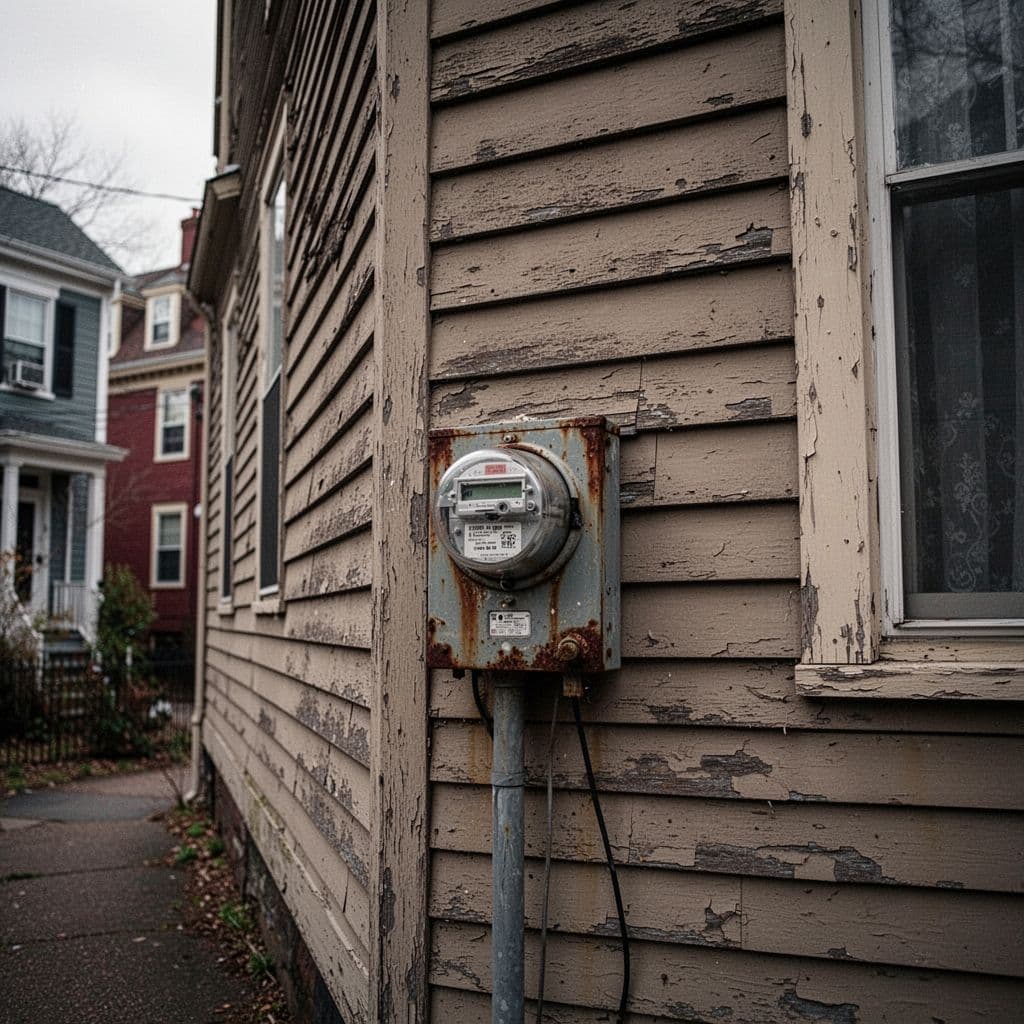
A meter socket that looks tired on the outside can hide a hot, loose connection inside.
One sign is enough to justify an inspection. Two or more signs mean the equipment needs attention soon. If you smell burning or see scorch marks, treat that as urgent.
Why Greater Boston homes see more meter socket wear
Older housing stock is part of the story. Many Greater Boston homes were built long before today's power use, and the electrical gear often reflects that age. Triple-deckers, older two-families, and prewar houses can all carry meter equipment that has seen several repair cycles.
Weather adds another layer. Snow and ice can force moisture into small openings. Freeze-thaw cycles can widen cracks. Rain, wind, and salty air near the coast can speed up corrosion. Even a well-built socket wears down when it faces that kind of exposure year after year.
Property managers also deal with another issue, changing load. A house that once powered lights and a few appliances may now run central air, home office equipment, EV charging, and high-demand kitchen gear. The meter socket and the rest of the service need to keep up.
In many homes, the meter socket is only one weak point. If the panel is also old or undersized, professional breaker panel installation may belong in the same project.
Repair, replacement, or a larger service upgrade
Not every problem means the whole service needs to be rebuilt. Sometimes an electrician finds a loose connection, a failed seal, or a part that can be corrected without replacing the socket. Other times, the housing is too worn, too corroded, or too heat-damaged to trust.
The best choice depends on what the inspection shows.
| Situation | What it often means | Usual next step |
|---|---|---|
| Light corrosion or a loose cover | Early weather wear | Clean, tighten, and inspect closely |
| Rust, pitting, or heat marks | Damaged housing or a failing connection | Meter socket replacement |
| Flicker, buzzing, or a burning smell | Possible arcing or overheating | Shut down affected loads and call an electrician |
| Older socket plus aging panel | The full service may be behind current demand | Review the socket and panel together |
A quick fix can save money when the problem is small. Still, replacement is the safer call when the enclosure itself has broken down. If the socket and panel both look tired, replacing one piece at a time can leave the system uneven.
That is why a full service review matters. It helps match the repair to the real condition of the home, not just the most visible symptom.
What a licensed electrician checks during an inspection
A proper inspection starts outside and continues inside. The electrician looks at the meter socket housing, the incoming conductors, the attachment points, and any signs of heat or moisture. Then the rest of the electrical service gets checked for related problems.
That review may include the panel, grounding, visible wiring, and overall load. In some cases, an electrician may also use infrared testing to spot hot spots that do not show up during a basic visual check.
The goal is simple. Find out whether the socket can still do its job safely, or whether it has reached the point where replacement makes more sense.
Homeowners should not try to remove the meter or open the utility side of the equipment. That area can be dangerous, even if the problem looks minor from the outside. A licensed electrician knows how to work with the utility side safely and coordinate any needed shutoff or reconnection.
If you manage a rental property, this step matters even more. A fast inspection can keep one damaged socket from becoming a tenant outage or an emergency call on a cold night.
When to schedule service before it gets worse
The safest time to act is before the problem spreads. If you see corrosion after a storm, hear buzzing near the meter, or notice flickering that keeps returning, schedule an evaluation soon. The same is true after renovations that added more electrical demand or after years of deferred maintenance.
Seasonal timing also matters in Greater Boston. Fall is a smart time to check exterior electrical equipment before winter weather arrives. Spring inspections can catch damage left behind by ice, salt, and repeated moisture.
A worn meter socket may seem small, but it sits at a key point in the system. When it fails, the rest of the house feels it fast.
What matters most
A meter socket replacement is worth considering when the housing shows corrosion, heat damage, loose connections, or visible wear. In older Greater Boston homes, those problems are more common because the equipment has faced years of weather and heavy use.
The strongest sign is not one dramatic failure. It is the pattern, flickering power, damaged metal, burning smells, and a meter base that no longer looks solid. A licensed electrician can tell you whether the fix is a repair, a replacement, or part of a larger service update.
When outdoor electrical equipment starts to look tired, it usually is.