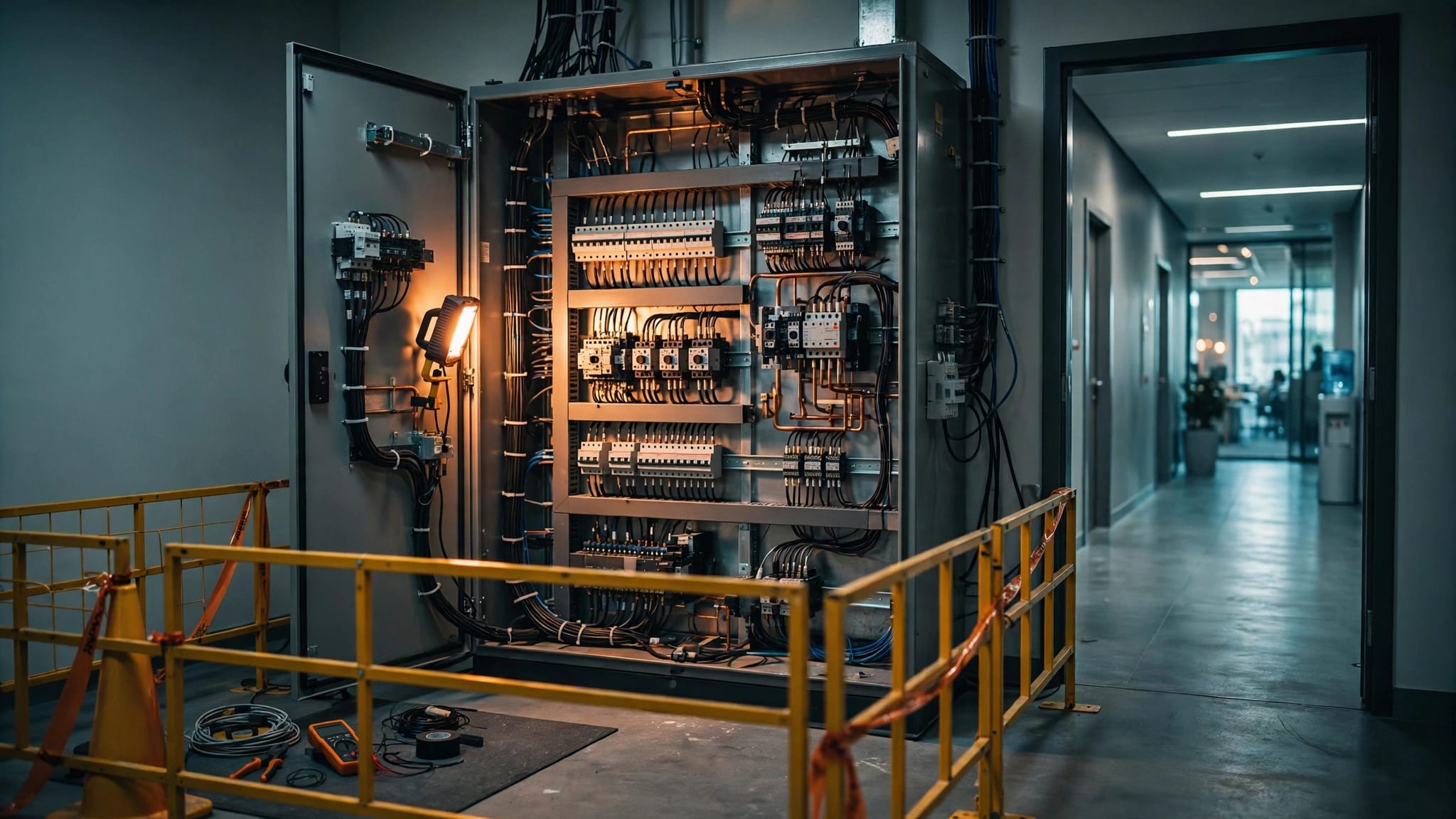

What a Split-Bus Panel Means in Greater Boston Homes

Contact Us
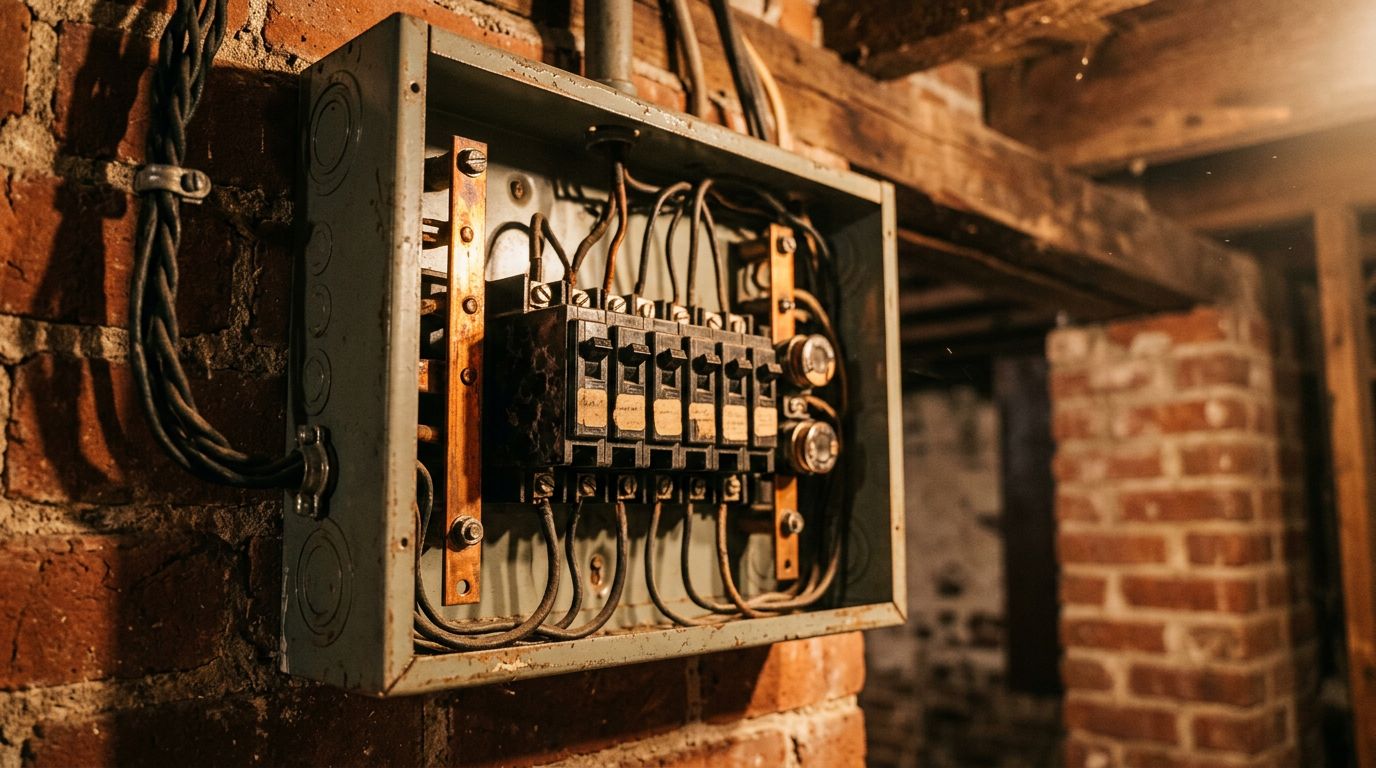
A split-bus panel often surprises homeowners because it looks older, yet it may still be doing its job. In many Greater Boston homes, that panel is part of the original electrical setup or an early upgrade that fit the house at the time.
The bigger question is not whether the panel looks old. It's whether it still matches the home's age, condition, and power needs today. That matters even more in older Boston-area houses that have picked up renovations, added appliances, or newer systems over the years.
How a split-bus panel works in an older home
A split-bus panel divides electrical control into sections instead of using one single main breaker for the whole house. In simple terms, some breakers handle large loads, while others feed the rest of the circuits through a grouped arrangement.
That design was common in earlier eras when homes used less electricity. Back then, the panel often fit the house well. Today, it can still function, but it may feel less convenient than a modern main-breaker panel.
Here's a quick comparison:
| Feature | Split-bus panel | Modern main-breaker panel |
|---|---|---|
| Layout | Two sections with grouped disconnects | One main disconnect with organized branch circuits |
| Common in | Older homes | Newer homes and upgraded systems |
| Whole-house shutoff | May require more than one action | Usually one main breaker |
| Best fit | Smaller electrical demand | Larger and changing electrical demand |
| Upgrade pressure | Grows with new loads or remodels | Better suited to expansion |
A panel like this is often a clue about the home's history. It does not mean something is wrong by itself. It does mean the electrical system deserves a closer look.
Why Greater Boston homes still have them
Greater Boston has a lot of older housing stock. Triple-deckers, Capes, Colonials, and many renovated two-families were built long before today's load demands. A split-bus panel often shows up in those homes because it matched the electrical needs of the time.
That's why you'll still find them in places that have otherwise been updated. A home may have newer kitchens, updated windows, or finished living space in the basement, but the panel may still reflect an older electrical era.
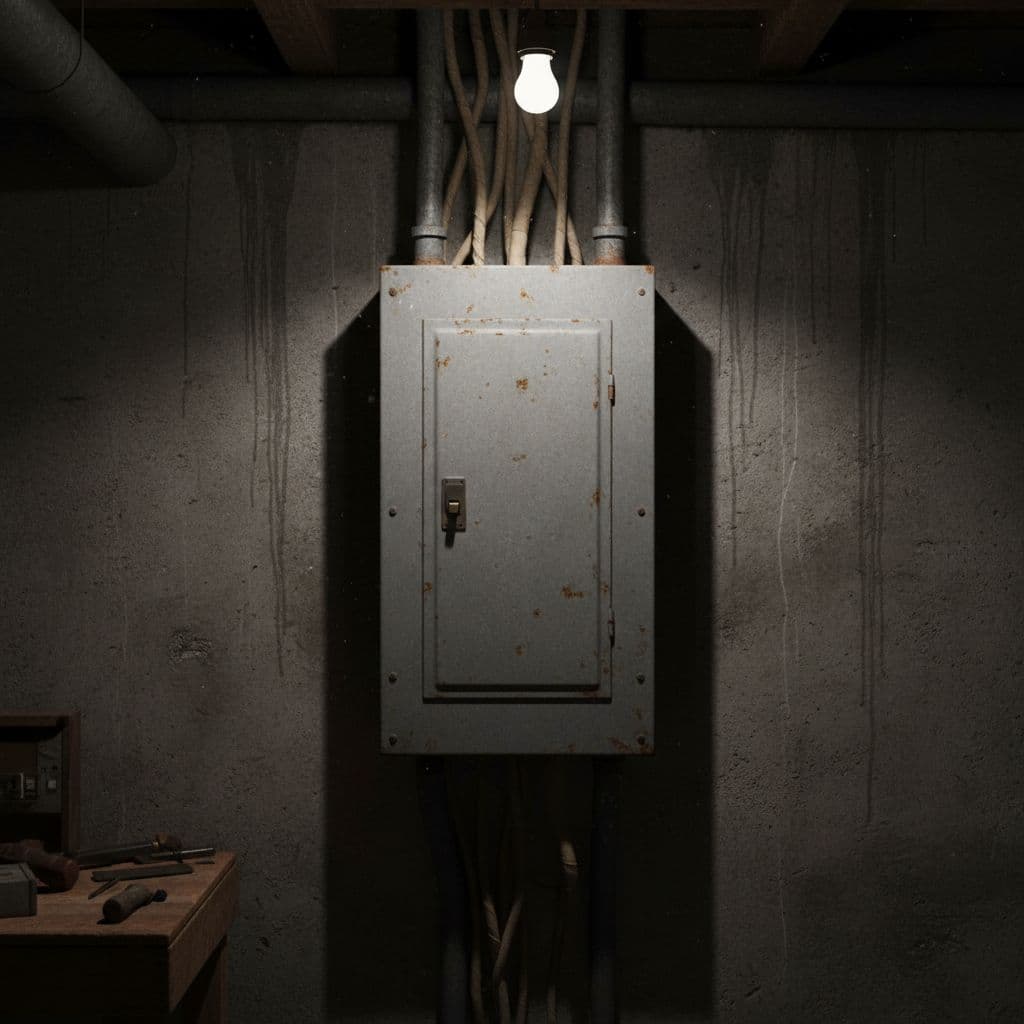
A split-bus panel is a sign of age, not a problem by itself. The real question is whether the panel still fits the home's actual demand.
That point matters in older Boston homes where electrical use has changed fast. A house that once powered lights, a refrigerator, and a few small appliances may now support heat pumps, central air, induction cooking, finished basements, and EV chargers. The panel can still be present and still work, but the old setup may not be the best match anymore.
When the panel can stay in place
A split-bus panel can remain in service when it is in good condition and the home's electrical load is modest. If the breakers are working well, the panel shows no heat damage, and there's no sign of rust or corrosion, the system may still have life left in it.
Age alone does not force a replacement. Condition matters more. So does how the home is used.
A licensed electrician will usually look at questions like these:
- Does the panel show signs of overheating, rust, or moisture?
- Are the breakers tripping often under normal use?
- Is there enough capacity for the way the house is used now?
- Have the circuits been labeled clearly, or are they a guessing game?
- Are there plans for a remodel, new HVAC equipment, or an EV charger?
If the answer to those questions leans in the right direction, the panel may simply need monitoring and maintenance. If the house is still modestly loaded, that older setup can continue to be part of the home's electrical story.
Signs the panel may be past its comfort zone
A panel starts to look tired when the house asks more of it than it was built to handle. That can happen gradually. First comes one new load, then another, and soon the system is working harder than it should.
Common signs include these:
- Breakers trip often, especially when several appliances run at once.
- The panel cover feels warm, or the area around it smells hot.
- You see rust, moisture stains, or corrosion in the basement.
- The panel has little room left for new circuits.
- The house has added major loads, such as a finished basement, mini-split units, or an EV charger.
- Old labels are missing, unclear, or plain wrong.
None of those signs means disaster. They do mean the panel deserves a careful look. A busy kitchen remodel or a new heat pump can expose limits that stayed hidden for years.
In older homes, this comes up often after upgrades. A homeowner adds a finished attic, a new laundry room, or an electric car charger, then discovers the panel has no clean path forward. That's usually the point where the conversation shifts toward breaker panel installation and replacement.
What an electrician looks at during an inspection
A good inspection looks beyond the label on the panel. The electrician checks the panel's age, the condition of the breakers, the quality of the connections, and the overall service size. They also look for signs of heat damage, loose wiring, and moisture intrusion.
If the home has had additions or remodels, that matters too. A basement finish, new kitchen appliances, or added HVAC equipment can change the electrical picture fast. A panel that once made sense may now be undersized for the home's real use.
Some electricians also use infrared scanning to spot hot connections or stressed parts that aren't easy to see by eye. That can be helpful in older homes where hidden wear builds slowly.
A solid assessment also looks ahead. If you plan to add an EV charger next year, that should be part of the conversation now. If the house may need a heat pump later, that changes the load picture too. The best answer depends on the whole home, not just the panel alone.
The right recommendation can be repair, replacement, or a larger service upgrade. Each home is different, so the decision should come from a licensed electrician who can read the system as a whole.
Conclusion
A split-bus panel in a Greater Boston home is common, especially in older houses. It's not automatically unsafe, and it's not a reason to panic.
The real test is simpler. Look at the panel's age, condition, and ability to handle the way you use the home now. If the house has grown through renovations, new HVAC equipment, a finished basement, or an EV charger, the electrical system may need a fresh look.
A split-bus panel tells part of the story. The rest comes from what the home needs today.