
Ground Rod Requirements for Older Greater Boston Homes

Contact Us
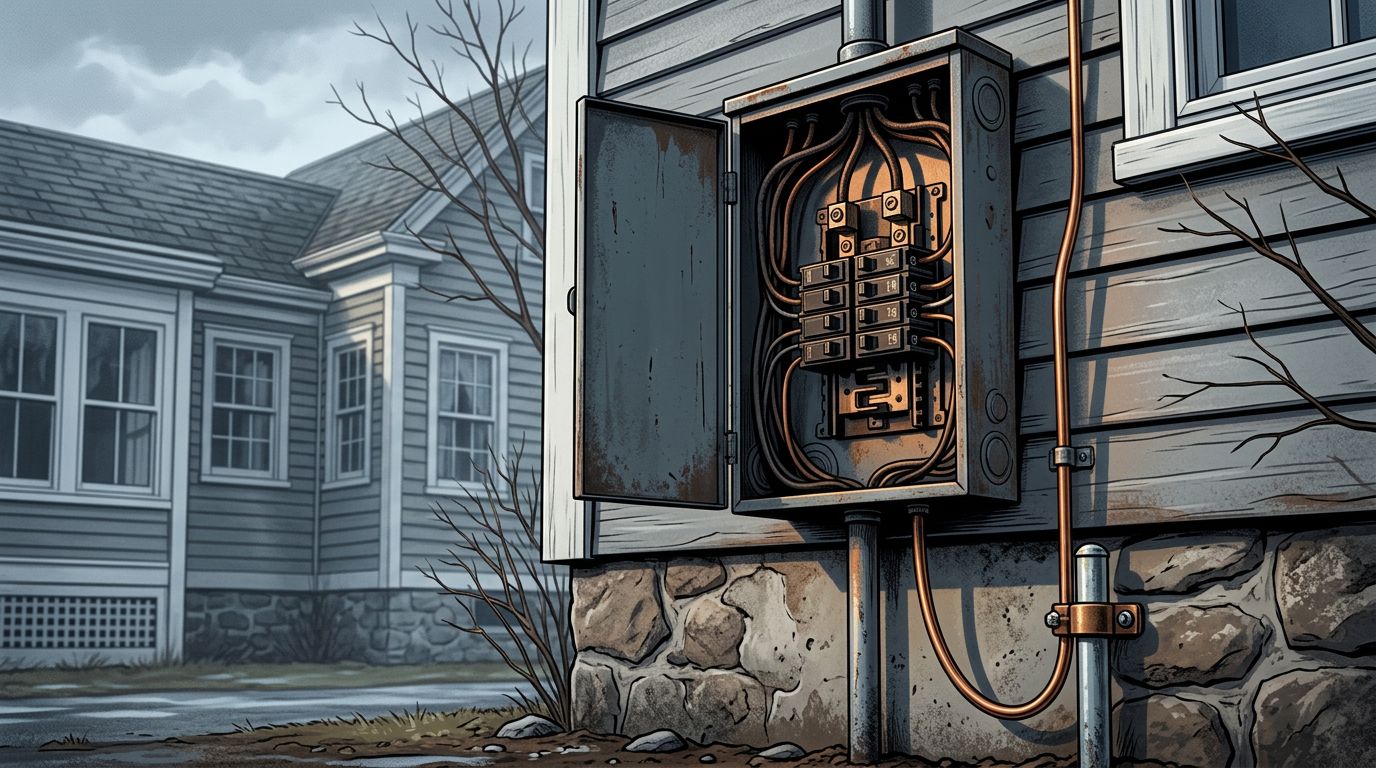
An old service panel can hide an important question: does your home have a compliant grounding electrode system? In Greater Boston, the answer depends on the home's age, existing electrodes, soil conditions, and the electrical work planned.
A ground rod isn't automatically required in every older home. However, service upgrades, panel replacements, additions, and other permitted work can require changes. The safest answer comes from a Massachusetts-licensed electrician and the local electrical inspector.
Key Takeaways
- Massachusetts currently enforces an electrical code based on the 2020 National Electrical Code , not the 2023 edition.
- Older homes may have metal water piping or other electrodes, but those systems still need to meet current requirements when work is performed.
- A typical ground rod is at least 8 feet long and 5/8 inch in diameter, unless a listed smaller rod is approved for the application.
- One rod must demonstrate a resistance of 25 ohms or less. Otherwise, the electrician must install a supplemental electrode.
- Grounding work, permits, bonding, and inspections should be handled by a qualified Massachusetts-licensed electrician.
Why Older Greater Boston Homes Need a Closer Review
Many homes in Cambridge, Somerville, Medford, Waltham, and nearby communities were built long before modern electrical standards. Their service equipment may include fuse panels, early breaker panels, cloth-insulated wiring, outdated grounding methods, or connections that have changed over several renovations.
A grounding electrode connects the electrical system to the earth. A ground rod is one type of grounding electrode. Other examples include a concrete-encased electrode in a foundation, qualifying building steel, and metal underground water piping.
The grounding electrode system helps stabilize the electrical system and provides a path for certain fault and surge currents. It does not replace equipment grounding conductors inside branch circuits. It also doesn't make an unsafe panel, loose connection, or damaged wiring safe.
Older installations can be confusing because the rules have changed over time. Before the 2002 NEC, a ground rod wasn't explicitly required at every single-family structure when another electrode, such as metal water piping, was present. Later code changes clarified grounding electrode requirements for structures and required supplemental protection in certain situations.
That history matters when an existing home has no visible rod. A lack of one doesn't automatically prove the system is unsafe or illegal. The electrical inspector will consider the installation's age, previous permits, current condition, and the scope of new work.
Greater Boston properties also create practical challenges. Tight lots, paved driveways, ledge, old stone foundations, and finished basements can make electrode work more difficult. An electrician may need to locate existing conductors, identify buried utilities, and determine whether an older electrode is still continuous and properly bonded.
Current Massachusetts Ground Rod Requirements
As of July 2026, Massachusetts enforces an electrical code based on the 2020 NEC . Local electrical inspectors apply that code during permitted work and inspections. The Massachusetts Board of Electrical Construction oversees state electrical licensing and code adoption, while the local inspector handles approval for a specific property.
Under NEC requirements commonly applied to residential service work, a rod or pipe electrode must meet several basic standards:
- It must be at least 8 feet long and in contact with the soil.
- Copper, stainless steel, or zinc-coated steel are accepted materials for typical applications.
- A copper, stainless steel, or zinc-coated steel rod is generally at least 5/8 inch in diameter , unless a smaller listed rod is approved.
- Aluminum rods aren't permitted for grounding electrodes in soil because of corrosion concerns.
- The rod is normally installed vertically. If rock prevents that, the code allows an installation at no more than 45 degrees from vertical. If that still isn't practical, the rod may be placed in a trench at least 30 inches deep.
- The top should be flush with or below finished grade unless the electrician protects it from physical damage.
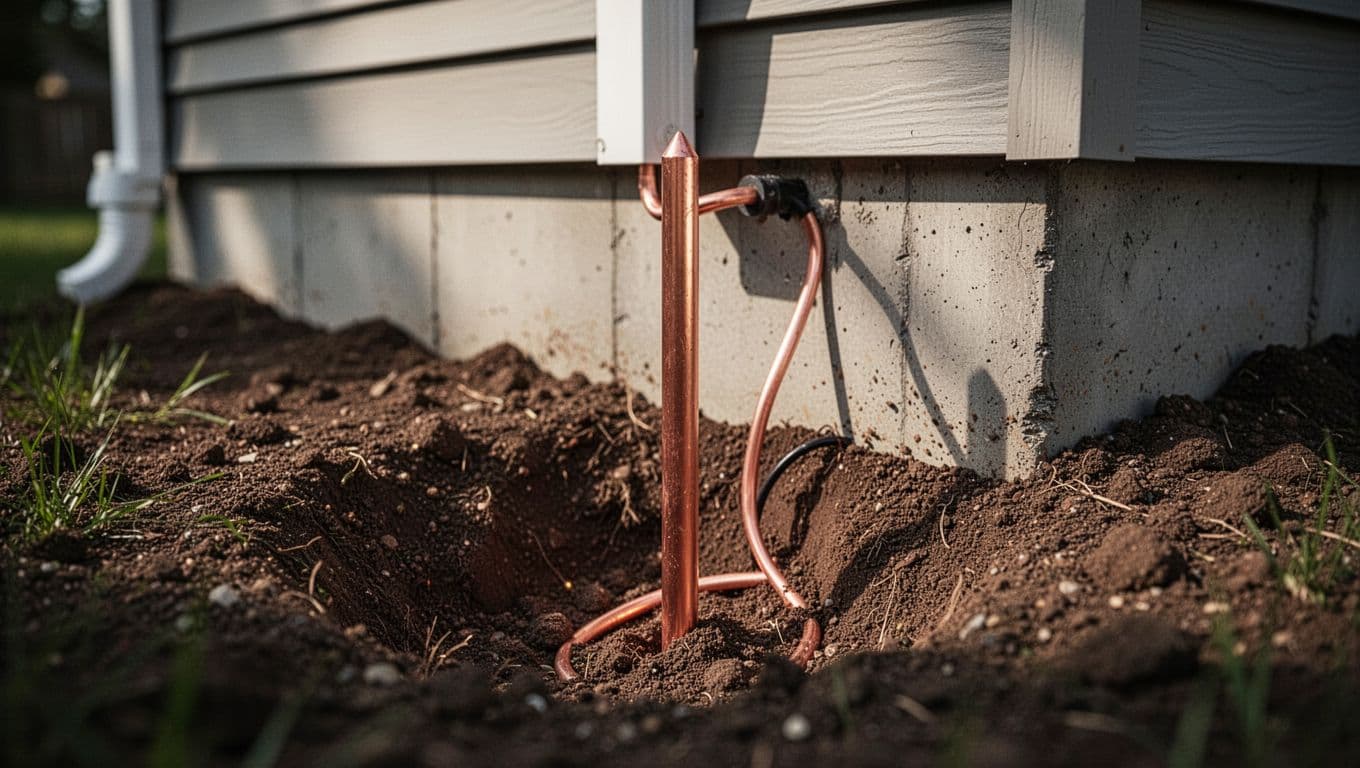
The code also addresses resistance. A single rod must demonstrate a resistance of 25 ohms or less to qualify as the sole rod electrode. Electricians use specialized testing equipment to make that determination. Soil moisture, soil composition, depth, and nearby buried metal can affect the result.
If the single rod doesn't meet the resistance requirement, the electrician adds a supplemental electrode. Two rods must be at least 6 feet apart . Many service upgrades use two rods because the site may not be tested, the soil may be difficult, or the inspector may require a design that provides a clear margin for compliance.
The grounding electrode conductor connects the electrode system to the service equipment. For one or two rods, the conductor generally doesn't need to be larger than 6 AWG copper , even when the home has a larger electrical service. That sizing rule applies only in the circumstances covered by the code. A concrete-encased electrode has different limitations, so the electrician must evaluate the complete system rather than select a wire by service size alone.
These dimensions describe common code requirements, not instructions for a homeowner to perform the work. Service equipment remains energized in many situations, and underground utility lines may be nearby.
Water Pipes, Concrete Electrodes, and Service Upgrades
An older home may already have a grounding electrode that isn't visible from outside. For example, the service could connect to metal underground water piping, a concrete-encased electrode, or building steel. An electrician must inspect and test those connections before deciding whether a new rod is needed.
Metal underground water piping presents a common issue. When it qualifies as a grounding electrode, the code requires a supplemental electrode. A ground rod is often used, but the accepted solution depends on the home's existing electrodes and the inspector's interpretation of the installation.
A concrete-encased electrode, often called a Ufer ground, may be present in newer foundation work or an addition. If a qualifying electrode exists, the electrician must determine how it connects to the service grounding system. Concrete-encased electrodes also have different conductor sizing rules than rods.
The connection matters as much as the rod itself. The conductor must use an approved clamp or other listed connection, follow the required routing, and remain protected from damage. Bonding must also connect metal water piping and other required metal systems so that dangerous voltage differences don't develop between them.
A service upgrade is the most common time an older grounding system receives attention. Moving from 100 amps to 200 amps may require new service conductors, a new meter arrangement, panel work, bonding changes, and grounding electrode work. A new EV charger, heat pump, generator, or major addition can also trigger a review.
Before planning a larger service, homeowners should understand the difference between capacity and grounding. A 200-amp service doesn't automatically solve an outdated grounding system. The service, panel, grounding electrode conductor, bonding, and feeder equipment must work together.
If you're comparing service sizes, this 100 amp vs 200 amp service comparison can help explain why a load calculation matters before work begins.
What Happens During an Electrical Inspection
A qualified electrician usually starts by examining the service entrance, meter area, panel, grounding conductors, bonding jumpers, and visible electrode connections. The electrician may also check for metal water piping, foundation electrodes, structural steel, and previous alterations.
The inspection is not limited to whether a copper rod is visible. It may reveal a disconnected conductor, an improper clamp, corrosion, an undersized connection, or a water pipe that no longer runs continuously into the earth because someone replaced part of the plumbing with plastic.
When permitted work is planned, the process commonly includes:
- Reviewing the home's existing electrical system and the proposed scope.
- Identifying the electrodes that are present and determining what the code requires.
- Preparing the permit application for the local building or electrical department.
- Completing the work with listed materials and approved connections.
- Scheduling the required inspection with the local electrical inspector.
The local inspector has authority over the final approval. Requirements can vary based on the property, the work being performed, site conditions, and local enforcement practices. An experienced contractor should coordinate with the inspector rather than promise that one particular arrangement will pass every home.
Homeowners shouldn't drive rods, open service equipment, disconnect grounding conductors, or test electrode resistance without proper training and equipment. Grounding work can involve shock hazards, buried utilities, and damage to finished surfaces or masonry.
If the service equipment is already being replaced, ask for a written description of the proposed grounding work. The estimate should identify whether it includes new rods, a grounding electrode conductor, bonding corrections, permits, utility coordination, and inspection support. For broader budgeting, review this guide to electrical service upgrade cost in Greater Boston.
Signs Your Home's Grounding Needs Review
Some warning signs deserve an electrician's attention, especially before remodeling or adding high-demand equipment:
- The home has an old fuse panel or an early breaker panel.
- The service has no visible grounding electrode conductor.
- A previous owner added an addition, finished basement, pool, generator, or workshop without clear permit records.
- Metal water piping is present, but bonding connections are missing or corroded.
- The panel shows signs of overheating, loose conductors, rust, or amateur alterations.
- The home is being prepared for an EV charger, heat pump, electric range, backup generator, or service upgrade.
- An inspection report mentions an open ground, improper bonding, or an outdated service.
An outlet tester can identify some wiring problems, but it cannot confirm that the home's grounding electrode system meets current requirements. A proper evaluation requires access to the service equipment and, in some cases, specialized testing.
The cost depends on site conditions and the work scope. A straightforward rod and conductor installation may be a small part of a larger service project. Rock, concrete, buried utilities, difficult access, repairs to old service equipment, and required bonding changes can increase labor and materials.
Conclusion
Ground rod requirements for older Greater Boston homes depend on more than the home's construction date. Existing electrodes, previous code requirements, soil and site conditions, and the type of electrical work planned all affect the answer.
A ground rod may be required during a service upgrade, but an older home isn't automatically noncompliant because no rod is visible. Have a Massachusetts-licensed electrician evaluate the entire grounding electrode system, obtain the proper permit, and coordinate with the local inspector. That approach protects the home without relying on assumptions about what was installed decades ago.