
Electrical Insurance Inspection: A Homeowner Checklist

Contact Us
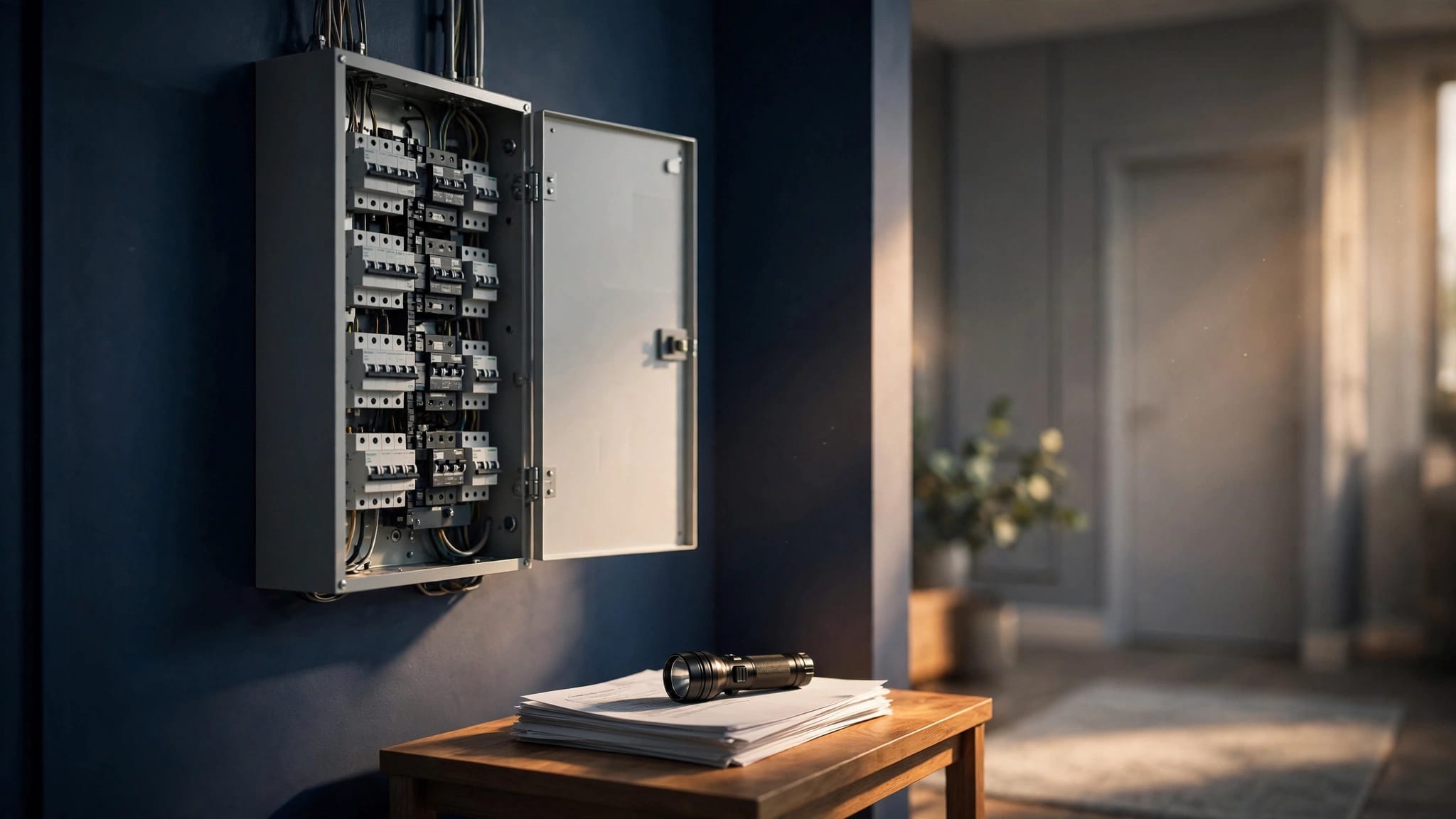
An inspector is coming, and you're wondering whether the old breaker panel or that flickering kitchen light will cause trouble. An electrical insurance inspection is easier to prepare for when you separate what you can safely observe from what needs an electrician's assessment.
You don't need to diagnose wiring or make last-minute changes. Start by confirming what your insurer wants, then gather records, clear access, and address known hazards before the visit.
What an electrical insurance inspection may cover
Insurance inspections aren't identical. A carrier may arrange a general property visit, request photos, ask about the age of the electrical system, or require a report from a licensed electrician. Requirements can differ by insurer, location, the home's condition, and the reason for the review.
Confirm the scope before you prepare
Ask your insurer or agent who will perform the inspection and whether they need access to the electrical panel, meter, outlets, or other equipment. Find out whether they want a written electrician's report, permits, or proof of completed repairs. Also confirm the deadline and how to submit documents.
If the request mentions a particular concern, such as older wiring, get the wording in writing. That gives an electrician a clear question to address.
Know the difference between inspections
An insurer's representative may document visible conditions without conducting a full electrical evaluation. A licensed electrician can examine accessible wiring, breakers, outlets, and grounding concerns in greater detail. A municipal permit inspection has a separate purpose: the local authority reviews permitted work.
If you're unsure which appointment you need, review when to schedule a home electrical inspection and clarify the insurer's request before booking.
Your safe preparation checklist
A walkthrough helps you organize information without opening equipment or testing wiring. Use this checklist before the appointment:
- Confirm the inspection date, areas the visitor needs to see, and any documents the insurer requested.
- Clear a safe path to the electrical panel, meter, and accessible electrical equipment.
- Look for visible damage, discoloration, moisture, or missing covers without touching questionable equipment.
- Note recurring symptoms, including breaker trips, flickering lights, buzzing, or outlets that feel warm.
- Gather invoices, permits, inspection approvals, and reports for past electrical work.
- Arrange a licensed electrician's assessment for known problems or any report the insurer requires.
Don't remove a panel cover or handle exposed wiring for the sake of an inspection. If moving stored items would put you near damaged equipment or standing water, leave the area alone and tell the inspector. Preparation should make conditions easier to see, not conceal them.
Check visible electrical issues without taking risks
You know how your home behaves day to day. That makes your observations useful, even though they can't replace an electrician's testing.
Note damage and unusual symptoms
From a safe distance, look at accessible outlets, switches, light fixtures, and visible wiring. Cracked faceplates, missing covers, exposed conductors, scorch marks, and water stains all deserve attention. Also write down where lights flicker or breakers repeatedly trip.
Tell the electrician when a symptom happens. For example, note whether the kitchen lights dim when an appliance starts, or whether one breaker trips during normal use. These details help narrow the search without asking you to troubleshoot.
Treat heat, odors, and shocks as urgent
A warm outlet, buzzing panel, burning smell, or shock from an appliance calls for prompt professional help. Stop using affected equipment and keep people away. If there's smoke or fire, leave the area and call emergency services.
Don't wait for the scheduled electrical insurance inspection to report an active hazard. A routine appointment may not be soon enough, and an insurance visitor isn't there to make emergency repairs.
Make the panel and equipment accessible
Inspectors and electricians need to reach equipment safely. Clearing the area also lets them see visible concerns without shifting boxes or working around household storage.
Clear the path, not the equipment
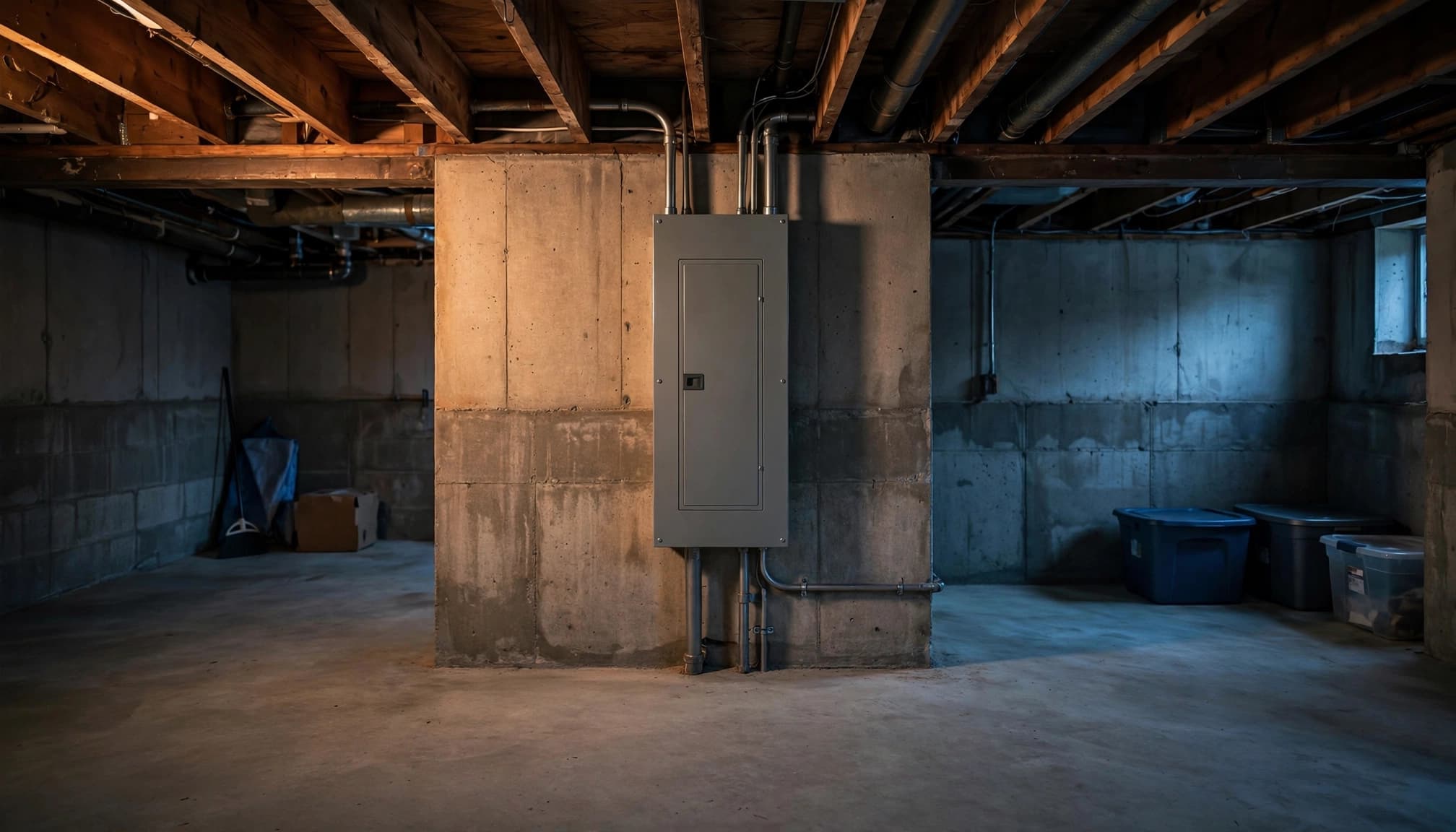
Move boxes, furniture, and other stored items away from the panel area. Make sure doors and access routes open normally. If the meter is outdoors, check that the path to it is passable, but don't disturb utility equipment or remove covers.
Don't hang items on conduit or place belongings against electrical equipment. If water, damaged wiring, or signs of overheating make an area unsafe to approach, leave it as it is and call a professional.
Identify additions around the home
Tell the inspector about a generator, EV charger, solar equipment, or recently installed heating and cooling equipment if it falls within the requested scope. These additions may have their own disconnects, circuits, and installation records.
You don't need to operate unfamiliar switches to demonstrate them. An electrician can identify equipment and explain how it connects to the home's system.
Give older wiring and panels a closer look
Many Greater Boston homes have electrical work from different decades. Age alone doesn't tell you whether a system is unsafe, but older components and later alterations may warrant an assessment.
Ask about wiring, not appearances
If a previous inspection mentioned knob-and-tube wiring, aluminum wiring, or ungrounded outlets, share that finding with the electrician and insurer. Don't assume visible wiring tells the whole story. An electrician can determine what remains active and whether past changes introduced hazards.
A three-prong outlet also doesn't prove a circuit has an equipment ground. Likewise, the presence or absence of GFCI or AFCI protection needs evaluation in the context of the installation and applicable requirements.
Have panel concerns evaluated
Repeated breaker trips, heat damage, moisture, and questionable modifications deserve professional review. An older panel may raise insurer questions, but replacement isn't automatic. Sirois Electric's discussion of insurance concerns with older Wadsworth panels makes that distinction: assess the actual condition before deciding what work is needed.
If you're seeing symptoms, warning signs your electrical panel needs an upgrade can help you describe them when you call. Leave diagnosis and any panel work to a licensed electrician.
Gather records of repairs and upgrades
Good paperwork helps answer a practical question: what work was done, when was it done, and who did it? Put the documents in one folder before the visit.

Start with completed work
Look for electrician invoices, permits, final inspection approvals, and previous electrical reports. Records for a panel replacement, rewiring, generator connection, or EV charger installation may be useful if the insurer asks about those systems. Keep any written repair recommendations alongside proof that the work was completed.
Missing paperwork doesn't prove the work was improper. Tell the insurer what you have and ask whether an electrician's current assessment would answer its question.
Keep findings and fixes together
If an electrician identifies a defect, save the written finding, repair invoice, and any required approval. That trail is clearer than a verbal assurance that "everything was fixed."
In Massachusetts, permitted electrical work may involve review by the municipality's Inspector of Wires. Ask your electrician which permits and approvals apply to the work at your home rather than assuming every older installation must meet every provision for new construction.
When to bring in a licensed electrician
Call before the insurer's visit if you've noticed hazards, can't explain previous work, or have been asked for a professional report. Give the electrician the insurer's exact request and describe any symptoms. That helps them plan an appropriate assessment.
Sirois Electric offers electrical system inspections and detailed reporting in the Metro and Greater Boston area. Its inspection service examines wiring, outlets, and panels. When comparing providers, ask whether the report will address the concerns your insurer named.
A professional inspection can identify a targeted repair instead of an unnecessary replacement. If panel replacement is recommended, request a separate scope and estimate for breaker panel installation and replacement. Ask what work requires a permit and how the electrician will document completion.
Never hire an unlicensed person to repair energized equipment or make a defect look acceptable for the appointment. Unsafe work can leave the original problem in place.
What to do after the inspection
Ask for the findings in writing, whether they come from the insurer or an electrician. Identify which items need prompt attention, which require further evaluation, and which are future improvements.
Resolve safety concerns first
Exposed live parts, signs of overheating, damaged insulation, and unsafe connections need prompt professional evaluation. For less urgent work, ask the electrician for a repair plan and written estimate. Don't assume every recommendation calls for a whole-house rewire or service upgrade.
If the insurer sets a deadline or requests a particular correction, confirm its expectations before work begins. The electrician can then document the repair in a way that addresses the request.
Send proof and confirm receipt
Keep copies of reports, invoices, permits, and final approvals. Submit only the materials the insurer requests, using its preferred method, and confirm that it received them. If follow-up inspection is required, arrange it rather than assuming an invoice closes the matter.
Repairs can improve safety, but no contractor can promise an insurer will approve coverage or offer a discount. The carrier makes that decision under its own rules and policy terms.
Key Takeaways
- Confirm the insurer's scope, deadlines, and documentation requirements before scheduling work.
- Clear access and record visible symptoms, but don't open panels or handle questionable wiring.
- Use a licensed electrician for hazards, repairs, and any professional report the insurer requests.
- Keep findings, repair records, and approvals together so you can answer follow-up questions.
Frequently Asked Questions
Do I need an electrician before every home insurance inspection?
No single rule applies to every insurer or home. Ask whether the carrier requires an electrician's report or a particular repair. Even without that requirement, known hazards warrant professional attention before a routine visit.
Will an old electrical panel fail the inspection?
Age alone doesn't settle the question. An insurer may ask about an older panel, while an electrician can assess its condition, installation, and suitability for the home's electrical needs. Confirm any insurer-specific requirement before approving a replacement.
Can I inspect my own electrical system first?
You can safely note visible conditions, gather records, and describe symptoms. Leave testing, opening equipment, and repairs to a licensed electrician. A homeowner walkthrough isn't a substitute for a professional assessment.
Prepare for the Visit, Not Just the Paperwork
The flickering light that first made you worry about the inspection deserves more attention than a tidy folder alone. Safe preparation means reporting the symptom, giving professionals access, and keeping a clear record of what they find and fix.
Once you know what your insurer requires, you can focus on the work your home needs without guessing or taking electrical risks.