
Why Does an AFCI Breaker Trip With Nothing Plugged In?

Contact Us
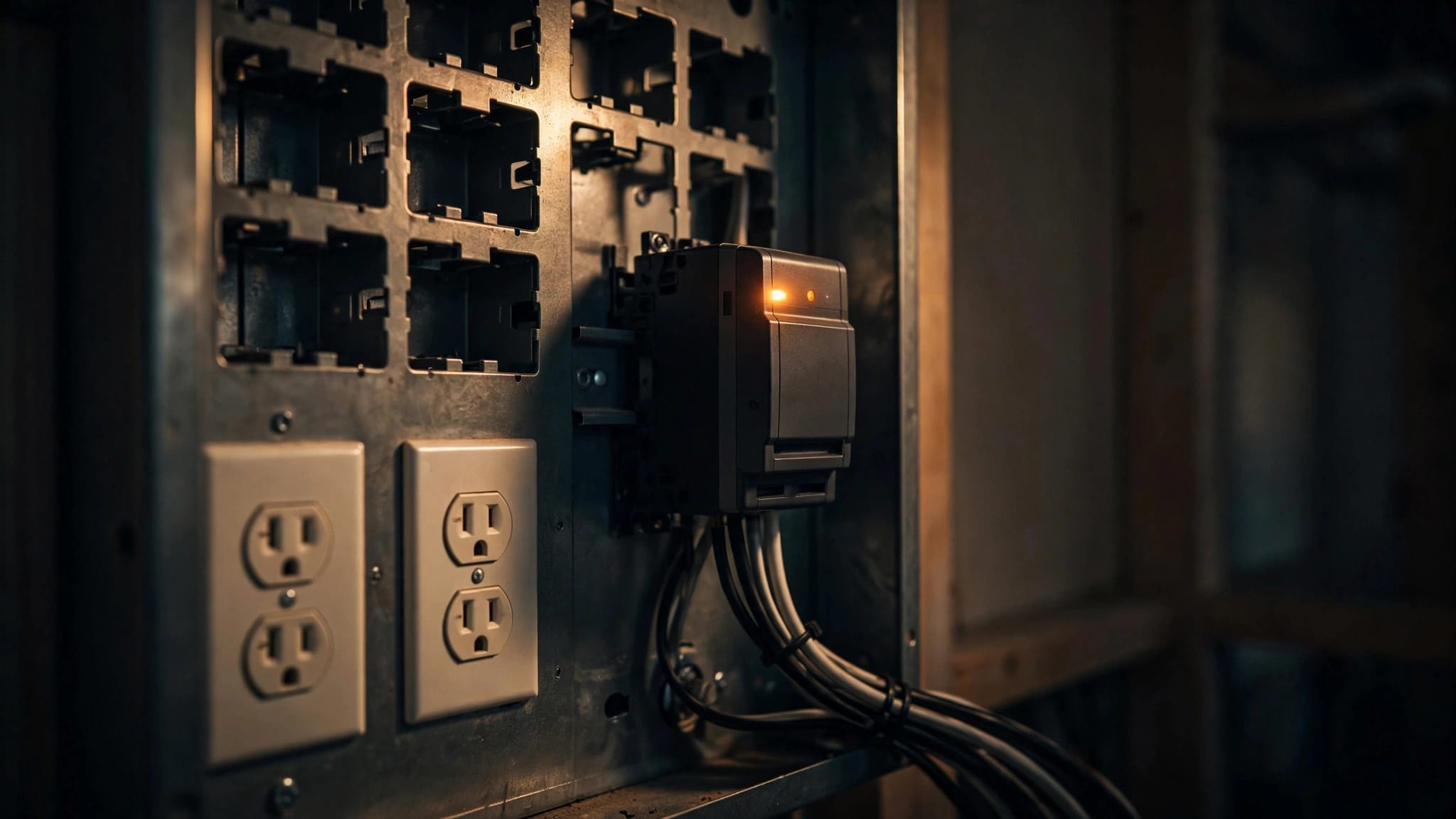
An AFCI breaker can trip even when every visible outlet is empty because it protects an entire circuit, not just the receptacles you can see. A hardwired light, a loose connection, damaged wiring, or the breaker itself may be involved.
An occasional trip doesn't automatically identify the cause. Repeated trips need attention , especially when you can't connect them to a portable device. Start by considering what else the circuit may supply.
What Causes an AFCI Breaker to Trip?
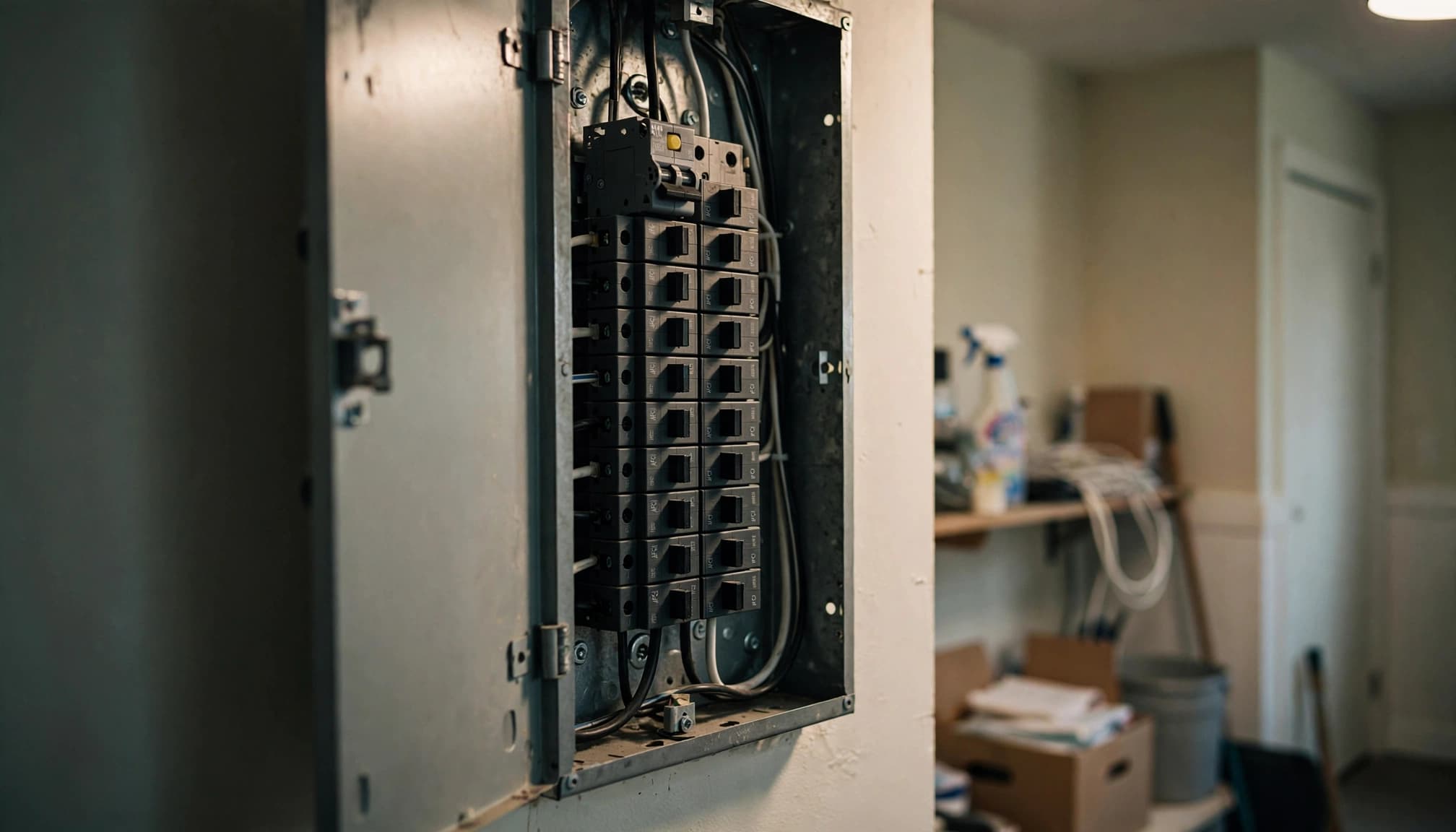
An arc-fault circuit interrupter, or AFCI, looks for electrical patterns associated with arcing. It can also trip because of an overload or short circuit. Some breakers combine AFCI and ground-fault protection, so more than one type of fault may be involved.
Connected Equipment You Can't Unplug
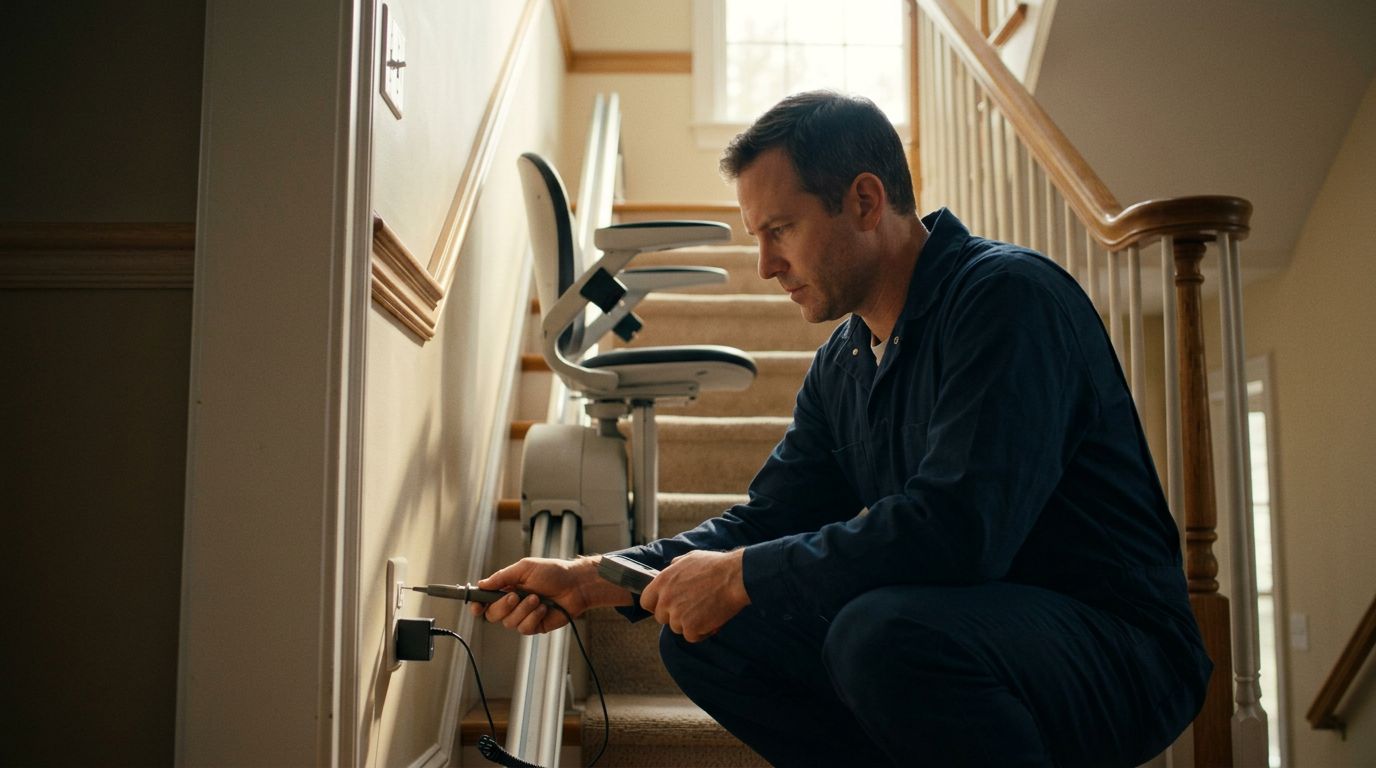
Empty receptacles don't mean the circuit has no load. It may also supply ceiling lights, switches, smoke alarms, or equipment connected directly to the wiring. Depending on the circuit, a boiler control or other hardwired device could be involved.
Equipment that cycles on its own can make a trip seem random. Note whether the breaker trips when a light comes on or equipment starts, but leave hardwired components connected. An electrician can examine them safely.
Outlets in Other Rooms
A single breaker may supply outlets or lights in more than one room. A device plugged in elsewhere could still be connected to the circuit, even if the outlets nearest the panel are empty.
Panel labels are a helpful starting point, but older labels may not account for past renovations. If a trip tends to happen overnight, the timing of equipment cycles can offer a clue. Our guide to nighttime breaker trips covers common patterns.
Wiring Problems Can Trip an AFCI
A breaker may respond to a problem in the circuit itself. Some faults occur behind finished walls or inside boxes, so an empty outlet won't rule them out.
Loose Connections and Damaged Insulation
A loose connection at a receptacle, switch, light fixture, or junction box can produce arcing when current flows. Damaged insulation or a pinched wire can also create a fault. Wear, moisture, or damage from rodents may affect wiring that isn't visible.
A trip may happen only when a connected light or appliance runs. Flickering, buzzing, warmth, or discoloration near a switch or outlet are reasons to stop using the circuit and call an electrician.
Shared Neutral Problems
Some older circuits share a neutral conductor. That arrangement isn't automatically unsafe, but an incorrect neutral connection or an incompatible protective device can cause an AFCI to trip.
The issue may be hidden in a junction box or panel, rather than at an outlet. Our explanation of shared neutral circuits describes why these systems need careful identification before repairs.
Could the Breaker Cause a Nuisance Trip?
An AFCI breaker can fail, and some electronic loads may produce signals that lead to an unwanted trip. A breaker that's incompatible with the panel or circuit configuration can also be part of the problem.
An Unwanted Trip Still Needs a Cause
A nuisance trip means the device has operated without a hazardous arc fault. It doesn't mean every unexplained trip is harmless. A loose connection or damaged component can produce an intermittent problem that looks much the same to someone using the circuit.
If the breaker trips each time a particular device starts, record that pattern. For hardwired equipment, leave the circuit off and have an electrician investigate rather than trying to disconnect the device.
AFCI and GFCI Protection Differ
AFCI protection responds to patterns associated with arcing. GFCI protection responds to current flowing along an unintended path, which can present a shock hazard. A dual-function breaker provides both types of protection, so moisture or another ground fault may also be relevant.
The distinction between AFCI and GFCI protection helps explain why a trip doesn't always point to a single kind of fault.
How to Narrow Down the Cause Safely
You can collect useful information without opening the panel or touching wiring. Start with the breaker label and note the rooms or equipment that lost power. Avoid assuming the label lists everything on the circuit.
Next, record when the trip occurred and what was running. A light switching on, a motor starting, or a recurring time of day may help an electrician find the problem. If portable devices are connected elsewhere on the circuit, unplug them only when the plugs and outlets are dry, undamaged, and safe to touch.
If the breaker trips again after one reset, leave it off and arrange service. Don't keep resetting it, remove the panel cover, hold the handle in place, or replace the breaker with a standard or higher-amperage model.
When to Call an Electrician
Call an electrician if the breaker trips again, won't stay on, or trips with portable loads disconnected. Also seek help if lights flicker, an outlet feels warm, or you hear buzzing or crackling.
A burning smell, visible scorching, or moisture near electrical equipment calls for prompt attention. Don't touch damaged or wet equipment. If you see smoke or fire, move away and call the fire department.
An electrician can trace the affected circuit and determine whether the repair involves a connection, wiring, equipment, or the breaker. At Sirois Electric, we provide electrical troubleshooting and repair for homes and businesses in Greater Boston.
Take Recurring Trips Seriously
An empty outlet doesn't tell you everything connected to a circuit. Hardwired equipment and concealed wiring can still be involved.
The safest next step is to note the pattern and leave a repeatedly tripping breaker off. A proper diagnosis addresses the cause while keeping the circuit's protective features in place.