How Electrical Infrared Scanning Finds Hidden Hot Spots

Contact Us
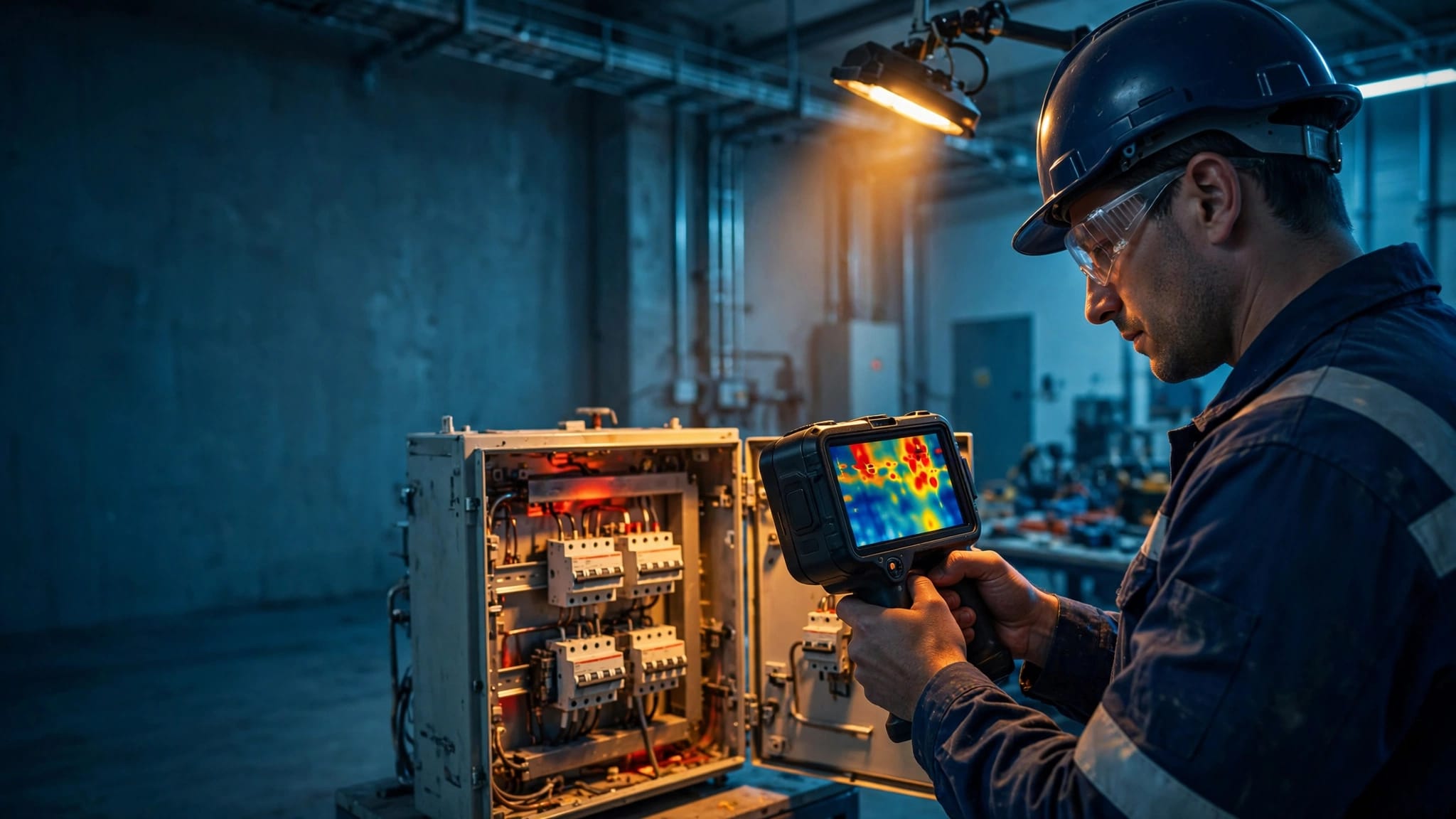
Electrical infrared scanning helps find unusually hot components in commercial electrical equipment before damage becomes visible. A thermal camera measures infrared radiation emitted by accessible surfaces and turns it into an image that shows temperature differences.
For a business owner, the value is early information for maintenance decisions. A scan can point an electrician toward equipment that needs attention, but the image alone doesn't explain every problem. Understanding how the inspection works makes the findings easier to use.
How Electrical Infrared Scanning Works
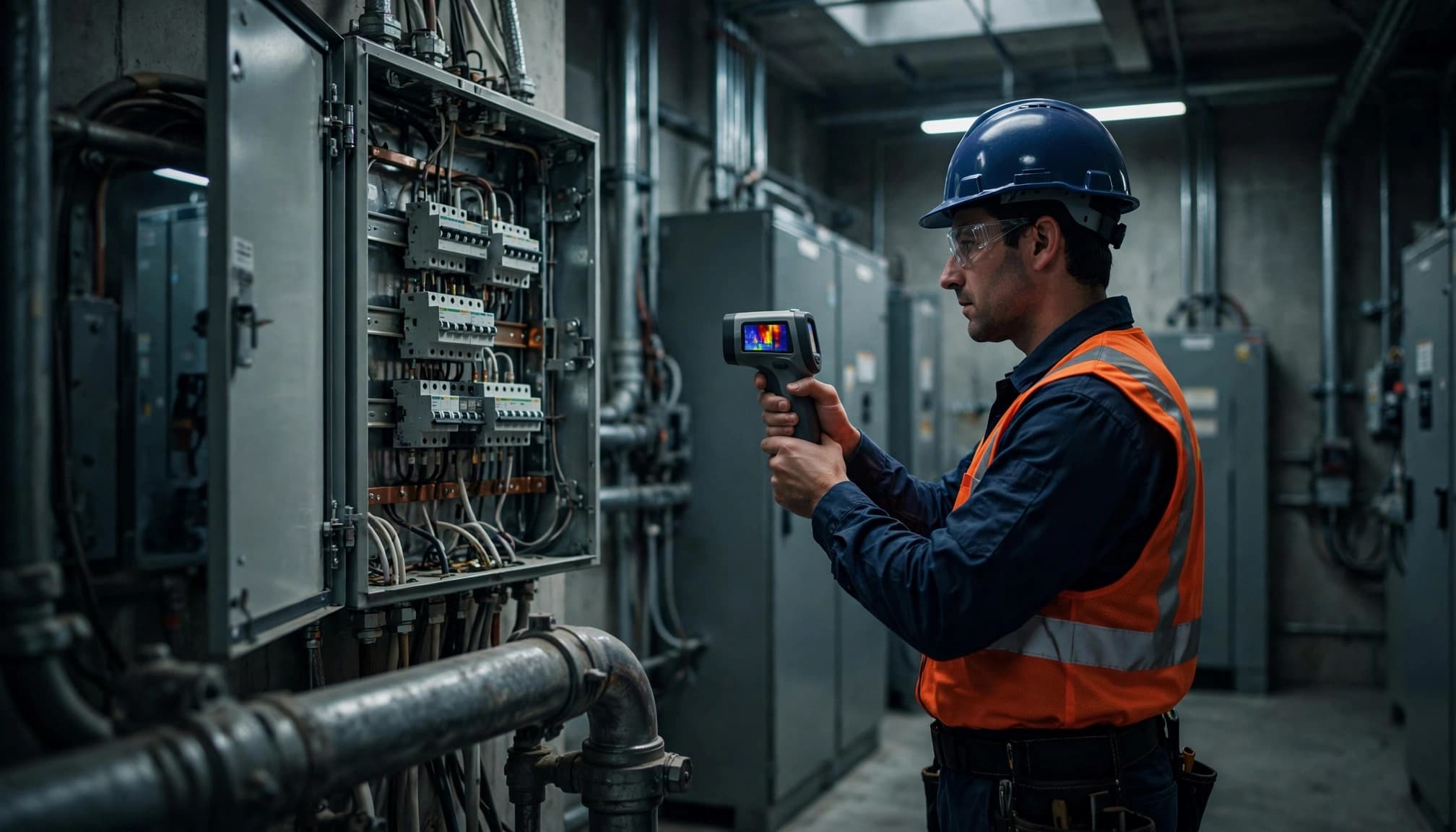
A thermal camera detects infrared energy emitted by a surface. Its display assigns colors or shades to temperature differences, helping the inspector compare one area with another.
What the camera can reveal
An electrical connection can look normal to the eye while its accessible surface appears warmer than similar components nearby. The camera gives the inspector a way to document that difference without touching the component.
For example, an electrician may compare accessible breaker surfaces or terminals serving similar circuits. A noticeably different thermal pattern can identify an area that deserves further investigation. The image can also help the electrician explain the finding to a property manager who wasn't present during the inspection.
What the image doesn't tell you
A thermal image shows a surface temperature pattern, not a complete diagnosis. Different equipment can operate at different temperatures during normal use, so a warmer area isn't automatically defective.
The camera also can't see through a metal panel cover or a finished wall to show the exact condition of a concealed connection. A scan complements visual inspection and electrical testing; it doesn't replace them. Our guide to troubleshooting a hot circuit breaker explains how an electrician investigates heat alongside other symptoms.
Which Commercial Electrical Equipment Can Be Scanned?
The inspection scope depends on the property, the equipment involved, and what can be accessed safely. A small retail space may have a main panel and several pieces of dedicated equipment. A larger facility may have multiple distribution panels and motor controls.
Panels and distribution equipment
Commercial scans often focus on equipment that distributes power throughout the building. That can include accessible breakers, terminals, feeder connections, and other components in panelboards or switchgear.
Inspectors may also examine accessible disconnects and distribution equipment serving major loads. The goal is to identify temperature patterns that differ from comparable components or appear unusual for the equipment's operating conditions.
Access matters. Some components remain covered or enclosed, and opening equipment requires a safety assessment. The inspector documents those limits rather than treating an exterior image as a complete view of everything inside.
Equipment serving major loads
A scan may include accessible electrical connections at motor-control equipment, heating and cooling systems, or other machinery. In a restaurant, equipment serving refrigeration or cooking operations may be relevant. In an office building, the inspection might include distribution equipment serving heating and cooling.
The electrical system's layout and operating schedule help determine what to inspect. A useful scope identifies both the equipment included and important equipment that couldn't be evaluated.
What Happens During an Infrared Inspection?
A commercial inspection starts with a conversation about the building and its equipment. The electrician needs to understand which systems are important to operations and when those systems normally run.
Planning access and operating conditions
Before scanning, the electrician reviews the available equipment and determines how to access it safely. Panel locations, working space, equipment condition, and business operations all affect the plan.
Operating conditions matter because electrical components don't produce the same thermal picture when equipment is off as they do when it's carrying power. A scan performed while a major system isn't running may provide limited information about that system.
The business can help by identifying normal production periods or times when heating, cooling, and other significant equipment operate. The electrician then works within the site's safety procedures and the equipment's access limitations.
Capturing and comparing images
During the inspection, the electrician uses the thermal camera to examine accessible equipment and record areas that need attention. Depending on the scope, the report may pair thermal images with ordinary photographs so the location is easier to recognize later.
The inspector considers the equipment type, operating load, and surrounding conditions when reviewing an image. Comparisons are most useful when components have similar functions and operating conditions. A camera reading alone doesn't establish whether a component needs repair.
Only qualified personnel should open electrical equipment or work near exposed energized parts. An infrared camera doesn't remove the hazards associated with access.
Why Temperature Readings Need Context
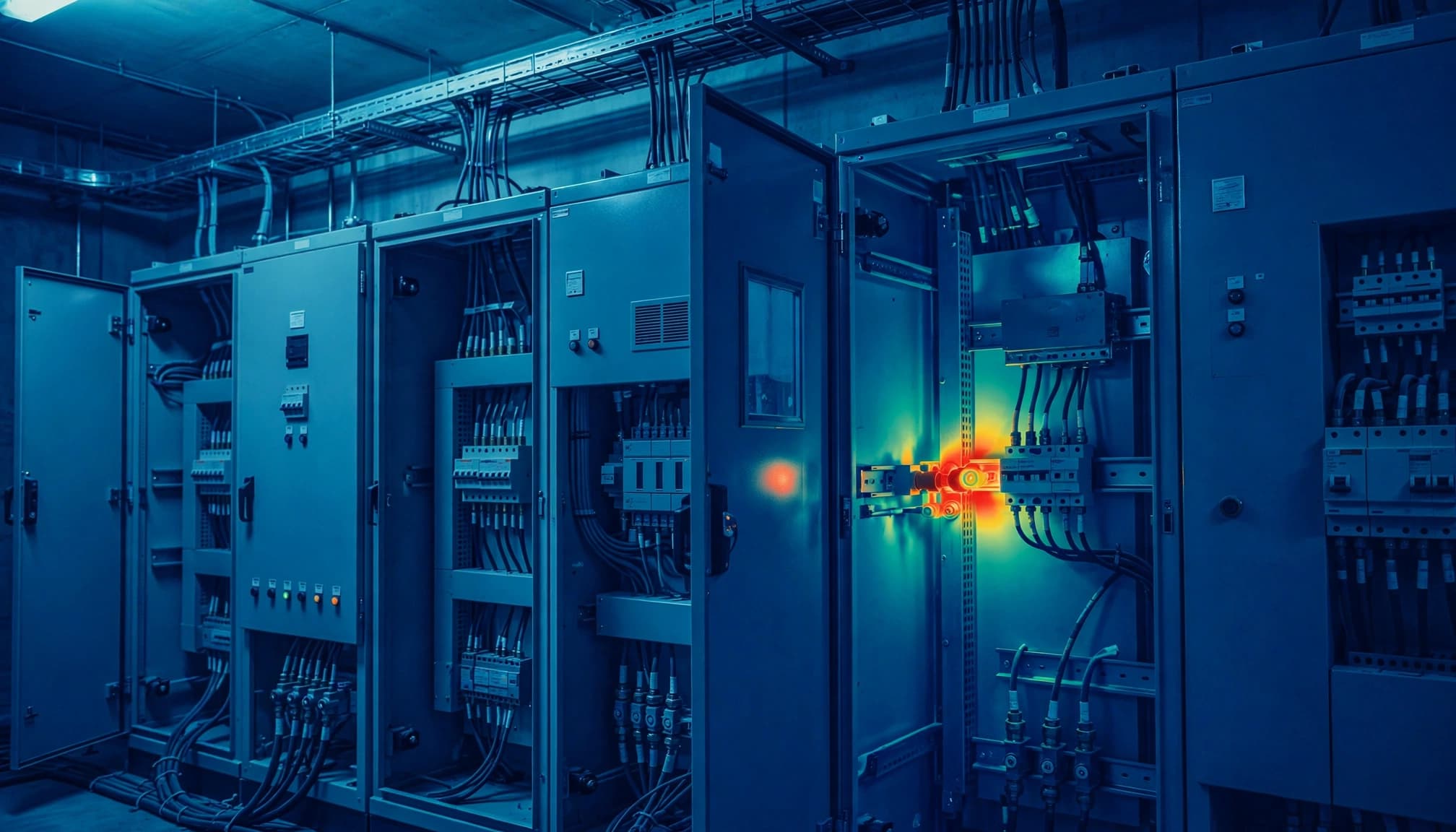
A thermal image can make a warm area easy to spot, but interpreting that image takes more than finding the brightest color. The electrician needs to understand what the component does and how the system was operating during the scan.
Load and operating conditions
Electrical equipment produces heat during operation. The amount visible in a scan depends in part on how the equipment is being used at that moment.
A circuit supplying active machinery may look different from an otherwise similar circuit with little demand. Likewise, equipment that has been running for a while can show a different pattern from equipment that has only just started. Recording those conditions helps make a later comparison more meaningful.
An image taken during a quiet period is still useful, but it may not show how the system behaves during the building's busiest operations.
Surfaces and surroundings
The material being measured also matters. Shiny metal can reflect infrared energy from nearby objects, which can affect the apparent reading. Distance, viewing angle, and obstructions can limit what the camera records.
For that reason, a trained inspector considers the surface and surroundings instead of relying on color alone. If the view is restricted, the report should say so. A clear thermal image is valuable evidence, but it remains one part of the electrical evaluation.
What Happens After a Hot Spot Is Found?
A useful finding includes enough detail for someone to locate the equipment and decide what happens next. The electrician should identify the affected component, document the thermal pattern, and explain any limits that affected the inspection.
Testing and diagnosis
The next step may involve a closer visual examination, electrical measurements, or additional testing. Depending on the equipment and the circumstances, an electrician may measure current, check voltage, and look for visible heat damage.
This follow-up separates the image from the diagnosis. A warm breaker, for example, warrants evaluation of the breaker and its circuit rather than an assumption that the breaker alone needs replacement.
If access or testing requires an outage, the electrician can coordinate that work with the business. The approach depends on the equipment and the urgency of the finding.
Repair and follow-up
Once the electrician identifies the problem, the remedy may involve repairing damaged wiring or replacing a component. A breaker replacement also requires equipment that is appropriate for the panel and circuit.
After a repair, a follow-up scan under comparable operating conditions can help document the thermal pattern. It doesn't replace any electrical testing needed for the repair.
The report should distinguish between findings that need prompt attention and items suitable for planned maintenance. That distinction gives the business a clearer basis for scheduling work.
How Scans Support Maintenance Planning
An infrared scan gives property managers a record of electrical conditions at a particular point in time. When the report includes equipment locations and operating conditions, it becomes easier to compare findings with later inspections.
That record can help a maintenance team prioritize work around business operations. A finding on equipment that supports refrigeration, for example, may affect planning differently than one on a less time-sensitive circuit. The electrician's assessment still determines how urgently each condition needs attention.
Thermal imaging also fits within a wider maintenance program. Visual inspections, electrical testing, and repairs address issues a camera can't fully evaluate. Our commercial electrical maintenance checklist covers other tasks businesses can include in that program.
Finding an abnormal temperature early can create an opportunity to address a problem before equipment fails. However, a scan can't guarantee that a failure or interruption won't occur.
When Should a Business Consider a Scan?
A thermal inspection can be useful when a business wants a documented view of accessible electrical equipment under normal operating conditions. It may also be useful when equipment has changed, a building has undergone renovations, or electrical symptoms need investigation.
Tell the electrician about repeated breaker trips, flickering lights, unusual equipment behavior, or changes in the building's electrical use. Those details can help identify which circuits and equipment deserve attention.
The scope should fit the property. A retail shop, restaurant, and manufacturing facility may have different equipment and different times when important loads are operating. A scan should account for those differences rather than relying on a generic equipment list.
For a broader view of the services available to local properties, see our overview of commercial electrical inspections and services.
Electrical Warning Signs Need Prompt Attention
Don't wait for a planned scan if you notice a burning odor, buzzing or crackling, discoloration, melted material, or repeated breaker trips. Keep people away from the affected equipment and contact a licensed electrician promptly.
If there's smoke or fire, leave the area and call the fire department. Don't touch damaged equipment or attempt to open the panel.
Panel interiors can contain energized parts even when the main breaker is off. Our electrical panel breaker safety guidance explains why inspection and replacement belong to a qualified electrician.
Use Thermal Findings to Plan the Next Step
Electrical infrared scanning gives businesses a way to identify accessible areas of abnormal heat and document them for follow-up. The strongest result is a clear report paired with an electrician's assessment of what needs attention.
At Sirois Electric, we provide electrical inspections and repair services for Greater Boston properties. Contact us to discuss your equipment and the next step for your business.