
Electrical Red Flags in Older Greater Boston Homes

Contact Us
A charming older home in Greater Boston can hide expensive electrical problems behind fresh paint and new floors. The issue is that many of the worst older home electrical issues stay out of sight until you open the panel, look at the outlets, or trace the wiring in the attic and basement.
That matters before you make an offer. A house can feel move-in ready and still need major electrical work, and that can change your budget fast. If you know what to look for, you can tell the difference between a fixable upgrade and a warning sign that deserves a closer look from a licensed electrician.
Why older Boston houses need a closer electrical look
Boston, Cambridge, Somerville, Quincy, and the surrounding towns have a lot of homes with long repair histories. Some were built before modern electrical loads existed. Others were updated in pieces over the years, which often leaves a patchwork of old and new wiring.
That patchwork is where trouble starts. One room may have grounded outlets, while another still relies on two-prong receptacles. A basement may have a newer light, but the attic may still hold cloth-insulated wire. In other words, a home can look updated at the surface and still carry real risk behind the walls.
A professional home electrical inspection gives you a clearer picture than a quick walk-through. Ask for it before you remove contingencies, especially if the house is older than the 1970s or has a long list of visible repairs.
Service panels that are too old, too small, or too hot
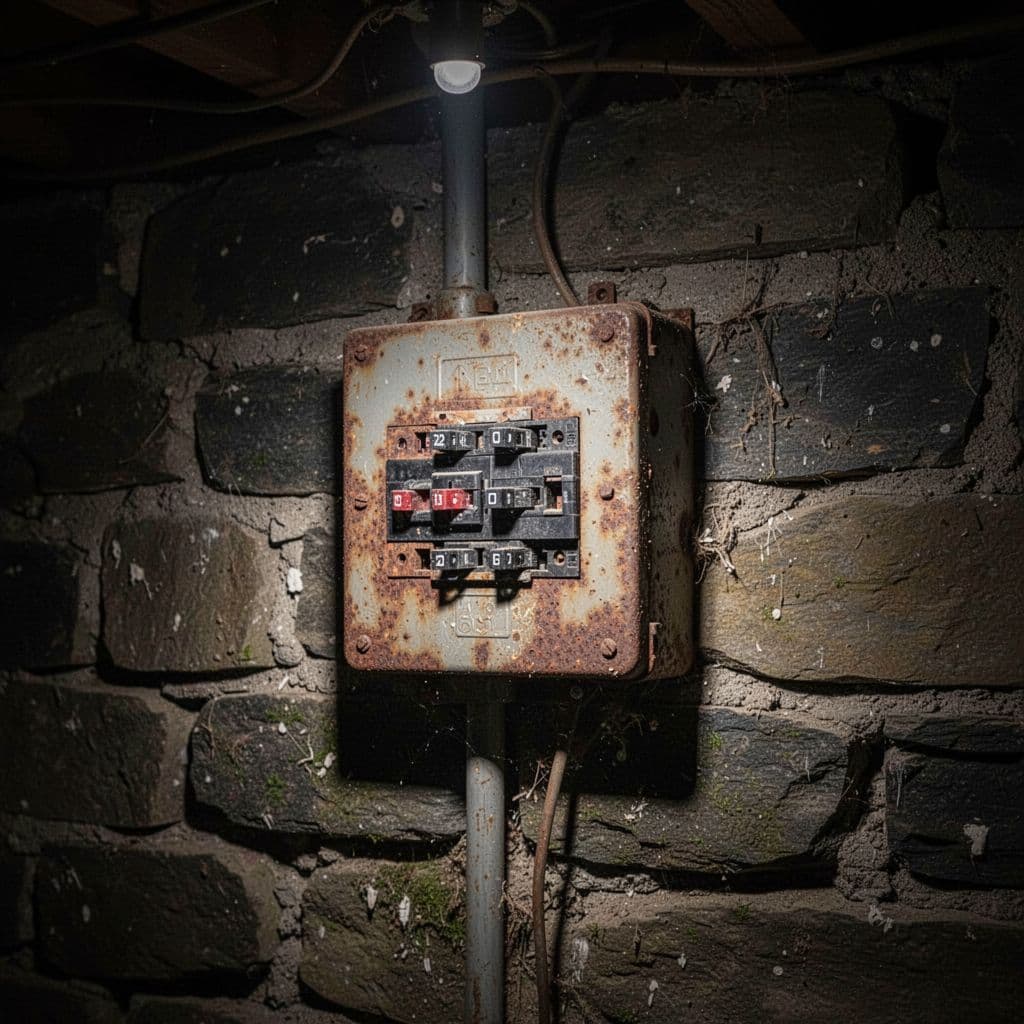
The panel is one of the fastest ways to spot trouble. A fuse box is a major clue that the home may still rely on outdated service. Even if it still works, it can be a sign that the system was built for a very different era of power use.
If you see an old panel, ask how much service the home has now and whether the panel can handle modern loads. Homes with electric ranges, heat pumps, EV chargers, or mini-splits may need more capacity than the original setup can provide. A panel that was fine for lamps and a refrigerator may struggle once you add today's appliances.
For a deeper look at common warning signs, see signs you need an electrical panel upgrade.
Watch for these panel red flags:
- Overloaded panels that look crowded or have too many circuits packed into a small space.
- Double-tapped breakers where two wires land on one breaker that was meant for one connection.
- Corrosion or moisture near the panel, which can point to leaks, bad drainage, or past flooding.
- Scorch marks, rust, or a burnt smell , which can mean heat damage.
- Outdated or undersized service , especially if the panel can't support the home's current and future needs.
Heat, rust, and moisture near a panel are not bargain points first, safety issues first.
Some panel issues are negotiation points. An older but stable panel with enough capacity for the home may justify a repair credit. Heat damage, repeated tripping, corrosion, or water intrusion call for a licensed electrician to inspect before you move forward.
Wiring materials that should raise questions
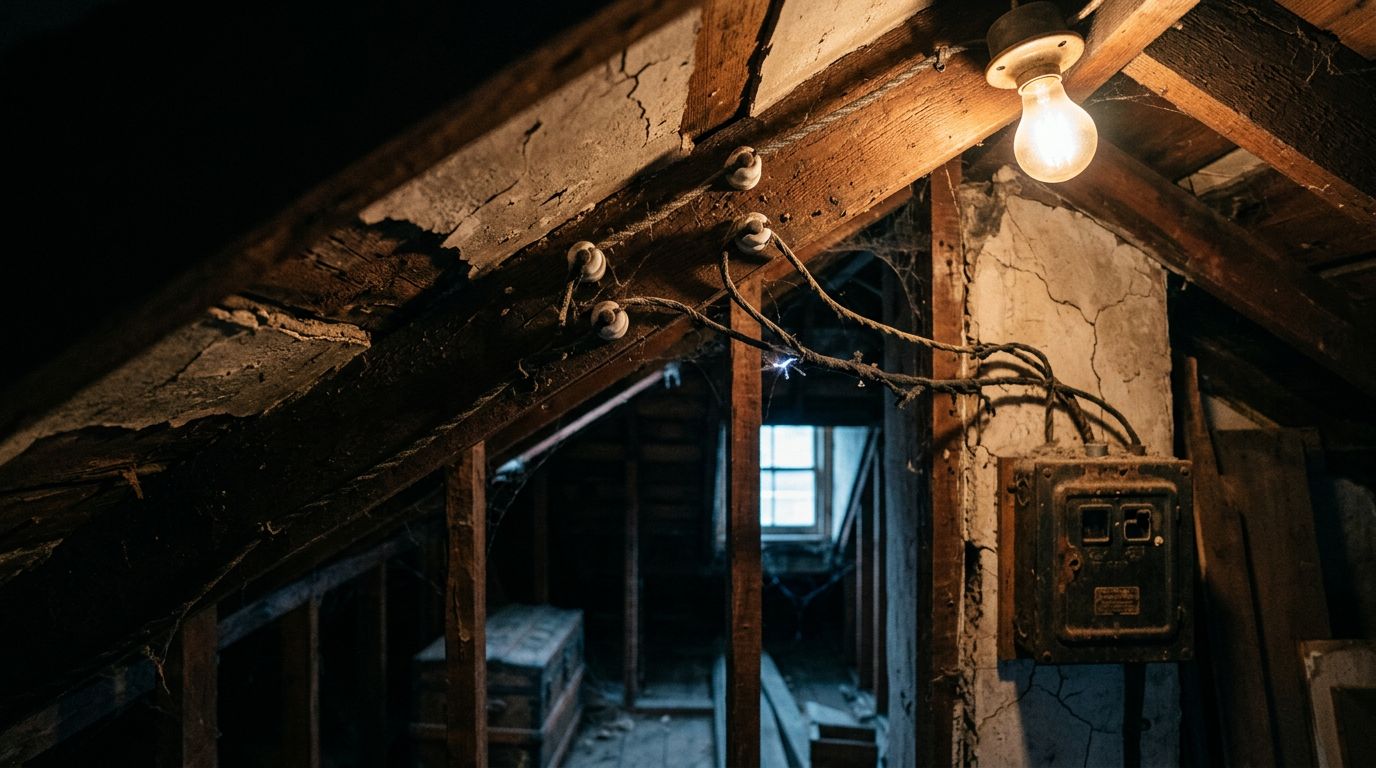
Older wiring can be hidden, but it leaves clues. Knob-and-tube wiring is one of the biggest ones. It can still show up in attics, basements, and wall cavities in older Greater Boston houses. The concern is not just age. The concern is the condition of the insulation, the lack of grounding, and the way later repairs may have been tied into it.
Aluminum wiring is another item to ask about. Some aluminum systems were installed decades ago and need careful evaluation. Loose terminations, mismatched connections, or signs of heat at outlets can turn a manageable issue into a serious one. Cloth-insulated wiring is also common in older homes, and once that cloth starts to crack or fall apart, the wire underneath may be exposed.
Ungrounded outlets and two-prong receptacles matter because they tell you a circuit may not offer the protection modern electronics expect. A two-prong outlet can still power a lamp, but it doesn't provide the same grounding path as a proper three-prong setup. That matters for computers, televisions, kitchen tools, and anything with a metal case.
A home with scattered upgrades can be especially tricky. You may find one new outlet in a room full of old wiring, which can make the house look safer than it is. Ask whether the home was partially rewired, whether grounding exists throughout the house, and whether any aluminum or cloth-insulated runs remain active.
The key question is simple. Is the old wiring still serviceable, or is it only still present because nobody has opened the walls yet?
Missing protection at outlets and living spaces
Some older homes have no GFCI or AFCI protection where it's usually expected. That matters because those devices help reduce shock and fire risk in the right places. Kitchens, bathrooms, laundry rooms, basements, garages, and outdoor outlets deserve close attention for GFCI protection. AFCI protection matters in many living areas where hidden arcing can start a fire.
If the home has been updated over time, protection may exist in one part of the house and be missing in another. That split pattern is common in older homes. It also tells you that the electrical work happened in stages, not as one planned upgrade.
Ask the inspector or electrician these questions:
- Which areas have GFCI protection, and which do not?
- Are the outlets grounded, or are they only three-prong faceplates on old wiring?
- Does the wiring setup match the way the home is used today?
- Are there areas where new fixtures were added without a broader electrical update?
Missing protection can be a negotiation point if the rest of the system is sound. It becomes a bigger concern when it appears with old wiring, overloaded circuits, or signs of DIY work. In that case, the issue is not one outlet. It's the whole electrical picture.
DIY repairs and the questions to ask before you bid
Older homes often collect layers of homeowner fixes. Some are harmless. Others leave messy clues that tell you the system has been patched without enough care. Open junction boxes, loose splices, mismatched wire types, and wires tucked into odd places all deserve attention.
A licensed electrician familiar with Massachusetts homes can tell you whether the work looks safe or risky. That matters more than trying to judge it by appearance alone. A neat-looking repair can still be wrong inside the box, and a messy basement doesn't always mean danger. The inspection report should explain what was changed, what still needs work, and what can wait.
Here's a simple way to read the severity of common findings.
| Red flag | What it can mean | How buyers should treat it |
|---|---|---|
| Fuse box or undersized panel | The home may not support modern demand | Often a negotiation point if stable, bigger concern if crowded or damaged |
| Double-tapped breakers | Poor connections or an overcrowded panel | Ask for an electrician review |
| Corrosion or moisture near the panel | Water intrusion or past damage | Treat as a serious safety concern |
| Knob-and-tube or cloth-insulated wiring | Aging insulation and limited capacity | Ask how much remains active and where |
| Two-prong outlets or ungrounded circuits | Missing grounding protection | Budget for upgrade or further review |
| Signs of DIY splices or open boxes | Unsafe or incomplete repairs | Do not treat this as a simple cosmetic issue |
After the inspection, ask for a clear split between repair needs and safety concerns. A few old outlets may be a budget item. Water near a panel, heat damage, or active amateur wiring is a different story.
Conclusion
Older Greater Boston homes can offer great character, but the electrical system needs a careful eye. The biggest warning signs usually show up in the panel, the wiring type, the outlets, and the quality of past repairs.
If you spot knob-and-tube wiring, an old fuse box, missing grounding, moisture near the panel, or signs of DIY work, don't guess. Bring in a licensed electrician who knows Massachusetts homes and ask for a clear assessment before you commit. That one step can protect both your budget and your safety.