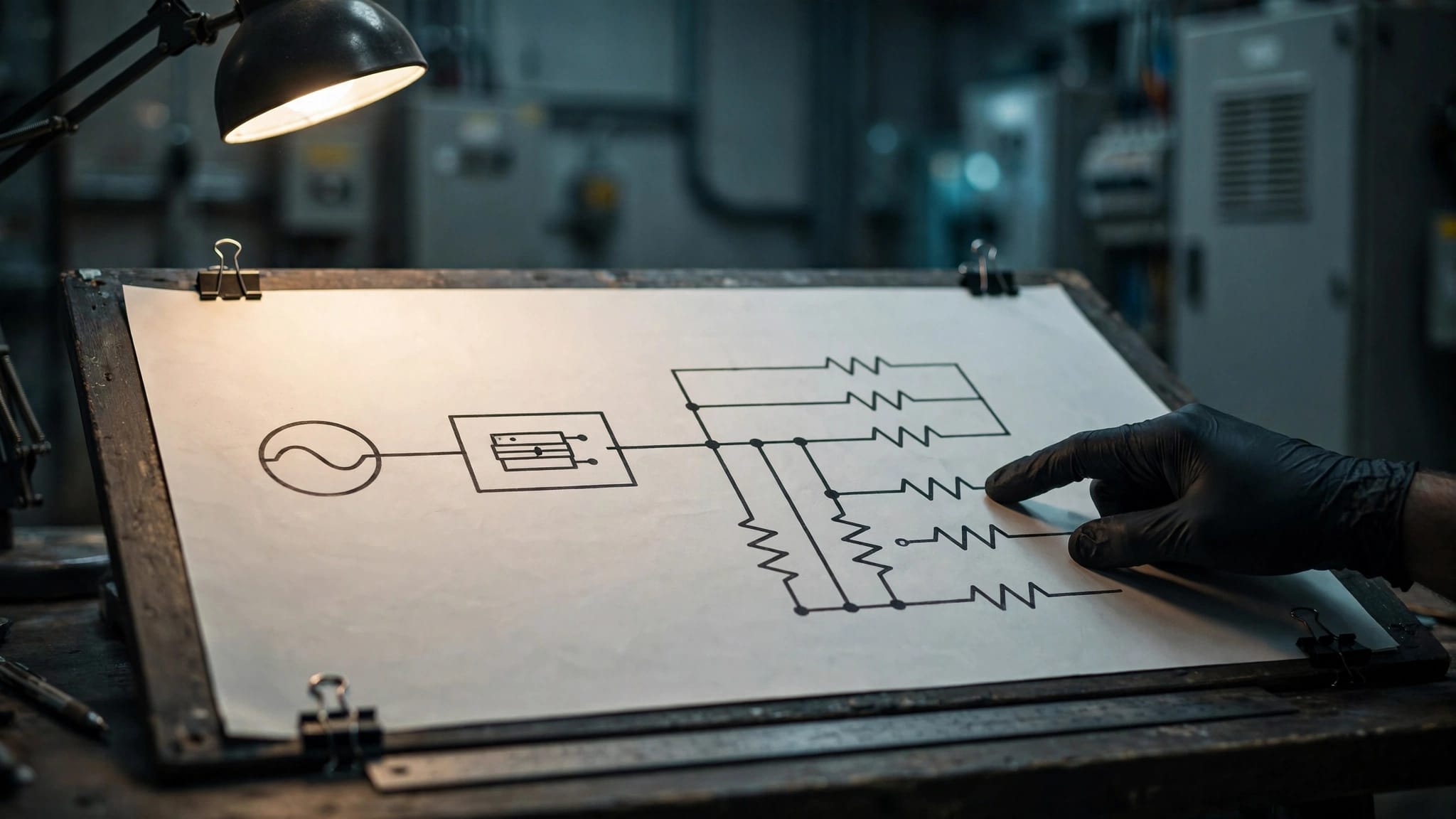

Massachusetts Sewage Ejector Pump Electrical Requirements

Contact Us
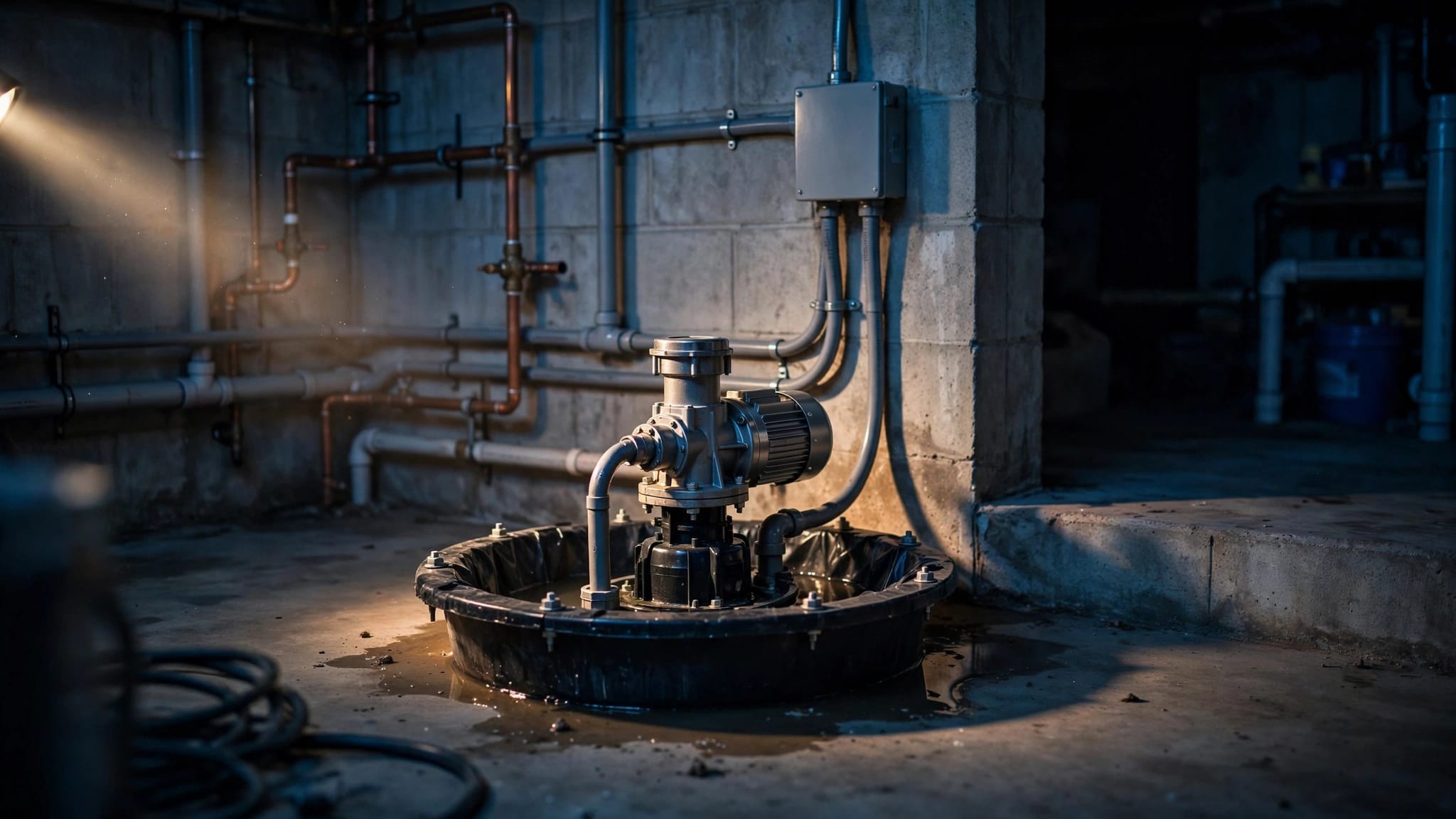
Massachusetts ejector pump wiring must follow the state electrical code and match the pump, controls, and installation conditions. A pump that runs isn't proof that its circuit is safe or suitable for replacement equipment.
The right starting point is the pump's equipment specifications , followed by a review from a Massachusetts-licensed electrician. Before adding a basement bathroom or replacing an ejector system, separate the electrical requirements from the plumbing rules.
Key Takeaways
- Massachusetts uses 527 CMR 12.00, based on the 2026 National Electrical Code with state amendments, effective April 24, 2026.
- The pump's nameplate, installation instructions, controls, and operating conditions guide the electrical design.
- Sewage ejectors and groundwater sump pumps perform different jobs, so guidance for one doesn't automatically apply to the other.
- Electrical permits and inspections follow municipal procedures, while plumbing requirements address separate parts of the installation.
What Governs Massachusetts Ejector Pump Wiring?
The statewide electrical code
As of October 2026, Massachusetts uses 527 CMR 12.00 , the Massachusetts Electrical Code. It incorporates NFPA 70, the 2026 National Electrical Code, with amendments adopted by the Massachusetts Board of Fire Prevention Regulations.
The state's current Massachusetts Electrical Code identifies April 24, 2026, as its effective date. A project permitted under an earlier edition may have a different code basis.
That distinction matters when a renovation spans a code change. The electrical permit and project history help establish which requirements apply to the work.
The local authority's role
The statewide code supplies the technical framework. Your local authority having jurisdiction, often the Inspector of Wires, administers electrical permitting and inspections.
Municipal procedures determine application requirements, inspection scheduling, and how the work receives approval. These administrative details can differ between cities and towns.
Confirm the local permit and inspection process with your building department before work begins. A Massachusetts-licensed electrician should handle the electrical design and installation, including coordination with the local inspector.
Sewage Ejector Plumbing Rules Aren't Wiring Specifications
The single-family pumping requirement
A sewage ejector moves wastewater containing toilet discharge and other fixture waste when gravity drainage isn't sufficient. A groundwater sump pump handles water collected around the foundation.
Our guidance on basement sump pump circuits addresses that separate application. Its recommendations shouldn't automatically transfer to sewage equipment.
Massachusetts plumbing requirements appear in 248 CMR 10.00 . Under Section 10.15(9)(b), a single-family dwelling sewage-ejector sump receiving toilet and other fixture discharge requires a pump with a full-size discharge and capacity of at least 20 gallons per minute.
The 20-gallon-per-minute minimum describes pumping capacity. It doesn't establish an electrical circuit rating.
Discharge piping has separate requirements
The Massachusetts plumbing code also requires accessible discharge valves: a backwater or check valve, followed downstream by an accessible full-port shutoff valve.
Those components control wastewater flow and allow service. They don't determine the pump's electrical supply.
Plumbing and electrical planning therefore need to happen together. Valve access, basin placement, controls, and electrical equipment all compete for space. A layout that leaves room for installation but blocks later maintenance creates avoidable problems.
Electrical Design Starts With the Actual Pump
Read the nameplate and installation instructions
Horsepower alone doesn't provide enough information to design a pump circuit. The electrician also needs the equipment's voltage, phase, current information, connection method, and installation instructions.
The motor's starting characteristics matter because starting and running place different demands on the supply. Wiring distance and installation conditions also affect the design.
For commercial systems, the review may include multiple pumps, a control panel, and equipment with different supply requirements. A residential installation shouldn't become the default template for a business.
The equipment documentation should identify the pump and controls being installed. A manual for a similar model can describe a different electrical arrangement.
Account for controls and protective equipment
The pump motor is only part of the electrical system. Float switches, control equipment, and any high-water alarm also belong in the project scope.
Some equipment uses factory-supplied cords and controls. Other systems use a separate control panel. These arrangements need an electrical design that follows the equipment's listing and instructions.
Protection also has different purposes. Ground-fault protection addresses shock hazards, while breakers and fuses address overcurrent. One doesn't replace the other.
An electrician should evaluate these components as a system. Choosing a breaker because it fits the panel, or reusing a receptacle because it's nearby, skips the equipment information needed for a sound design.
Keep Electrical Equipment Accessible and Suitable for Its Location
Basement utility areas can contain moisture, stored belongings, and tightly packed mechanical equipment. Electrical equipment needs appropriate placement and protection for its actual surroundings.
A location near a sewage basin isn't automatically suitable for every box, receptacle, or control enclosure. Dampness, possible water exposure, and physical damage all affect equipment selection.
Access matters just as much. Junction boxes and service points shouldn't disappear behind finished drywall or permanent cabinetry. Meanwhile, storage must not obstruct electrical panel working space.
Plan the electrical layout before closing walls or building an enclosure around the basin. The finished room should still allow safe access to the pump's electrical equipment.
Also, don't use an extension cord or power strip as a substitute for a properly designed permanent supply. A cord routed through a doorway or pinched behind equipment introduces another failure point.
If water reaches electrical equipment, stay out of the affected area. Don't touch a submerged plug, control, or panel. Have qualified professionals address the electrical hazard before anyone approaches the equipment.
Permits and Inspections Need Their Own Plan
Separate the electrical scope from the plumbing scope
Installing a sewage ejector can involve plumbing work, electrical work, and sometimes building alterations. One permit shouldn't be assumed to cover every trade.
New circuits, altered wiring, added controls, and changed electrical connections need review under the applicable electrical permitting process. The local authority determines how the proposed work proceeds.
The project scope should distinguish the pump and piping work from the electrical supply and controls. That division helps prevent gaps between contractors, especially when a basement bathroom is part of a larger renovation.
It also gives the electrician the information needed to plan the installation before other work limits access.
Schedule inspections before work is concealed
The inspection sequence affects when walls and ceilings can close. Electrical work that needs inspection must remain available for that review.
Our guide to Massachusetts electrical inspection requirements explains the relationship between permitted work, accessibility, and final approval.
Coordinate the inspection schedule with the electrician and other trades. Otherwise, a finished wall can hide work that the inspector still needs to see.
Keep the permit record, inspection documentation, and equipment instructions with the property's maintenance information. Those records help future electricians understand what was installed and approved.
Replacing a Pump Doesn't Automatically Approve the Existing Circuit
An existing pump's operating history doesn't establish that its electrical supply suits a new model. Replacement equipment can have different motor characteristics, controls, or connection instructions.
The old circuit may also contain deterioration or alterations that weren't obvious while the previous pump operated. Heat damage, damaged cords, and moisture exposure deserve attention before reconnection.
Have the electrician evaluate the existing supply alongside the replacement pump's documentation. That assessment determines whether reuse is appropriate or electrical changes belong in the project.
Repeated breaker trips or loss of power also need diagnosis. Increasing the breaker rating without evaluating the circuit and equipment can create a serious hazard.
If you notice a burning smell, visible overheating, or damaged electrical equipment, stop using the affected system and arrange professional service. Avoid repeated resets while the cause remains unresolved.
Plan for Alarms and Power Loss
An ejector pump cannot move wastewater without power. Therefore, the project should address how occupants will recognize a failure and respond before wastewater backs up.
A high-water alarm provides a warning; it doesn't provide pumping capacity. Its usefulness depends on the equipment, power arrangement, and whether someone can hear or receive the warning.
Alarm equipment should appear in the project scope rather than becoming an afterthought. Where the system includes an alarm, its manufacturer documentation belongs with the pump and control information supplied to the electrician.
Backup power also requires equipment-specific planning. A source that can support a small electronic load may not support a motor's starting demand.
Don't assume an existing battery backup or generator connection can operate the ejector. Any backup arrangement needs a suitable electrical design and safe connection method.
During a pump outage, limit use of fixtures draining into the ejector system. Continued wastewater flow can fill the basin even when the pump's electrical problem is elsewhere.
Frequently Asked Questions
Can a homeowner reconnect a replacement ejector pump?
Don't assume a replacement is a simple DIY electrical task. New wiring, altered controls, or changed electrical connections can involve licensing, permit, and inspection requirements.
A Massachusetts-licensed electrician should handle the electrical work. The plumbing portion also needs separate coordination, particularly when replacing the basin, discharge piping, or valves.
Does a running pump mean the installation is compliant?
No. Operation shows that the pump receives power and moves wastewater under the conditions present. It doesn't establish that the wiring, protection, connections, or equipment placement comply with the applicable requirements.
An inspection and equipment-specific electrical assessment address issues that ordinary operation can't reveal. This is particularly important when an older installation becomes part of a new renovation.
Are residential and commercial ejector systems wired the same way?
They can have different electrical arrangements. Commercial installations may use different voltages, phases, controls, or multiple pumps.
The design must follow the installed equipment and project conditions. A residential pump recommendation isn't a universal specification for a restaurant, office, or other commercial property.
A Safe Installation Starts With Equipment-Specific Planning
Massachusetts ejector pump wiring requires a coordinated plan based on the actual pump, the applicable electrical code, and local permitting procedures. Plumbing capacity requirements don't substitute for electrical design.
Start with the pump and control documentation , then involve a Massachusetts-licensed electrician before wiring changes or finished construction begins. We can assess the electrical side of residential and commercial projects throughout Metro and Greater Boston.