
Restaurant Electrical Maintenance Checklist for Greater Boston

Contact Us
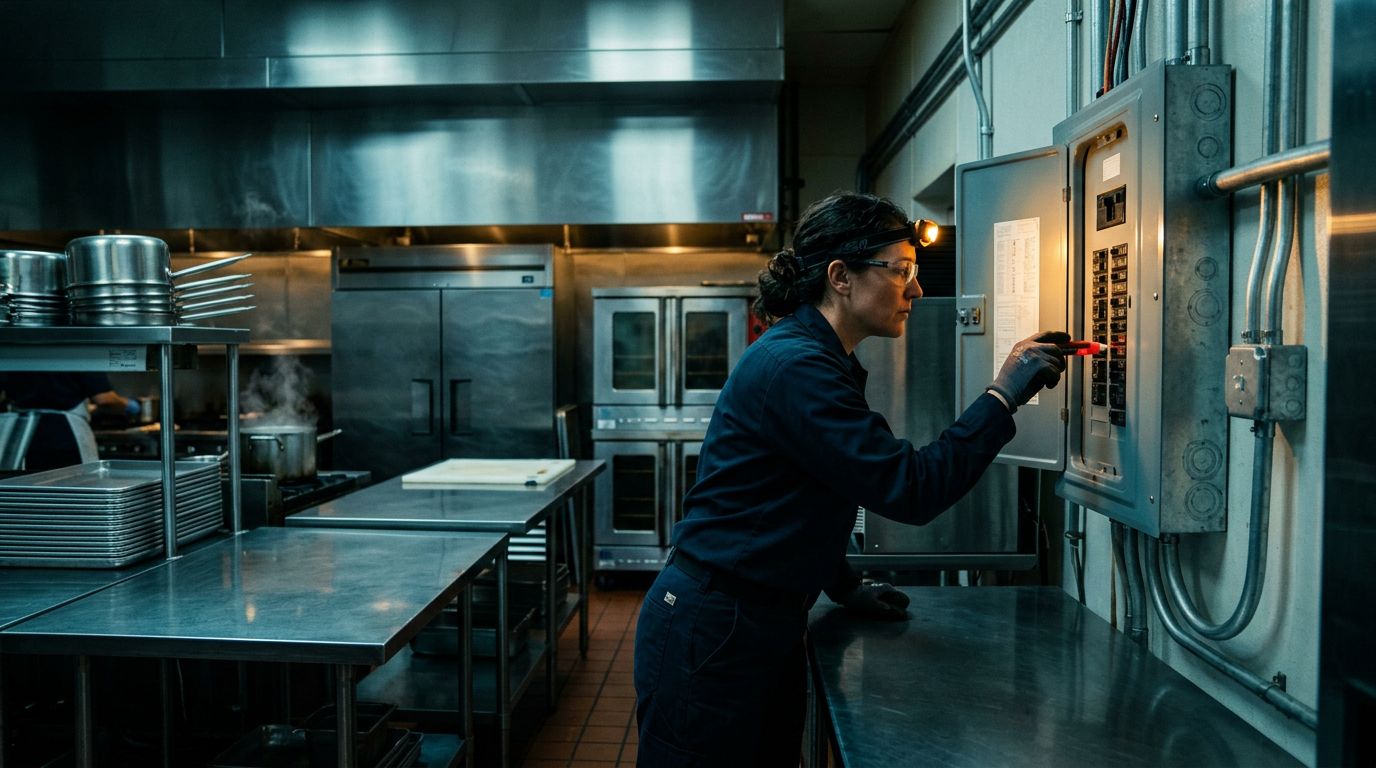
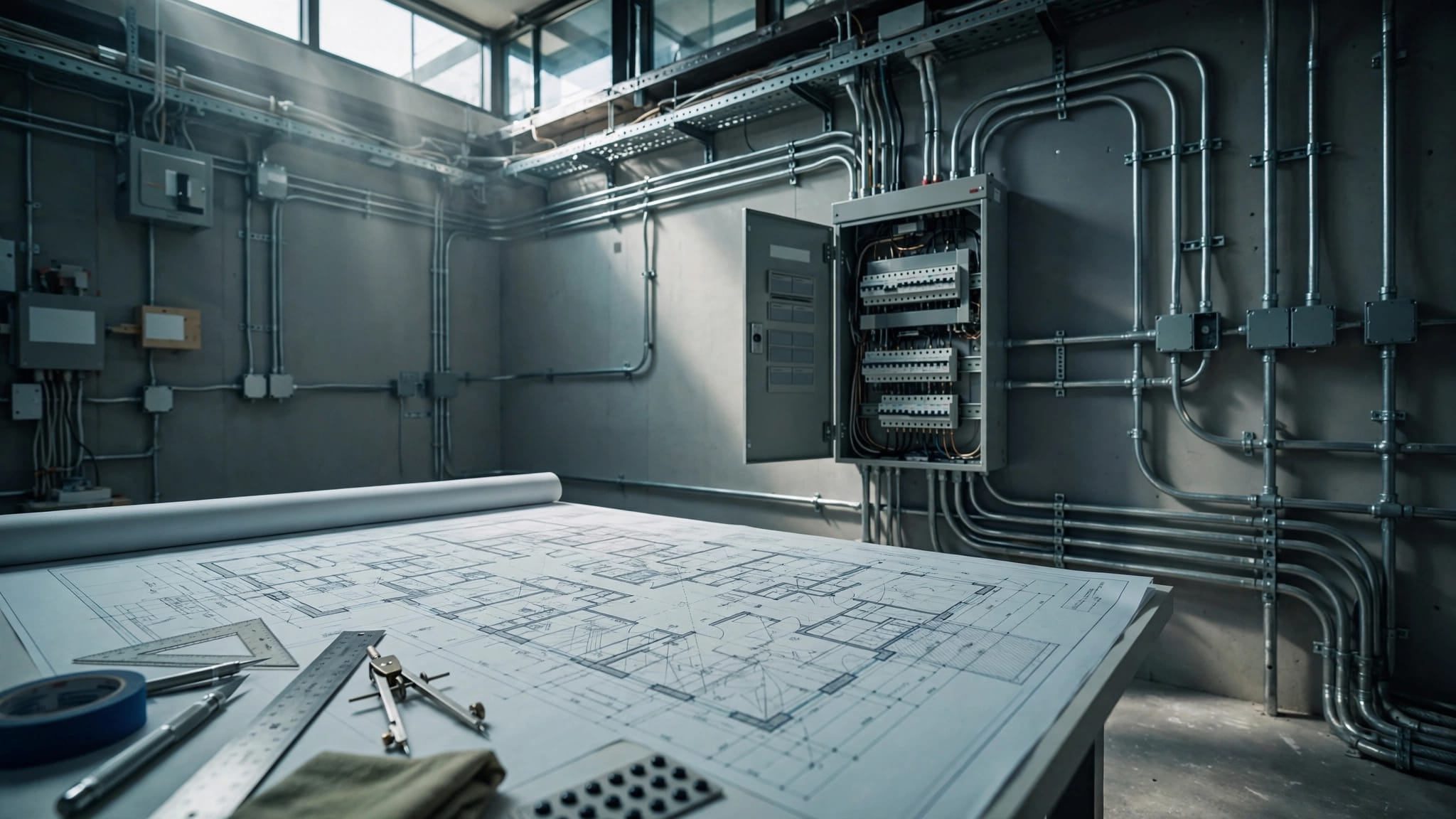
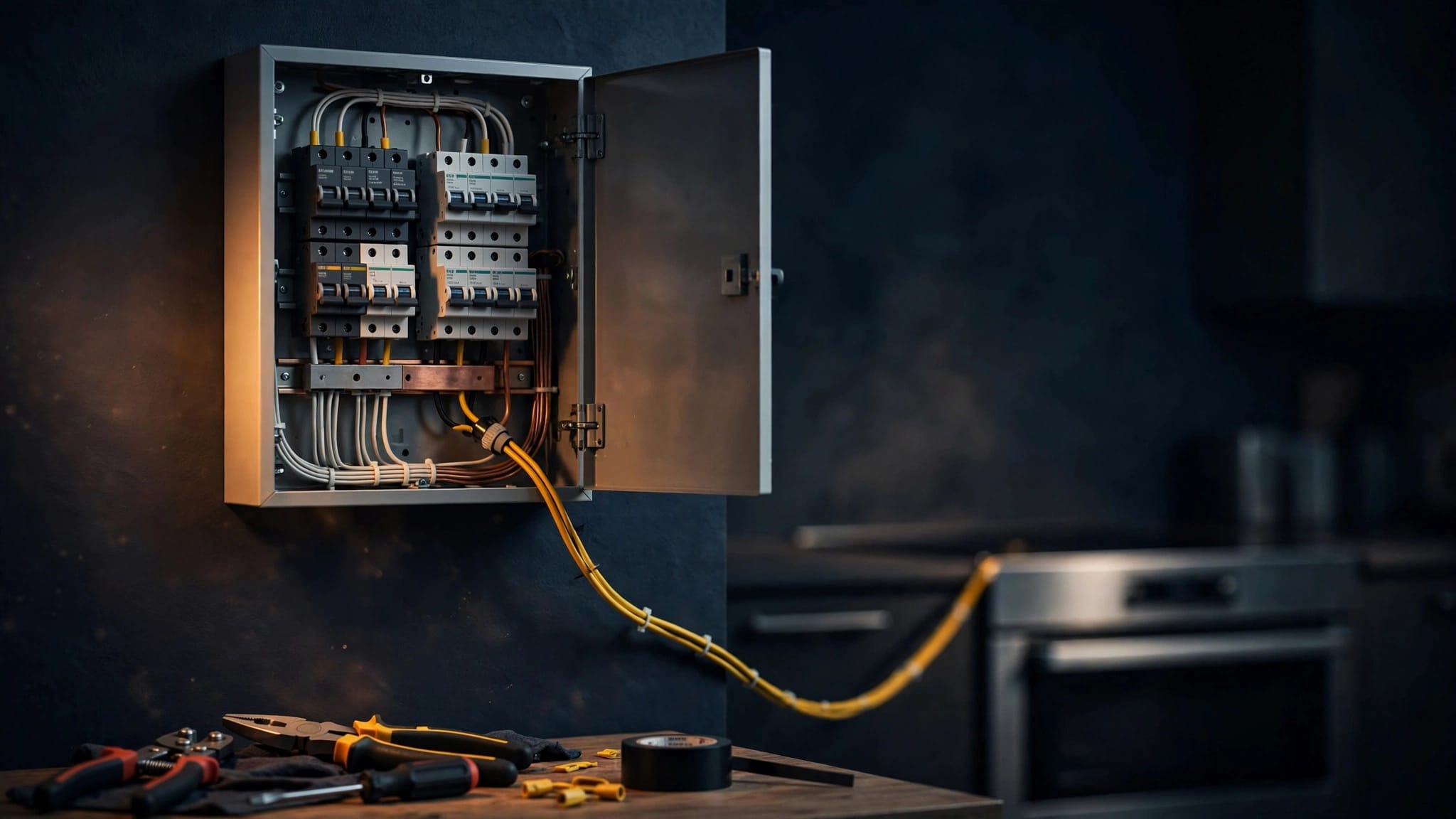
A restaurant electrical maintenance routine protects more than appliances. In a Greater Boston kitchen, one overheated receptacle can interrupt service, damage refrigeration, or put staff and guests at risk.
Grease, steam, washdown water, packed circuits, and constant refrigeration loads create a hard environment. Use this checklist for daily observations and scheduled professional reviews, then act quickly when equipment shows distress. Start with the areas that carry the most heat, moisture, and current.
Why restaurant electrical maintenance needs a routine
Commercial kitchens rarely get electrical downtime. Fryers, ovens, dishwashers, walk-in coolers, ice machines, exhaust fans, make-up air units, and water heaters may run at the same time. POS terminals, Wi-Fi equipment, cameras, and fire alarm components add smaller loads that still affect the building's electrical system.
Grease and moisture can reach cords, plugs, boxes, and receptacles. Heat can harden insulation, while vibration can loosen connections. A breaker that trips once may warn you about an overloaded circuit, failing equipment, moisture intrusion, or a wiring fault.
The Massachusetts Department of Fire Services identifies NFPA 96 requirements for commercial cooking equipment under the Massachusetts Fire Code. Electrical installations fall under the Massachusetts Electrical Code, which the state currently bases on NFPA 70, 2026 edition. This checklist supports daily operations, but it doesn't replace inspections required by Massachusetts or local authorities.
Daily staff walk-through
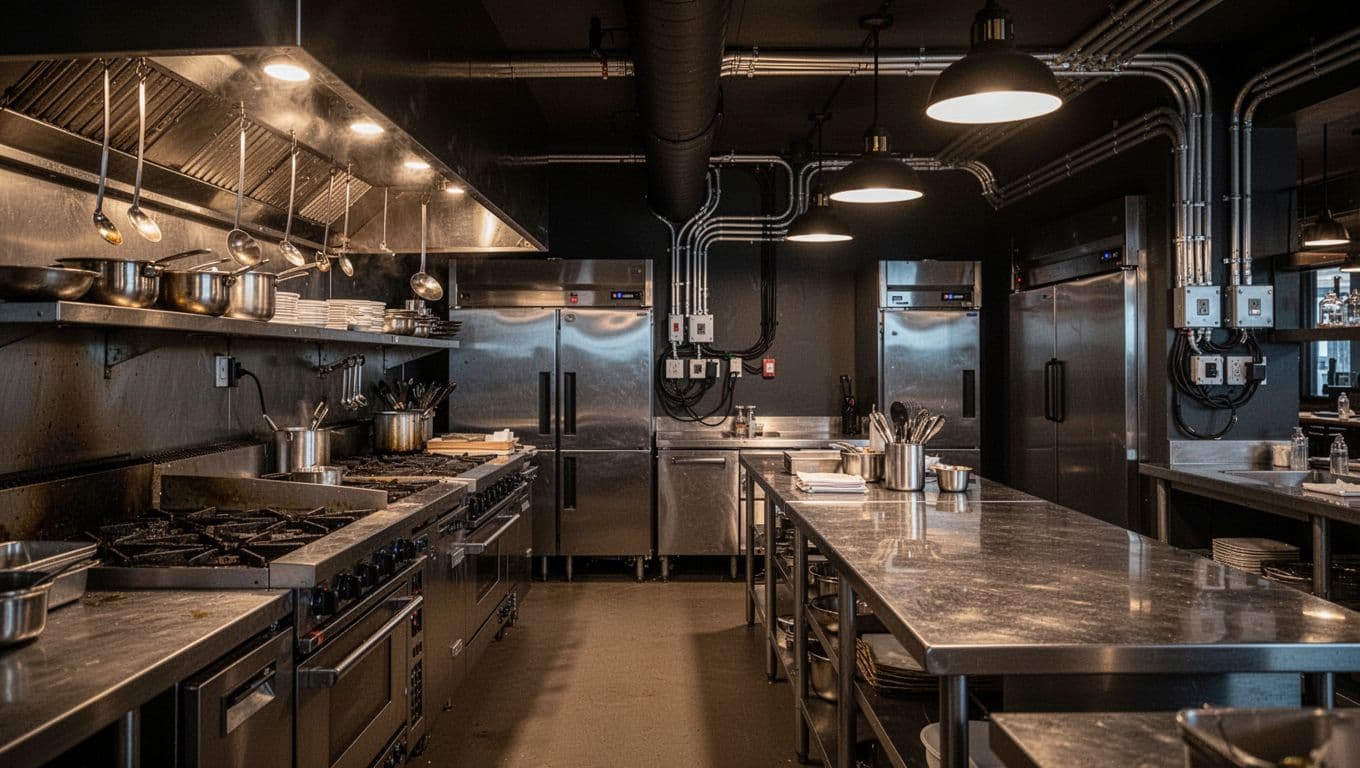
Before opening and after closing, staff can inspect visible components without opening equipment or touching energized parts. Look for:
- Scorch marks, melted covers, and cracked receptacles.
- Loose plugs, damaged cords, and missing strain relief.
- Wet outlets, standing water, or grease around electrical devices.
- Flickering lights, unusual buzzing, burning odors, or shocks.
- Extension cords used as permanent power.
Record each issue and remove unsafe equipment from service. Staff should never tape a damaged cord, reset a breaker repeatedly, or spray cleaner near an energized outlet.
Monthly manager review
Managers should note recurring breaker trips, nuisance GFCI trips, warm outlets, appliances that need extension cords, and equipment that causes lights to dim. Confirm that panels, disconnects, emergency lighting, and fire alarm controls remain accessible.
Storage must not block electrical equipment. A licensed electrician should investigate repeated symptoms instead of treating each reset as an isolated event.
A restaurant electrical maintenance checklist by system
Use this quick reference during scheduled walk-throughs. A licensed electrician should handle testing, repairs, circuit changes, and work inside panels.
| Area | What to check | Why it matters |
|---|---|---|
| Cooking equipment | Cords, plugs, disconnects, receptacles, and visible wiring | Heat and grease can damage insulation and connections |
| Refrigeration | Dedicated circuits, condensers, disconnects, and signs of water intrusion | A failed circuit can spoil food and overload another circuit |
| Ventilation and HVAC | Hood controls, exhaust fans, make-up air, rooftop units, and service disconnects | Poor operation affects heat, air quality, and kitchen safety |
| POS and data | Power strips, UPS units, network equipment, and exposed cables | Electrical faults can interrupt payments and communications |
| Life safety | Exit signs, emergency lights, fire alarm power, and backup batteries | These systems must work during an outage or emergency |
Kitchen circuits and receptacles
High-load cooking equipment needs correctly sized circuits and accessible disconnects. A disconnect hidden behind a range or blocked by shelving creates a service hazard and delays emergency shutdown.
Qualifying kitchen receptacles often require GFCI protection, especially where water, cleaning, or food preparation creates additional shock exposure. Massachusetts code provisions include Type A GFCI protection for many 125-volt, 15- and 20-amp receptacles. Equipment can have specific listing or compatibility requirements, so don't remove GFCI protection to stop nuisance trips.
For a renovation, review the commercial kitchen electrical planning checklist before equipment locations become fixed. Circuit capacity, disconnect placement, lighting, refrigeration, and emergency loads are easier to address during planning than after opening.
Build a schedule staff can follow
A written schedule keeps maintenance from disappearing during a busy dinner service or a staff change. Assign each task to a role, set a due date, and require a follow-up entry when someone reports a problem.
Daily and weekly checks
Every shift should watch for damaged cords, wet or greasy receptacles, flickering lights, unusual sounds, and equipment that feels hotter than normal. Keep electrical devices clear of mop water, hose spray, boxes, towels, and stored ingredients.
Once each week, the manager can inspect visible power strips, appliance plugs, refrigeration connections, and the area around the main electrical room. Confirm that staff can reach normal equipment controls without moving furniture or entering a hazardous area.
Don't ask employees to open panels or test wiring. Their job is to observe, report, and keep unsafe equipment out of service.
Monthly and quarterly checks
Each month, review the log for repeated trips, failed equipment, temporary cords, and outlets that have needed replacement. Check that circuit directories remain accurate after equipment changes.
Quarterly, inspect areas that receive heavy cleaning or moisture exposure. Look beneath sinks, near dishwashers, behind bar equipment, around ice machines, and near walk-in coolers. Have an electrician examine any corrosion, loose cover, water damage, or unexplained GFCI activity.
Restaurants with seasonal patios should review outdoor receptacles, temporary power, lighting, and weather protection before use. Massachusetts guidance requires outdoor dining electrical wiring and fixtures to comply with the state electrical code.
Annual professional review
Schedule a licensed electrician to review panels, grounding and bonding, disconnects, receptacles, visible wiring, emergency lighting, and high-load equipment. Ask for a written report that separates immediate repairs from planned improvements.
Coordinate electrical work with hood and fire protection service. The Massachusetts Fire Code references NFPA 96 for commercial cooking operations, so electrical work around cooking equipment should fit the approved kitchen and fire-safety design.
A generator or other backup system also needs a planned review. Identify which loads matter during an outage, such as refrigeration, fire alarm equipment, emergency lighting, security, network equipment, POS systems, or selected ventilation controls. Backup power must follow the approved design rather than an improvised extension-cord setup.
Warning signs that need immediate attention
Some symptoms call for same-shift action. Don't wait for a monthly review when a component is hot, wet, damaged, or producing smoke.
Shut down unsafe equipment safely
Turn off equipment using its normal control if you can do so without touching a wet, damaged, sparking, or overheated component. Keep staff and customers away from the area, stop using the affected receptacle, and contact a licensed electrician.
If water reaches an electrical panel, appliance, or floor box, keep people clear. Don't touch the equipment or attempt to dry it while energized. A professional must determine whether the equipment and wiring are safe to re-energize.
Never remove a panel cover, replace a breaker with a larger one, bypass a GFCI, splice a cord, or make a temporary repair. These actions can expose people to shock and create a fire hazard.
Call emergency service for dangerous symptoms
Call 911 for smoke, fire, an active electrical arc, or an immediate threat to people. Follow the restaurant's fire evacuation procedures and use fire extinguishers only when trained and when conditions allow safe use.
Contact emergency electrical service for repeated breaker or GFCI trips, a burning odor, visible arcing, a hot panel, melted insulation, exposed conductors, or a shock from equipment. Tell the electrician what happened, which equipment was running, and whether water or cleaning activity occurred.
A breaker that trips repeatedly is a diagnostic warning, not a reset button. Continuing to reset it can turn a manageable fault into equipment damage or a fire.
How to document restaurant electrical maintenance
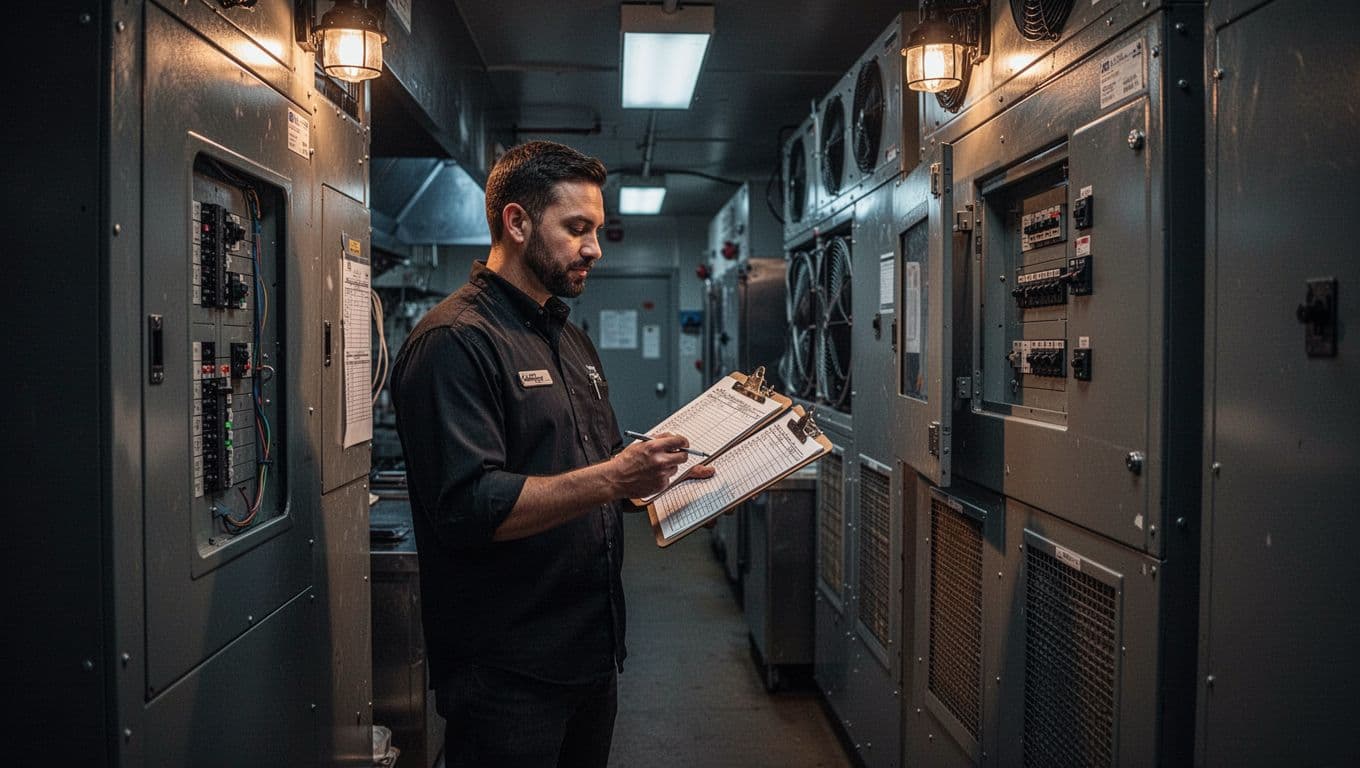
A useful log should help a manager answer four questions: what happened, where it happened, who responded, and what remains open.
Use one log for every location
Create an asset list for each restaurant. Include the equipment name, location, circuit or panel reference if known, manufacturer and model, installation date when available, and the person responsible for routine observation.
For every entry, record the date, time, condition found, action taken, and follow-up date. A short entry is enough when it is precise:
- Note the exact location, such as "bar ice machine receptacle" or "walk-in condenser disconnect."
- Describe the symptom, including a trip, odor, heat, discoloration, water exposure, or loss of power.
- Record the immediate control, such as equipment shutdown, area restriction, or electrician call.
- Add the service company, work order number, repair performed, and closeout date.
Keep electrician reports, equipment manuals, inspection records, and photos with the log. Avoid photographs that show customer payment information or other private data.
Review patterns before they become outages
A monthly review can reveal that several unrelated appliances share one overloaded circuit, that a particular sink area has repeated moisture problems, or that a refrigerator loses power after cleaning.
Track temporary solutions as open items. A power strip, extension cord, portable fan, or relocated appliance may keep service running, but it can also hide a capacity or wiring problem. Set a deadline for a permanent correction and verify that the work is complete.
Conclusion
A reliable restaurant electrical maintenance program combines daily observation, scheduled professional service, accurate records, and quick action when warning signs appear. Focus first on high-load cooking equipment, refrigeration, ventilation, wet areas, POS systems, and life-safety equipment.
Greater Boston restaurants also need to coordinate electrical work with Massachusetts code requirements, local inspections, and commercial cooking fire-safety rules. When a cord, receptacle, panel, or appliance looks unsafe, shut it down if you can do so safely and call a licensed electrician. Good records and timely repairs help keep the kitchen operating without putting staff or customers at unnecessary risk.