
Reverse Polarity in Greater Boston Homes

Contact Us
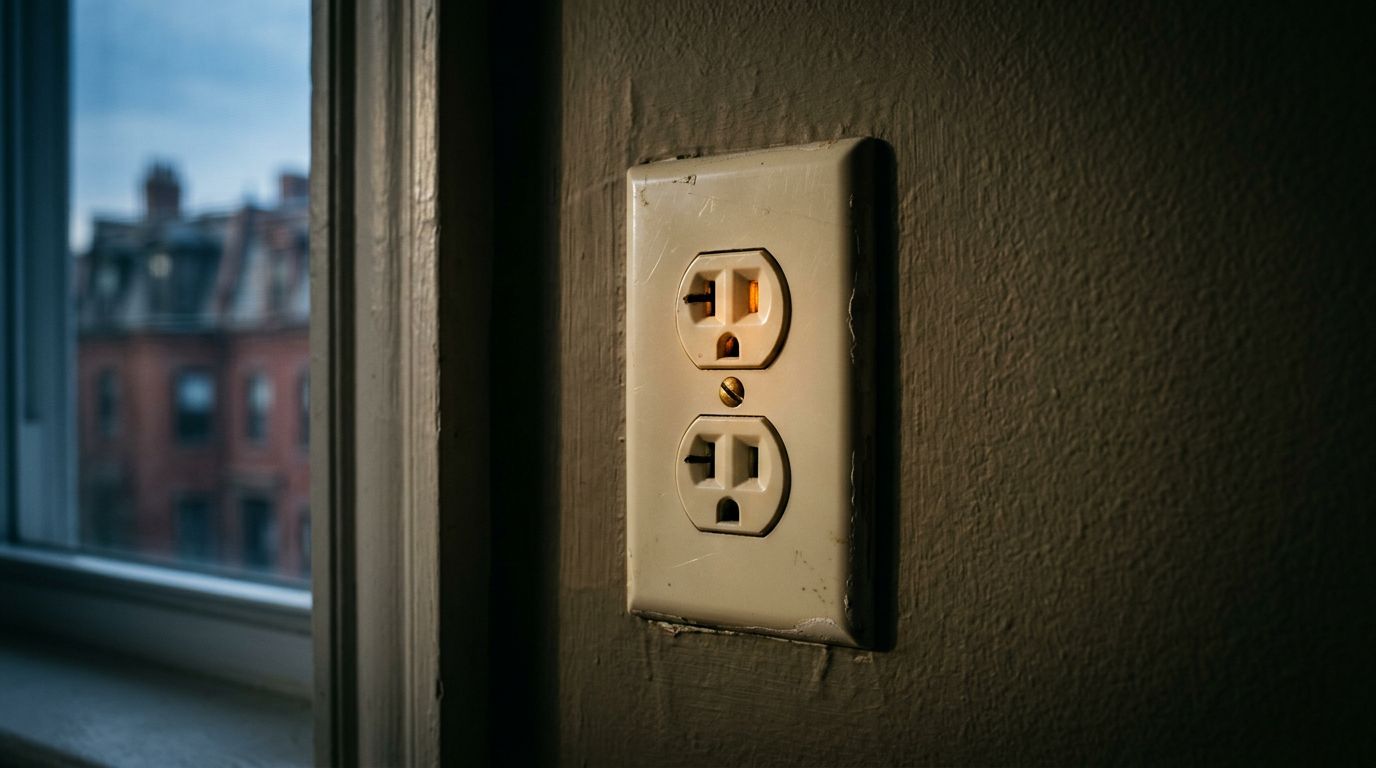
A wall outlet can look fine and still be wired wrong. That's the tricky part with reverse polarity , because the problem is usually hidden until someone tests the circuit.
In Greater Boston homes, this shows up in older wiring, rushed remodels, and repairs that were done without a full check of the circuit. The outlet may still power a lamp or charger, but the wiring behind it can put safety at risk.
Here's how it works, what it means for your home, and why it matters during inspections and repairs.
What reverse polarity means in plain English
Every standard outlet has two main conductors. The hot wire brings power to the device, and the neutral wire carries it back.
When the wires are connected correctly, current flows the way the outlet and the appliance were designed to handle it. When they're reversed, the outlet can still work, but the electrical path is backward.
A reverse polarity outlet is one where the hot and neutral wires have been swapped at the receptacle or somewhere in the circuit. That swap changes how a device is energized, and it can leave parts of a lamp, plug, or appliance hotter than they should be.
Ground is a different piece of the picture. It is a safety path, not the normal return path for current. A grounded outlet can still have reversed polarity.
Normal wiring vs. reversed wiring
| Part of the circuit | Correct setup | Reverse polarity setup | What it means |
|---|---|---|---|
| Hot wire | Connected to the hot side of the outlet | Connected to the neutral side by mistake | Power enters from the wrong side |
| Neutral wire | Returns current to the panel | Carries current on the wrong side | A device may still run, but wiring is unsafe |
| Polarized plug | Wide blade goes to neutral | Wide blade may be energized | Safety design is compromised |
The outlet may not look any different from the outside. That's why testers and inspections matter so much.
Why it shows up in older Greater Boston homes
Older Boston-area housing often has a mix of original wiring and later updates. In a triple-decker, a colonial, or a condo that went through several renovations, one outlet may have been replaced years after the rest of the circuit.
That mix creates room for mistakes. A past repair might have swapped conductors at a receptacle, or a remodel may have left a circuit half updated. Sometimes the problem comes from a loose connection, a backstabbed receptacle, or wiring that was patched without tracing the full run.
This is common in homes that were updated in stages. A kitchen may have a modern GFCI outlet, while the bedroom next door still sits on older branch wiring. The result is a house that looks newer than it is, with hidden problems in the walls.
If you're buying, selling, or renovating, a home electrical inspection in Greater Boston can catch reversed wiring before it becomes a closing delay or a repair surprise.
It also helps after cosmetic upgrades. Fresh paint, new flooring, and updated fixtures can hide the fact that the electrical work behind the walls was never checked.
What you may notice at outlets, lamps, and appliances
Many people first learn about reverse polarity from a plug-in tester. Others find out when a lamp acts oddly or a home inspector points out a bad receptacle.
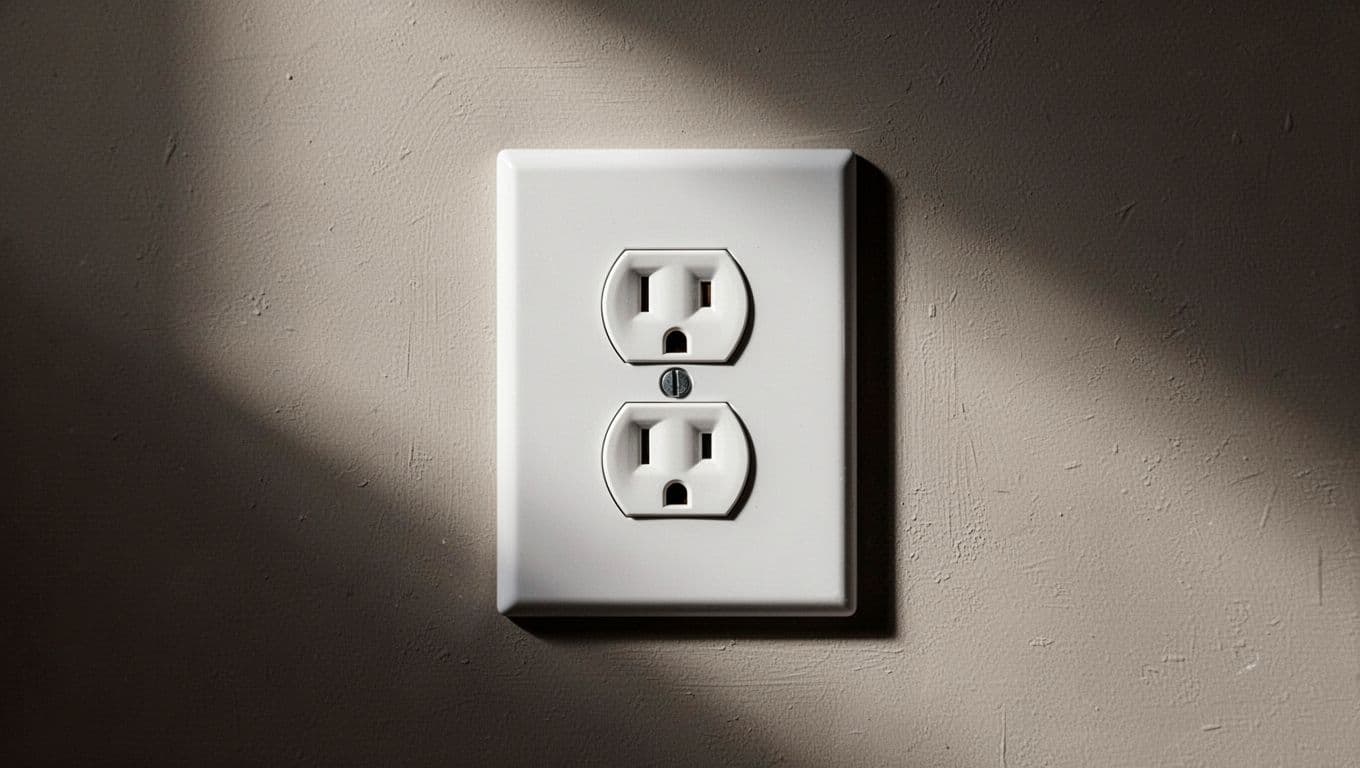
A working light does not mean the outlet is wired right.
A lamp can still turn on even when its wiring is wrong, which is why a test reading matters more than a quick glance.
The signs are often subtle. You may notice a polarized plug that fits, but a tester shows an error. A lamp may function normally, yet the shell of the socket is on the wrong side of the circuit. Small appliances can also seem fine while hiding a wiring defect behind the faceplate.
Here are the most common places it matters:
- Lamps : The threaded metal shell in a lamp socket should not be the live part. Reverse polarity can upset that protection.
- Appliances : Equipment with switches, fuses, or polarized plugs may lose part of its built-in safety design.
- Power strips and small electronics : These may still run, but the outlet issue can affect how the circuit is protected.
Some homeowners ignore the warning because the outlet still powers things. That's a mistake. Electricity often looks normal right up until it doesn't.
A tester reading is also easy to misread if you don't know what else is on the circuit. One bad receptacle can point to a bigger problem upstream. The fault may sit at the outlet, in a junction box, or somewhere farther back.
Why the safety risk is real
Reverse polarity is not the same as a complete outage, which is why it gets overlooked. Even so, it changes how safe a device is when you touch it, switch it, or unplug it.
The biggest concern is that parts meant to stay neutral can become energized. On some lamps, that means the metal shell near the bulb may carry power. On certain appliances, a switch may break the neutral side instead of the hot side, which leaves internal parts energized even when the device looks off.
That matters most in older homes, where outlets often serve bedrooms, living rooms, basements, and kitchens with mixed-age wiring. It also matters in renovated properties, because a nice finish can hide sloppy electrical work.
The risk is higher when the outlet is used for:
- table lamps and floor lamps
- space heaters
- small kitchen appliances
- older two-prong devices with adapters
- power strips that feed multiple items
A faulty outlet can also complicate home inspections. Inspectors in Greater Boston often note reverse polarity because it points to wiring that needs correction, not just a faceplate swap. It can affect the overall safety picture of the house, especially if several outlets on the same circuit test poorly.
A reversed outlet can be a warning sign, but it can also be a clue. It may point to other issues nearby, such as loose connections, worn receptacles, or improper repairs. That is why a simple "the lamp still works" check is not enough.
How a licensed electrician tracks it down
A plug-in tester can identify reverse polarity, but it does not tell you why it happened. The real job is tracing the wiring and finding the source.
A licensed electrician will check the receptacle, confirm the circuit path, and test related outlets and junctions. If the issue starts at one device, the fix may be local. If it shows up on several outlets, the problem may be farther up the line.
That matters in older Greater Boston homes, where one bad repair can affect more than one room. It also matters in renovated homes, where new fixtures may be attached to old conductors that were never updated correctly.
Professional diagnosis can also reveal whether the outlet itself is worn out. A loose receptacle, damaged back wire, or bad splice can create confusing test results. Replacing the face of the outlet without finding the source won't solve the problem.
A proper repair may involve correcting the conductor placement, replacing damaged devices, and checking the whole circuit for additional hazards. In many homes, that extra time is what separates a temporary fix from a safe one.
For homeowners, the next step is simple. If a tester shows reverse polarity, or if an inspector flags it, have a licensed electrician look at the circuit before the outlet gets used again.
Conclusion
Reverse polarity means the hot and neutral wires are swapped, and that small mistake can change how safe an outlet really is. The outlet may still work, which is why the problem gets missed in older homes and renovated properties across Greater Boston.
The main warning signs show up in testers, lamp sockets, appliances, and home inspections. A good visual check is not enough, because the wiring issue is hidden behind the cover plate.
When a reverse polarity outlet shows up, the safest move is a professional diagnosis. A licensed electrician can find the source, correct the wiring, and make sure the circuit is safe to use.