
Why Your Outlet Sparks in a Greater Boston Home

Contact Us
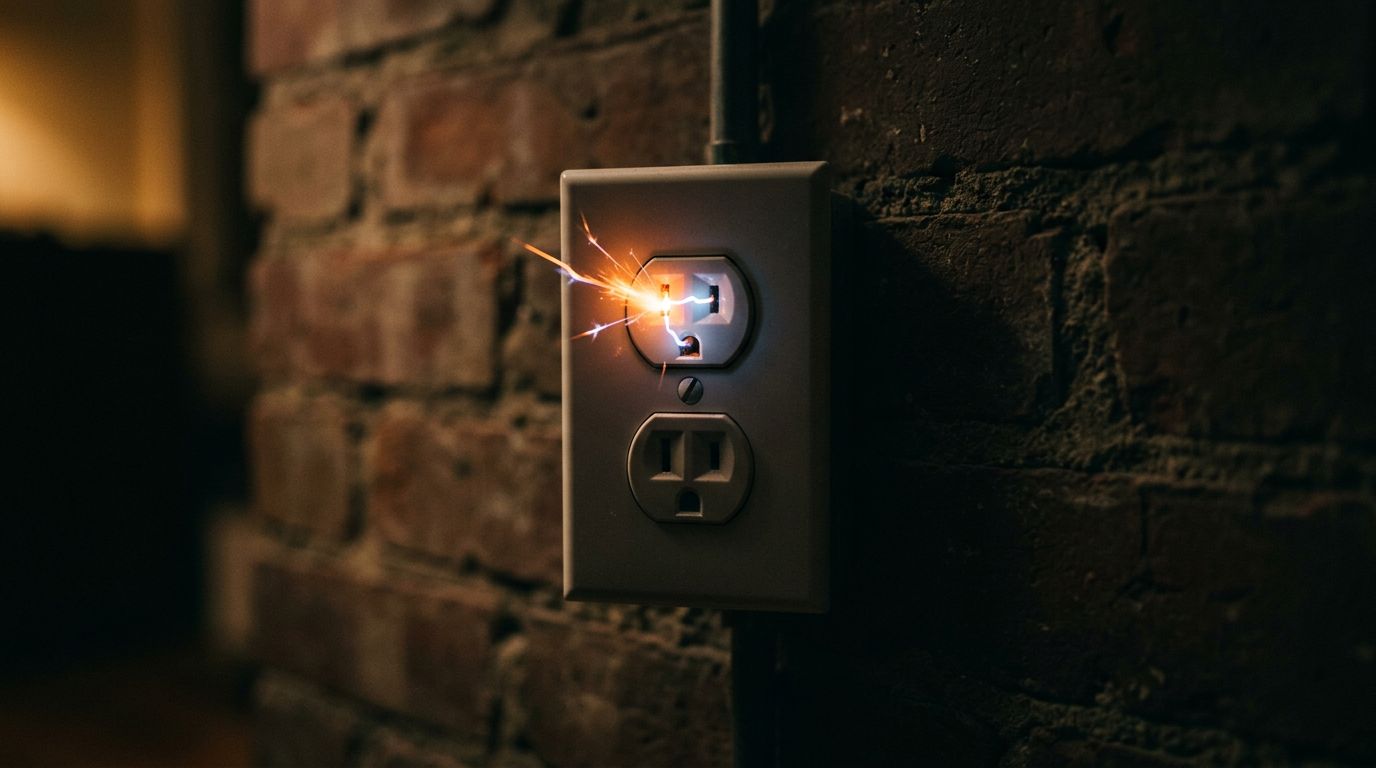
A small flash when you plug something in can be harmless. A sparking outlet that repeats, crackles, or smells burnt is not something to shrug off.
In many Greater Boston homes, the difference comes down to age, wear, or moisture. Some causes are minor, but others point to loose wiring or an overloaded circuit that needs attention.
What a brief spark can mean
A tiny spark can happen when metal contacts inside the plug and receptacle meet. That can be normal for a split second, especially when a device is already switched on.
The trouble starts when the spark is more than a quick flash. Repeated sparks, popping sounds, heat, or a burning smell usually mean the outlet is not making a solid connection.
A brief flash can happen during connection. Repeated sparking, heat, or a burnt smell is a different story.
A healthy outlet grips the plug firmly and carries power without drama. When that grip weakens, electricity can jump the gap, and that jump is called arcing.
Common causes of a sparking outlet
One common cause is a worn receptacle. After years of use, the metal contacts inside the outlet can loosen and stop holding the plug tightly.
A damaged plug or cord can also be the source. If the appliance itself has a bad prong, frayed cord, or internal fault, the spark may show up at the wall even though the problem starts elsewhere.
Overloaded circuits are another frequent reason. Space heaters, hair dryers, microwaves, and window units draw a lot of power, and older circuits can get stressed fast.
Moisture makes the problem worse. Kitchens, bathrooms, basements, garages, and outdoor outlets can collect damp air or splash exposure, which raises the chance of arcing.
Loose wiring inside the box is the most serious cause on this list. When a connection backs out, heat builds up, and the outlet can start to char around the edges.
If the same outlet keeps acting up, a professional electrical safety inspection can help find whether the issue is the receptacle, the wiring, or something farther upstream.
Why older Greater Boston homes see this more often
Older homes in Boston, Cambridge, Somerville, Quincy, and nearby towns often have electrical systems that were built for lighter use. A home that once handled a lamp and a radio may now support chargers, computers, kitchen appliances, and big heating or cooling loads.
That added demand can expose weak points. A receptacle that worked fine for years may start to spark once modern equipment pushes it harder.
Age also affects the physical parts inside the wall. Metal loosens, insulation wears down, and outlets stop gripping plugs as well as they should.
Basements and first-floor rooms can add another layer of risk. Humidity, minor leaks, and old framing can affect electrical parts over time, especially near laundry areas, kitchens, or unfinished spaces.
If the issue keeps coming back, the safest move is to have the system checked. Professional electrical repair and installation services can address a bad outlet, tired wiring, or a panel problem before it turns into a larger repair.
Safe steps to take right away
If an outlet sparks once and then settles down, stay cautious. If it sparks again, stop using it.
- Unplug the device if you can do that safely.
- Turn off the breaker if the outlet feels hot, buzzes, or smells burnt.
- Keep the area dry and move anything flammable away from the outlet.
- Do not plug the device back in until the outlet has been checked.
Never keep pressing a plug into a loose outlet to "see if it works." That can make the contact worse and raise the heat inside the box.
When to call a professional electrician
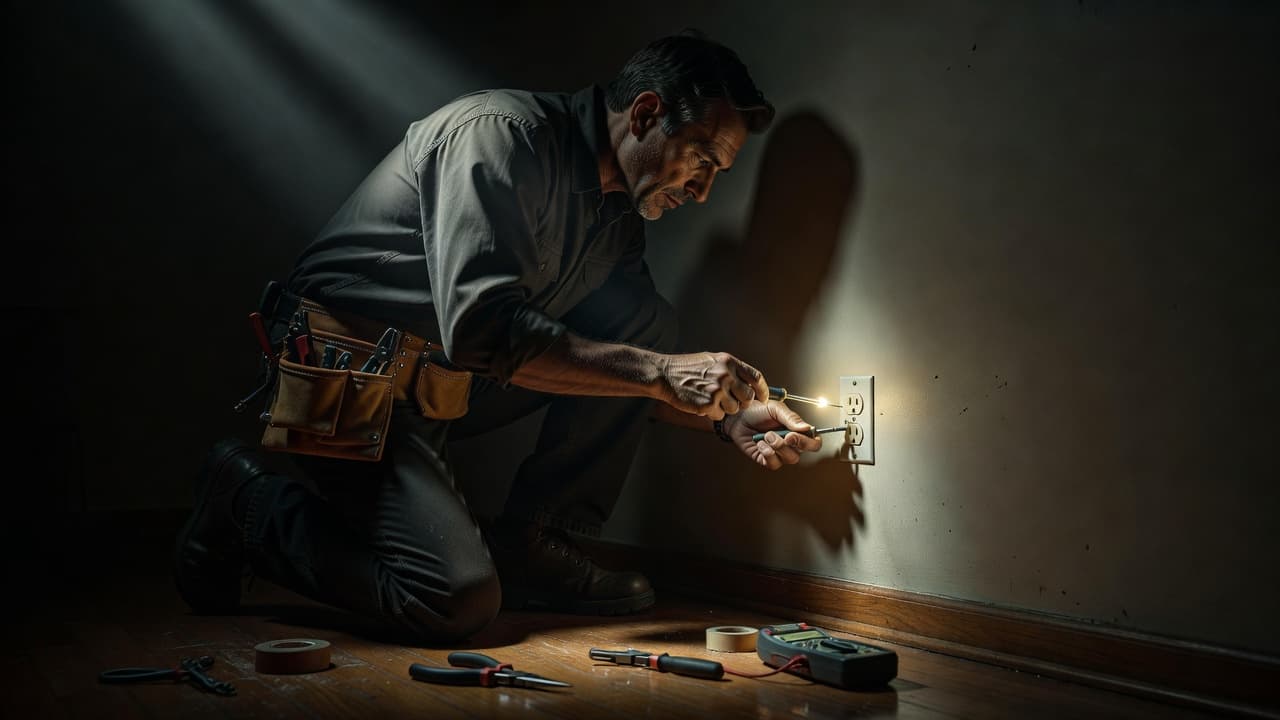
Call a licensed electrician if you see any of these signs:
- The outlet sparks more than once.
- The faceplate feels warm.
- You notice black marks, melting, or a burnt odor.
- A breaker trips when the outlet is used.
- Lights dim when the plug goes in.
- The outlet is in a damp area or near water.
A recurring spark is usually a sign that something inside the circuit is loose, worn, or overloaded. That is not a problem to ignore, even if the outlet still powers a lamp or charger.
An electrician can test the outlet, check the circuit load, and look for hidden damage in the wiring or panel. That matters even more in older homes, where one weak connection can affect more than one room.
Conclusion
A quick flash at the moment of connection can happen, but repeated sparking is a warning sign. In Greater Boston homes, older wiring, worn outlets, moisture, and heavy modern use often play a part.
The safest response is simple: stop using the outlet, cut power if needed, and get it inspected. A sparking outlet is often fixable, but it should never be treated like normal wear and tear.