
Where Carbon Monoxide Detectors Belong in Greater Boston Homes

Contact Us
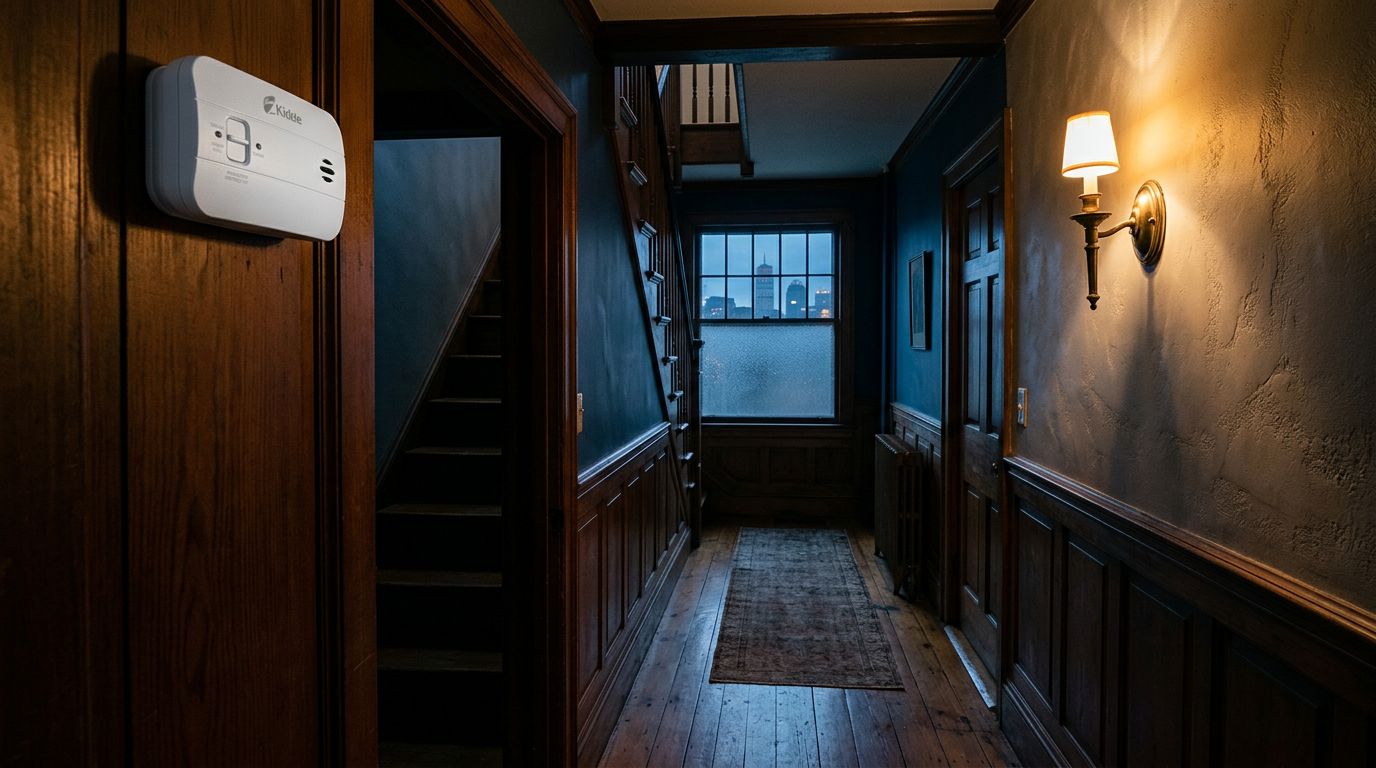
Carbon monoxide is hard to notice until it becomes a real problem. In Greater Boston homes, that risk rises in winter, when windows stay shut and boilers, furnaces, fireplaces, and gas appliances run more often.
Where you place carbon monoxide detectors matters as much as having them. A unit on the wrong wall can miss the warning, while one in the right hallway or basement can buy the minutes that matter.
Older layouts, finished basements, and attached garages make placement even more important. The safest setup starts with the rooms that create risk, then works outward toward sleeping areas.
Start with the rooms that create risk
The first question is simple: where can carbon monoxide build up in your home? In many Greater Boston houses, the answer is the basement, a mechanical closet, the kitchen, or the garage entry.
Any fuel-burning appliance can create carbon monoxide if venting fails, even for a short time. A detector belongs close enough to hear the alarm, but not so close that normal cooking, steam, or exhaust causes nuisance trips.
| Area | Why it matters | Good placement approach |
|---|---|---|
| Basement boiler or furnace | Common source in New England homes | Put a detector on the basement level, near the stair path or outside the utility area |
| Water heater or boiler closet | A hidden failure can spread before you notice | Place it just outside the closet or nearby in the same level's hall |
| Fireplace or gas insert | Backdrafts and poor venting can send CO into living space | Add coverage near the room and keep sleeping areas covered too |
| Kitchen with a gas stove | Cooking can create fumes, and alarms placed too close can chirp too often | Mount it nearby, but not right above the stove or next to a hood vent |
| Attached garage entry | Exhaust can drift into the house through the connecting door | Put one inside the home, near the door from the garage |
| Finished basement | CO can collect where people spend time and where equipment often sits | Use a detector on the basement level, not tucked in a corner |
That layout gives you coverage where CO can start and where people actually live. It also helps you avoid the most common mistake, which is putting one alarm in a spot that is easy to reach but too far from the risk.
Where detectors belong on each floor
Many local codes call for carbon monoxide detectors outside sleeping areas and on every occupied level, including the basement. Some rules also address hardwired or interconnected alarms in certain homes and renovations. Because requirements can vary by town and by the age of the home, check with your municipality or fire department before you move or add devices.
A practical floor-by-floor setup usually looks like this:
- Outside each sleeping area in a hallway or landing, so the alarm reaches bedrooms fast.
- On every occupied level , including a finished attic or finished basement.
- Near bedroom zones on long hallways , especially in older homes with closed doors and deep floor plans.
- Inside the home near an attached garage entry , but never inside the garage itself.
Code sets the floor. Your home layout decides where extra coverage belongs.
If your house has a split layout, a long stair run, or bedrooms on different floors, the sound path matters almost as much as the room location. A detector that sits behind a shut door or around a corner may not wake anyone in time.
Basements, boilers, and attached garages deserve their own alarm
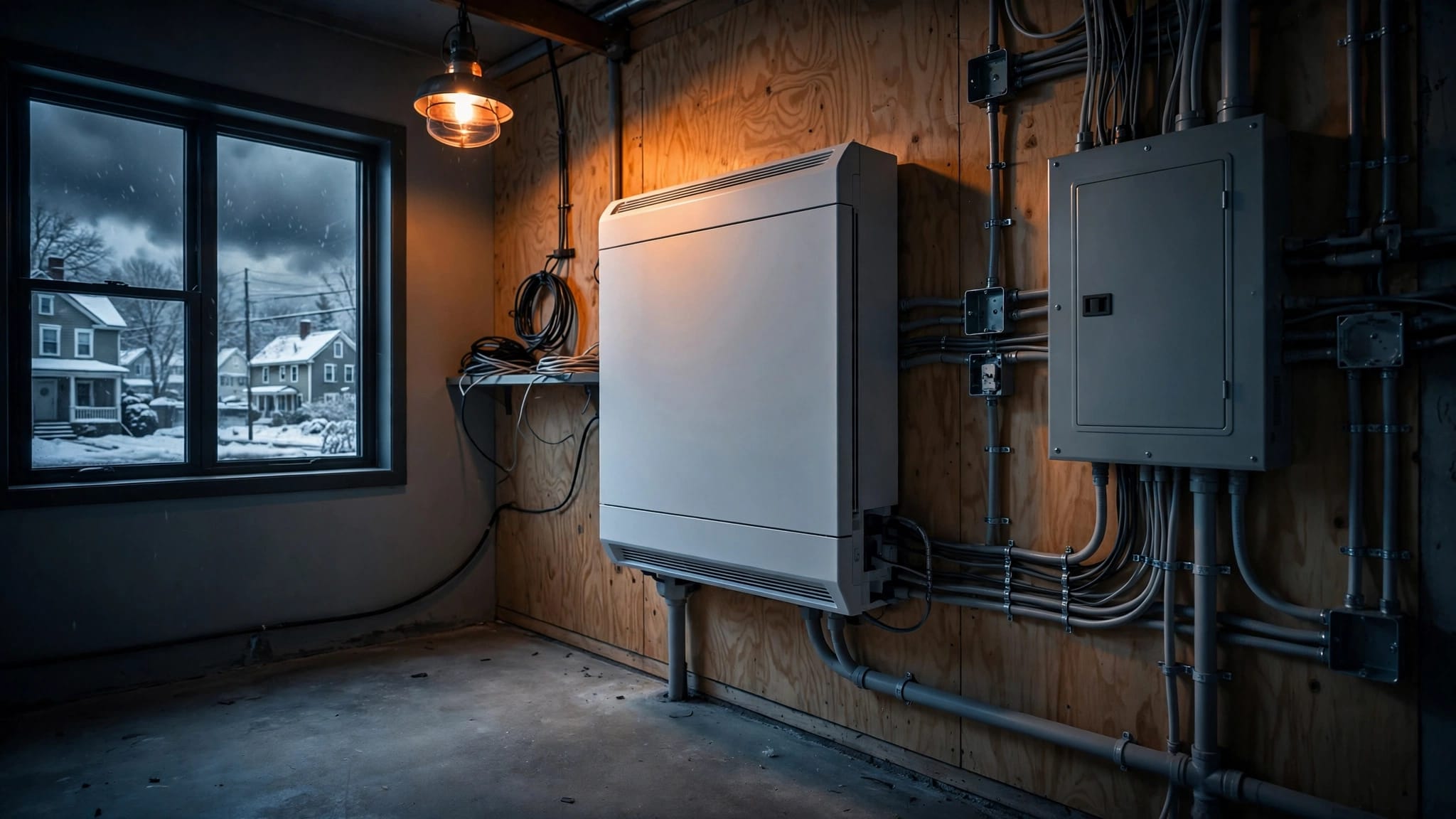
In Greater Boston, the basement often does more than store boxes. It may hold a boiler, furnace, water heater, or laundry setup, and each one can be part of a carbon monoxide problem.
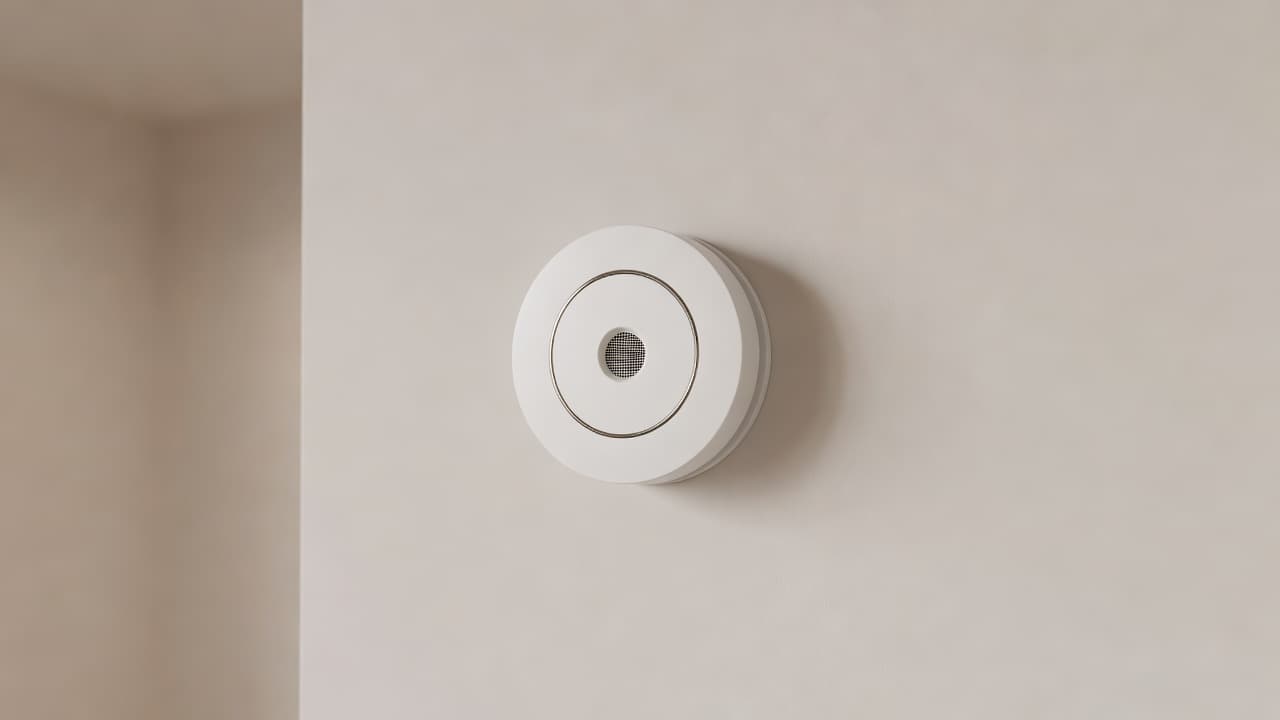
A basement detector should follow the maker's instructions for wall or ceiling height. It should stay out of dead corners, away from return vents, and far enough from the appliance that routine operation doesn't create false alarms. At the same time, it should still sit close enough to catch a problem early.
Attached garages need similar care. Car exhaust can drift into the house when a door opens, a vehicle idles, or weather strips wear out. Put the detector inside the living area near the garage connection, not in the garage where temperature swings and fumes can interfere with performance.
Finished basements need extra attention too. A detector hidden behind storage shelves or jammed into a utility nook may not protect the people using the room. Mount it where air moves normally and where a person can hear it from the main living area.
Older multi-story homes need coverage on every level
Older Greater Boston homes often have stairwells, additions, and room layouts that were never designed around modern alarm placement. A triple-decker, colonial, Cape, or converted two-family can all trap sound in odd ways.
That is why one detector in the basement is not enough . If bedrooms are upstairs, the warning needs to reach them fast. Closed doors, thick plaster walls, and long hallways can all weaken the alarm's reach.
Interconnected alarms help because one unit can trigger the others. That matters in homes with three or more levels, or in any house where the sleeping area sits far from the boiler room. If your system is older, or if the electrical panel is already crowded, a home electrical inspection can help you plan for hardwired detectors and interconnection before you add new devices.
Older homes also need a little more care during installation. Paint layers, plaster dust, and aging trim can make a neat-looking location a poor one if the detector ends up too close to a vent, too high, or blocked by furniture. The best placement is the one that fits the layout and still follows the manufacturer's instructions.
Common placement mistakes that create blind spots
A few simple errors can leave a home less protected than it looks.
- Putting one detector in the basement and stopping there leaves bedrooms and upper floors without timely warning.
- Mounting it right next to a stove, fireplace, or toaster oven can cause nuisance alarms and tempt people to disable the unit.
- Installing it inside an attached garage exposes it to exhaust and temperature swings that can shorten its useful life.
- Hiding it behind furniture, curtains, or stored boxes blocks airflow and delays detection.
- Placing it right by a supply vent, window, or bath fan can keep air moving past the unit too fast.
- Skipping monthly tests and battery checks turns a good location into a false sense of security.
A detector should be easy to hear, easy to reach, and easy to test. If you need a ladder, a flashlight, or a lot of rearranging to get to it, the spot is probably wrong.
A quick checklist for Greater Boston homeowners
Use this as a simple final pass before you call the job done.
- One detector outside each sleeping area.
- One detector on every occupied level, including the basement.
- One detector near the entry from an attached garage.
- One detector near fuel-burning equipment, but not directly beside it.
- Interconnected alarms where the home layout or local rules call for them.
- Working batteries, or hardwired backup where the system supports it.
- Monthly test button checks.
- Replacement on the schedule printed on the unit.
If your home has more than one heating source, or if a basement and garage both sit close to living space, consider the whole path carbon monoxide would take through the house. That path is often more important than the room where the appliance sits.
Conclusion
The right placement for carbon monoxide detectors starts with the places where carbon monoxide can form, then moves to the hallways and levels where people sleep. In Greater Boston homes, that usually means basements, boiler rooms, attached garages, and the spaces outside bedrooms.
Local rules can vary, so verify current requirements with your municipality or fire department before you move or add detectors. If your home has older wiring, a crowded panel, or needs hardwired alarms, a licensed electrician can help match the placement to the layout and keep the system tied together the way it should be.
A detector in the right place is a small device with a big job. In a winter house with a boiler, a fireplace, or a garage next door, that placement matters.